SF6 Zero-Emission Maintenance Solutions for GIS Gas Compartment Purification and Recharging
Date
2026-02-02
[email protected]
Website
www.sf6gasdetector.com
Get Solutions And Quotes
SF6 Zero-Emission Maintenance Solutions for GIS Gas Compartment Purification and Recharging
The landscape of high-voltage electrical maintenance in 2026 is defined by a rigorous commitment to environmental sustainability and technical precision. As power grids expand to accommodate renewable energy and increased demand, the management of Sulfur Hexafluoride (SF6) has become a primary focus for utility providers. The implementation of SF6 zero-emission maintenance solutions for GIS gas compartment purification and recharging represents a sophisticated approach to maintaining Gas Insulated Switchgear (GIS) without compromising the atmosphere.
The Strategic Importance of On-Site Gas Regeneration
In the current regulatory environment, the simple recovery of SF6 is no longer sufficient. Industry standards now demand a circular economy approach where gas is recovered, purified, and returned to the system at its original purity levels. Traditional maintenance often resulted in the contamination of gas with moisture and arcing byproducts, necessitating expensive disposal. Modern zero-emission solutions utilize on-site purification to restore gas quality to GB/T 12022 standards, eliminating the need for virgin gas purchases and hazardous waste transport.
Advanced Technical Architecture
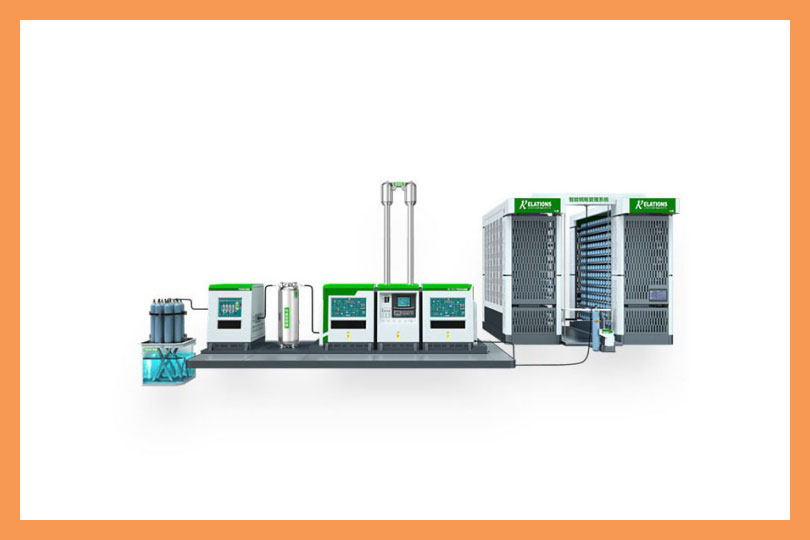
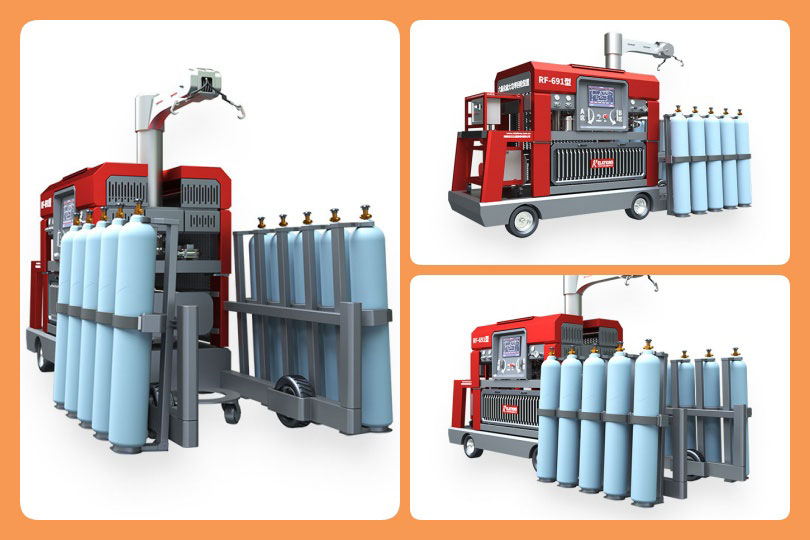
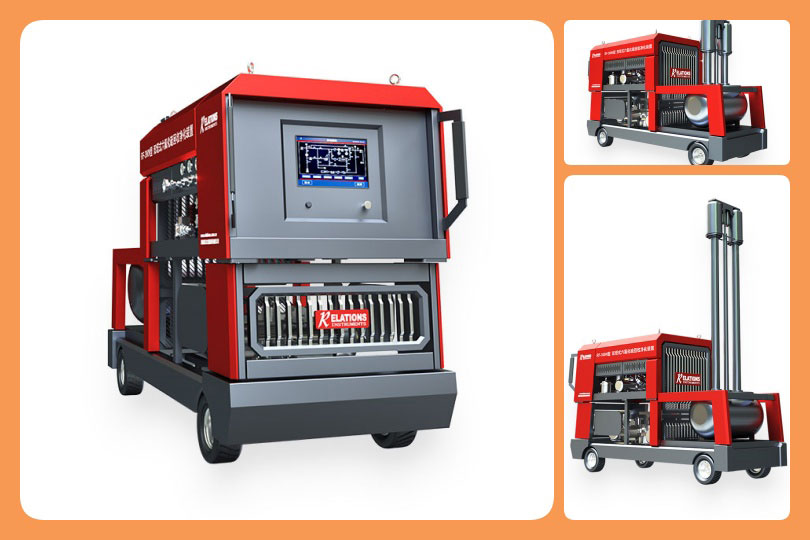
The latest generation of purification and recharging devices is built on a large-scale, intelligent platform controlled by an industrial PLC system. This modular architecture integrates multiple high-capacity components to handle the demands of 110kV to 500kV electrical equipment.
Key components of the 2026 system include:
-
High-Capacity Oil-Free Compression: A 38 cubic meter per hour oil-free water-cooled compressor provides the displacement necessary for large GIS volumes. The oil-free design ensures that no hydrocarbons contaminate the gas during processing.
-
Vacuum Performance: A 64 cubic meter per hour vacuum pump achieves an ultimate vacuum of 0.1mbar. This ensures that GIS compartments are completely evacuated of air and moisture before gas is reintroduced.
-
Rectification and Distillation: The inclusion of a lifting-type stainless steel distillation tower allows for deep purification. This process separates non-condensable gases and volatile impurities from the SF6.
-
Negative Pressure Recovery: A dedicated vacuum compressor allows the system to reclaim gas even at extremely low pressures, ensuring that residual gas levels in the equipment are negligible.
Technical Parameters and System Integration
The performance of the SF6 zero-emission maintenance solutions for GIS gas compartment purification and recharging is defined by rigorous engineering specifications:
-
Oil-free Water-cooled Compressor: 38 cubic meters per hour.
-
Vacuum Pump: 64 cubic meters per hour with 0.1mbar limit.
-
Vacuum Compressor: 31.3 cubic meters per hour with 1mbar limit.
-
Purification Tank: 300L stainless steel, 50 bar design pressure.
-
Oil-free Booster: 5 cubic meters per hour for liquid SF6 handling.
-
Filtration Accuracy: Less than 1 micron.
-
Vaporizer Power: 1.5kW.
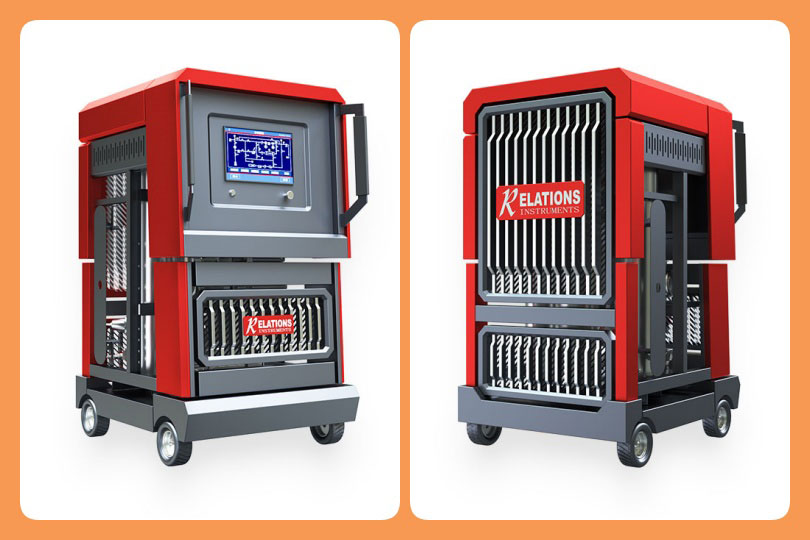
The system is housed in a semi-enclosed structure and operates via a full-color touchscreen interface. This allows for real-time monitoring of vacuum degrees, pressure, and optional gas quality metrics such as humidity and decomposition products.
Operational Workflow for GIS Maintenance
Maintenance teams utilizing these zero-emission solutions follow a strictly controlled process to ensure gas integrity. The workflow begins with the evacuation of the target equipment using the high-speed vacuum pump. Once the required vacuum level is achieved, the recovery phase utilizes negative pressure technology to pull gas through the purification tanks and distillation tower.
Inside the purification system, molecular sieves and high-precision filters remove moisture and solid particles. The distillation tower then performs deep purification to remove non-condensable gases. After the gas has been regenerated, it is either stored in the 300L internal tank or recharged back into the GIS compartment. The system’s independent heating and vaporization unit ensures that the recharging process remains efficient even when handling large volumes of liquid SF6.
Environmental and Economic Impact
The adoption of integrated purification and recharging technology provides significant financial and environmental returns. By restoring gas to high-purity standards on-site, utilities can avoid the high costs associated with the procurement of new SF6 and the environmental taxes linked to gas waste. Furthermore, these solutions provide quantifiable data for environmental, social, and governance (ESG) reporting, proving a commitment to zero-leakage operations.
Conclusion
SF6 zero-emission maintenance solutions for GIS gas compartment purification and recharging provide the technical foundation for modern high-voltage grid management. By combining high-capacity oil-free compression with advanced distillation and intelligent control systems, these devices ensure that GIS assets remain reliable while the power industry meets its 2026 carbon neutrality goals. The transition to these intelligent, closed-loop systems is a critical step for any organization focused on long-term infrastructure health and environmental stewardship.