SF6 Purity and Humidity Measurement for 500kV GIS Gas Recycling
Date
2026-02-03
sale@sf6gasdetector.com
Website
www.sf6gasdetector.com
Get Solutions And Quotes
SF6 Purity and Humidity Measurement for 500kV GIS Gas Recycling
As the global power grid evolves toward higher efficiency and stricter environmental accountability in 2026, the management of Sulfur Hexafluoride (SF6) has become a focal point for utility operators. In high-voltage environments, particularly within 500kV Gas-Insulated Switchgear (GIS), maintaining gas integrity is not merely a maintenance task—it is a critical safety and environmental mandate.
The integration of SF6 purity and humidity measurement for 500kV GIS gas recycling represents the pinnacle of modern substation diagnostics. By combining high-precision sensing with integrated gas recovery capabilities, the industry is moving away from “test and vent” practices toward a truly circular, zero-emission gas management model.
1. The Critical Role of SF6 Integrity in 500kV Systems
In 500kV GIS installations, SF6 serves as the primary dielectric medium and arc-quenching agent. At these extreme voltage levels, even minor deviations in gas quality can lead to catastrophic insulation failure. Two parameters are paramount: purity and humidity.
The Threat of Moisture (Humidity)
High humidity levels within a GIS chamber are the leading cause of internal flashovers. Moisture acts as a catalyst when combined with SF6 decomposition products, forming corrosive hydrofluoric acid (HF) and sulfur dioxide (SO2). This process degrades spacers and contacts, leading to long-term asset damage.
The Importance of Purity
SF6 purity directly correlates to dielectric strength. As purity levels drop—often due to air ingress or improper gas handling—the quenching capability of the gas during circuit breaker operation is compromised. In a 500kV system, where the energy levels of arcs are immense, maintaining purity above 99% is non-negotiable.
2. Advanced Diagnostic Technologies: Laser vs. Electrochemical
Modern analyzers for SF6 purity and humidity measurement for 500kV GIS gas recycling utilize a suite of sophisticated sensors to provide a comprehensive health profile of the gas.
Moisture Measurement: Laser-Based Precision
While traditional resistive-capacitive sensors remain common, 2026 standards often favor laser-based (TDLAS) humidity detection. Laser sensors offer a rapid response time (under 30 seconds) and high accuracy (+/- 1 degree Celsius in the critical -50 to +20 degree Celsius range). Unlike older technologies, laser sensors are not prone to “drift” caused by chemical exposure, making them ideal for long-term 500kV GIS monitoring.
Purity Measurement: Thermal Conductivity
Purity is typically measured via thermal conductivity (TC). Because SF6 has a vastly different thermal conductivity than air or nitrogen, the TC sensor can determine gas concentration with an accuracy of +/- 0.5%.
3. Integrated Recycling: Achieving Zero-Loss Testing
The most significant advancement in this technology is the “Zero-Loss” capability. Traditionally, the gas sampled for analysis was vented to the atmosphere. Given the high Global Warming Potential (GWP) of SF6, this is no longer acceptable.
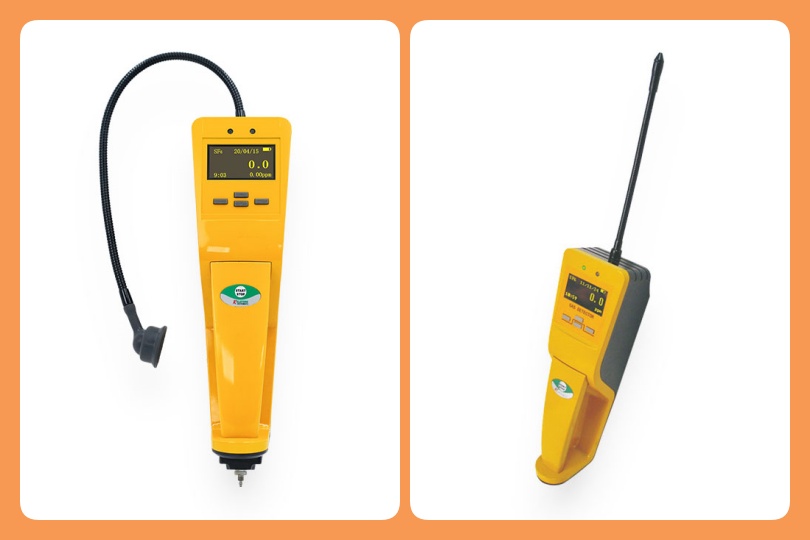
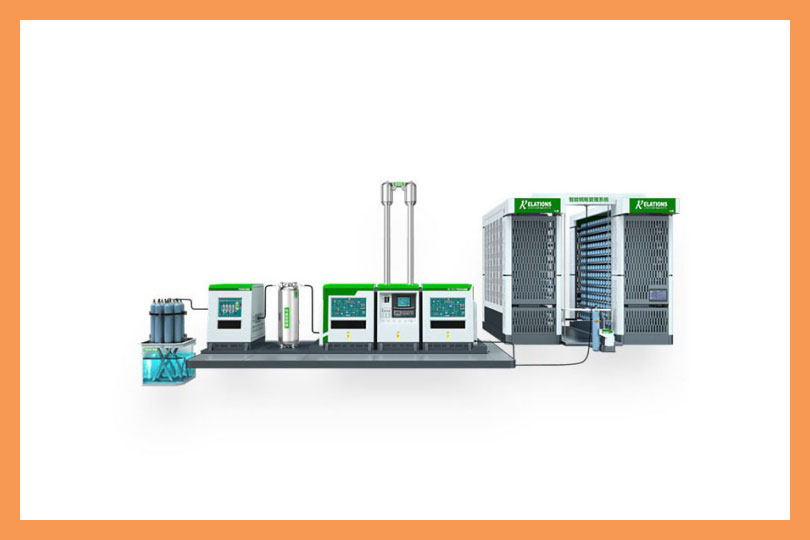
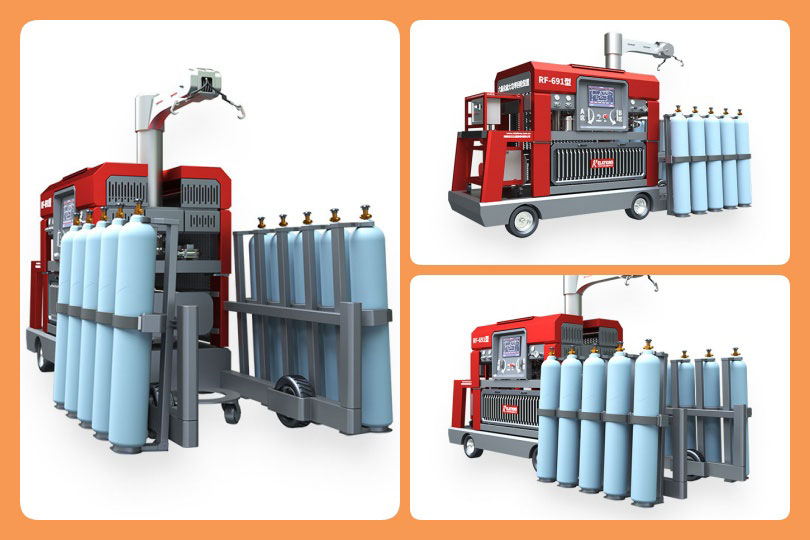
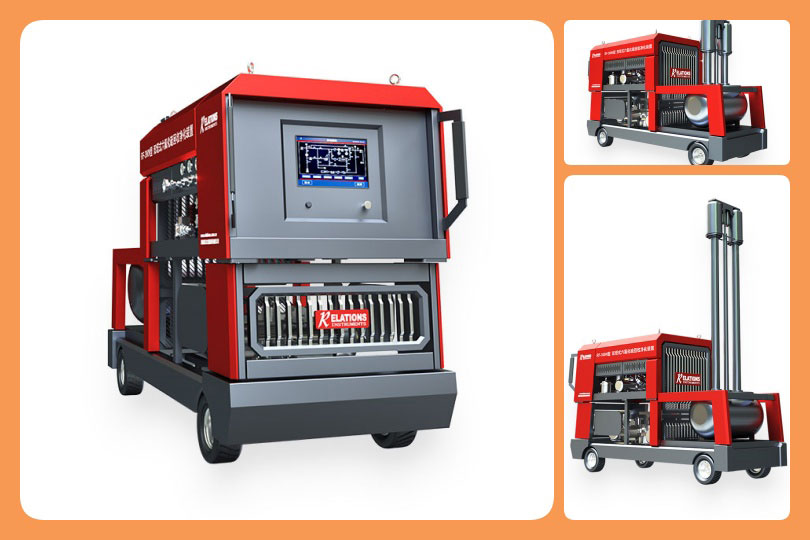
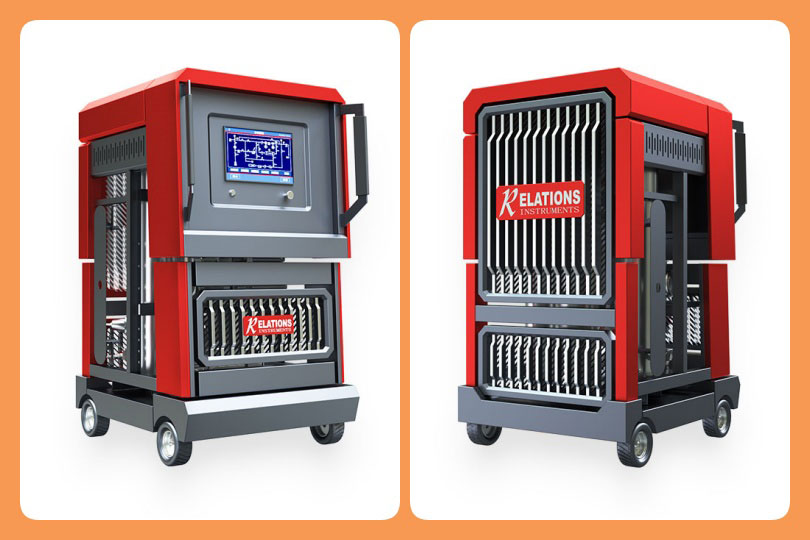
The latest SF6 purity and humidity measurement for 500kV GIS gas recycling instruments feature a built-in recovery and back-fill system.
-
Auto-Recycle: After the sensors complete the measurement, the sampled gas is pumped into an external storage container or a dedicated recovery bag.
-
Direct Back-fill: The device can press the gas back into the GIS chamber (up to 0.8 MPa), ensuring that the gas volume within the 500kV system remains constant.
4. Decomposition Product Analysis: Detecting Internal Faults
A SF6 gas comprehensive analyzer does more than check for air and water; it looks for the chemical signatures of internal arcing. The presence of decomposition products indicates that an internal fault may be developing.
-
Sulfur Dioxide (SO2): Electrochemical principle; Range 0-100 uL/L. Indicates arc-induced decomposition.
-
Hydrogen Sulfide (H2S): Electrochemical principle; Range 0-100 uL/L. Signifies internal moisture/purity issues.
-
Carbon Monoxide (CO): Electrochemical principle; Range 0-500 uL/L. Suggests degradation of organic insulation.
By utilizing the Expert Diagnosis System built into modern analyzers, technicians can instantly determine if the measured SO2 or H2S levels exceed the safety thresholds set by international standards (such as IEC or DL/T).
5. Technical Specifications for Professional Implementation
For substation managers, the performance of the diagnostic tool is defined by its ability to interface with high-pressure systems while maintaining mobility.
-
Input Pressure Range: 0.4 to 2 MPa (Compatible with high-pressure 500kV GIS)
-
Storage Capacity: Up to 10,000 data sets with USB export functionality
-
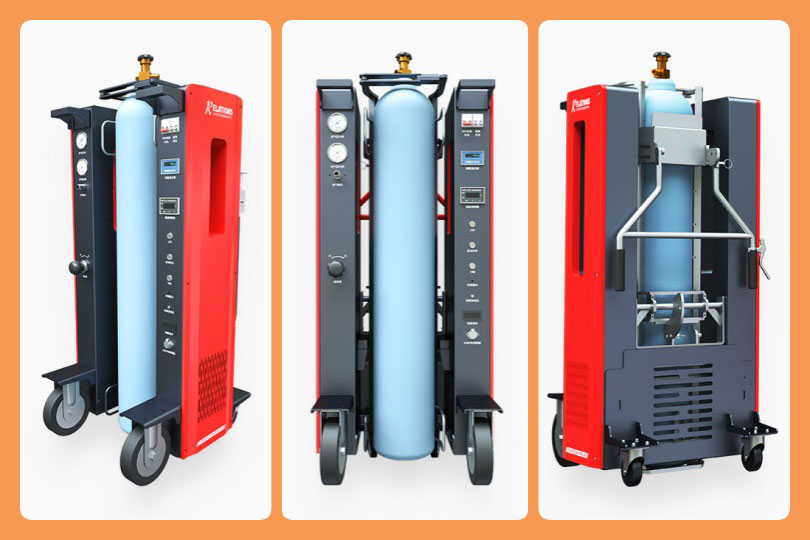
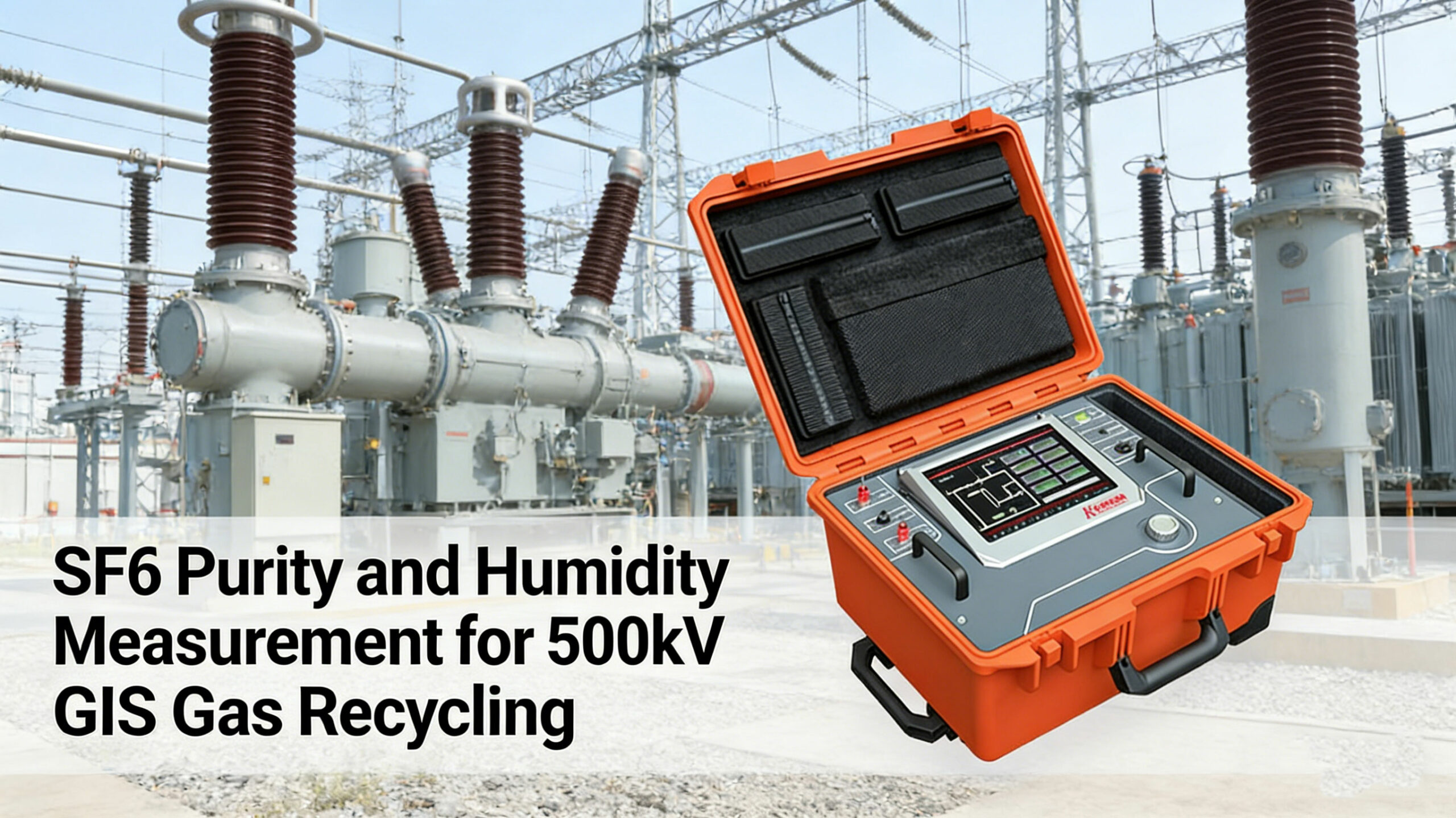
Portability: Trolley-case design with integrated wheels for easy movement within the substation yard
-
Efficiency: One-Click automatic measurement with a 150 mL/min flow rate to minimize testing time
6. Persuasive Case for Predictive Maintenance
Investing in high-end SF6 purity and humidity measurement for 500kV GIS gas recycling tools is a strategic economic decision.
-
Reduced Gas Procurement Costs: By recycling 100% of the sample gas, utilities eliminate the recurring cost of replacing vented gas.
-
Preventing Catastrophic Failure: Early detection of SO2 allows for “hotline” maintenance before a minor fault becomes a total station outage.
-
Regulatory Compliance: As carbon taxes and F-gas regulations tighten in 2026, verifiable zero-emission testing is a mandatory requirement for environmental audits.
Conclusion: The Gold Standard for 500kV Operations
The grid of 2026 demands a balance between absolute reliability and environmental stewardship. The integrated SF6 purity and humidity measurement for 500kV GIS gas recycling device provides exactly that. Through laser precision, multi-gas detection, and integrated recycling, it ensures that your 500kV assets remain at peak performance without sacrificing the health of our planet.