Portable SF6 Gas Service Cart for GIS Gas Recovery and Refilling
Date
2026-02-04
[email protected]
Website
www.sf6gasdetector.com
Get Solutions And Quotes
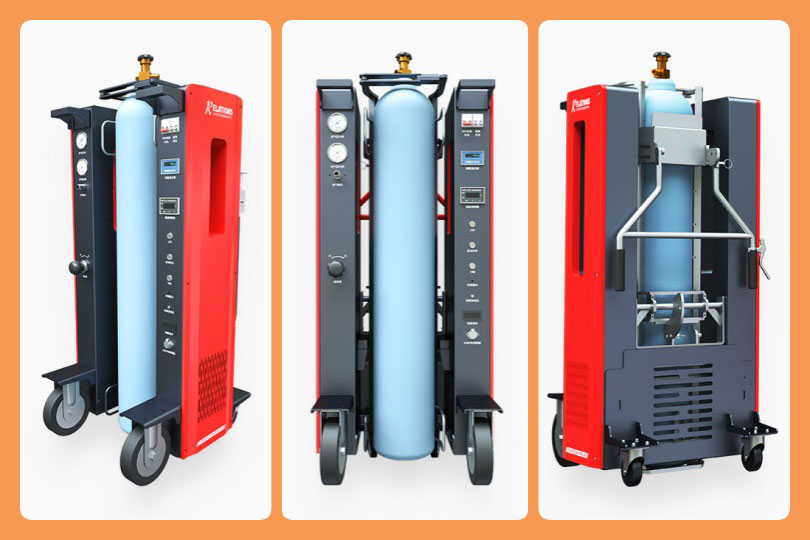
Portable SF6 Gas Service Cart for GIS Gas Recovery and Refilling
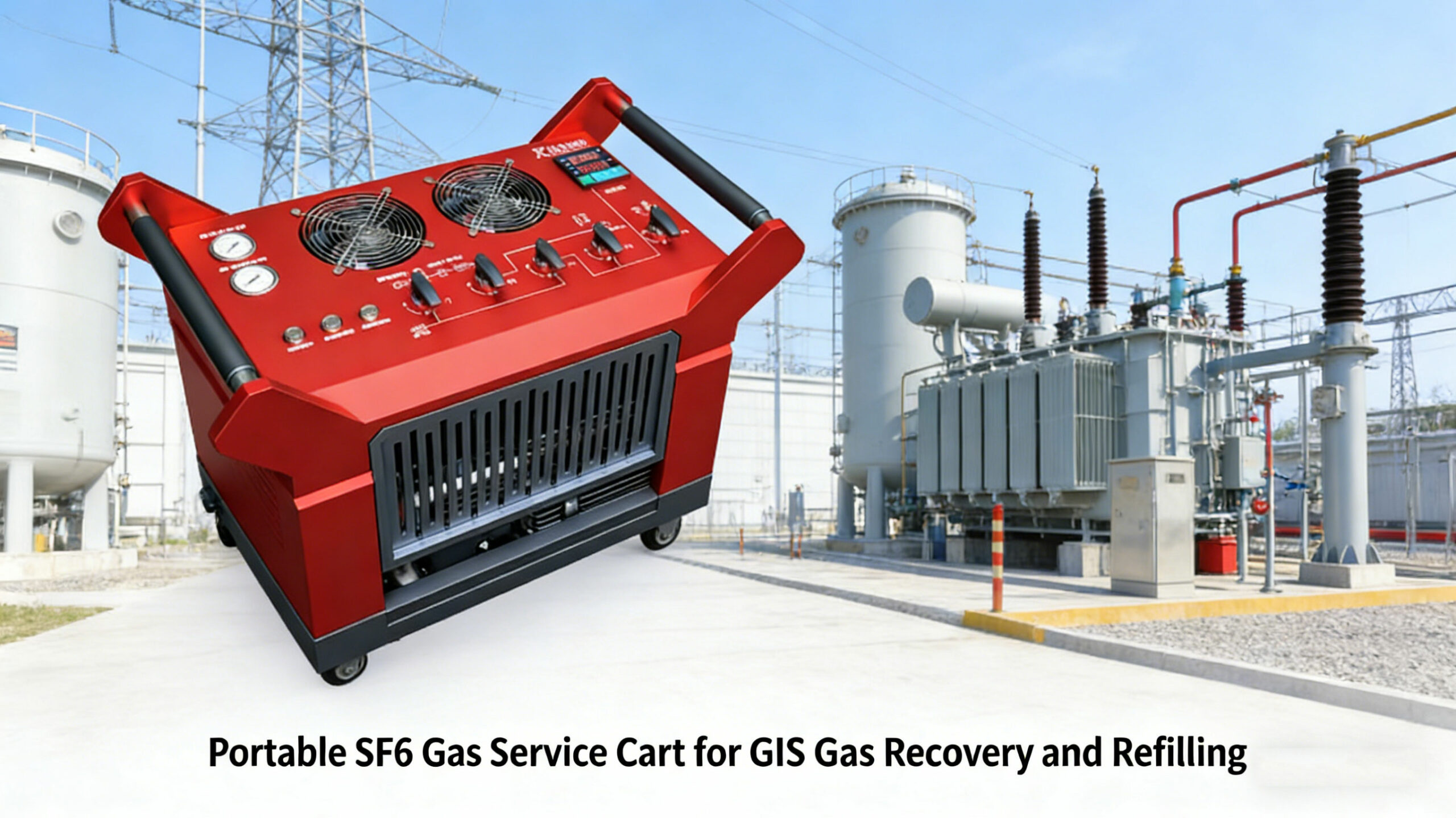
In the modern power distribution landscape, the flexibility of maintenance tools is as critical as their precision. While large-scale recovery plants are suitable for massive Ultra-High Voltage (UHV) substations, a significant portion of the grid relies on specialized, compact equipment. The portable SF6 gas service cart for GIS gas recovery and refilling has emerged as the definitive solution for power, metallurgy, and petrochemical industries requiring high-performance gas handling in space-constrained or high-mobility environments. This article examines the technical advantages, operational necessity, and environmental impact of utilizing micro-scale service carts for the lifecycle management of Sulfur Hexafluoride (SF6).
The Necessity of Portability in GIS Maintenance
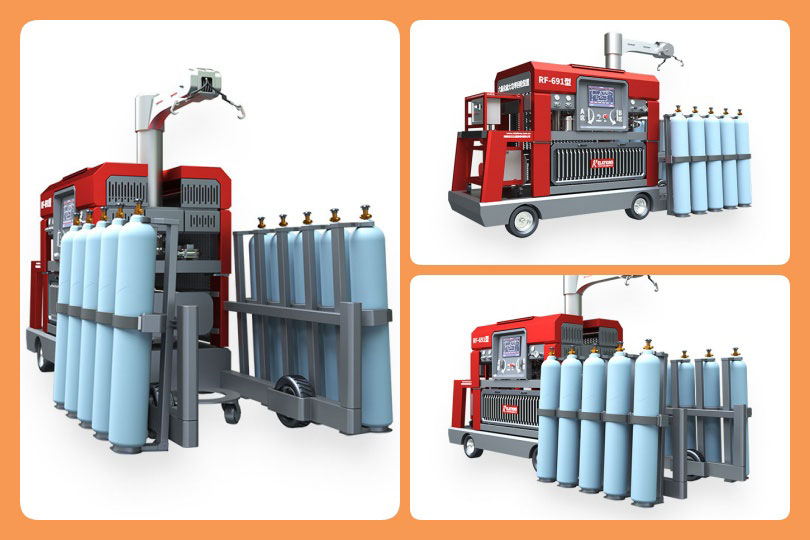
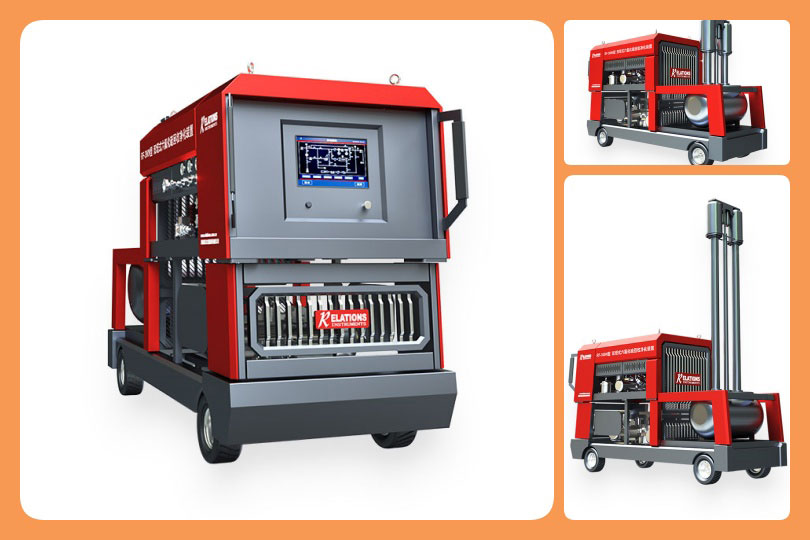
Gas-Insulated Switchgear (GIS) is often installed in locations where space is at a premium, such as underground substations, offshore wind platforms, or crowded industrial plants. In these scenarios, traditional truck-mounted recovery systems are impractical. The portable SF6 gas service cart for GIS gas recovery and refilling bridges the gap between manual handling and industrial-scale processing. By integrating vacuuming and recovery into a compact footprint, it allows technicians to perform essential maintenance without the logistical burden of heavy machinery, ensuring that special requirement job sites maintain the same safety and purity standards as major hubs.
Integrated Functionality: Vacuuming and Recovery
Despite its micro classification, a professional-grade portable service cart does not compromise on core capabilities. It serves two primary missions in the maintenance cycle. First, high-performance vacuuming is required before any SF6 refilling can occur to strip the GIS chamber of atmospheric air and moisture. The portable cart utilizes a high-performance, dual-stage oil-sealed vacuum pump with a pumping speed of 17 cubic meters per hour and an ultimate vacuum degree of 0.1 mbar or less. Second, efficient gas recovery is handled by a high-pressure, oil-free compressor. With a displacement of 4 cubic meters per hour and a final output pressure of 50 bar, the cart can compress SF6 into liquid form for storage in standard cylinders, ensuring gas is safely contained for future reuse.
Technical Innovations for Reliable Operation
What sets a premium portable SF6 gas service cart for GIS gas recovery and refilling apart are the safety and precision features built into its compact frame. The inlet is equipped with a built-in pipe pressure reducer, allowing the device to handle gas regardless of the initial pressure in the GIS. A high-precision filtration system captures moisture, decomposition products, and solid particles with a fineness of 1 micrometer or less. Furthermore, the use of self-sealing quick-connectors ensures that connections are leak-proof, while the compressor outlet features a pressure switch and a one-way check valve to prevent backflow and over-pressurization.
Key Technical Specifications
For procurement and engineering teams, specific parameters define the operational envelope of a high-quality portable unit. This includes a compressor displacement of 4 cubic meters per hour for rapid recovery and an ultimate vacuum of 0.1 mbar or less to ensure zero moisture contamination. The output pressure of 50 bar facilitates liquid storage, while forced air cooling eliminates the need for an external water source. Additionally, the unit is typically equipped with 10-meter recovery hoses and 3-meter refilling hoses to provide reach in difficult-to-access switchyards.
Industrial Applications: Beyond the Power Grid
While the primary use case is in the electrical utility sector, the portable SF6 gas service cart is a versatile tool across several industries. In metallurgy, it is used for managing SF6 in specialized furnace insulation and cooling processes. In the petrochemical industry, it services explosion-proof GIS installed in hazardous zones where equipment mobility is a safety requirement. It also facilitates small-scale gas transfers in research and high-voltage laboratories where space is limited.
Environmental Stewardship and Zero-Loss Goals
In an era of strict environmental oversight, SF6 emissions are a significant liability due to its high Global Warming Potential. Every kilogram recovered by a portable service cart instead of being vented is equivalent to saving over 23 tonnes of CO2. The portable cart facilitates the circular economy of gas management by recovering gas at the end of equipment life, purifying it to remove harmful byproducts, and storing it at high pressure for reuse, effectively neutralizing its environmental threat.
Operational Advantages: Ease of Use and Maintenance
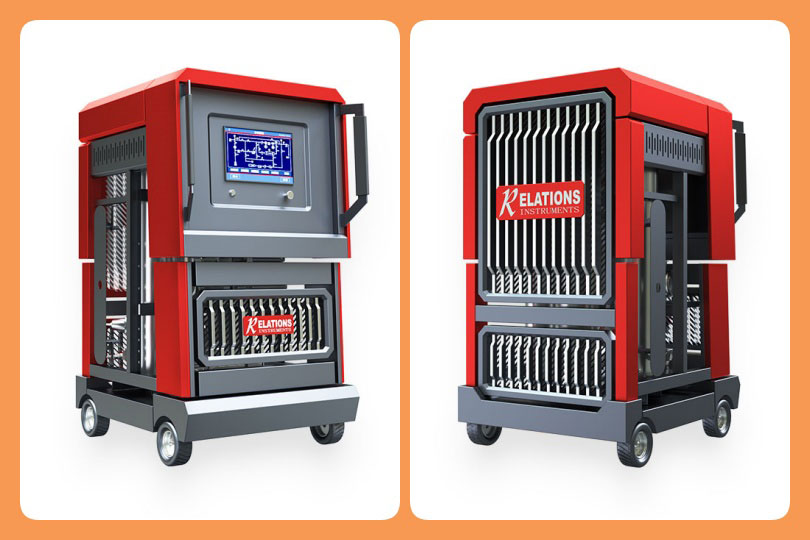
The design philosophy of the portable cart emphasizes the human-machine interface. Dual pressure gauges for the inlet and outlet allow for instant diagnosis of the recovery state. The modular layout ensures that vacuum pump oil can be checked and changed easily, and filter elements are accessible for rapid replacement. The compact steel frame provides the structural integrity needed to withstand the vibrations of transport and high-pressure compression while maintaining a professional appearance.
Conclusion: Maximizing Efficiency in Small Spaces
The portable SF6 gas service cart for GIS gas recovery and refilling is an indispensable asset for the modern electrical engineer. It proves that high-capacity performance can be condensed into a mobile, user-friendly package. By combining high-vacuum capabilities with high-pressure recovery and precision filtration, this micro-equipment ensures that even the most difficult-to-access GIS components receive world-class care. Investing in a portable service cart is a commitment to equipment longevity, operational safety, and global environmental responsibility.