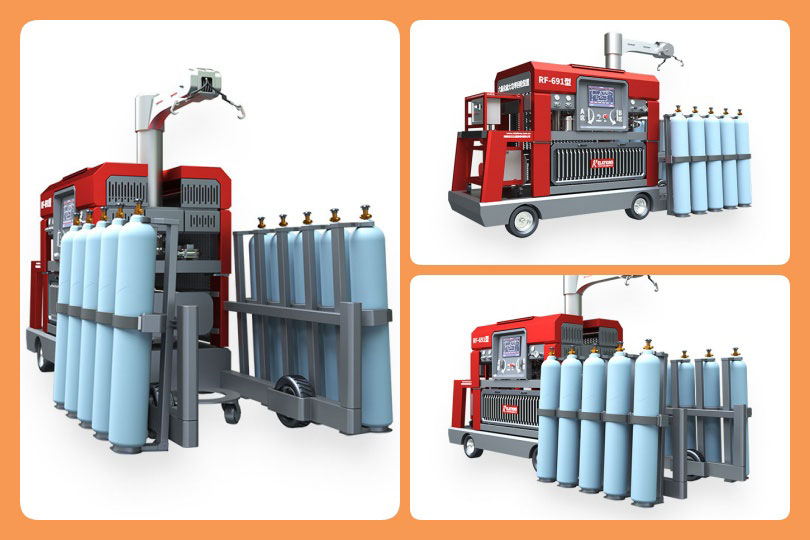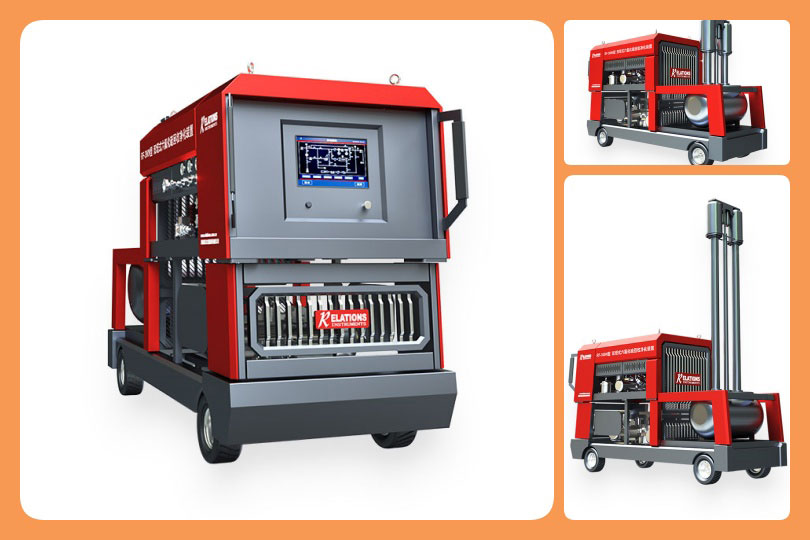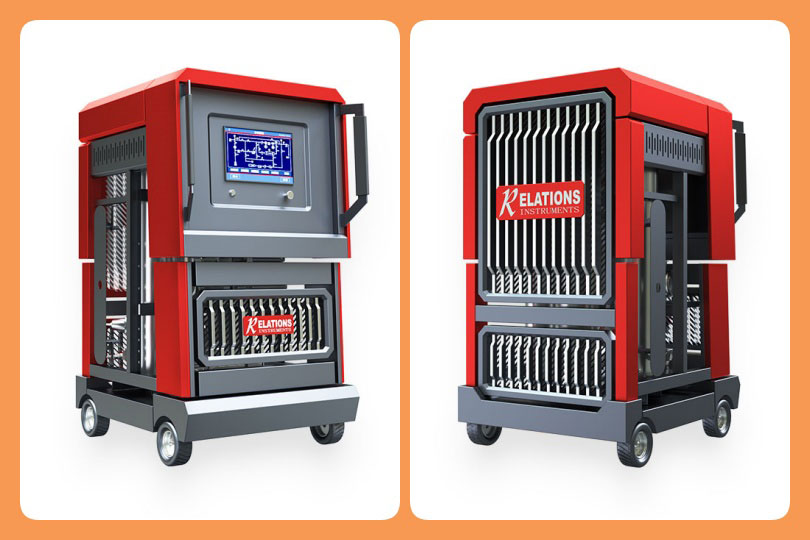
SF6 Gas Handling for GIS (Gas Insulated Switchgear) Manufacturer Plants
Date
2026-03-04
[email protected]
Website
www.sf6gasdetector.com
Get Solutions And Quotes
SF6 Gas Handling for GIS (Gas Insulated Switchgear) Manufacturer Plants
In the global push toward carbon neutrality and smart grid development, the role of Gas Insulated Switchgear (GIS) remains indispensable. However, as the production volume of GIS equipment grows, so does the responsibility for managing Sulfur Hexafluoride (SF6)—the most potent greenhouse gas currently in industrial use. For a high-capacity facility, implementing an advanced SF6 gas handling for GIS manufacturer plants system is no longer just a matter of operational efficiency; it is a critical component of Environmental, Social, and Governance (ESG) compliance and digital transformation.
Modern GIS manufacturing demands a shift from manual, fragmented gas handling to a unified, automated, and digitally-twinned ecosystem that ensures zero leakage, high-speed processing, and total gas reclamation.
1. The Industrial Challenge: Scaling SF6 Management
A large-scale GIS manufacturing plant handles thousands of kilograms of SF6 annually. During the production cycle—from primary filling and pressure testing to the final gas recovery of test units—the risk of emission and the cost of gas loss are significant. Traditional recovery devices are often too slow to match the throughput of a modern assembly line, leading to bottlenecks in production.
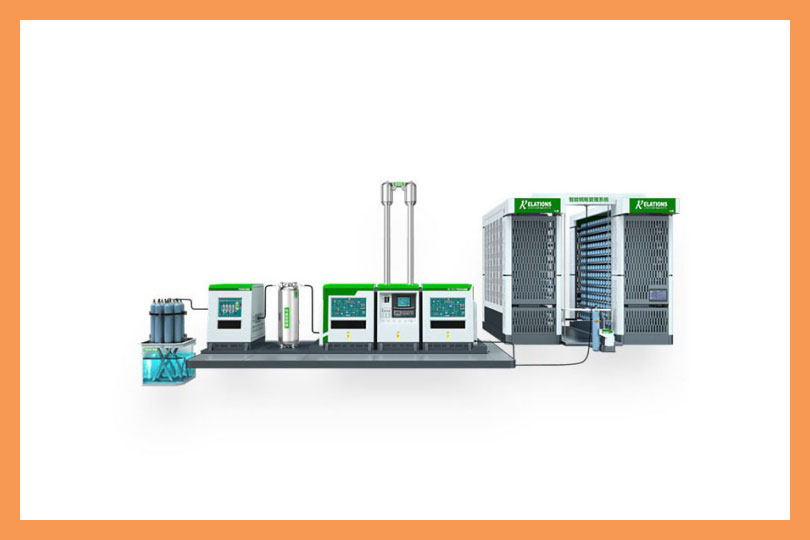
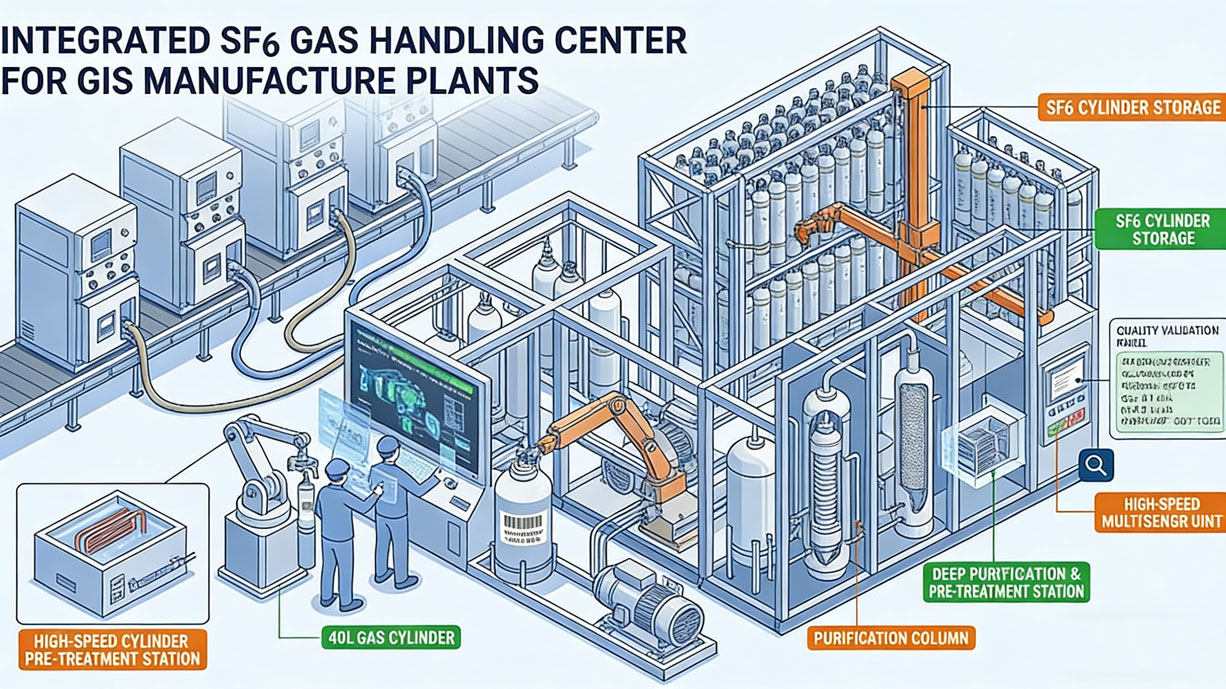
Advanced SF6 gas handling for GIS manufacturer plants addresses these bottlenecks by integrating high-capacity compression, automated cylinder logistics, and deep purification technologies into a closed-loop system. This ensures that gas used for testing is not just recovered, but regenerated to a quality that meets or exceeds GB/T 12022 standards for new gas.
2. Technical Pillars: Automation and Digital Twin Technology
The most significant advancement in modern handling systems is the integration of Digital Twin technology. By creating a real-time virtual replica of the handling center, plant managers can monitor the status of every valve, compressor, and gas cylinder.
Full-Process Automation
The “contactless” automated workflow includes:
-
Automatic Cylinder Handling: Utilizing robotic systems to move 40L cylinders between storage, heating, and filling stations.
-
Digital Storage: An intelligent warehouse capable of storing up to 380 cylinders, providing real-time tracking of gas volume and purity levels.
-
Remote Operation: All processes are managed via a 15-inch industrial touchscreen or remote control, removing personnel from the immediate vicinity of high-pressure filling operations.
3. High-Efficiency Pre-treatment and Recovery
Time is the primary cost in GIS manufacturing. Recovering gas from large compartments can take hours if not managed correctly.
Water-Bath Vaporization
The system includes a cylinder pre-treatment device using a 45kW water-bath heating system. By heating up to 12 cylinders simultaneously, the system prevents the “freezing” effect during high-speed vaporization, significantly increasing the gas recovery rate and ensuring that no residual liquid gas remains in the cylinders.
Fault Gas Pre-treatment
In manufacturing, some gas may become contaminated during experimental testing or failure analysis. The gas pre-treatment unit uses a specialized water-washing, alkali-washing, and cold-drying process. This removes toxic decomposition products (such as SO2 or HF) from “faulty” gas before it enters the main purification stream, protecting the high-end distillation components.
4. Deep Purification: Regeneration to New Gas Quality
The heart of the SF6 gas handling for GIS manufacturer plants is the deep purification and distillation unit. For gas to be reused in new GIS equipment, it must be stripped of oil, moisture, and air.
-
Purification and Rectification Columns: Using a 220L purification tank and a precision distillation tower, the system performs molecular-level separation.
-
Oil-Free Cooling: A 38 m3/h oil-free water-cooled compressor ensures that the gas is pressurized without introducing lubricant contaminants.
-
Liquid Filling: The system features high-speed liquid filling, capable of filling a 50kg SF6 load into a 40L cylinder in just 5 to 8 minutes.
5. Technical Specifications for Manufacturing Integration
For plant engineers designing a centralized gas facility, the following technical matrix provides the benchmark for high-performance handling:
| Parameter Name | Specification / Performance | Operational Advantage |
| Compression Capacity | 38 m3/h (Oil-free) | High-speed, contaminant-free recovery. |
| Ultimate Vacuum | 0.1 mbar (Vacuum Pump) | Ensures complete removal of air before filling. |
| Cylinder Storage | 380 cylinders at 40L | Centralized, digitized inventory control. |
| Gas Buffer Tank | 1000L, 50 bar | High-volume storage to balance production peaks. |
| Filling Rate | 5-8 min per 50kg cylinder | Maximizes throughput for assembly lines. |
| Control Interface | 15 inch Touchscreen / Remote | Reduces human error and increases safety. |
6. ESG Compliance: Toward Zero-Leakage Manufacturing
For GIS manufacturers, the environmental impact of SF6 is a major regulatory concern. Traditional recovery systems often leave a small percentage of gas in the equipment or the hoses.
Modern SF6 gas handling for GIS manufacturer plants utilizes vacuum compressors with a limit of 1 mbar, ensuring that practically 100% of the gas is reclaimed. Furthermore, the optional integrated sensors for purity, moisture, and decomposition products provide a digital “birth certificate” for the gas used in every GIS unit shipped.
7. Safety and Ergonomics
Handling thousands of high-pressure cylinders annually is a significant labor risk. The automated cylinder storage and retrieval system (AS/RS) eliminates the need for manual lifting and transport. The closed-loop design of the purification units ensures that technicians are not exposed to potentially toxic decomposition gases, while the mechanical refrigeration cooling system provides stable performance regardless of the plant’s ambient temperature.
8. Conclusion: Digitizing the Gas Supply Chain
As GIS manufacturers scale up to meet the demands of global electrification, the management of SF6 must move from the periphery to the center of the production strategy. A customizable modular SF6 gas handling for GIS manufacturer plants system, built on digital twins and automated logistics, provides the only path toward sustainable, high-volume production.
By investing in centralized, automated recovery and purification, GIS manufacturers can reduce gas procurement costs by over 90%, ensure 100% compliance with environmental standards, and significantly improve the safety and speed of their production lines.