Supplier Inquiry Portable SF6 Gas Recovery Machine for Power Distribution
Date
2026-07-08
[email protected]
Website
www.sf6gasdetector.com
Get Solutions And Quotes
Supplier Inquiry Portable SF6 Gas Recovery Machine for Power Distribution
For utilities, EPC contractors, and maintenance teams working on power distribution projects, a supplier inquiry portable SF6 gas recovery machine for power distribution projects is often the first step toward safer, cleaner, and more compliant handling of sulfur hexafluoride. Because SF6 is widely used as an insulating and arc-quenching gas in switchgear, ring main units, circuit breakers, and GIS equipment, proper gas recovery is essential during installation, commissioning, maintenance, decommissioning, and emergency repair. A professional SF6 gas recovery machine helps recover, evacuate, filter, store, and refill SF6 gas while reducing emissions and supporting international environmental and operational standards.
Why Portable SF6 Gas Recovery Matters in Power Distribution Projects
Power distribution networks increasingly require compact, mobile, and efficient gas handling equipment. Unlike large stationary recovery systems, a portable SF6 gas recovery machine is designed for field use, where maintenance crews may need to move between substations, outdoor switchyards, industrial distribution rooms, and renewable energy grid connection points.
SF6 has excellent dielectric performance, but it is also recognized as a high global warming potential gas. Therefore, responsible recovery and recycling are not only good engineering practice but also an important part of environmental compliance. In many regions, operators must follow requirements related to greenhouse gas control, leak prevention, gas inventory management, and safe maintenance procedures. Using certified recovery equipment helps reduce accidental emissions, protect personnel, and preserve valuable SF6 gas for reuse.
Core Advantages of an SF6 Gas Recovery Machine
High-Efficiency Gas Recovery and Reuse
A qualified SF6 gas recovery machine can recover gas from electrical equipment to a low residual pressure, depending on the model configuration and project requirements. This allows users to reclaim SF6 from switchgear compartments before inspection, repair, replacement, or disposal. Recovered gas can often be filtered and stored for future use, reducing the need for purchasing new gas and lowering total operating costs.
Portable Design for On-Site Maintenance
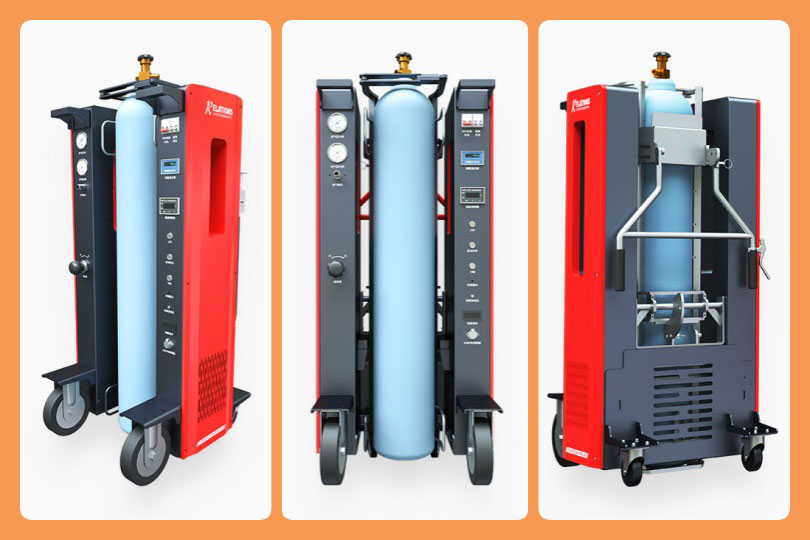
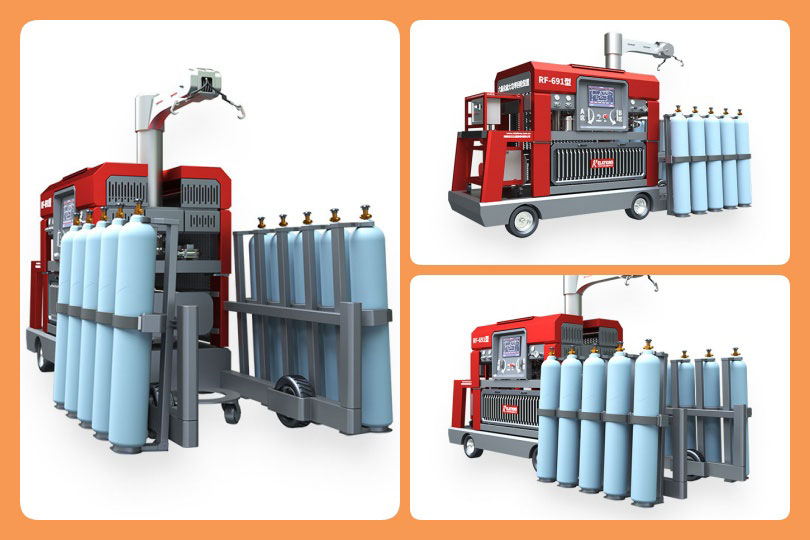
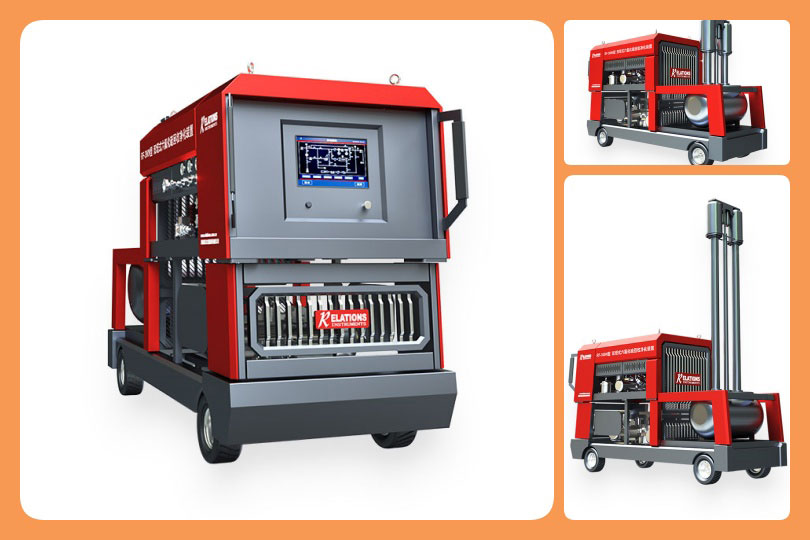
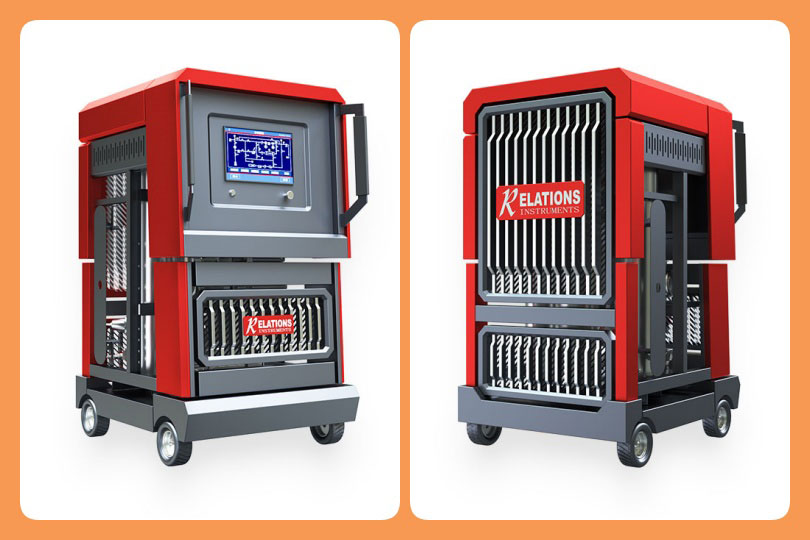
For distribution projects, mobility is a key purchasing factor. Portable units are typically mounted on a compact frame with wheels, handles, lifting points, or skid structures. This makes them suitable for confined substations, temporary construction sites, and routine service routes. A portable recovery machine can support fast deployment without requiring complex installation.
Integrated Vacuuming, Filtration, and Refilling
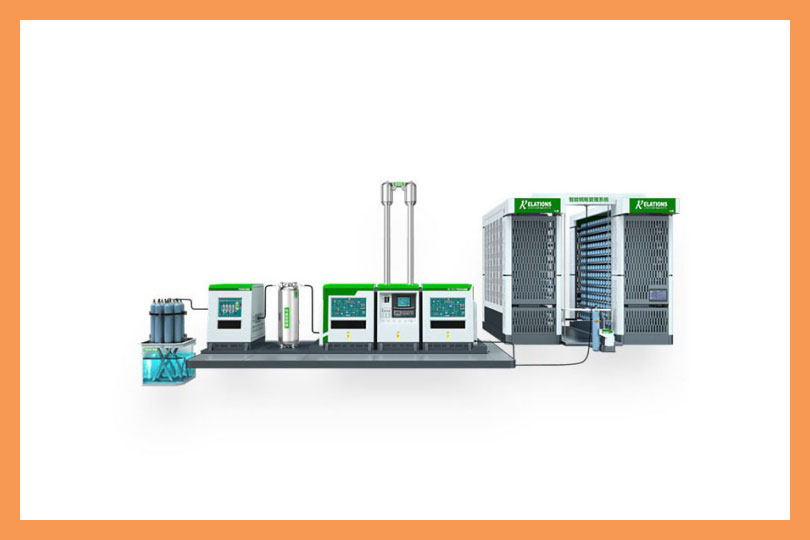
Modern SF6 recovery systems often integrate multiple functions in one unit, including gas recovery, vacuum pumping, drying, filtration, storage transfer, and gas refilling. Filtration modules may remove moisture, decomposition by-products, oil mist, and particles, helping maintain gas quality before reuse. This integrated design improves work efficiency and reduces the need for separate auxiliary equipment.
Improved Safety and Environmental Compliance
Reliable recovery equipment supports safer SF6 handling by using pressure control, automatic protection, sealing technology, and compatible hoses and valves. Proper operation should align with applicable standards such as IEC requirements for high-voltage switchgear gas handling, local environmental regulations, and site-specific electrical safety procedures. Operators should also use calibrated gas detectors, personal protective equipment, and approved recovery cylinders where required.
Typical Technical Parameters for Supplier Evaluation
When preparing a supplier inquiry portable SF6 gas recovery machine for power distribution projects, buyers should compare technical parameters carefully. The exact specifications may vary by manufacturer, but the following table provides common reference points for industrial procurement discussions.
| Parameter | Typical Range or Requirement | Procurement Consideration |
|---|---|---|
| Application | SF6 switchgear, RMU, GIS, circuit breakers | Confirm compatibility with equipment voltage class and gas volume |
| Recovery Function | Gas recovery to low residual pressure | Check final recovery pressure and recovery speed |
| Vacuum Pump Capacity | Model-dependent | Match evacuation performance to tank size and field schedule |
| Filtration System | Moisture, particles, acidic by-products, oil removal | Ask about filter type, replacement cycle, and gas quality improvement |
| Storage Method | External cylinder or integrated tank | Verify cylinder certification and pressure rating |
| Power Supply | Single-phase or three-phase options | Confirm site voltage and frequency before ordering |
| Mobility | Portable frame, wheels, lifting structure | Consider terrain, transport vehicle, and substation access |
| Control Mode | Manual, semi-automatic, or automatic | Select based on operator skill level and process consistency |
| Safety Protection | Pressure protection, overload protection, alarms | Essential for industrial operating reliability |
Key Application Scenarios in Power Distribution
Substation Installation and Commissioning
During new power distribution construction, SF6-filled switchgear and GIS compartments may require evacuation, pressure adjustment, and gas filling before energization. A portable SF6 gas recovery machine supports clean gas handling and helps ensure the equipment reaches the specified operating pressure and gas quality.
Routine Maintenance of Medium-Voltage Switchgear
Distribution operators often perform periodic inspection, leakage checks, and component replacement on SF6-insulated equipment. Before opening any gas compartment, SF6 must be safely recovered into suitable cylinders or storage tanks. Portable recovery equipment allows technicians to complete maintenance while minimizing gas loss.
Emergency Repair and Leak Response
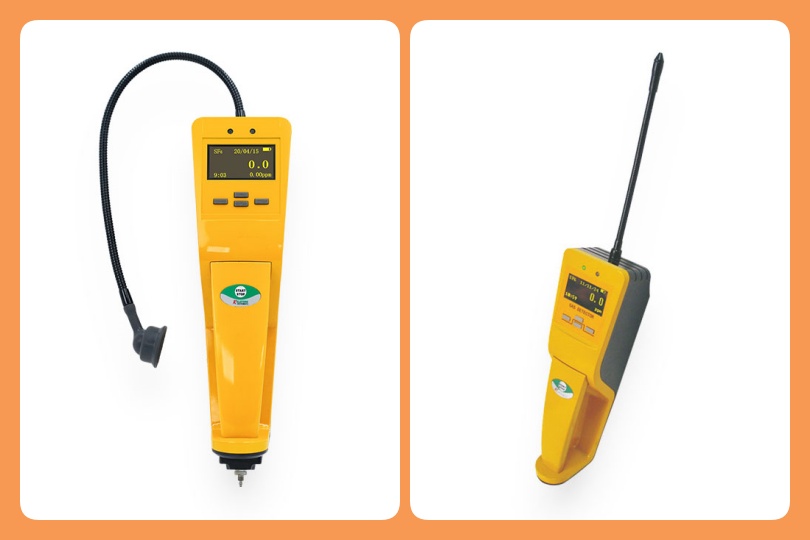
When a leak is detected in a ring main unit, circuit breaker, or compact GIS system, fast response is critical. A mobile SF6 recovery unit can be transported to the site to recover remaining gas, reduce emissions, and prepare the equipment for safe repair. Combining the recovery machine with an SF6 gas detector can improve diagnosis and response accuracy.
Equipment Replacement and Decommissioning
As older distribution assets are replaced, SF6 gas must be removed and handled responsibly before dismantling. Recovery machines support end-of-life gas collection and help utilities document proper environmental management. This is especially important for organizations following corporate sustainability and emissions reduction programs.
Purchasing Guide: How to Make a Professional Supplier Inquiry
A well-prepared supplier inquiry helps manufacturers recommend the correct model and configuration. When requesting a quotation for a supplier inquiry portable SF6 gas recovery machine for power distribution projects, include practical project details rather than asking only for a generic price.
1. Define the Equipment and Gas Volume
List the types of electrical assets involved, such as RMU, GIS, load break switch, or circuit breaker. Provide the approximate SF6 gas volume per unit and the number of units to be serviced. This allows the supplier to estimate the required recovery capacity, vacuum performance, and storage method.
2. Confirm Site Power Conditions
Different countries and projects may use different power supplies, such as 220V single-phase or 380V/400V three-phase. Confirm voltage, frequency, plug type, and whether a generator may be used on-site. This avoids compatibility issues during commissioning.
3. Specify Required Functions
Some buyers need only recovery and filling, while others require vacuuming, purification, drying, weighing, automatic control, or gas quality monitoring. Clearly define whether the SF6 gas recovery machine should include a compressor, vacuum pump, filter system, pressure gauges, digital display, or automatic shut-off features.
4. Review Certifications and Compliance
Ask the supplier about manufacturing quality control, pressure component compliance, electrical safety, and documentation. Industrial users may need operation manuals, test reports, packing lists, calibration certificates, and maintenance instructions. For international projects, confirm export packaging, shipping documentation, and after-sales service support.
5. Consider Total Lifecycle Cost
The purchase price is only one part of the decision. Evaluate filter replacement cost, spare parts availability, training requirements, recovery efficiency, service life, and supplier technical support. A durable and efficient unit may reduce SF6 losses and maintenance downtime, creating better long-term value.
Operational Best Practices for Safe SF6 Recovery
Operators should be trained before using any SF6 gas recovery machine. Work should follow the manufacturer’s operating manual, lockout-tagout procedures, and local electrical safety rules. Before recovery begins, technicians should inspect hoses, couplings, seals, valves, cylinders, and pressure gauges. Gas cylinders must be rated for SF6 service and handled according to applicable pressure vessel and transport regulations.
It is also recommended to monitor gas leakage during connection and disconnection. Moisture and decomposition products should be managed carefully, particularly after equipment faults or arcing events. Used filters and contaminated materials should be disposed of in accordance with environmental and workplace safety requirements.
Frequently Asked Questions
What is an SF6 gas recovery machine used for?
An SF6 gas recovery machine is used to recover, evacuate, filter, store, and refill sulfur hexafluoride gas from electrical equipment such as switchgear, GIS, circuit breakers, and ring main units. It helps reduce emissions and supports safe maintenance practices.
Why choose a portable SF6 recovery unit for distribution projects?
Portable units are easier to transport between substations and field locations. They are suitable for maintenance teams that service multiple sites and need flexible, on-site SF6 handling without installing a fixed recovery system.
Can recovered SF6 gas be reused?
Recovered SF6 can often be reused if it meets the required quality criteria after filtration and testing. Gas quality should be evaluated based on moisture content, purity, acidity, and decomposition by-products according to applicable standards and equipment manufacturer requirements.
What information should be included in a supplier inquiry?
A professional inquiry should include equipment type, gas volume, recovery speed expectations, site power supply, required functions, mobility needs, documentation requirements, destination country, and after-sales support expectations.
How does an SF6 recovery machine support environmental compliance?
By recovering and storing SF6 instead of venting it into the atmosphere, the machine helps reduce greenhouse gas emissions. It also supports gas inventory control, leak management, and responsible lifecycle handling of insulated electrical equipment.
Conclusion: Selecting the Right SF6 Recovery Partner
Choosing the right SF6 gas recovery machine is a practical investment for power distribution reliability, environmental responsibility, and maintenance efficiency. For utilities, contractors, and industrial facility managers, the best solution should combine portable design, stable recovery performance, effective filtration, safe operation, and responsive technical support.
If your team is preparing a supplier inquiry portable SF6 gas recovery machine for power distribution projects, professional engineering guidance can help match equipment specifications to real site conditions. For free consultations, customized on-site solutions, or one-on-one technical support, contact [email protected] to discuss your project requirements with an experienced industrial equipment team.