What Vacuum Level and Pressure Performance Are Required for Reliable SF6 Transfer?
Date
2026-07-16
[email protected]
Website
www.sf6gasdetector.com
Get Solutions And Quotes
What Vacuum Level and Pressure Performance Are Required for Reliable SF6 Transfer?
Reliable SF6 transfer depends on two measurable performance factors: how deeply the system can be evacuated and how safely it can pressurize, recover, and move gas between equipment, cylinders, and storage tanks. In field practice, the required vacuum level and pressure performance are not just specification numbers on an SF6 Vacuum Pumping Device; they directly determine gas purity, moisture control, recovery efficiency, equipment safety, and compliance with environmental handling requirements. For utilities, substations, GIS manufacturers, and high-voltage maintenance teams, understanding these numbers helps prevent insulation failures, gas losses, and non-compliant SF6 emissions.
Why Vacuum Level Matters in SF6 Gas Handling
SF6 gas is widely used in gas-insulated switchgear, circuit breakers, and high-voltage electrical equipment because of its excellent dielectric strength and arc-quenching capability. However, SF6 performance is sensitive to contamination from air, moisture, and decomposition by-products. Before filling or refilling electrical equipment, the gas compartment must be evacuated to remove air and water vapor.
A proper vacuum level ensures that the internal tank or gas chamber is clean, dry, and ready for SF6 filling. If the vacuum is insufficient, residual air and moisture remain inside the equipment. This can reduce insulation strength, increase the risk of partial discharge, and shorten equipment service life.
In practical terms, a reliable SF6 transfer operation usually requires a vacuum level in the range of 1 mbar to below 0.1 mbar, depending on the application, equipment manufacturer requirements, and field conditions.
Typical Vacuum and Pressure Parameters for SF6 Transfer
The following table summarizes common field parameters used when selecting and operating an SF6 Vacuum Pumping Device.
| Parameter | Typical Requirement | Field Meaning |
|---|---|---|
| Final vacuum level | ≤ 1 mbar, often ≤ 0.1 mbar for critical equipment | Indicates how much air and moisture have been removed before SF6 filling |
| Vacuum pump capacity | 20–200 m³/h or higher | Determines how quickly GIS compartments or tanks can be evacuated |
| SF6 recovery pressure | Down to near vacuum or specified residual pressure | Shows how much SF6 can be recovered from equipment before maintenance |
| Filling pressure | Usually according to equipment nameplate, often 0.3–0.7 MPa | Ensures correct insulation pressure for operation |
| Maximum operating pressure | Commonly 0.8–1.0 MPa or customized | Defines safe upper pressure limit for transfer and storage |
| Compressor capacity | Application-dependent | Affects SF6 transfer speed and recovery efficiency |
| Leak rate | As low as practically achievable | Reduces SF6 losses and supports environmental compliance |
| Filtration accuracy | Moisture, oil, particles, decomposition products | Protects gas quality during recovery and reuse |
These values may vary depending on IEC standards, OEM specifications, national regulations, and the design pressure of the electrical equipment. Field teams should always confirm the rated pressure and gas handling procedure before operation.
What Does “Vacuum Level” Mean in Field Practice?
Vacuum level describes how much gas remains in a sealed compartment after evacuation. The lower the pressure, the deeper the vacuum. In SF6 service work, vacuum is typically measured in mbar, Pa, Torr, or microns.
Common Vacuum Unit Conversions
| Vacuum Unit | Approximate Equivalent |
|---|---|
| 1 mbar | 100 Pa |
| 0.1 mbar | 10 Pa |
| 1 Torr | 1.333 mbar |
| 1 micron | 0.001 Torr |
| Atmospheric pressure | About 1013 mbar |
For example, evacuating a GIS gas compartment to 1 mbar means most air has been removed, but some residual gas and moisture may still remain. Evacuating to 0.1 mbar or lower provides a cleaner and drier condition, which is often preferred for high-voltage or moisture-sensitive equipment.
Recommended Vacuum Levels for Different SF6 Applications
Different SF6 handling tasks require different evacuation performance. A small medium-voltage compartment may not require the same pump capacity as a large GIS bay, but it still requires controlled moisture removal and leak-tight transfer.
| Application Scenario | Recommended Vacuum Level | Practical Purpose |
|---|---|---|
| New GIS installation | ≤ 0.1 mbar | Removes air and moisture before first SF6 filling |
| Routine maintenance refill | ≤ 1 mbar or OEM requirement | Ensures stable insulation after service |
| SF6 gas recovery before repair | Recover to specified residual pressure | Minimizes emissions and gas loss |
| Cylinder evacuation before reuse | ≤ 1 mbar | Prevents contamination of recovered SF6 |
| High-voltage testing preparation | ≤ 0.1 mbar | Supports reliable dielectric performance |
| Emergency gas transfer | Application-dependent | Prioritizes safe recovery and controlled storage |
For large substations or GIS maintenance projects, a high-capacity SF6 Vacuum Pumping Device can significantly reduce downtime by accelerating evacuation, recovery, and refilling.
Pressure Performance Required for Reliable SF6 Transfer
Pressure performance is equally important because SF6 must be moved safely from one vessel to another. During recovery, the equipment may be under pressure, while the receiving cylinder or storage tank may require compression. During filling, SF6 must be delivered at the exact rated pressure specified by the switchgear manufacturer.
Key Pressure Capabilities to Evaluate
An industrial SF6 Vacuum Pumping Device should offer stable pressure control, accurate gauges, safety protection, and suitable compressor capacity. The equipment should support recovery from pressurized compartments, transfer into cylinders or tanks, and controlled refilling without overpressure.
| Pressure Function | Why It Matters |
|---|---|
| Recovery pressure control | Prevents uncontrolled gas release and improves recovery rate |
| Filling pressure regulation | Ensures equipment is filled to correct rated density |
| Overpressure protection | Protects operators, cylinders, hoses, and switchgear |
| Pressure gauge accuracy | Supports repeatable field operation |
| Storage tank compatibility | Allows safe temporary gas storage during maintenance |
| Automatic shutoff | Reduces operational risk and human error |
In field practice, pressure is not only about “how high” the device can go. It is about how accurately and safely pressure can be controlled throughout the SF6 transfer process.
How Vacuum and Pressure Affect SF6 Gas Quality
Poor vacuum performance may leave oxygen, nitrogen, or water vapor inside the gas compartment. Poor pressure control may cause overfilling, underfilling, or unnecessary SF6 release. Both issues can affect gas density, dielectric strength, and long-term equipment reliability.
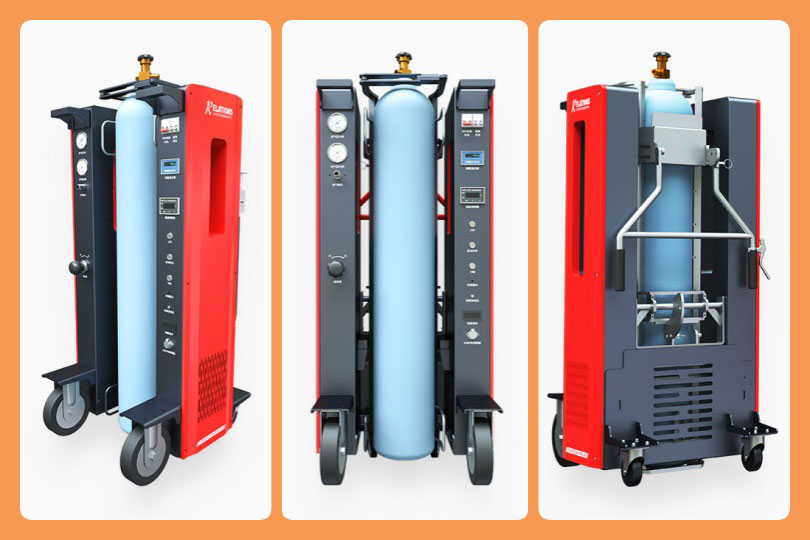
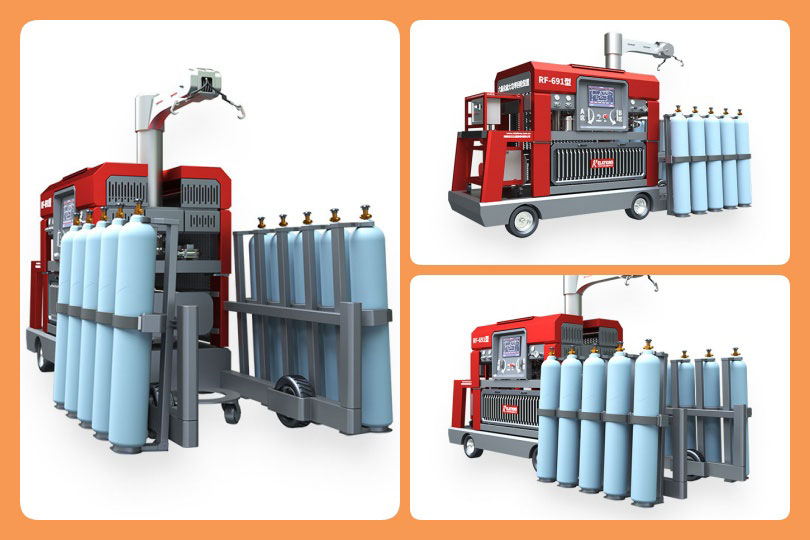
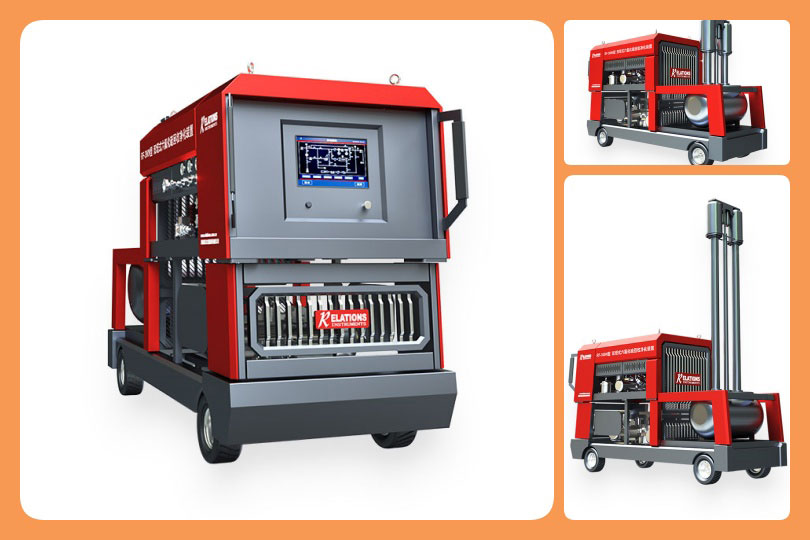
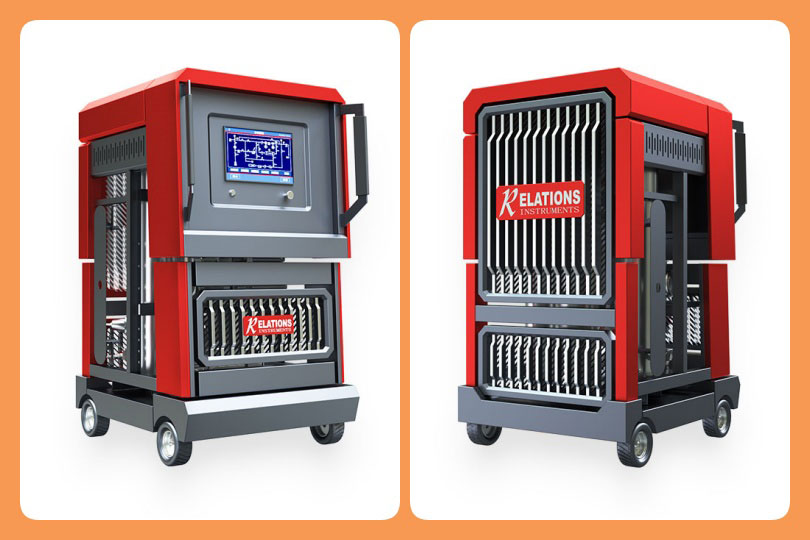
A professional SF6 gas handling process normally includes evacuation, leak checking, filtration, recovery, gas storage, and controlled refilling. Many advanced SF6 Vacuum Pumping Device systems include filters, dryers, compressors, vacuum pumps, weighing systems, and digital monitoring to support gas reuse and environmental compliance.
For projects requiring customized vacuum capacity, recovery speed, or pressure configuration, users can request engineering support via free SF6 transfer consultation.
Key Application Scenarios for SF6 Vacuum Pumping Devices
GIS Installation and Commissioning
During new GIS installation, the gas compartment must be evacuated before SF6 filling. A deep vacuum reduces residual air and moisture, helping the equipment reach rated insulation performance. High-capacity vacuum pumps are preferred for large-volume compartments.
Circuit Breaker Maintenance
Before opening an SF6 circuit breaker, the gas should be recovered into a cylinder or storage tank. The SF6 Vacuum Pumping Device helps recover gas, filter impurities, evacuate the chamber, and refill the breaker after maintenance.
SF6 Gas Recovery and Reuse
Because SF6 is a regulated greenhouse gas, recovery and reuse are essential. A reliable recovery unit reduces emissions and supports compliance with international environmental practices. Filtration and moisture removal help improve gas quality for reuse where permitted by applicable standards.
Factory Testing and Gas Filling
Manufacturers of high-voltage electrical equipment use SF6 vacuum and filling systems for production testing, final filling, and quality assurance. Stable vacuum and pressure performance improves consistency across multiple units.
Purchasing Guide: How to Choose the Right SF6 Vacuum Pumping Device
Selecting the right equipment requires matching technical performance with actual field tasks. The lowest-cost device may not provide sufficient vacuum depth, recovery speed, or long-term reliability for professional SF6 service.
Core Selection Criteria
| Buying Factor | Recommended Evaluation |
|---|---|
| Required final vacuum | Confirm whether ≤ 1 mbar or ≤ 0.1 mbar is needed |
| Gas compartment volume | Larger GIS systems need higher pumping capacity |
| Recovery speed | Important for reducing outage time |
| Maximum pressure rating | Must match cylinders, tanks, and equipment requirements |
| Filtration system | Check moisture, oil, particle, and decomposition filtering |
| Automation level | Automatic weighing, shutoff, and alarm functions improve safety |
| Mobility | Wheels, lifting points, and compact frames help field operation |
| Standards compliance | Consider IEC practices, local SF6 handling rules, and safety codes |
| After-sales support | Training, spare parts, and calibration support are important |
For substations, EPC contractors, and OEM production lines, it is often better to specify the application first and then select the pump size, compressor, storage method, and control system. To receive a tailored configuration, contact engineers for a customized on-site SF6 handling solution.
Operational Best Practices for Safe SF6 Transfer
Field operators should follow written procedures, use calibrated instruments, and verify all hose connections before starting transfer. Cylinders must be approved for SF6 service and never overfilled. The system should be leak-tested, and personnel should use appropriate personal protective equipment when working around gas compartments or decomposition by-products.
SF6 should not be intentionally vented. Recovery equipment should be used whenever gas is removed from electrical apparatus. Operators should also maintain records of gas quantity, recovery volume, filling pressure, and maintenance actions to support regulatory audits and asset management.
Frequently Asked Questions About SF6 Vacuum and Pressure Performance
What vacuum level is required before filling SF6?
For many field operations, a vacuum level of ≤ 1 mbar is acceptable, but critical high-voltage equipment often requires ≤ 0.1 mbar or the level specified by the equipment manufacturer. The goal is to remove air and moisture before SF6 filling.
Is a deeper vacuum always better?
A deeper vacuum generally improves moisture and air removal, but the required level should match the equipment design and manufacturer procedure. Excessive evacuation time may not provide practical benefits if the system is already within specification.
What pressure should SF6 equipment be filled to?
SF6 filling pressure must follow the nameplate or OEM manual. It commonly falls within a defined range based on gas density, temperature compensation, and rated operating conditions. Operators should not rely on guesswork.
Why does recovery pressure matter?
Recovery pressure determines how much SF6 remains in the equipment after gas removal. Lower residual pressure means higher recovery efficiency and reduced emissions.
Can recovered SF6 be reused?
Recovered SF6 may be reused if it meets applicable purity, moisture, acidity, and decomposition product limits. Proper filtering, drying, and testing are necessary before reuse.
How do I size an SF6 Vacuum Pumping Device?
Sizing depends on gas compartment volume, target vacuum level, recovery time, transfer distance, storage method, and required automation. For one-on-one equipment selection guidance, request support at [email protected].
Final Thoughts
The vacuum level and pressure performance required for reliable SF6 transfer are practical indicators of safety, gas quality, environmental compliance, and maintenance efficiency. In most professional applications, achieving ≤ 1 mbar—and often ≤ 0.1 mbar for critical systems—helps ensure proper evacuation before filling. At the same time, stable pressure control, recovery capability, filtration, and overpressure protection are essential for safe SF6 handling. Choosing the right SF6 Vacuum Pumping Device allows field teams to reduce downtime, protect high-voltage assets, and manage SF6 responsibly throughout its service life.