Rent or Buy a Portable SF6 Recovery System? Cost, Lead Time & Support
Date
2026-07-16
[email protected]
Website
www.sf6gasdetector.com
Get Solutions And Quotes
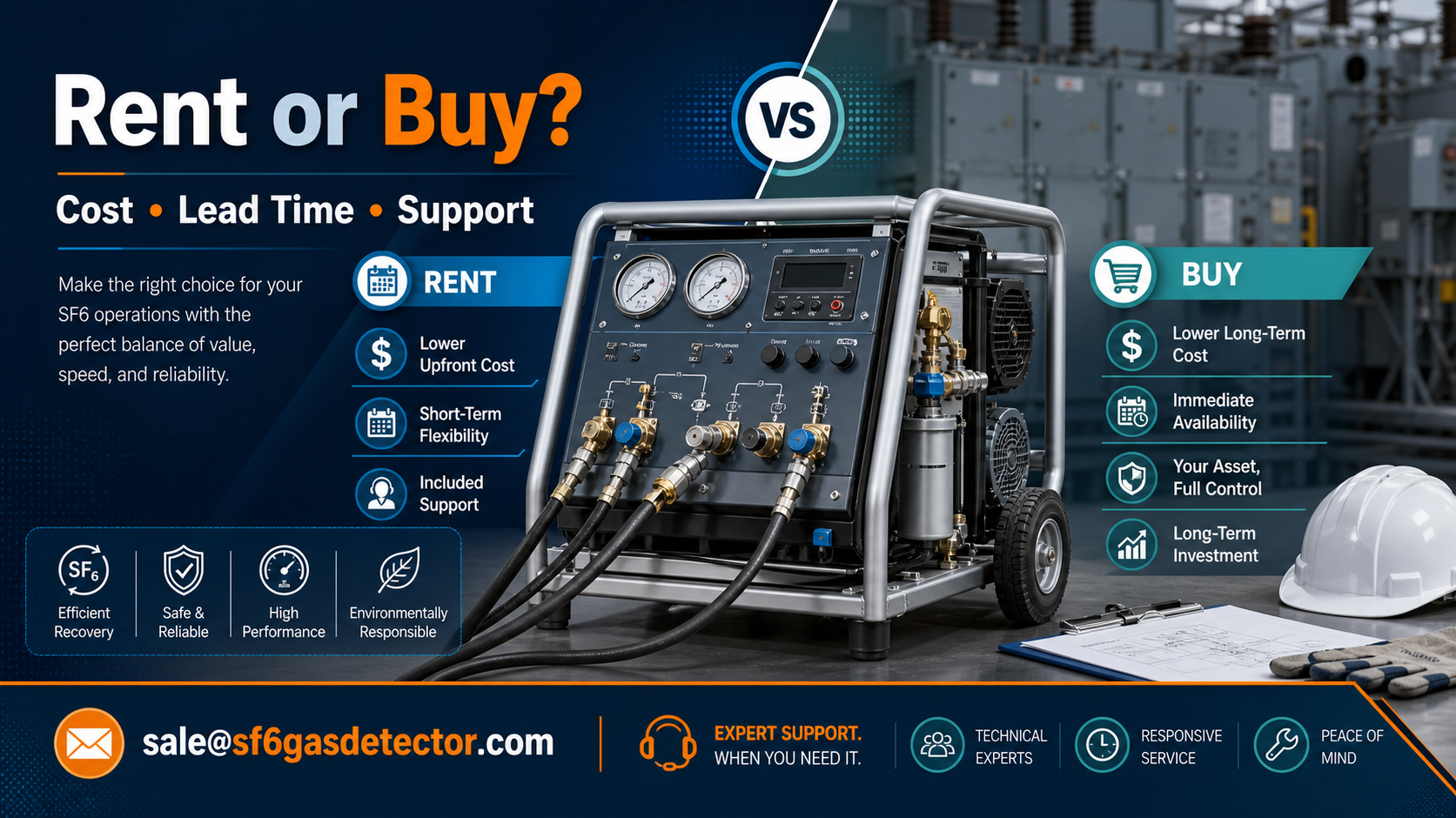
Rent or Buy a Portable SF6 Recovery System? Cost, Lead Time & Support
For utilities, electrical contractors, and high-voltage maintenance teams, deciding whether to rent or buy a portable SF6 recovery system is a practical business decision that affects project cost, mobilization speed, regulatory compliance, and long-term service capability. Sulfur hexafluoride (SF6) remains widely used in gas-insulated switchgear, circuit breakers, and GIS substations because of its excellent insulation and arc-quenching performance. However, SF6 is also a regulated greenhouse gas, so recovery, recycling, evacuation, and gas handling must be performed with reliable equipment and trained procedures. This article explains the key tradeoffs in cost, lead time, and support to help asset owners and contractors choose the right approach.
Why Portable SF6 Recovery Systems Matter in Modern Grid Maintenance
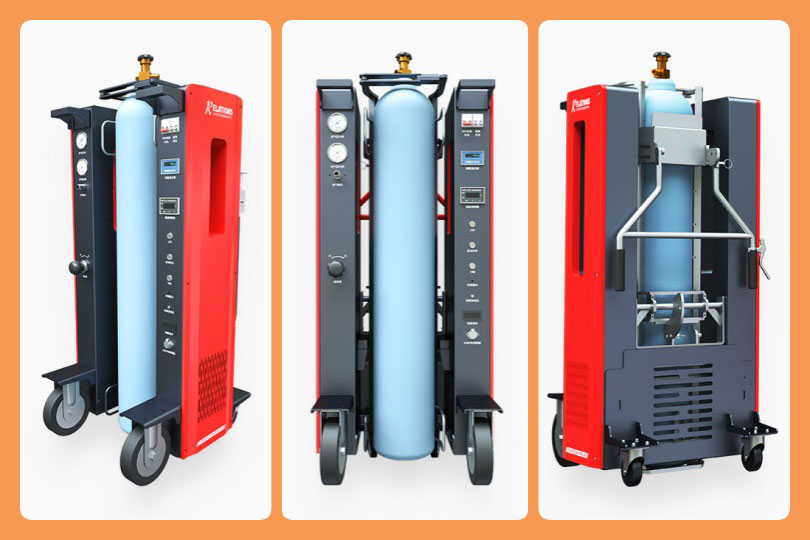
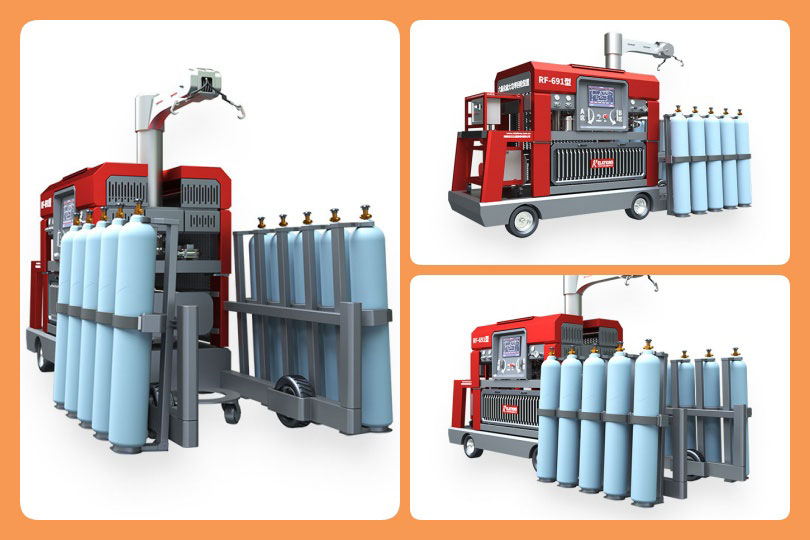
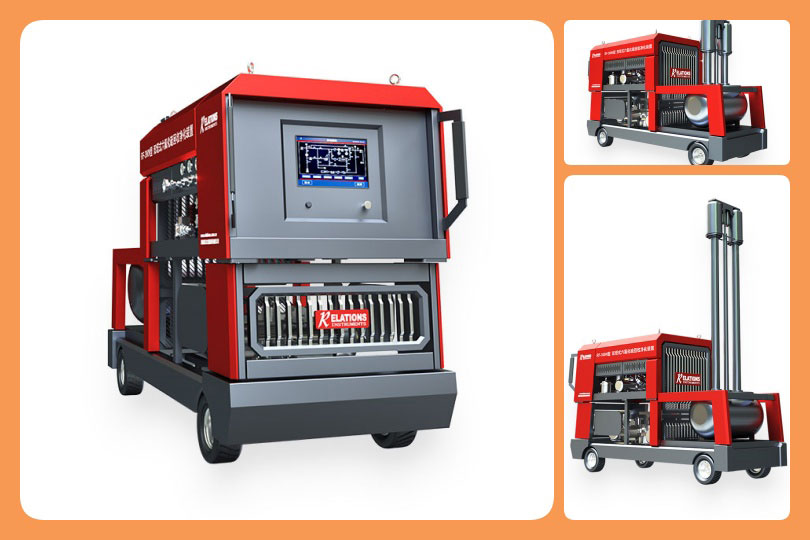
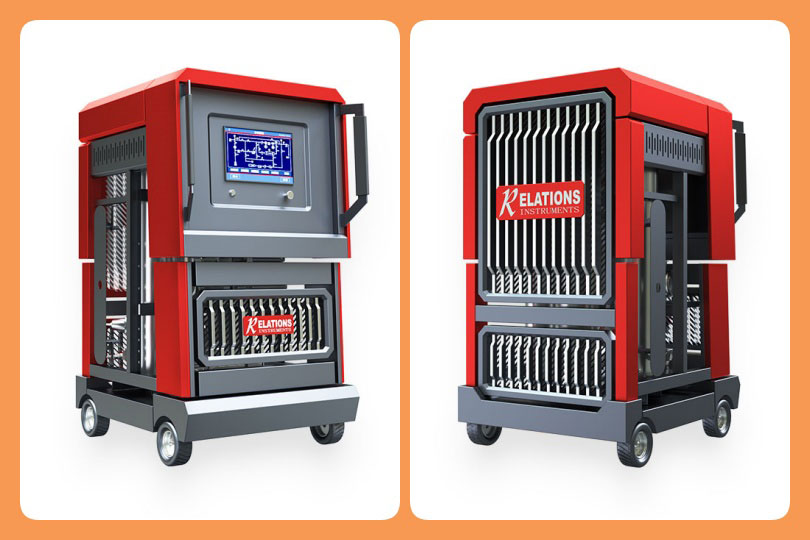
A portable SF6 recovery system is designed to recover SF6 gas from electrical equipment, filter and store it, evacuate compartments, and refill equipment when required. Compared with stationary service carts, portable systems are easier to transport between substations, wind farms, industrial plants, rail traction systems, and emergency repair sites.
Correct SF6 gas handling supports compliance with environmental regulations, including greenhouse gas reporting rules, gas emission reduction programs, and internal sustainability targets. It also helps maintain equipment reliability by reducing moisture, air contamination, and improper gas pressure conditions. Whether you choose to rent or buy, the equipment should align with IEC, IEEE, and local utility operating standards for high-voltage equipment maintenance.
Rent vs. Buy: Core Decision Factors
The best choice depends on how frequently your team performs SF6 maintenance, how quickly equipment is needed, what technical support is required, and whether internal staff are trained to operate and maintain the system.
When Renting a Portable SF6 Recovery System Makes Sense
Renting is often the preferred option for short-term projects, emergency outages, seasonal maintenance, or contractors that handle SF6 work only occasionally. A rental approach minimizes upfront capital expenditure and gives teams access to suitable equipment without long-term ownership responsibility.
Renting may be especially attractive when:
- The project duration is limited to a few days or weeks.
- The utility or contractor has no regular SF6 maintenance workload.
- Budget approval for capital equipment is difficult or slow.
- Fast mobilization is more important than asset ownership.
- On-site technical support is required for a specific project.
For teams comparing rental availability, technical configuration, and site-specific requirements, requesting a professional assessment can reduce risk. You can contact [email protected] for a free consultation on selecting a suitable portable SF6 recovery system for your project scope.
When Buying a Portable SF6 Recovery System Is the Better Choice
Buying is usually more cost-effective when SF6 gas handling is part of routine maintenance. Utilities with large fleets of gas-insulated switchgear, OEM service teams, and contractors with repeated substation projects often benefit from owning equipment because it improves scheduling control and reduces repeated rental charges.
Purchasing may be the better option when:
- SF6 recovery work is performed monthly or quarterly.
- Your organization wants full control over equipment availability.
- Internal technicians are trained in SF6 gas recovery and evacuation.
- Long-term operating cost is more important than initial investment.
- The company needs a standardized maintenance fleet across regions.
Ownership also allows teams to build standardized operating procedures, maintain consistent gas handling records, and reduce dependency on third-party rental schedules during critical outages.
Cost Comparison: Rental vs. Purchase
The total cost of a portable SF6 recovery system is not limited to the rental fee or purchase price. Decision-makers should also consider logistics, accessories, calibration, maintenance, training, spare parts, downtime risk, and operator support.
| Cost Factor | Rent | Buy |
|---|---|---|
| Initial investment | Low; usually charged by day, week, or month | Higher upfront capital expenditure |
| Long-term cost | Can become expensive for repeated projects | Lower cost per use over time |
| Maintenance expense | Often included or partially covered by supplier | Owner is responsible for maintenance and service |
| Training cost | May be included for project-based operation | Required for internal teams and long-term safety |
| Logistics | Freight and return shipping may apply | Internal transport and storage are required |
| Best for | Short-term, urgent, or occasional use | Frequent, planned, or multi-site use |
As a practical rule, if your team expects to use a portable SF6 recovery system only once or twice per year, rental may be financially efficient. If you perform regular SF6 recovery, evacuation, and refilling work, buying often provides better lifecycle value.
Lead Time Considerations: Availability vs. Customization
Lead time can be a deciding factor, especially during forced outages, commissioning delays, or regulatory inspection deadlines. Rental units may be available faster if the supplier has stock, but availability can be limited during peak maintenance seasons. Purchased units may require production, configuration, testing, and international shipping, especially when customized flow rates, vacuum pumps, storage cylinders, or power supply options are required.
| Lead Time Factor | Rental Option | Purchase Option |
|---|---|---|
| Emergency response | Potentially fast if stock is available | Less suitable unless equipment is already owned |
| Custom configuration | Limited to available rental models | Can be configured for project requirements |
| Project scheduling | Dependent on rental fleet availability | Fully controlled after delivery |
| Long-term readiness | Requires repeated booking | Always available for planned or urgent work |
For large utilities and EPC contractors, buying may reduce lead time risk for future projects. For one-time maintenance or unplanned work, renting can provide immediate access without waiting for procurement cycles.
Technical Parameters to Evaluate Before Renting or Buying
Whether you rent or buy, the system should be selected based on actual field conditions and equipment requirements. A mismatch in recovery speed, vacuum performance, or storage capacity can cause delays and increase operational risk.
| Parameter | Typical Evaluation Point | Why It Matters |
|---|---|---|
| Recovery rate | Gas recovery speed under specified pressure conditions | Impacts maintenance duration and outage time |
| Final vacuum level | Ability to evacuate equipment before refilling | Helps remove air and moisture from compartments |
| Filtration capability | Moisture, oil, and decomposition by-product filtration | Supports gas quality and equipment reliability |
| Storage method | Internal tank or external cylinders | Affects portability and gas handling capacity |
| Power supply | Single-phase or three-phase voltage options | Must match site electrical availability |
| Mobility | Weight, wheels, lifting points, compact frame | Important for substations and remote locations |
| Safety controls | Pressure protection, gauges, valves, alarms | Supports safe operation and regulatory compliance |
Key Application Scenarios
A portable SF6 recovery system is used across multiple high-voltage maintenance and commissioning tasks. Understanding your application scenario helps determine whether rental or purchase is more appropriate.
Utility Substation Maintenance
Utilities with GIS substations and SF6 circuit breakers often require scheduled gas recovery, compartment evacuation, gas sampling, and refilling. If these tasks are recurring, purchasing equipment can improve long-term efficiency and emergency readiness.
Contractor-Based Project Work
Electrical contractors may handle SF6 work during installation, retrofit, or decommissioning projects. Renting can protect cash flow when project volume is uncertain, while buying may be justified for contractors with continuous high-voltage service contracts.
Emergency Repair and Outage Response
When a breaker or GIS bay requires urgent service, equipment availability is critical. A rental system may solve an immediate need, but asset owners with frequent outage exposure may prefer buying to avoid future mobilization delays.
Renewable Energy and Industrial Facilities
Wind farms, solar substations, mining operations, rail systems, and heavy industrial sites often operate medium- and high-voltage switchgear. Portable systems are useful where equipment is geographically dispersed and mobility is essential.
Support: The Often-Overlooked Factor
Technical support is one of the most important differences between rental and ownership. Rental packages may include startup guidance, remote troubleshooting, and short-term operator support. Purchased systems require a stronger long-term support plan, including spare parts, maintenance schedules, calibration guidance, and operator training.
Before signing a rental or purchase agreement, confirm the supplier can provide:
- Operating manuals and safety documentation in the required language.
- Training for SF6 recovery, evacuation, and refilling procedures.
- Remote or on-site troubleshooting support.
- Consumables such as filters, hoses, seals, and fittings.
- Guidance on gas handling records and environmental compliance practices.
- After-sales service and spare parts availability.
For customized on-site solutions and one-on-one engineering guidance, industrial users can email [email protected] to discuss equipment configuration, project conditions, and service expectations.
Purchasing Guide: How to Choose the Right Option
Use the following framework to decide whether to rent or buy a portable SF6 recovery system:
1. Estimate Annual Usage
If usage is rare, renting usually makes sense. If your team performs SF6 work several times per year or across multiple substations, buying may lower lifetime costs.
2. Review Project Urgency
For urgent repairs, rental availability may be the fastest route. For long-term readiness, ownership reduces dependency on external rental fleets.
3. Compare Total Cost of Ownership
Look beyond purchase price. Include maintenance, storage, operator training, accessories, calibration, and spare parts. For rental, include freight, standby charges, damage liability, and schedule risk.
4. Verify Compliance and Safety Requirements
Choose equipment that supports safe SF6 gas handling, pressure control, vacuum evacuation, filtration, and leak-minimizing operation. Operators should follow site safety procedures and applicable environmental regulations.
5. Confirm Supplier Support
A low-cost unit without reliable support can become expensive if it causes project delays. Prioritize suppliers that understand high-voltage field service and can provide technical assistance before, during, and after the project.
Frequently Asked Questions
Is it cheaper to rent or buy a portable SF6 recovery system?
Renting is usually cheaper for short-term or occasional use. Buying is generally more economical for frequent maintenance, repeated projects, or utilities that need continuous equipment availability.
How fast can a rental SF6 recovery system be delivered?
Lead time depends on rental fleet availability, location, shipping method, and required accessories. During peak outage seasons, early planning is recommended to avoid schedule conflicts.
What support should I expect when buying?
Buyers should expect documentation, commissioning guidance, operator training, spare parts support, troubleshooting assistance, and maintenance recommendations. Confirm these services before purchase.
Can one portable SF6 recovery system handle all switchgear types?
Not always. The correct model depends on gas volume, pressure range, evacuation requirement, connection type, recovery speed, and site conditions. Technical review is recommended before rental or purchase.
Do portable SF6 recovery systems help with compliance?
Yes. Proper recovery systems reduce emissions, support accurate gas handling, and help organizations meet environmental management requirements. However, compliance also depends on trained operators and accurate recordkeeping.
Final Recommendation: Match the Decision to Your Operating Model
The decision to rent or buy a portable SF6 recovery system should be based on usage frequency, project urgency, lifecycle cost, required lead time, and available technical support. Renting offers flexibility and lower upfront cost for occasional or emergency work. Buying provides better long-term control, readiness, and cost efficiency for utilities and contractors with recurring SF6 maintenance needs.
For the most reliable outcome, evaluate both financial and operational factors before committing. If your team needs a tailored recommendation for a substation project, outage plan, or long-term maintenance program, contact [email protected] to receive practical guidance from experienced SF6 equipment engineers.