Cost-Justify Continuous SF6 Monitoring vs Handheld SF6 Detectors: ROI Factors
Date
2026-07-22
[email protected]
Website
www.sf6gasdetector.com
Get Solutions And Quotes
Cost-Justify Continuous SF6 Monitoring vs Handheld SF6 Detectors: ROI Factors
Sulfur hexafluoride (SF6) is widely used in gas-insulated switchgear, circuit breakers, substations, and high-voltage electrical equipment because of its excellent insulation and arc-quenching properties. However, SF6 is also a high-global-warming-potential gas, making leak prevention, accurate detection, and regulatory reporting critical for utilities, renewable energy plants, industrial power users, and grid operators. For many facilities, the central question is no longer whether SF6 leak detection is necessary, but how to cost-justify installing continuous SF6 monitoring compared with relying on a periodic handheld SF6 detector. The answer depends on leak risk, equipment value, compliance exposure, labor cost, response time, and the financial impact of unplanned downtime.
Continuous SF6 Monitoring vs Handheld SF6 Detector: What Is the Difference?
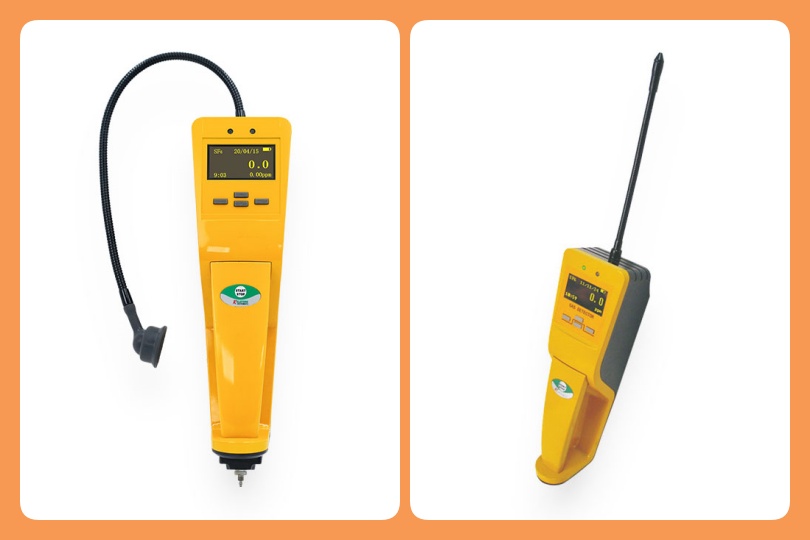
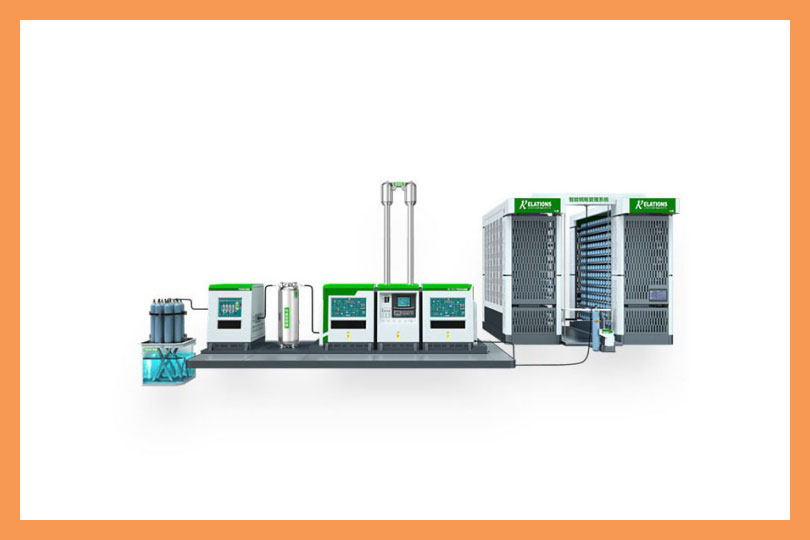
A handheld SF6 detector is typically used by technicians during scheduled inspections or after suspected leakage. It is portable, flexible, and cost-effective for spot checks. In contrast, a continuous SF6 monitoring system is permanently installed to track gas concentration, leak trends, alarm thresholds, and environmental conditions in real time.
For low-risk sites with limited SF6 assets, periodic inspection may be sufficient. But for high-voltage substations, GIS rooms, power plants, offshore wind platforms, semiconductor facilities, and industrial sites with mission-critical equipment, continuous SF6 monitoring can offer stronger operational control and a clearer ROI.
Core Comparison Table
| Evaluation Factor | Continuous SF6 Monitoring | Handheld SF6 Detector |
|---|---|---|
| Detection Method | 24/7 fixed monitoring | Manual periodic inspection |
| Response Time | Real-time alarms | Depends on inspection frequency |
| Labor Requirement | Low after installation | Requires regular technician rounds |
| Leak Trend Analysis | Yes, with historical data | Limited or manual records |
| Best Use Case | Critical SF6 assets and high-risk areas | Spot checks and maintenance verification |
| Compliance Support | Strong data logging and reporting | Depends on manual documentation |
| Initial Investment | Higher | Lower |
| Long-Term ROI Potential | High for critical facilities | Good for small or low-risk sites |
Key Advantages of Continuous SF6 Monitoring
Real-Time Leak Detection and Faster Response
The most important benefit of continuous SF6 monitoring is immediate leak awareness. A small SF6 leak can escalate over time, resulting in gas loss, equipment reliability risks, and environmental reporting obligations. With a properly configured SF6 Gas Leak Monitoring System, operators receive early alarms before gas concentration reaches critical levels.
Faster response reduces the probability of prolonged emissions, lowers replenishment costs, and helps prevent equipment performance degradation. In high-voltage environments, early intervention can also reduce the risk of insulation failure and unplanned outages.
Lower Labor Cost Over the Equipment Lifecycle
Periodic inspection using a handheld SF6 detector requires trained personnel, travel time, documentation, safety permits, and repeated inspection cycles. For facilities with multiple GIS bays, remote substations, or geographically dispersed assets, labor cost can become a major hidden expense.
Continuous SF6 monitoring reduces the need for routine manual rounds and allows maintenance teams to prioritize actions based on actual alarm data. Over several years, reduced inspection labor can significantly improve ROI.
Better Compliance and Environmental Reporting
International environmental regulations increasingly require accurate tracking, reduction, and reporting of fluorinated greenhouse gas emissions. While requirements vary by region, industrial operators are generally expected to follow recognized safety and environmental management practices, maintain reliable leak records, and minimize SF6 emissions.
A fixed SF6 Gas Leak Monitoring System supports compliance by providing time-stamped data, alarm history, trend records, and evidence of proactive leak management. This can be valuable during internal audits, environmental reporting, and regulatory inspections.
Main ROI Factors When Choosing SF6 Leak Detection Solutions
1. Value and Criticality of SF6-Insulated Equipment
The higher the value and operational importance of the equipment, the easier it is to cost-justify continuous SF6 monitoring. A single failure in gas-insulated switchgear or a high-voltage breaker can cause costly downtime, emergency repairs, safety risks, and production losses.
Facilities should consider:
- Replacement value of SF6 equipment
- Cost of outage per hour
- Impact on grid stability or production continuity
- Availability of backup systems
- Lead time for spare parts and service teams
If downtime costs are high, continuous monitoring often delivers a compelling return even if no major leak occurs.
2. SF6 Gas Volume and Refill Cost
SF6 gas is a specialized industrial gas with handling, transportation, storage, and regulatory requirements. The more SF6 a site contains, the higher the potential cost of leakage.
ROI calculations should include:
- Total SF6 inventory in kilograms
- Annual gas top-up volume
- Gas procurement and logistics cost
- Waste handling and recovery expenses
- Cost of emergency refill operations
A facility with large GIS installations or multiple SF6-filled assets typically benefits more from continuous SF6 monitoring than a site with only one or two small devices.
3. Inspection Frequency and Labor Burden
A handheld SF6 detector is effective only when used frequently and correctly. If inspections occur monthly or quarterly, leaks may remain undetected for weeks. Increasing inspection frequency improves protection but also increases labor cost.
Typical labor-related ROI inputs include:
| Labor Cost Component | ROI Impact |
|---|---|
| Technician hourly rate | Higher rates favor continuous monitoring |
| Travel to remote substations | Remote sites improve fixed-system ROI |
| Inspection duration | Longer routes increase manual cost |
| Documentation time | Automated records reduce administrative burden |
| Safety permit process | Fixed monitoring reduces repeated entry requirements |
For remote or unmanned substations, continuous SF6 monitoring can reduce field visits and improve maintenance planning.
4. Environmental Risk and Carbon Liability
SF6 has a very high global warming potential, so even small leaks can carry significant environmental consequences. Depending on jurisdiction, emissions may affect sustainability reporting, carbon accounting, internal ESG targets, or regulatory obligations.
Although carbon pricing and penalties differ by country and market, facilities should include environmental risk in their ROI model. Continuous monitoring helps demonstrate responsible gas management and supports corporate decarbonization programs.
5. Data Quality and Maintenance Strategy
A handheld SF6 detector provides a snapshot at a specific time and location. Continuous SF6 monitoring provides a data stream. This difference is important for predictive maintenance.
With trend data, operators can identify gradual leakage, compare zones, confirm repair effectiveness, and prioritize maintenance based on evidence. This supports condition-based maintenance instead of relying only on fixed inspection schedules.
Typical Technical Parameters for an SF6 Gas Leak Monitoring System
The exact specifications vary by manufacturer and application, but industrial buyers should evaluate the following parameters when selecting a continuous SF6 monitoring solution.
| Parameter | Recommended Consideration |
|---|---|
| Detection Gas | SF6 or SF6 decomposition-related monitoring depending on application |
| Measuring Range | Suitable for expected background and alarm levels |
| Sensitivity | Capable of detecting early-stage leakage |
| Response Time | Fast enough for real-time safety and maintenance action |
| Alarm Output | Relay, analog, digital, Modbus, Ethernet, or SCADA integration |
| Data Logging | Time-stamped historical records and exportable reports |
| Installation Type | Wall-mounted, cabinet-mounted, or multi-point sampling |
| Environmental Rating | Suitable for indoor GIS rooms or outdoor substation conditions |
| Calibration Method | Field calibration or manufacturer-supported calibration program |
| Compliance Support | Records aligned with environmental and safety management practices |
For customized system selection and ROI modeling, industrial users can request a free technical consultation at [email protected].
Key Application Scenarios
High-Voltage Substations and GIS Rooms
Continuous SF6 monitoring is especially valuable in gas-insulated substations where multiple compartments contain SF6. Real-time monitoring helps detect leakage early and supports safe operation in enclosed electrical rooms.
Power Plants and Industrial Energy Centers
Thermal power plants, hydroelectric stations, chemical plants, steel mills, and large manufacturing facilities often operate critical switchgear. For these sites, power interruption can cause major financial losses, making continuous monitoring easier to cost-justify.
Renewable Energy and Offshore Platforms
Wind farms, solar substations, and offshore platforms may be remote and costly to access. A fixed SF6 Gas Leak Monitoring System can reduce unnecessary site visits and provide operators with remote visibility.
Maintenance Contractors and Service Teams
A handheld SF6 detector remains essential for service verification, leak pinpointing, and commissioning checks. In many cases, the best strategy is not continuous monitoring versus handheld detection, but combining both: fixed systems for alarms and portable detectors for field confirmation.
Purchasing Guide: How to Choose the Right SF6 Leak Detection Strategy
When a Handheld SF6 Detector May Be Enough
A handheld SF6 detector can be suitable when:
- The site has a small number of SF6 assets
- Equipment is easily accessible
- Inspection labor cost is low
- Downtime risk is limited
- Regulatory reporting requirements are simple
- The facility already has a strong manual inspection program
When Continuous SF6 Monitoring Is Easier to Cost-Justify
Continuous SF6 monitoring is usually the better investment when:
- SF6 equipment is mission-critical
- The facility has high outage costs
- There are multiple GIS compartments or enclosed rooms
- The site is remote or difficult to access
- Environmental reporting is important
- Leak history shows recurring gas loss
- Management requires digital maintenance records
Buyers should calculate total cost of ownership over three to five years, not just initial purchase price. Include installation, calibration, labor savings, avoided downtime, reduced gas loss, compliance value, and maintenance efficiency.
For one-on-one engineering guidance and customized on-site SF6 leak monitoring solutions, contact [email protected].
Sample ROI Framework
A practical ROI model for continuous SF6 monitoring should include the following formula:
Annual Benefit Estimate
Annual Benefit = Avoided SF6 Gas Loss + Reduced Inspection Labor + Avoided Downtime Risk + Compliance and Reporting Value + Maintenance Efficiency Gains
Payback Period
Payback Period = Total Installed Cost ÷ Annual Benefit
For example, if a facility reduces manual inspection costs, detects leaks earlier, avoids emergency gas refill, and prevents even one minor outage, the payback period can be significantly shortened. The larger and more critical the SF6 asset base, the stronger the business case becomes.
Frequently Asked Questions
Is continuous SF6 monitoring required by law?
Requirements vary by country, region, and equipment type. In many markets, operators must manage SF6 responsibly, minimize emissions, and maintain accurate records. Continuous SF6 monitoring is not always legally mandatory, but it can provide strong evidence of proactive leak management and support environmental compliance.
Can a continuous system replace a handheld SF6 detector?
Not completely. A continuous system provides real-time area or multi-point monitoring, while a handheld SF6 detector is still useful for pinpointing leak sources, verifying repairs, and performing maintenance checks. Many professional facilities use both.
How long does it take to recover the investment?
ROI depends on site size, labor cost, SF6 inventory, leak history, downtime value, and reporting needs. High-risk facilities may achieve faster payback, while small low-risk sites may justify periodic handheld inspection only.
What information is needed for an ROI assessment?
Useful information includes SF6 equipment list, gas volume, historical leakage, inspection frequency, labor rate, outage cost, room layout, alarm requirements, and SCADA integration needs. For assistance with ROI evaluation, industrial buyers can reach engineers at [email protected].
Conclusion: ROI Depends on Risk, Scale, and Operational Value
To cost-justify continuous SF6 monitoring versus periodic handheld SF6 detector inspections, facilities must look beyond purchase price. The true ROI comes from faster leak detection, reduced labor, improved compliance support, lower gas loss, better maintenance planning, and reduced downtime exposure. For small and simple installations, a handheld SF6 detector may be practical and economical. For critical substations, GIS rooms, remote assets, and high-value industrial power systems, a continuous SF6 monitoring solution often delivers stronger long-term value and more reliable environmental control.