SF6 Gas Leak Emergency Recovery: Onsite Response Time & Rapid Mobilization
Date
2026-07-22
[email protected]
Website
www.sf6gasdetector.com
Get Solutions And Quotes
SF6 Gas Leak Emergency Recovery: Onsite Response Time & Rapid Mobilization
An SF6 gas leak in high-voltage electrical equipment is not only an operational risk but also an environmental and compliance concern. Sulfur hexafluoride (SF6) is widely used in gas-insulated switchgear, circuit breakers, and substations due to its excellent insulation and arc-quenching performance. However, when leakage occurs, utilities, industrial plants, and service contractors must respond quickly with a reliable emergency SF6 leak recovery plan. A typical onsite response time depends on location, service readiness, equipment availability, site access, and regulatory requirements, but rapid mobilization is always achievable with the right procedures and an appropriate SF6 recovery system.
Typical Onsite Response Time for Emergency SF6 Leak Recovery
In most industrial and utility environments, emergency SF6 service providers aim to arrive onsite within 4 to 24 hours after receiving a confirmed leak report. For critical substations, power plants, rail traction systems, and transmission assets, response can be faster if the service team is pre-contracted, strategically located, and equipped with mobile recovery units.
For remote sites, offshore platforms, or cross-border projects, response time may extend to 24 to 72 hours, depending on transport conditions, customs clearance, hazardous goods logistics, and site entry requirements. Therefore, the most effective strategy is not only choosing a professional emergency service provider but also building a documented rapid response framework before an incident happens.
General Response Time Reference Table
| Site Condition | Typical Onsite Response Time | Key Influencing Factors |
|---|---|---|
| Urban substation or industrial plant | 4–8 hours | Local technician availability, road access, pre-approved entry |
| Regional utility site | 8–24 hours | Distance, equipment dispatch, safety documentation |
| Remote or mountainous substation | 24–48 hours | Terrain, weather, transport limitations |
| Offshore or island facility | 48–72 hours or more | Marine/air transport, permits, customs, lifting logistics |
| Pre-contracted critical facility | 2–12 hours | Standby team, spare cylinders, prepared SF6 recovery system |
These timeframes are practical estimates used in industrial maintenance planning. Actual response should always be confirmed in a service-level agreement and aligned with local environmental rules, occupational safety regulations, and electrical isolation procedures.
Why Rapid Mobilization Matters After an SF6 Gas Leak
Fast action after an SF6 gas leak helps reduce equipment downtime, environmental emissions, gas replacement costs, and safety risks. SF6 has a very high global warming potential, so many jurisdictions require strict leak reporting, gas inventory records, and recovery documentation. Rapid mobilization also protects the integrity of electrical assets because low SF6 pressure may compromise insulation performance and trigger equipment alarms or lockouts.
Main Risks of Delayed Recovery
Delayed emergency response can lead to several operational and compliance issues:
- Continued greenhouse gas emissions and higher environmental liability
- Reduced dielectric strength inside gas-insulated equipment
- Forced outage or delayed energization of critical electrical assets
- Higher SF6 refill and purification costs
- Incomplete gas accounting and audit challenges
- Increased risk during maintenance if pressure and gas quality are not controlled
For mission-critical facilities, a professional emergency SF6 leak recovery plan should be treated as part of the asset reliability and environmental management system.
Core Advantages of a Professional SF6 Recovery System
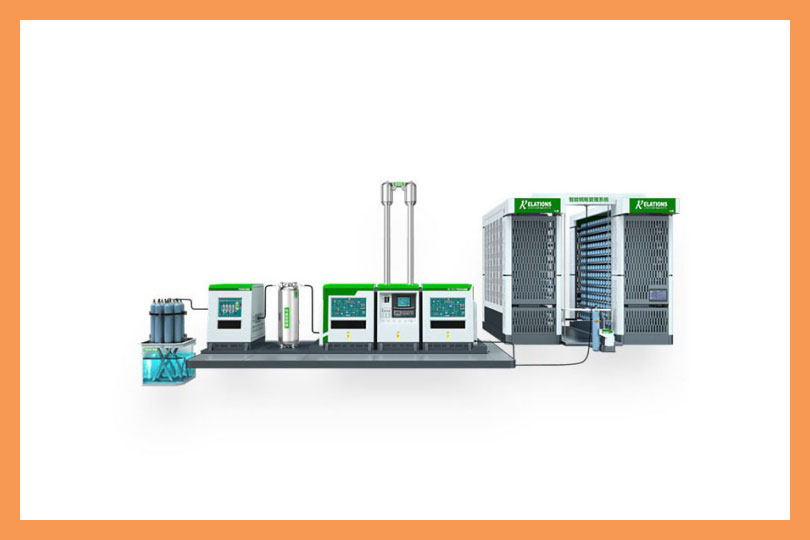
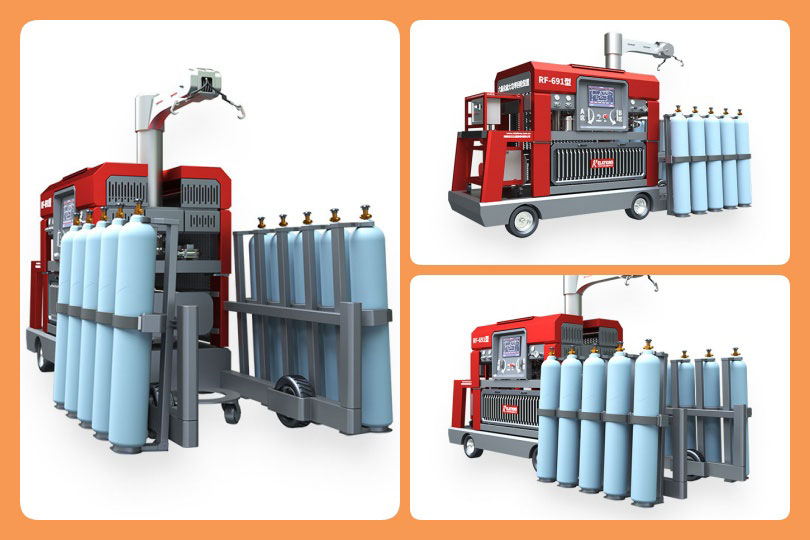
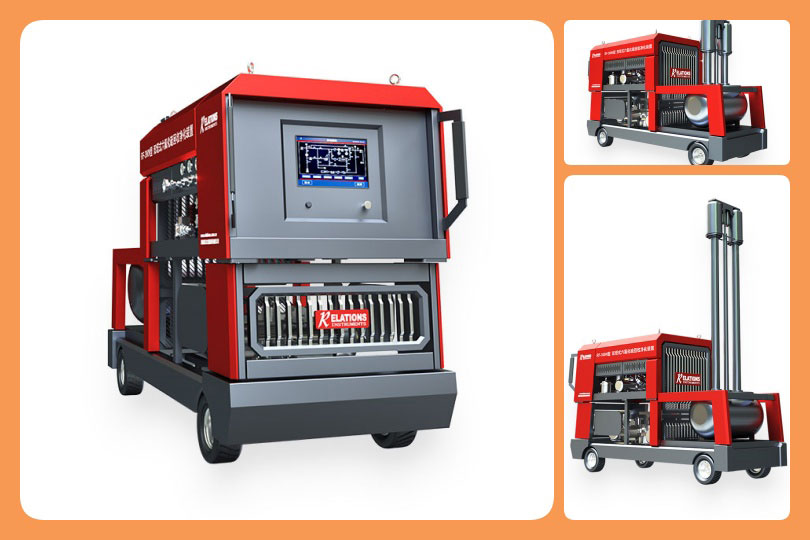
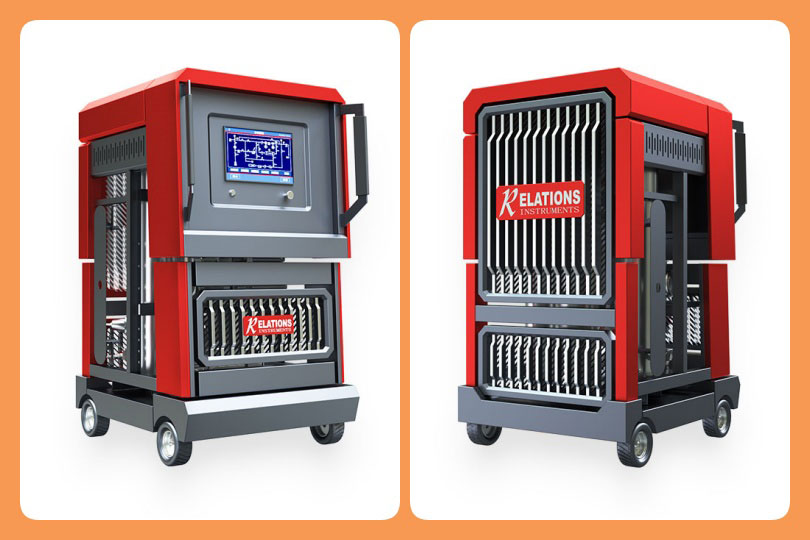
A high-performance SF6 recovery system is the foundation of safe and efficient leak response. It allows technicians to recover, evacuate, filter, store, and reuse SF6 gas according to recognized industry practices. When paired with trained engineers and calibrated leak detection instruments, the system supports rapid mobilization and compliant recovery operations.
Key Product Advantages
| Advantage | Practical Value in Emergency Recovery |
|---|---|
| High recovery efficiency | Reduces residual SF6 emissions and supports environmental compliance |
| Integrated filtration | Removes moisture, air, and decomposition by-products where applicable |
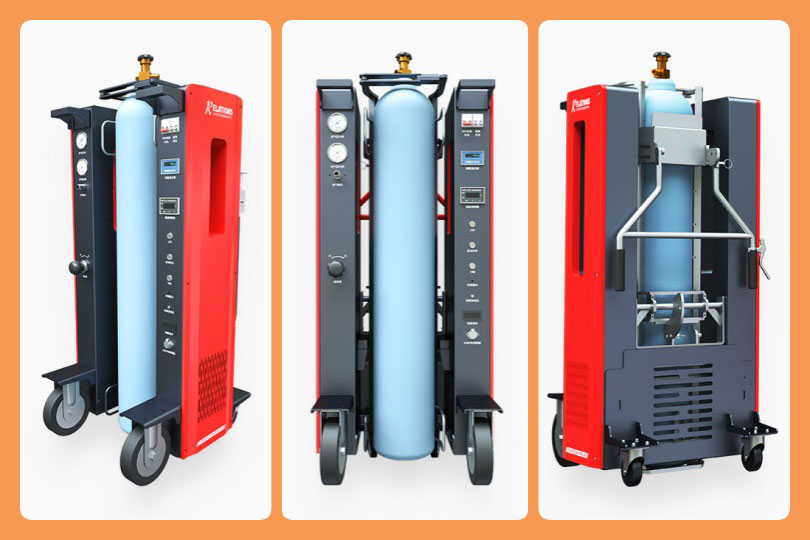
| Portable or mobile design | Improves access to substations, plants, and field equipment |
| Vacuum and filling functions | Enables controlled evacuation, recovery, and refilling |
| Digital monitoring | Improves accuracy for pressure, weight, and gas handling records |
| Cylinder compatibility | Supports safe storage, transport, and reuse of recovered SF6 |
| Safety protection features | Helps prevent overpressure, contamination, and improper operation |
A properly selected recovery system should comply with relevant electrical safety practices, gas handling procedures, pressure vessel requirements, and applicable environmental regulations. Operators should also follow manufacturer instructions and site-specific safety protocols.
Typical Parameters for SF6 Recovery Equipment
While specifications vary by manufacturer and model, the following table shows common parameters considered when selecting an emergency-ready SF6 recovery system.
| Parameter | Typical Range or Requirement | Selection Consideration |
|---|---|---|
| Recovery rate | 10–100 kg/h or higher | Choose based on equipment gas volume and emergency response target |
| Final recovery pressure | ≤ 1 mbar to several mbar | Lower residual pressure improves emission reduction |
| Vacuum pump capacity | 4–40 m³/h | Affects evacuation speed before refilling |
| Compressor type | Oil-less or gas-compatible compressor | Helps maintain gas purity and reliability |
| Filtration system | Moisture and particle filtration | Important for reclaiming reusable SF6 |
| Storage method | Cylinders, tanks, or gas carts | Must match site volume and transport rules |
| Power supply | Single-phase or three-phase | Confirm compatibility with onsite power |
| Mobility | Portable cart, skid, or truck-mounted unit | Impacts rapid mobilization in field conditions |
For facilities requiring customized emergency planning, engineering teams can provide model selection and response planning support through free SF6 leak recovery consultation.
Key Application Scenarios for Emergency SF6 Leak Recovery
Emergency recovery solutions are used across power transmission, distribution, manufacturing, and industrial infrastructure. The required onsite response time depends heavily on the risk level and operational impact of the affected equipment.
High-Voltage Substations
Gas-insulated switchgear and SF6 circuit breakers in substations require immediate attention when gas density alarms appear. Recovery teams must coordinate with dispatch centers, isolate equipment, confirm safe working conditions, and recover gas before repair or component replacement.
Power Plants and Renewable Energy Stations
Thermal power plants, hydropower stations, wind farms, and solar substations often rely on SF6-insulated equipment for grid connection. Rapid recovery minimizes outage duration and helps operators maintain environmental reporting accuracy.
Industrial Manufacturing Facilities
Steel plants, chemical plants, semiconductor facilities, and large factories may use high-voltage switchgear for continuous production. An SF6 leak can affect production reliability, making rapid mobilization essential for business continuity.
Rail Transit and Infrastructure Projects
Metro systems, railway substations, airports, ports, and tunnel power distribution systems require fast response because electrical interruptions can affect public operations and safety-critical services.
How to Ensure Rapid Mobilization for SF6 Leak Recovery
Reducing response time is not only about technician speed. It requires preparation, communication, equipment readiness, and documented procedures.
1. Establish a Pre-Approved Emergency Response Plan
A written plan should define reporting channels, site contacts, electrical isolation responsibilities, safety approval procedures, and service provider escalation levels. Pre-approval can save several hours during an emergency.
2. Maintain Accurate SF6 Asset Records
Asset records should include equipment model, gas volume, rated pressure, installation location, previous leak history, and valve connection types. These details help engineers select the right recovery equipment and accessories before dispatch.
3. Use Continuous or Routine Leak Detection
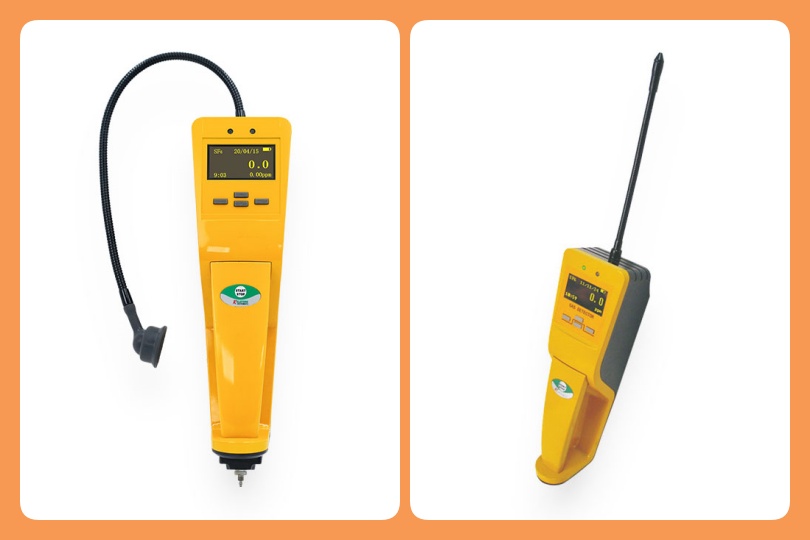
Periodic inspection with calibrated SF6 gas detectors helps identify small leaks before they become urgent. For critical equipment, online monitoring can shorten diagnosis time and trigger early intervention.
4. Prepare Site Access and Safety Documentation
Many delays occur because service teams cannot enter restricted areas quickly. Facilities should prepare contractor access procedures, work permits, lockout/tagout requirements, and personal protective equipment rules in advance.
5. Select a Mobile SF6 Recovery System
Portable or truck-mounted recovery units are ideal for emergency response. They allow technicians to mobilize quickly and perform recovery, evacuation, gas filtration, storage, and refilling in one coordinated operation.
6. Build a Service-Level Agreement
A service-level agreement should clearly state target response times, available equipment, technician qualifications, emergency contacts, documentation deliverables, and after-service reporting. For customized onsite procedures, operators can request one-on-one engineer guidance.
Purchasing Guide: How to Choose Emergency SF6 Recovery Equipment
Selecting the right system requires more than comparing price. Buyers should evaluate capacity, safety, compatibility, and long-term maintenance support.
Key Buying Criteria
| Purchasing Factor | What to Check |
|---|---|
| Recovery performance | Gas recovery speed and final residual pressure |
| Gas purity protection | Filtration, moisture removal, and contamination control |
| Equipment compatibility | Suitable connectors, hoses, cylinders, and pressure ratings |
| Mobility | Whether the unit can be transported quickly to field sites |
| Compliance support | Documentation for gas handling, recovery records, and calibration |
| Operator safety | Pressure protection, alarms, emergency stop, and safe operating design |
| Technical support | Training, spare parts, troubleshooting, and emergency service capability |
| Total cost of ownership | Maintenance cost, service life, consumables, and downtime reduction |
For large utilities and industrial users, the best choice is often a tailored package that includes a recovery unit, leak detector, gas storage cylinders, service tools, operating training, and emergency response procedures. Buyers can obtain customized onsite SF6 recovery solutions based on equipment type, gas volume, and target mobilization time.
Compliance and Safety Considerations
Emergency SF6 handling should follow applicable environmental regulations, electrical safety standards, pressure equipment requirements, and occupational health procedures in the project location. Personnel should be trained in gas recovery, cylinder handling, vacuum operation, electrical isolation, and emergency response. Recovered SF6 should be weighed, labeled, tested when necessary, and documented for inventory control.
During recovery, technicians must verify that equipment is de-energized and grounded according to site rules before physical intervention. If SF6 decomposition products are suspected after internal arcing, appropriate protective measures and gas treatment procedures must be applied.
Frequently Asked Questions
What is the fastest realistic onsite response time for an SF6 gas leak?
For pre-contracted urban or critical facilities, a response time of 2 to 8 hours may be achievable. Without prior arrangements, 8 to 24 hours is more typical, depending on technician and equipment availability.
Can leaked SF6 be recovered and reused?
Gas remaining inside equipment can often be recovered, filtered, stored, and reused if it meets required quality standards. Gas quality testing may be necessary, especially after faults or contamination.
What information should be provided when reporting an SF6 leak?
Report the equipment type, location, gas pressure, alarm status, estimated gas volume, leak point if known, access restrictions, required permits, and whether the equipment is energized or isolated.
Is emergency SF6 leak recovery required by regulation?
Requirements vary by country or region, but SF6 emissions are widely regulated due to environmental impact. Many operators must maintain gas inventory, leak records, recovery logs, and service documentation.
How can a facility reduce future onsite response time?
The most effective methods are establishing a service agreement, preparing site access documents, keeping asset records updated, using routine leak detection, and ensuring compatible SF6 recovery equipment is available.
Conclusion
A typical onsite response time for emergency SF6 leak recovery ranges from several hours to several days, depending on site location, preparedness, and equipment availability. The best way to ensure rapid mobilization is to combine a documented emergency plan, accurate asset data, trained personnel, and a reliable SF6 recovery system. For utilities and industrial facilities, proactive planning not only reduces downtime and emissions but also strengthens compliance, operational safety, and long-term asset reliability.