إعادة تدوير غاز سادس فلوريد الكبريت وتنقيته بكفاءة عالية من حيث التكلفة لمشغلي الشبكات الكهربائية
تاريخ
2026-09-09
بريد إلكتروني
[email protected]
موقع إلكتروني
www.sf6gasdetector.com
احصل على الحلول وعروض الأسعار
اتصل بالمصنع
إعادة تدوير غاز سادس فلوريد الكبريت وتنقيته بكفاءة عالية من حيث التكلفة لمشغلي الشبكات الكهربائية
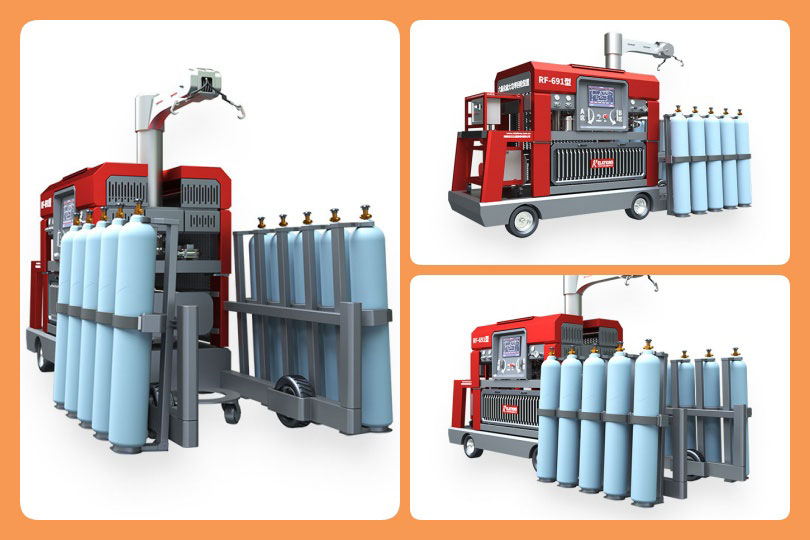
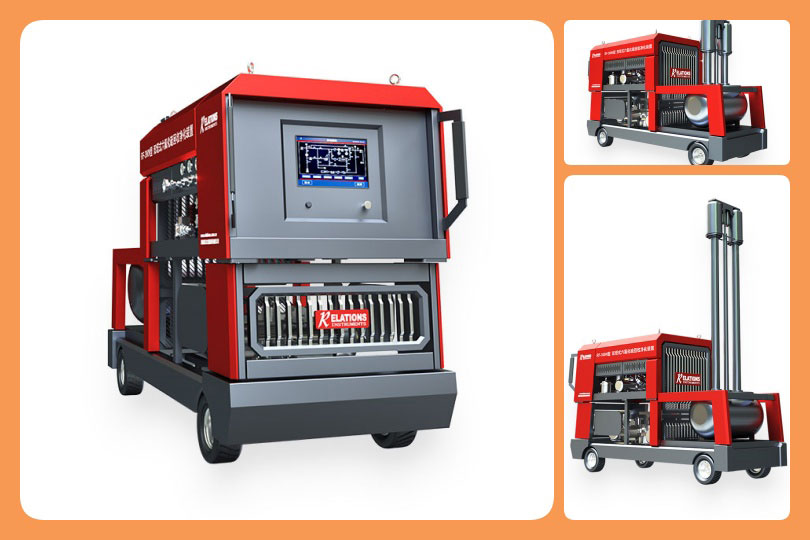
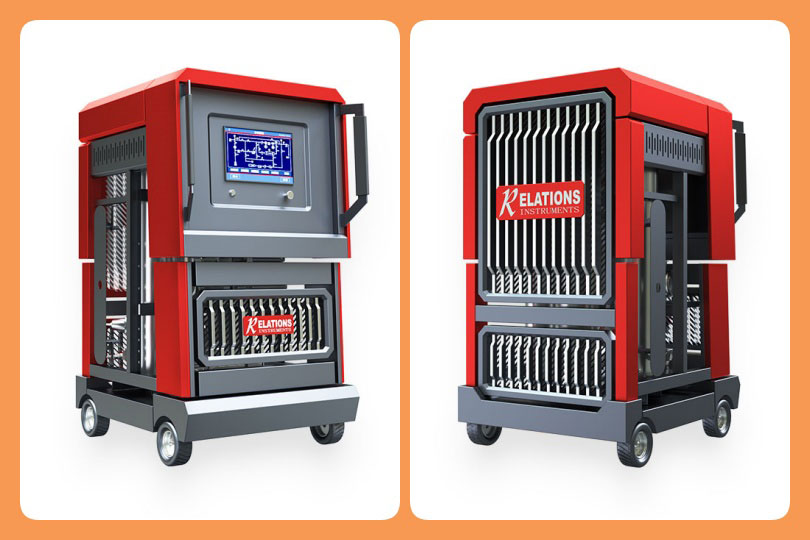
تُساعد خدمة إعادة تدوير وتنقية غاز سادس فلوريد الكبريت (SF6) الفعّالة من حيث التكلفة مشغلي الشبكات الكهربائية على صيانة مفاتيح التوزيع المعزولة بالغاز (GIS) وقواطع الدائرة الكهربائية وغيرها من أصول الجهد العالي، مع خفض تكاليف التشغيل، وتجنب شراء الغاز غير الضروري، ودعم الامتثال للمعايير البيئية. فبدلاً من التعامل مع سادس فلوريد الكبريت المُستعاد كنفايات، يُمكن لمشغلي الشبكات الكهربائية استعادته واختباره وتنقيته وإعادته إلى الخدمة بعد استيفائه للمعايير المطلوبة، وذلك وفقًا لإجراءات فنية مُحكمة.
لا يزال غاز سادس فلوريد الكبريت (SF6) يُستخدم على نطاق واسع في معدات نقل وتوزيع الطاقة الكهربائية نظرًا لقوة عزله الكهربائي الاستثنائية وقدرته الفائقة على إخماد القوس الكهربائي. مع ذلك، يُعدّ SF6 أيضًا من غازات الدفيئة ذات القدرة العالية على إحداث الاحتباس الحراري. لذا، تُشكّل الإدارة الفعّالة للغاز أولوية تشغيلية ومالية وبيئية لمشغلي أنظمة النقل، ومشغلي شبكات التوزيع، والمحطات الفرعية، ومقاولي الصيانة.
لماذا يحتاج مشغلو الشبكة إلى إعادة تدوير غاز سادس فلوريد الكبريت وتنقيته؟
توفر خدمة إعادة تدوير وتنقية غاز سادس فلوريد الكبريت (SF6) ذات التكلفة المعقولة لمشغلي الشبكات بديلاً عملياً لشراء غاز جديد في كل دورة صيانة. أثناء عمليات إصلاح المعدات، أو التحقيق في الأعطال، أو إيقاف التشغيل، أو الاستجابة لحالات التسرب، قد يحتوي الغاز على رطوبة أو هواء أو بخار زيت أو نواتج تحلل. إن إطلاق هذا الغاز غير مقبول، بينما قد يؤدي إعادة استخدامه دون اختباره إلى مخاطر تتعلق بموثوقية الشبكة.
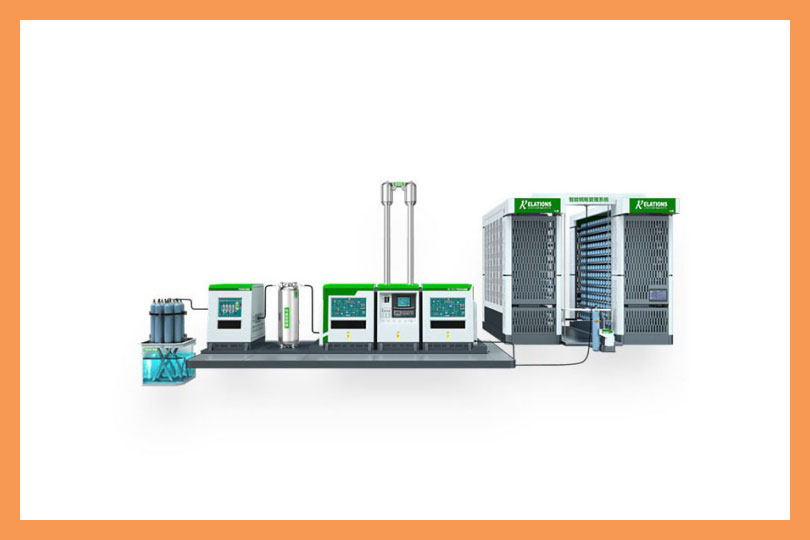
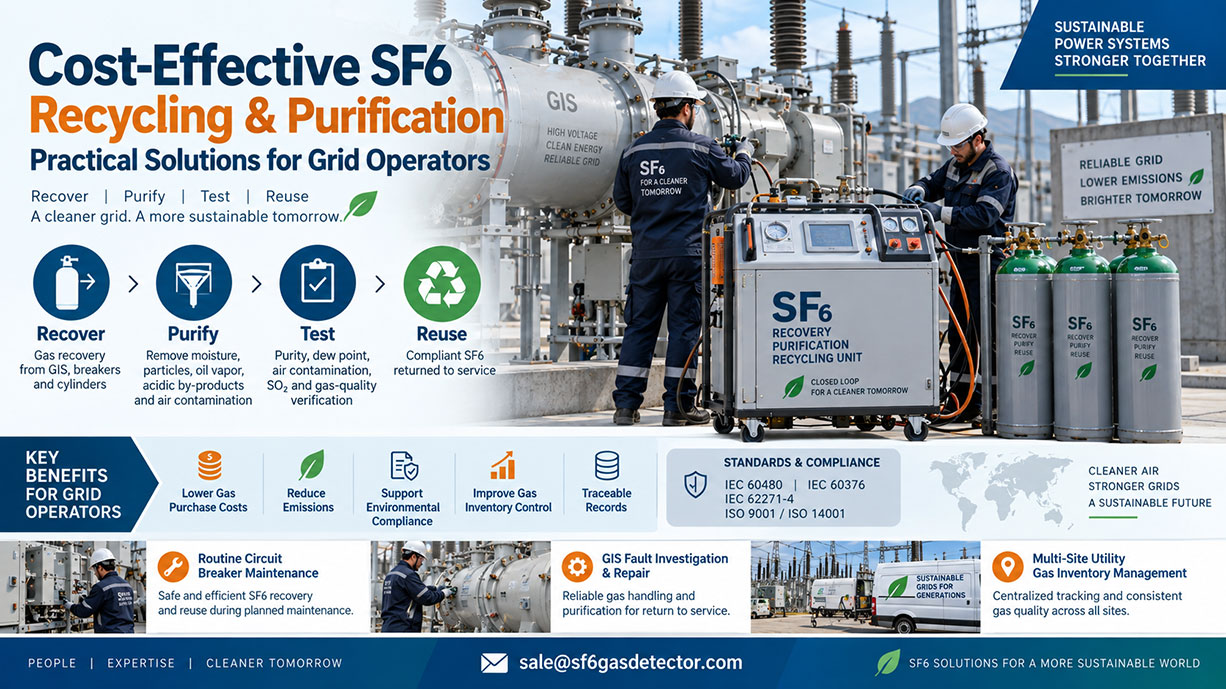
تشمل عملية إعادة تدوير غاز SF6 الاحترافية عادةً ما يلي:
- استخلاص الغاز من حجرات نظام الغاز المعزول، والقواطع، وأسطوانات الغاز
- إخلاء المعدات المتصلة بالشفط عند الحاجة
- إزالة الجزيئات والرطوبة والمنتجات الثانوية الحمضية وتلوث الهواء
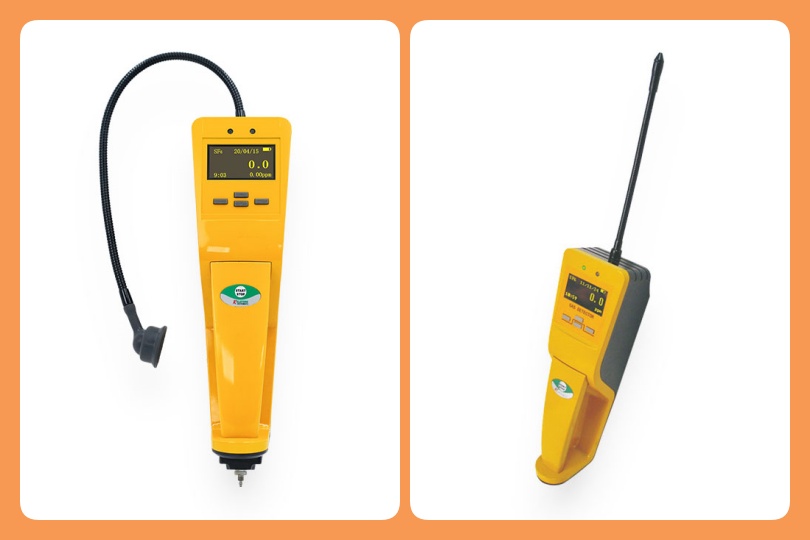
- تحليل جودة الغاز في المختبر أو في الميدان
- تعبئة الأسطوانات، ووضع الملصقات عليها، وتتبعها، وإدارة تخزينها
- الوثائق الداعمة لإعداد التقارير البيئية الداخلية وسجلات الصيانة
من خلال استعادة وتنقية غاز SF6 القابل للاستخدام، يمكن للمشغلين تقليل متطلبات شراء الغاز وتحسين التحكم في دورة حياة مخزون الغاز المثبت لديهم.
المعايير الفنية التي تدعم التعامل الآمن مع غاز SF6
ينبغي أن تلتزم خدمة إعادة تدوير وتنقية غاز سادس فلوريد الكبريت (SF6) الموثوقة والفعّالة من حيث التكلفة لمشغلي الشبكات بالمعايير الدولية المعترف بها وإجراءات السلامة المعتمدة في الموقع. وتختلف متطلبات الامتثال الدقيقة باختلاف الاختصاص القضائي، ولكن هناك العديد من المراجع التقنية الشائعة الاستخدام التي تُرشد إلى الإدارة المسؤولة لغاز سادس فلوريد الكبريت.
المعايير الرئيسية للجنة الكهروتقنية الدولية
يُقدّم معيار IEC 60480 إرشاداتٍ حول فحص ومعالجة غاز سادس فلوريد الكبريت (SF6) المُستخرج من المعدات الكهربائية، بما في ذلك معايير إعادة الاستخدام والاستصلاح والتعامل مع الغاز الملوث. ويُحدّد معيار IEC 60376 مواصفات غاز سادس فلوريد الكبريت (SF6) الجديد ذي الدرجة التقنية المُستخدم في المعدات الكهربائية. ويتناول معيار IEC 62271-4 إجراءات التعامل مع غاز سادس فلوريد الكبريت (SF6) ومخاليطه في لوحات التوزيع الكهربائية ذات الجهد العالي.
تدعم هذه المعايير القرارات المهمة، بما في ذلك ما إذا كان يمكن إعادة استخدام الغاز المستعاد مباشرة، أو يتطلب تنقية، أو يجب إرساله إلى منشأة معتمدة للتدمير أو المعالجة.
معايير الجودة التي يجب التحقق منها
قبل إعادة الغاز النقي إلى معدات الجهد العالي، يجب على الفرق الفنية التحقق من المعايير المناسبة لمتطلبات الشركة المصنعة للمعدات والمعايير المعمول بها. قد تشمل الاختبارات النموذجية ما يلي:
- نسبة حجم أو نقاء SF6
- محتوى الرطوبة ونقطة الندى
- تلوث الهواء أو النيتروجين
- منتجات التحلل الحمضية، مثل ثاني أكسيد الكبريت
- التلوث النفطي والجسيمات الدقيقة
في حال حدوث شرارة كهربائية أو أعطال داخلية، قد تكون نواتج التحلل خطرة. يجب على العاملين استخدام معدات الوقاية الشخصية المناسبة، وأنظمة الاسترجاع المغلقة، والمرشحات المعتمدة، واتباع إجراءات معالجة النفايات. كما سيحتفظ مزود الخدمة المؤهل بسجلات معايرة لأجهزة التحليل ومعدات الاسترجاع.
كيف تقلل الخدمة الفعالة من حيث التكلفة من إجمالي تكلفة الملكية
لا تقتصر قيمة خدمة إعادة تدوير وتنقية غاز سادس فلوريد الكبريت (SF6) ذات التكلفة المنخفضة لمشغلي الشبكات على سعر الغاز فحسب، بل تتعداها إلى ما هو أبعد. فغالباً ما تتحقق أكبر الوفورات من خلال تجنب الانقطاعات غير المخطط لها، وخفض نفقات التخلص من الغاز، ومنع التلوث المتبادل، وتقليل الحاجة إلى شراء غاز سادس فلوريد الكبريت الخام.
استعادة المزيد من الغاز أثناء الصيانة
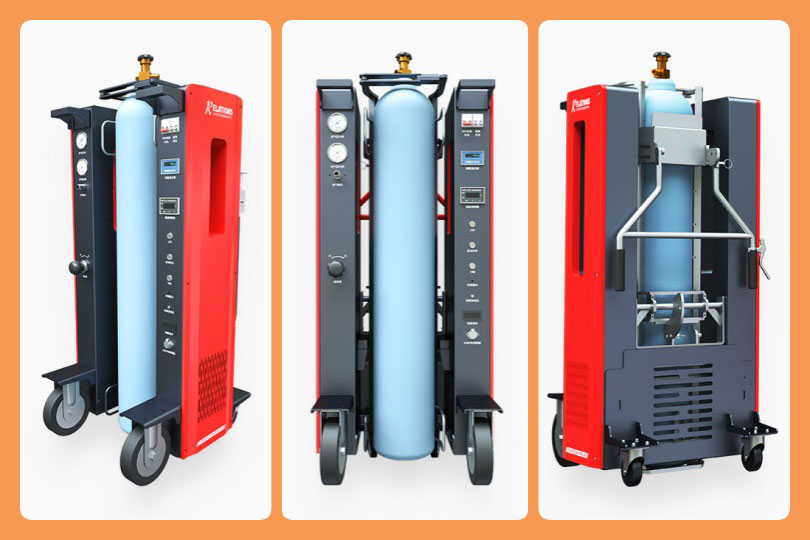
تستطيع وحدات الاستعادة الحديثة نقل غاز سادس فلوريد الكبريت (SF6) من المعدات إلى أسطوانات معتمدة تحت ظروف ضغط وتفريغ مضبوطة. تقلل عملية الاستعادة الفعالة من فقدان الغاز المتبقي في الحجرات والخراطيم ومعدات الخدمة. يكتسب هذا الأمر أهمية خاصة خلال برامج الصيانة واسعة النطاق لأنظمة المعلومات الجغرافية، حيث يمكن أن تتحول حتى الخسائر الصغيرة في كل قسم إلى خسائر كبيرة في مواقع متعددة.
إعادة استخدام الغاز المطابق للمواصفات
لا يلزم التخلص من كل دفعة من الغاز المستعاد. فبعد التحليل والتنقية، يمكن إعادة استخدام الغاز الذي يستوفي معايير الجودة المطلوبة. وهذا يُنشئ عملية إدارة مغلقة لغاز سادس فلوريد الكبريت (SF6) تُقلل من الطلب على الغاز البديل وتُحسّن تخطيط المخزون.
للحصول على أسعار خاصة بكل مشروع بناءً على حجم الغاز ومستوى التلوث وظروف الموقع، احصل على عرض سعر للمنتج بسرعة من فريق المبيعات التقنية.
حلول خدمة SF6 القائمة على السيناريوهات
ينبغي تصميم خدمة إعادة تدوير وتنقية غاز SF6 الفعالة من حيث التكلفة لمشغلي الشبكة بما يتناسب مع حالة الغاز وأهمية الأصل.
الصيانة الدورية لقواطع الدائرة الكهربائية
في إطار الصيانة الدورية لقواطع الدائرة الكهربائية، يُختبر غاز سادس فلوريد الكبريت (SF6) المُستعاد عادةً للتأكد من نسبة الرطوبة والنقاء قبل تنقيته. قد لا يتطلب الغاز النظيف سوى الترشيح والتجفيف، بينما قد يحتاج الغاز ذو المحتوى العالي من الهواء إلى فصل إضافي أو استبدال. تُمكّن النتائج الموثقة فرق الصيانة من اتخاذ قرارات إعادة استخدام مُبررة.
التحقيق في أعطال نظم المعلومات الجغرافية وإصلاحها
بعد حدوث شرارة كهربائية داخلية أو عطل في العزل، قد يحتوي غاز سادس فلوريد الكبريت (SF6) على نواتج تحلل سامة ومسببة للتآكل. في هذه الحالة، تكون الأولوية للاحتواء الآمن، والاستعادة المُتحكم بها، وتطهير المكونات المتضررة، والإدارة السليمة للمرشحات المُستعملة والمخلفات الصلبة. ولا يُعاد استخدامه إلا بعد المعالجة والتحقق المناسبين.
إدارة مخزون الغاز متعدد المواقع
بالنسبة لمشغلي الشبكات الذين يديرون العديد من المحطات الفرعية، يُحسّن تتبع الأسطوانات المركزي وتقارير الاختبار على مستوى الدفعات من وضوح الرؤية لأصول غاز سادس فلوريد الكبريت (SF6). كما يُمكن لبرنامج إعادة تدوير مُنظّم تحديد المخزون القابل لإعادة الاستخدام، وفصل الغاز غير المطابق للمواصفات، ودعم جدولة الصيانة عبر المناطق.
اختيار شريك خدمة SF6 موثوق
عند تقييم خدمة إعادة تدوير وتنقية غاز سادس فلوريد الكبريت (SF6) ذات التكلفة المعقولة لمشغلي الشبكات الكهربائية، ينبغي على فرق المشتريات تقييم كل من القدرة التقنية وجودة الوثائق. فالسعر الأولي المنخفض للخدمة لا يُعدّ مجديًا اقتصاديًا إذا تسببت خسائر الغاز، أو نتائج الاختبارات غير الواضحة، أو ثغرات الامتثال في مخاطر تشغيلية إضافية.
ابحث عن مقدمي الخدمات الذين يمكنهم إثبات ما يلي:
- خبرة في نظم المعلومات الجغرافية، وقواطع الخزانات الميتة، وقواطع الخزانات الحية، وأنظمة معالجة الغاز
- أجهزة تحليل غاز سادس فلوريد الكبريت المعايرة ومعدات الاسترداد التي تتم صيانتها
- إجراءات متوافقة مع معيار IEC 60480 ومعيار IEC 62271-4
- تحديد دفعات الغاز، وشهادات الاختبار، وسجلات سلسلة الحفظ
- تدريب الأفراد على التعامل مع منتجات التحلل الخطرة
- أنظمة إدارة الجودة والبيئة، مثل ISO 9001 وISO 14001 عند الاقتضاء
- ترتيبات واضحة لتوجيه النفايات المتعلقة بالغاز الذي لا يمكن استعادته
للاستفسار عن التخطيط المعقد لانقطاع التيار الكهربائي، أو تقييم الغاز الملوث، أو التعامل مع المعدات بشكل خاص، يرجى التواصل معنا. إرشاد فردي من المهندسين قبل التعبئة.
الأسئلة الشائعة
هل يمكن إعادة استخدام غاز SF6 المستعاد دائمًا؟
لا. يجب تحليل غاز سادس فلوريد الكبريت المُستعاد قبل إعادة استخدامه. يمكن إعادة استخدام الغاز الذي يستوفي متطلبات الجودة المطبقة، بينما قد يتطلب الغاز الملوث أو المتدهور بشدة تنقية أو التخلص منه بشكل مُصرّح به.
ما هي الملوثات التي تتم إزالتها أثناء عملية تنقية غاز سادس فلوريد الكبريت (SF6)؟
بحسب عملية المعالجة، يمكن للتنقية أن تقلل الرطوبة، وتلوث الهواء، وبخار الزيت، والجسيمات، وبعض نواتج التحلل. ويجب التحقق من جودة الغاز النهائي من خلال الاختبارات.
هل تساعد إعادة تدوير غاز سادس فلوريد الكبريت (SF6) في الوفاء بالالتزامات البيئية؟
نعم. يمكن لعمليات الاستعادة وإعادة الاستخدام المُتحكَّم بها أن تُقلِّل الانبعاثات وتُحسِّن المساءلة عن الغاز. كما يجب على مُشغِّلي الشبكة اتباع اللوائح البيئية المحلية، وقواعد الإبلاغ، وإجراءات التشغيل الخاصة بكل موقع.
كم مرة يجب فحص جودة غاز SF6؟
يعتمد تواتر الاختبار على حالة المعدات، وجداول الصيانة، وسجل التسرب، وحوادث الأعطال، وتوصيات الشركة المصنعة. ويُعدّ الاختبار بالغ الأهمية قبل إعادة الغاز المستعاد إلى المعدات الحساسة ذات الجهد العالي.