احصل على عرض سعر سريع: مقياس نقطة الندى SF6 لنظام الغاز المختلط C4 GIS

تاريخ
2026-09-02
بريد إلكتروني
[email protected]
موقع إلكتروني
www.sf6gasdetector.com
احصل على الحلول وعروض الأسعار
اتصل بالمصنع
احصل على عرض سعر سريع: مقياس نقطة الندى SF6 لنظام الغاز المختلط C4 GIS
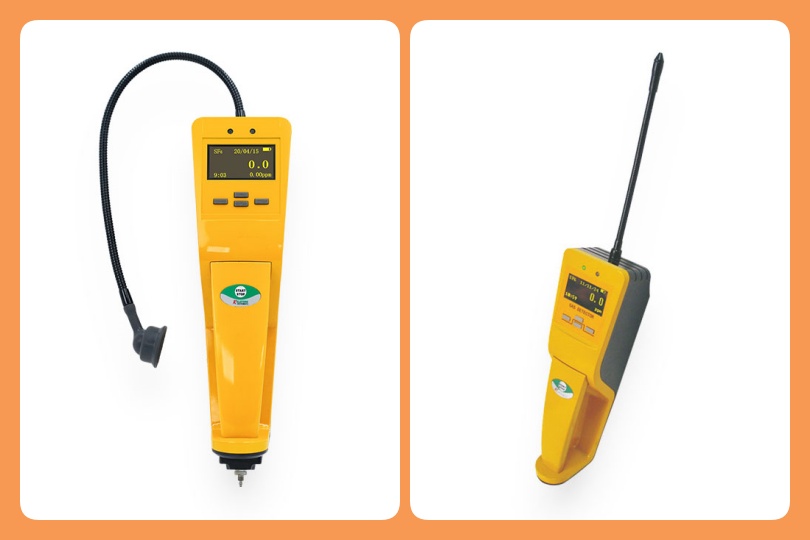
عندما تنتقل شركات المرافق من العزل التقليدي بغاز سادس فلوريد الكبريت (SF6) إلى أنظمة الغاز المختلط القائمة على غاز C4، يصبح قياس الرطوبة جزءًا أساسيًا من مراقبة جودة الغاز، والتشغيل، والصيانة الدورية. طلب إلى مقياس نقطة الندى SF6 لمراقبة العزل البديل لغاز C4 المختلط GIS لذا ينبغي التركيز على أكثر من مجرد سعر الجهاز. يجب أن يوفر المحلل المختار أداءً موثوقًا به في ظروف الرطوبة المنخفضة، ومواد مناسبة لمسار الغاز، ومعايرة قابلة للتتبع، وإجراءات استعادة آمنة لمزيج العزل البديل المحدد المستخدم في نظام العزل الغازي.
تختلف تقنية الغاز المختلط C4 - التي تعتمد عادةً على مركبات الفلورونيتريل الممزوجة بثاني أكسيد الكربون أو الأكسجين أو غازات حاملة أخرى - في خصائصها الفيزيائية عن غاز سادس فلوريد الكبريت النقي. ومع ذلك، يظل الهدف التشغيلي كما هو: التحكم في بخار الماء لحماية قوة العزل الكهربائي، ومنع التكثيف، ودعم موثوقية مفاتيح التبديل المعزولة بالغاز على المدى الطويل.
لماذا يُعد قياس نقطة الندى مهمًا في نظام المعلومات الجغرافية للغازات المختلطة C4
محترف مقياس نقطة الندى SF6 لمراقبة العزل البديل لغاز C4 المختلط GIS ينبغي تحديد نطاق الرطوبة المطلوب، وظروف الضغط، وتكوين أخذ العينات، ووحدات الإبلاغ قبل تحديد النموذج. تُبلغ نقطة الندى عادةً بالدرجة المئوية، أو الفهرنهايتية، أو جزء في المليون حجمًا، أو جزء في المليون وزنًا، أو نقطة التجمد. بالنسبة لفرق صيانة نظم المعلومات الجغرافية، تُعد قيم جزء في المليون حجمًا وقيم نقطة الندى المصححة للضغط مفيدة بشكل خاص عند مقارنة النتائج بحدود الشركة المصنعة للمعدات.
يمكن أن تساهم الرطوبة الزائدة في نظام العزل الغازي ذي العزل البديل في العديد من المخاطر التشغيلية:
- انخفاض هامش العزل الكهربائي في ظل ظروف المجال الكهربائي المرتفع
- خطر التكثيف أثناء تغيرات درجة الحرارة أو انخفاض الضغط
- زيادة احتمالية التآكل في حجرات الغاز المعدنية
- نتائج قبول جودة الغاز غير المتسقة أثناء التشغيل
- صعوبة في تأكيد الامتثال لحدود الرطوبة المحددة من قبل الشركة المصنعة
لا يوجد حد رطوبة صحيح موحد. يجب أن يستند إلى الوثائق الفنية للشركة المصنعة لنظام المعلومات الجغرافية، وتركيب خليط الغاز، وضغط التشغيل، ونطاق درجة الحرارة، وإجراءات الصيانة المطبقة للمرافق.
المعايير الفنية الرئيسية التي يجب تحديدها
نطاق القياس ودقته
عند طلب مقياس نقطة الندى SF6 لمراقبة العزل البديل لغاز C4 المختلط GISحدد نطاق بخار الماء المتوقع بدلاً من اختيار المعدات بناءً على أدنى حد كشف مُعلن عنه فقط. تتطلب تطبيقات نظم المعلومات الجغرافية غالبًا قياسات دقيقة عند مستويات رطوبة منخفضة للغاية، حيث يُعد استقرار المستشعرات والانضباط في التعامل مع العينات أمرًا بالغ الأهمية.
تشمل المعايير المهمة ما يلي:
- نطاق قياس نقطة الندى أو نقطة التجمد
- الدقة والتكرارية في نطاق التشغيل المقصود
- الدقة بالدرجة المئوية أو جزء في المليون
- زمن الاستجابة وزمن التعافي بعد التعرض لرطوبة أعلى
- نطاق ضغط التشغيل وطريقة تعويض الضغط
- متطلبات الإحماء وقابلية النقل الميداني
يُمكن لمقياس الرطوبة ذي المرآة المبردة توفير دقة مرجعية عالية في التطبيقات الخاضعة للتحكم، بينما قد توفر مستشعرات الرطوبة المصنوعة من البوليمر أو السيراميك سهولة عملية في النقل لإجراء الفحوصات الميدانية الروتينية. ويعتمد الاختيار المناسب على مستوى عدم اليقين المطلوب، وتواتر الاختبار، وبيئة الصيانة.
التوافق مع مخاليط الغاز البديلة
لا يُعد جهاز تحليل الرطوبة القياسي SF6 مناسبًا تلقائيًا لكل تطبيق من تطبيقات الغازات المختلطة C4. للحصول على جهاز موثوق مقياس نقطة الندى SF6 لمراقبة العزل البديل لغاز C4 المختلط GIS، تحقق من أن الشركة المصنعة تؤكد التوافق مع الخليط الفعلي القائم على الفلورونيتريل والتركيز.
ينبغي أن يستخدم مسار الغاز مواد مناسبة لخدمة الغاز العازل الجاف والنظيف، مثل مكونات الفولاذ المقاوم للصدأ المختارة بعناية، والصمامات، والحلقات المانعة للتسرب، والأنابيب. يجب أن تقلل أنظمة أخذ العينات من الامتصاص والتسرب والحجم الميت ودخول الهواء المحيط. في حال احتواء الخليط على الأكسجين أو مكونات أخرى، يجب مراجعة توافق المواد ومتطلبات السلامة وفقًا لبيانات السلامة الخاصة بمورد الغاز.
استعادة الغاز وأخذ العينات منخفضة الانبعاثات
يُعدّ فقدان الغاز مصدر قلق عملي وبيئي. مقياس نقطة الندى SF6 لمراقبة العزل البديل لغاز C4 المختلط GIS ينبغي أن يوضح ما إذا كان الجهاز يدعم أخذ العينات في حلقة مغلقة، أو استعادة الغاز الداخلية، أو الاتصال بنظام استعادة خارجي.
يقلل أخذ العينات بكميات صغيرة من كمية الغاز المُزال من الحجرة، ويساعد على تجنب التعامل غير الضروري مع غازات العزل المفلورة. بالنسبة للمنشآت الحساسة، حدد حجم العينة لكل اختبار، وكفاءة الاسترداد، ونوع التوصيل، وطول الخرطوم، وما إذا كان يلزم إجراء عملية تفريغ أو تنظيف بين القياسات.
المعايير والمعايرة والتوثيق
لضمان جودة المشتريات، أ مقياس نقطة الندى SF6 لمراقبة العزل البديل لغاز C4 المختلط GIS ينبغي أن يشمل ذلك متطلبات المعايرة والتوثيق. في حين أن معياري IEC 60376 وIEC 60480 يُشار إليهما على نطاق واسع فيما يتعلق بجودة غاز SF6 وممارسات إعادة استخدامه، يجب تقييم مخاليط الغاز البديلة وفقًا لتعليمات الشركة المصنعة لنظام المعلومات الجغرافية ومواصفات المشروع المحددة، بدلاً من افتراض أنها تتبع حدود SF6 بشكل مباشر.
قد تتضمن المراجع التقنية ذات الصلة ما يلي:
- المعيار الدولي IEC 62271-1 للمواصفات العامة لمفاتيح ومفاتيح التحكم ذات الجهد العالي
- معيار IEC 62271-203 للمفاتيح الكهربائية المعدنية المعزولة بالغاز
- معيار IEC 60376 لغاز SF6 ذي الدرجة التقنية المستخدم في المعدات الكهربائية
- معيار IEC 60480 لإرشادات إعادة استخدام غاز SF6 والتعامل معه
- متطلبات تتبع المعايرة وفقًا لمعيار ISO/IEC 17025 للمختبرات المعتمدة
اطلب شهادة معايرة قابلة للتتبع وفقًا للمعايير الوطنية أو الدولية المعترف بها. ولأغراض اختبار قبول المرافق، يُنصح أيضًا بتحديد فترة المعايرة، وإجراءات التحقق من المستشعر، ودعم الخدمة، والصيانة السنوية الموصى بها.
للحصول على دعم اختيار خاص بالمشروع، يُرجى التواصل معنا. إرشاد فردي من المهندسين الشخص الذي يمكنه مراجعة تركيبة الغاز والضغط وشكل التقرير المطلوب قبل طلب الجهاز.
الاختيار القائم على السيناريو لمشغلي نظم المعلومات الجغرافية
تشغيل نظام المعلومات الجغرافية الجديد
أثناء عملية قبول المصنع، أو قبول الموقع، أو التشغيل بعد التركيب، مقياس نقطة الندى SF6 لمراقبة العزل البديل لغاز C4 المختلط GIS ينبغي إعطاء الأولوية للتكرارية، والمعايرة القابلة للتتبع، وأخذ العينات المُتحكم بها. يجب أن يدعم الجهاز سجلات اختبار واضحة لكل حجرة غاز، بما في ذلك مُعرّف الحجرة، والضغط، ودرجة الحرارة، والتاريخ، والمُشغّل، ونتيجة الرطوبة.
الصيانة الوقائية الروتينية
بالنسبة لفرق الصيانة الدورية، غالباً ما تكون سهولة النقل وسرعة الاستقرار عاملين حاسمين. جهاز جاهز للاستخدام الميداني مقياس نقطة الندى SF6 لمراقبة العزل البديل لغاز C4 المختلط GIS ينبغي أن تتضمن حماية قوية أثناء النقل، وإمكانية استخدام البطارية عند الحاجة، ووصلات سريعة التوصيل، وسير عمل بسيط لتسجيل البيانات.
التحقيق بعد التعامل مع الغاز أو أحداث الإنذار
بعد تعبئة الغاز، أو إصلاح التسريبات، أو تغيرات الضغط غير الطبيعية، أو الإنذارات المتعلقة بالرطوبة، مقياس نقطة الندى SF6 لمراقبة العزل البديل لغاز C4 المختلط GIS ينبغي أن تدعم القياسات المتكررة دون استهلاك مفرط للغاز. يجب أن تتبع الاختبارات إجراءات التعامل مع الغاز المعتمدة وأن تتأكد من استقرار القيم المقاسة قبل استخلاص النتائج.
كيفية طلب عرض أسعار دقيق
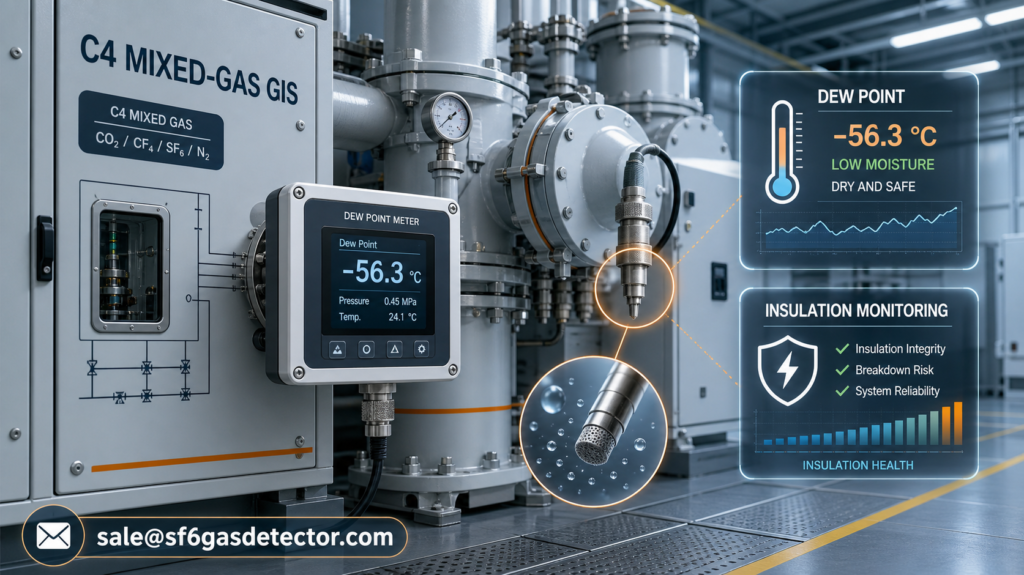
للحصول على معلومات دقيقة مقياس نقطة الندى SF6 لمراقبة العزل البديل لغاز C4 المختلط GISيرجى تقديم اسم خليط الغاز، والضغط الاسمي، ونطاق نقطة الندى المتوقع، والدقة المطلوبة، ومعيار التوصيل، وتفضيلات الاسترداد، ووثائق الاعتماد المطلوبة. كما يرجى تأكيد ما إذا كان سيتم استخدام الجهاز لأغراض التشغيل، أو الصيانة، أو التحقق المختبري، أو التشخيص في حالات الطوارئ.
بإمكان المشترين الحصول على عروض أسعار المنتجات بسرعة من خلال تقديم هذه التفاصيل الفنية بالإضافة إلى بلد الوجهة وجدول التسليم المتوقع.
الأسئلة الشائعة
هل يمكن لجهاز قياس نقطة الندى SF6 قياس الغازات المختلطة C4؟
أ مقياس نقطة الندى SF6 لمراقبة العزل البديل لغاز C4 المختلط GIS لا يُقبل الجهاز إلا بعد أن يؤكد المورد توافق المستشعر ومسار الغاز مع الخليط المحدد القائم على مادة C4. قد يقيس الجهاز بخار الماء بكفاءة، ولكن يجب التحقق من أدائه وفقًا لتركيب الغاز وضغطه الفعليين.
هل ينبغي قياس نقطة الندى تحت الضغط؟
نعم. يؤثر الضغط على العلاقة بين نقطة الندى وتركيز بخار الماء. يجب الإبلاغ عن النتائج مع ضغط القياس أو تحويلها باستخدام طريقة التعويض الموثقة للجهاز.
ما هي الشهادة التي يجب إرفاقها مع العداد؟
كحد أدنى، اطلب شهادة معايرة قابلة للتتبع. بالنسبة لتطبيقات المرافق أو المختبرات الخاضعة للتنظيم، قد يتطلب نظام الجودة الخاص بالمشتري شهادة معايرة معتمدة وفقًا لمعيار ISO/IEC 17025.
كم مرة يجب معايرة مقياس نقطة الندى؟
يعتمد تواتر المعايرة على كثافة الاستخدام، والتعرض للرطوبة، وتوصيات الشركة المصنعة، وإجراءات الجودة الداخلية. المعايرة السنوية شائعة، ولكن التطبيقات الحساسة قد تتطلب التحقق بشكل أكثر تكرارًا.