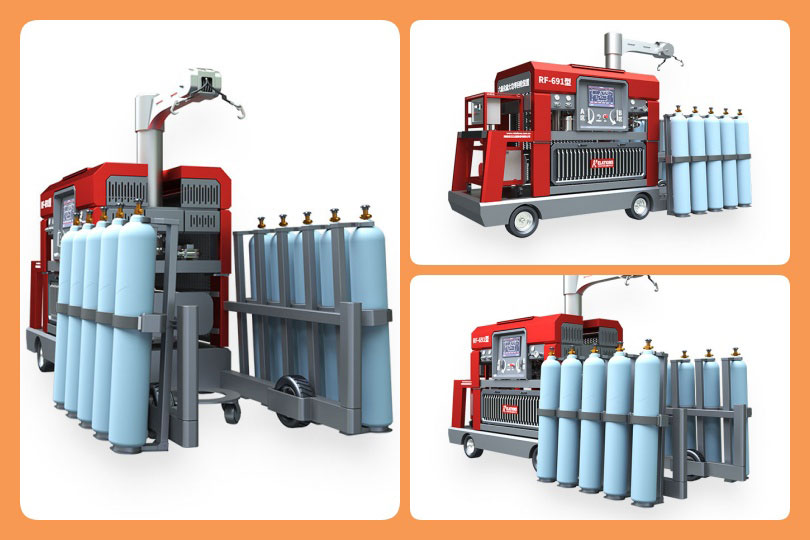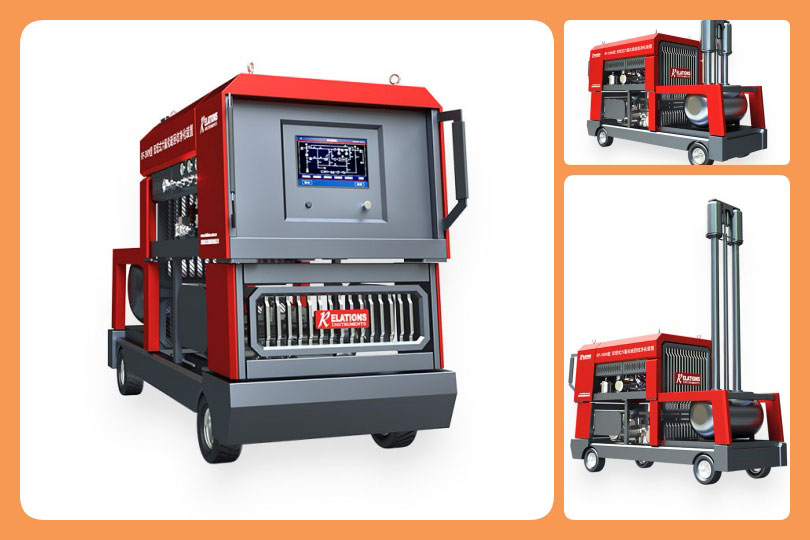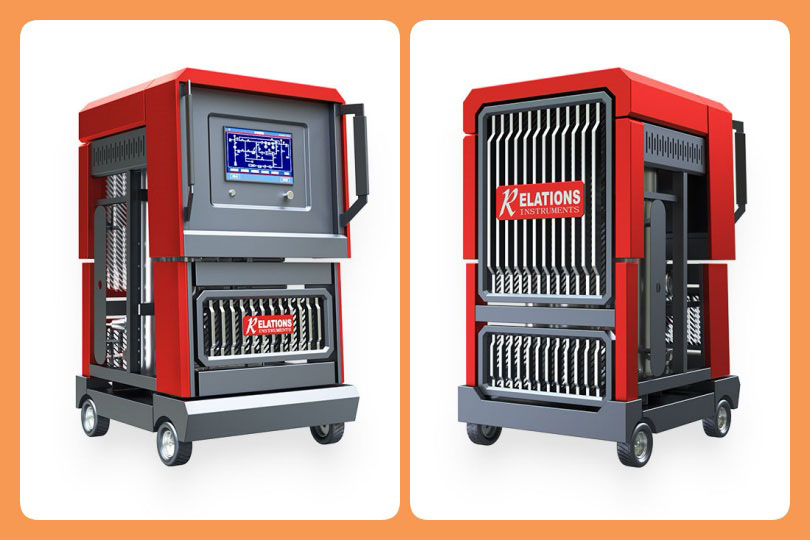
High-Pressure SF6 Liquefaction Recovery Equipment Supplier for EPC Contractors
Date
2026-11-23
[email protected]
Website
www.sf6gasdetector.com
Get Solutions And Quotes
Contact Factory
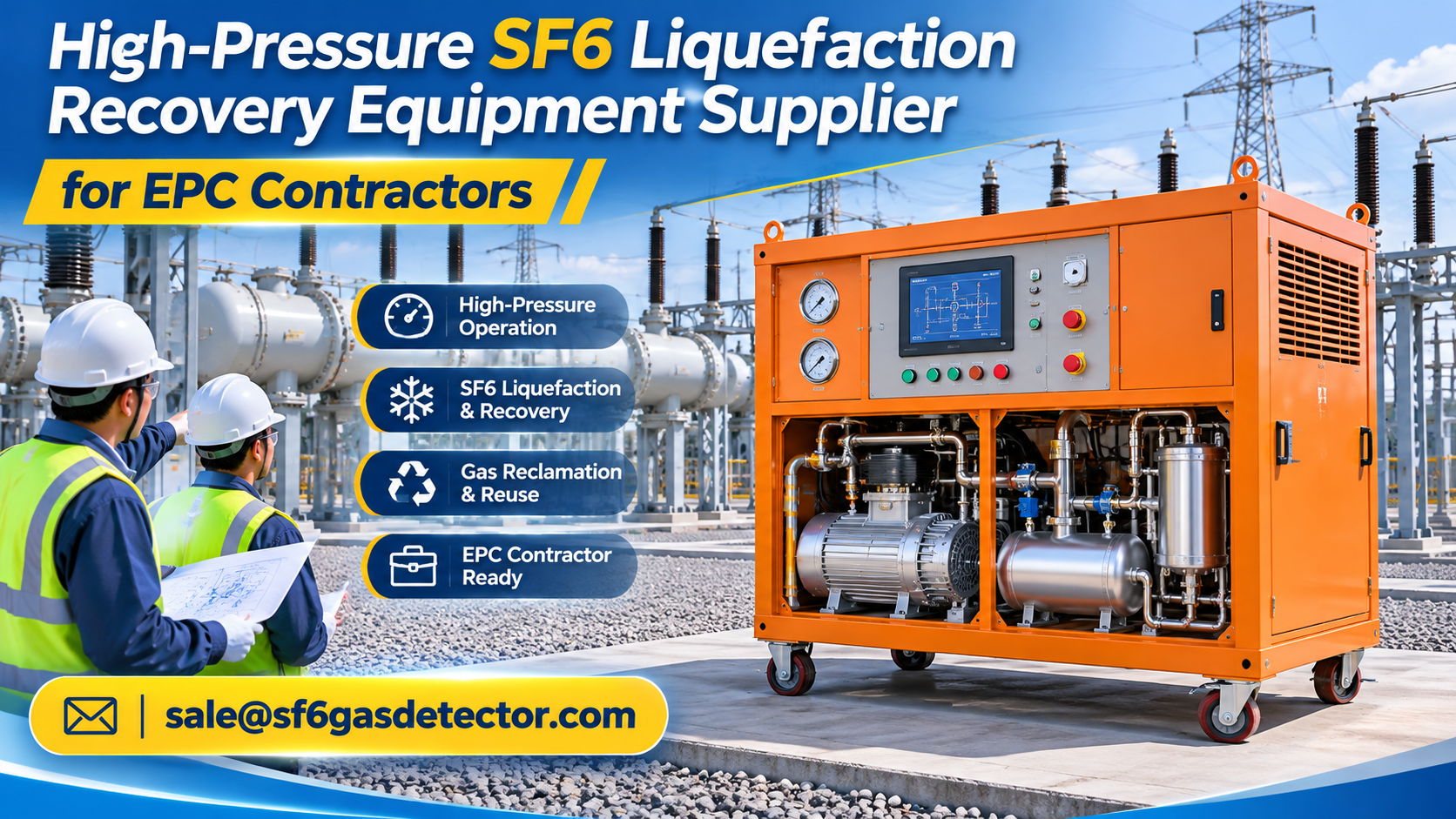
High-Pressure SF6 Liquefaction Recovery Equipment Supplier for EPC Contractors
Selecting a high pressure SF6 liquefaction recovery equipment supplier for EPC contractors is a technical procurement decision with direct implications for commissioning schedules, personnel safety, and environmental compliance. For engineering, procurement, and construction teams delivering gas-insulated substations, the equipment must recover sulfur hexafluoride efficiently, manage potentially contaminated gas, and transfer it into approved storage vessels. The strongest supplier proposals connect verified performance data with project conditions, applicable regulations, and practical site support.
Understanding High-Pressure SF6 Liquefaction Recovery
SF6 recovery equipment removes gas from electrical equipment, filters it through a specified treatment train, compresses it, and transfers it into storage. When pressure and temperature conditions permit, the recovered SF6 condenses into liquid, reducing storage volume compared with low-pressure gaseous storage.
Liquefaction depends on both pressure and temperature. SF6 has a critical temperature of approximately 45.6°C; above this temperature, pressure alone cannot produce a distinct liquid phase. Consequently, hot-climate projects require careful assessment of cooling capacity, storage temperature, and operating limits.
A recovery package should therefore be evaluated as an integrated system—not simply by its maximum compressor discharge pressure.
Define the Technical Procurement Parameters
A qualified high pressure SF6 liquefaction recovery equipment supplier for EPC contractors should provide a guaranteed performance schedule supported by documented test conditions.
Establish a Comparable Equipment Specification
| Parameter | Required supplier information | Project relevance |
|---|---|---|
| Recovery capacity | Mass flow at stated inlet pressure, ambient temperature, and gas condition | Supports realistic outage planning |
| Final recovery pressure | Guaranteed absolute pressure and measurement location | Determines residual gas remaining |
| Compressor performance | Operating envelope, duty cycle, discharge limits, and maintenance intervals | Confirms suitability for sustained operation |
| Cooling system | Cooling method, temperature limits, and capacity derating | Establishes hot-weather capability |
| Storage interface | Vessel compatibility, permitted filling mass, and weighing arrangements | Helps prevent overfilling |
| Gas treatment | Filter media, contaminant scope, and replacement criteria | Addresses moisture and decomposition products |
| Instrumentation | Accuracy, calibration requirements, alarms, and interlocks | Supports traceable operation |
| Site utilities | Electrical supply, starting demand, and cooling-water requirements where applicable | Prevents installation delays |
Specify recovery capacity in kilograms per hour under defined conditions. A nominal volumetric flow without reference pressure and temperature is insufficient for comparing bids.
Separate Recovery, Evacuation, and Gas Quality
Recovery performance and vacuum-pump performance are different measurements. A deep vacuum specification may describe evacuation of air before filling rather than removal of SF6 during recovery.
Likewise, a particulate or moisture filter does not automatically make recovered gas suitable for reuse. Gas acceptance should follow testing against the applicable specification, including relevant purity, moisture, and decomposition-product criteria.
Verify Standards and Regulatory Applicability
Compliance requirements depend on equipment design, installation location, transport arrangements, and the activities performed. No single certificate establishes worldwide compliance.
Apply Relevant IEC Guidance
The technical specification should reference current applicable editions of:
- IEC 62271-4: handling procedures for gases used in insulation and switching applications.
- IEC 60376: specifications for technical-grade SF6 and complementary gases used in electrical equipment.
- IEC 60480: specifications for reuse of SF6 and its mixtures in electrical equipment.
These documents address different subjects. Compliance with a gas-quality specification is not equivalent to certification of the recovery machine.
Check Pressure, Electrical, and Transport Requirements
For European projects, assess applicable pressure-equipment, electrical-safety, electromagnetic-compatibility, and machinery requirements. CE marking must be supported by the relevant conformity assessment and declaration; it is not a universal third-party quality certificate.
For other destinations, identify locally adopted pressure-vessel and electrical codes before ordering. ASME requirements may apply where specified or adopted, while gas cylinders and transportable pressure equipment can follow separate regulatory frameworks.
EU projects must also assess Regulation (EU) 2024/573, including relevant SF6 handling, personnel certification, recovery, and switchgear restrictions. Recovery equipment does not make an otherwise restricted new installation permissible.
Match Equipment Configuration to Site Scenarios
Large GIS Commissioning Projects
For projects with substantial gas inventories, prioritize sustained recovery capacity, adequate storage logistics, and compatible manifold connections. Ask the supplier to estimate recovery time using compartment volume, initial gas pressure, target residual pressure, and expected ambient conditions.
A high initial recovery rate alone can conceal a lengthy low-pressure recovery stage.
Hot-Climate Substations
For high-ambient-temperature SF6 recovery equipment, require performance data at the specified site temperature. Verify whether refrigeration is necessary and whether storage vessels remain within approved temperature and filling limits.
Do not accept an unsupported claim that additional discharge pressure will guarantee liquefaction.
Brownfield Maintenance and Contaminated Gas
For equipment exposed to internal arcing, specify suitable filtration, segregated storage, and procedures for hazardous decomposition products. Operators need task-specific protective measures, ventilation, and contamination controls.
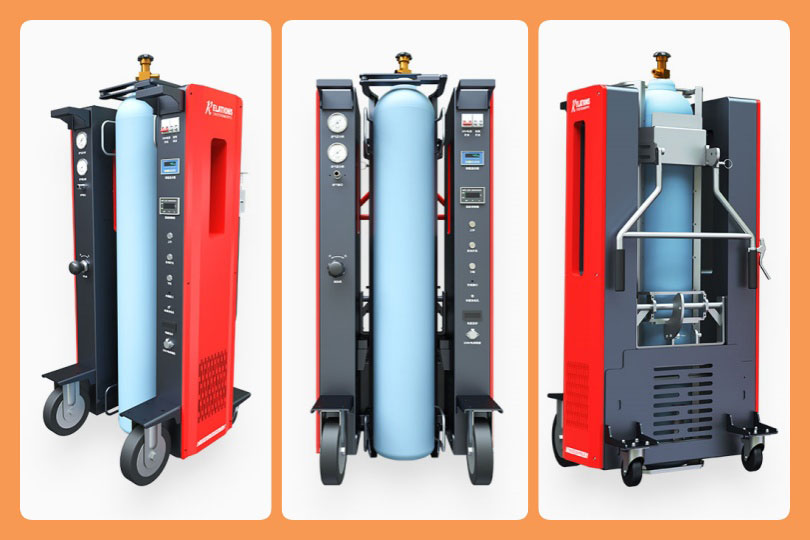
Portable SF6 recovery units can simplify access in constrained substations, but mobility must not compromise vessel stability, hose integrity, or safe lifting.
Evaluate Supplier Evidence and Lifecycle Support
When evaluating a high pressure SF6 liquefaction recovery equipment supplier for EPC contractors, request evidence rather than relying on brochure claims:
- Factory acceptance testing against agreed performance criteria.
- Pressure-system documentation and applicable inspection records.
- Calibration records for critical instruments.
- Operating manuals, maintenance schedules, and spare-parts lists.
- Operator training and commissioning support.
- Documented service response arrangements.
ISO 9001 certification can support confidence in quality-management processes, but it does not independently verify recovery capacity or regulatory conformity.
Frequently Asked Questions
Can recovered SF6 be reused immediately?
Not automatically. Test recovered gas against the applicable reuse criteria and equipment-owner requirements. Additional treatment or specialist processing may be necessary.
Does higher pressure always mean faster recovery?
No. Recovery time also depends on inlet pressure, compressor characteristics, hose restrictions, cooling performance, and the required final recovery pressure.
How should storage-cylinder filling be controlled?
Use approved vessels and monitor filling by mass within their permitted limits. Pressure alone is not a reliable indication of liquid SF6 inventory.
Building a Defensible Procurement Decision
The right supplier combines measurable recovery performance, destination-specific compliance, and dependable field support. By defining operating conditions and acceptance criteria before tendering, EPC contractors can compare bids fairly, reduce commissioning uncertainty, and support controlled, traceable SF6 handling throughout the project lifecycle.