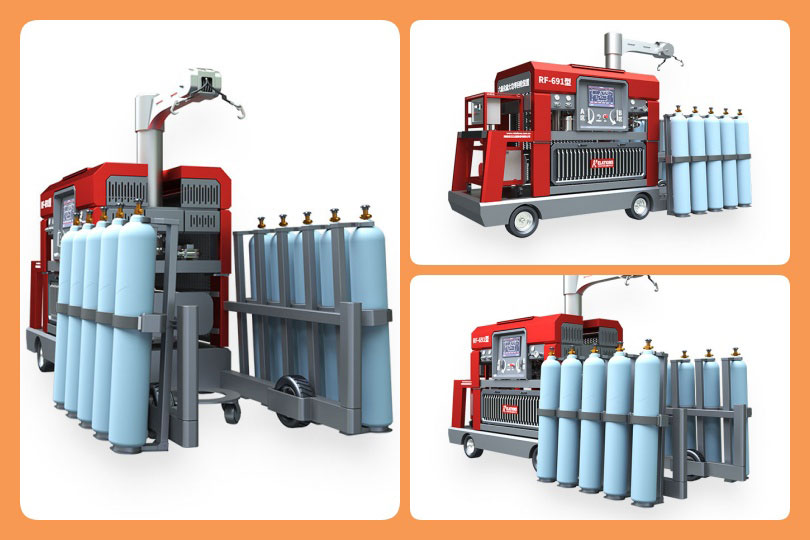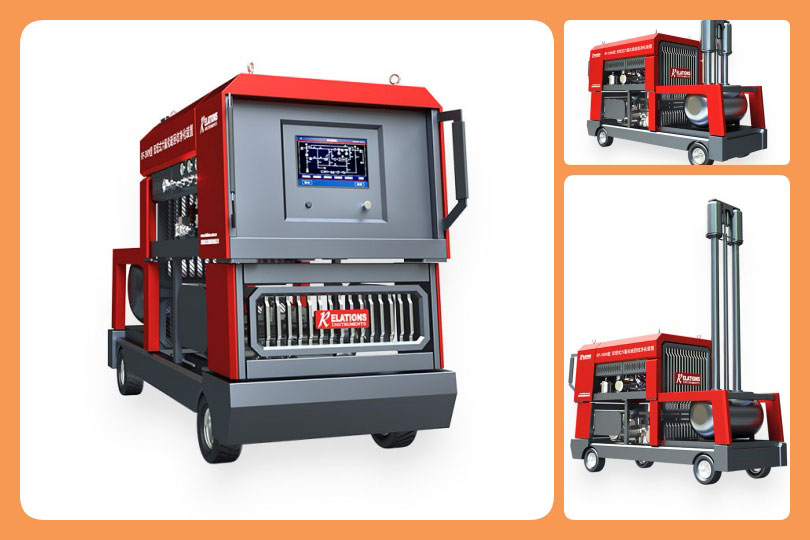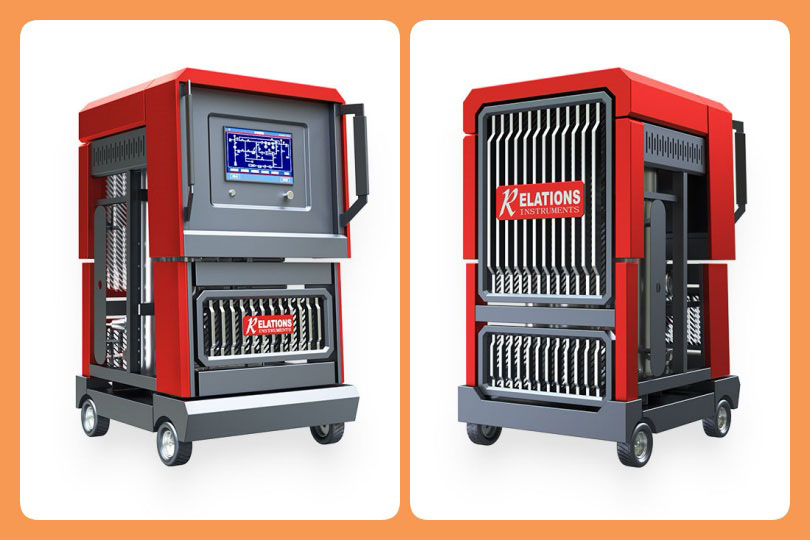
SF6 Leak Detection Manufacturer for Safer Steel Plant Substations

Date
2026-11-19
[email protected]
Website
www.sf6gasdetector.com
Get Solutions And Quotes
Contact Factory
SF6 Leak Detection Manufacturer for Safer Steel Plant Substations
Choosing an SF6 leak detection equipment manufacturer for steel plant electrical substations requires more than comparing sensor sensitivity. Steelworks combine high electrical loads, airborne dust, vibration, temperature fluctuations, and demanding maintenance schedules. Detection equipment must identify gas releases reliably while supporting safe access, environmental reporting, and switchgear maintenance. The strongest procurement approach evaluates measurement performance, installation suitability, calibration support, and documented compliance against the actual substation environment.
Why Steel Plant Substations Need Specialized Leak Detection
SF6 is used as an insulating and arc-quenching medium in certain gas-insulated switchgear and circuit breakers. Leakage can reduce equipment gas inventory, increase greenhouse gas emissions, and eventually compromise insulation performance if equipment-specific operating limits are exceeded.
Steel plant substations introduce additional challenges. Ventilation patterns can dilute or redirect small releases, while cable trenches and low-lying spaces may allow gas accumulation. Nearby furnaces, drives, and heavy machinery create thermal and electromagnetic stresses.
An effective SF6 leak detection strategy therefore separates three functions:
- Continuous area monitoring to detect releases in occupied or enclosed spaces.
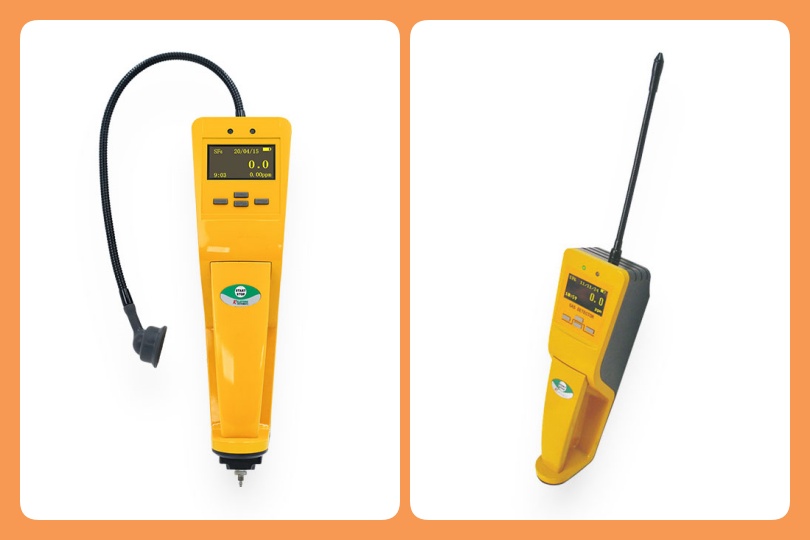
- Portable leak localization to identify leaking flanges, valves, seals, and service connections.
- Switchgear gas-density monitoring to track compartment condition.
These functions complement one another; an ambient gas detector does not replace the switchgear manufacturer’s density alarms or interlocks.
Define Technical Parameters Before Selecting a Manufacturer
A qualified SF6 leak detection equipment manufacturer for steel plant electrical substations should provide testable specifications rather than broad claims such as “ultrahigh accuracy.”
Detection Technology and Measurement Capability
Infrared absorption and photoacoustic methods are commonly used for SF6 measurement. Suitability depends on the instrument design, measurement range, interference control, and installation conditions—not simply the technology label.
Specify the following parameters in the procurement document:
| Parameter | What the supplier should document |
|---|---|
| Measurement range | Suitability for background monitoring, alarm detection, or leak localization |
| Detection limit | Test conditions, statistical definition, and averaging time |
| Accuracy and repeatability | Performance across relevant concentrations and environmental conditions |
| Response time | Sensor response plus tubing and sampling-cycle delays |
| Cross-sensitivity | Effects of moisture and gases expected at the installation |
| Environmental limits | Temperature, humidity, condensation restrictions, and enclosure rating |
| Calibration | Gas standards, procedures, intervals, and traceability |
| Diagnostics | Sensor faults, blocked sampling lines, pump failure, and power loss |
Ambient concentration in ppm and leak rate in mass per year describe different quantities. A manufacturer should not present them as interchangeable without explaining the measurement method and assumptions.
Installation and Communications
For fixed SF6 monitoring systems, evaluate cable routing, sampling-line materials, filtration, power supply, and maintenance access. Long sampling lines can delay detection, while multiplexed systems introduce channel revisit times.
Require compatibility with the plant’s approved control architecture. Options may include isolated analog outputs, alarm relays, or industrial communications. Specify fault signaling separately from gas alarms so that a failed instrument cannot appear to indicate normal conditions.
Verify Standards, Certifications, and Regulatory Applicability
Compliance documentation should identify the exact product model, applicable standard edition, test scope, and issuing organization.
IEC 61010-1 may apply to measurement and control equipment safety, while IEC 61326-1 addresses electromagnetic compatibility for relevant equipment categories. IEC 60529 defines enclosure ingress-protection classifications. The appropriate requirements depend on product design and intended use.
IEC 62271-4 provides procedures for handling gases used in high-voltage switchgear. IEC 60376 and IEC 60480 address technical requirements for SF6 and criteria for its reuse, respectively; they are not blanket certifications for ambient leak detectors.
An ISO 9001 certificate supports confidence in a manufacturer’s quality management system but does not independently prove detector accuracy. Where calibration is outsourced, an ISO/IEC 17025-accredited laboratory with a relevant scope provides stronger evidence of measurement competence.
For European projects, assess obligations under Regulation (EU) 2024/573 and applicable implementing requirements. Switchgear restrictions, leak-checking provisions, and personnel requirements depend on equipment characteristics and regulatory conditions. Other jurisdictions require separate legal review.
ATEX or IECEx certification is relevant only where the installation’s hazardous-area classification requires appropriately certified equipment. A steel plant location alone does not establish that requirement.
Match Equipment to Real Operating Scenarios
Enclosed GIS Rooms and Cable Basements
Use fixed SF6 leak detection equipment where continuous surveillance is justified by gas inventory, occupancy, ventilation, and risk assessment. Locate monitoring points using credible release paths and airflow behavior rather than a universal mounting height.
Although SF6 is denser than air, ventilation and release dynamics affect its distribution. Oxygen monitoring may also be necessary where oxygen displacement is a credible hazard.
Outdoor Switchyards
Outdoor airflow can make ambient monitoring less effective for small leaks. Combine compartment density trending with scheduled portable SF6 leak surveys around accessible joints and service points.
Follow electrical approach distances and site permits. Leak inspection does not justify entering restricted zones around energized equipment.
Shutdown Maintenance and Post-Repair Checks
Portable instruments support targeted inspections after seal replacement or gas-handling work. Verify instrument operation before use and follow the equipment manufacturer’s leak-testing procedure.
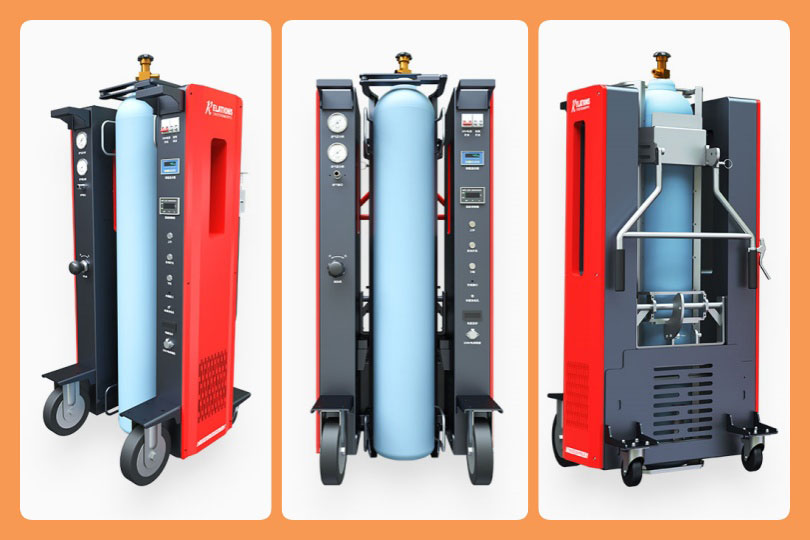
Recover gas using suitable handling equipment rather than intentionally venting it. Where internal arcing or contamination is suspected, apply procedures addressing potentially hazardous decomposition products.
Evaluate Lifecycle Support, Not Just Purchase Price
Ask the SF6 leak detection equipment manufacturer for steel plant electrical substations to propose a documented commissioning plan. It should cover baseline measurements, alarm verification, communication checks, sampling delays, operator training, and maintenance responsibilities.
Compare replacement sensor costs, calibration turnaround, spare-parts availability, software support, and local service capability. Alarm thresholds should follow the site risk assessment, applicable exposure guidance, and operating procedures—not an unsupported universal setting.
Frequently Asked Questions
Can one detector protect an entire substation?
Not necessarily. Coverage depends on room geometry, ventilation, gas inventory, sampling design, and required detection time. Validate coverage during engineering and commissioning.
How often should equipment be calibrated?
Follow the manufacturer’s instructions and site quality procedures. Adjust intervals using drift history, environmental exposure, criticality, and applicable requirements.
Does leak detection prove switchgear integrity?
No. Detection supports maintenance but does not replace density monitoring, prescribed inspections, or electrical condition assessment.
A Defensible Procurement Decision
Select equipment through documented performance criteria, installation-specific engineering, and verifiable service support. This approach makes SF6 leak detection a practical part of steel plant electrical reliability, worker protection, and responsible gas management.