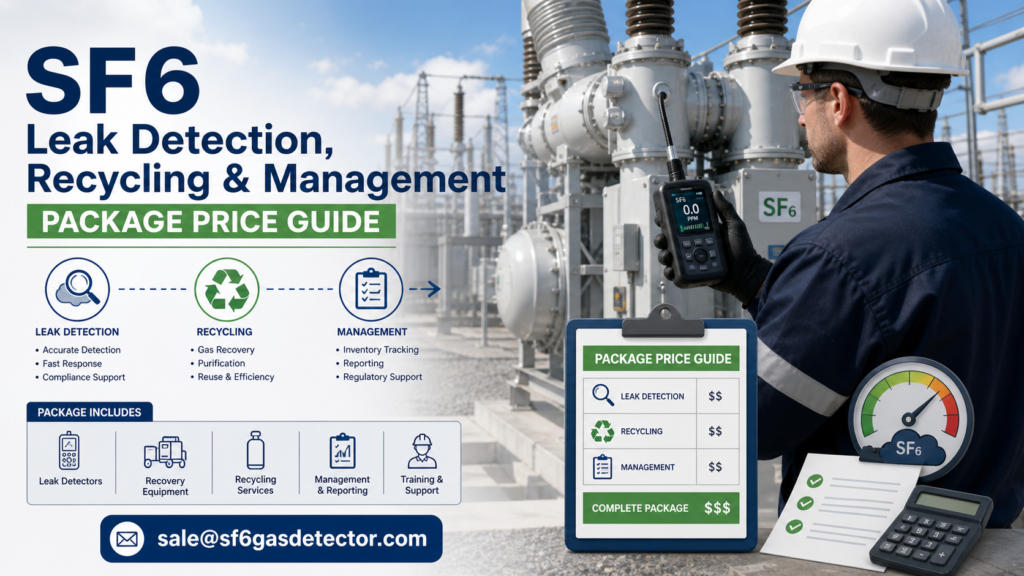
دليل أسعار باقة الكشف عن تسرب غاز SF6 وإعادة تدويره وإدارته
تاريخ
2026-08-12
بريد إلكتروني
[email protected]
موقع إلكتروني
www.sf6gasdetector.com
احصل على الحلول وعروض الأسعار
اتصل بالمصنع
دليل أسعار باقة الكشف عن تسرب غاز SF6 وإعادة تدويره وإدارته
يُعدّ سعر حزمة إدارة كشف تسرب غاز سادس فلوريد الكبريت وإعادة تدويره عاملاً هاماً بالنسبة لشركات المرافق العامة، ومقاولي الكهرباء، ومصنّعي أنظمة المعلومات الجغرافية، ومقدّمي خدمات الصيانة الذين يشغّلون معدات ذات جهد عالٍ. تجمع الحزمة المتكاملة بين الكشف الدقيق عن تسرب سادس فلوريد الكبريت، وإدارة الانبعاثات الموثقة، وقدرات استعادة الغاز المتوافقة مع المعايير. وبدلاً من شراء أجهزة منفصلة، تختار العديد من المؤسسات حلولاً متكاملة تدعم صيانة أكثر أماناً، وتقليل خسائر غاز سادس فلوريد الكبريت، وسجلات قابلة للتدقيق، وتكاليف دورة حياة أكثر قابلية للتنبؤ.
يُستخدم غاز سادس فلوريد الكبريت (SF6) على نطاق واسع كعازل ومُخمد للشرارات الكهربائية في مفاتيح التوزيع المعزولة بالغاز (GIS)، وقواطع الدائرة، ووحدات التوزيع الحلقية، وغيرها من المعدات ذات الجهد العالي. ومع ذلك، يتميز هذا الغاز بقدرة عالية جدًا على إحداث الاحتباس الحراري، لذا فإن إدارة التسريبات واستعادة الغاز بطريقة مسؤولة أمر ضروري للأداء البيئي، والامتثال للوائح، والموثوقية التشغيلية.
ما الذي تتضمنه حزمة الكشف عن تسرب غاز SF6 وإعادة تدويره؟
تتضمن حزمة إدارة الكشف عن تسرب غاز SF6 وإعادة تدويره عادةً المعدات والإجراءات اللازمة لتحديد مواقع التسربات، وقياس جودة الغاز، واستعادة غاز SF6، وإعادة الغاز القابل لإعادة الاستخدام إلى الخدمة أو التخزين المعتمد.
معدات الكشف عن التسربات الأساسية
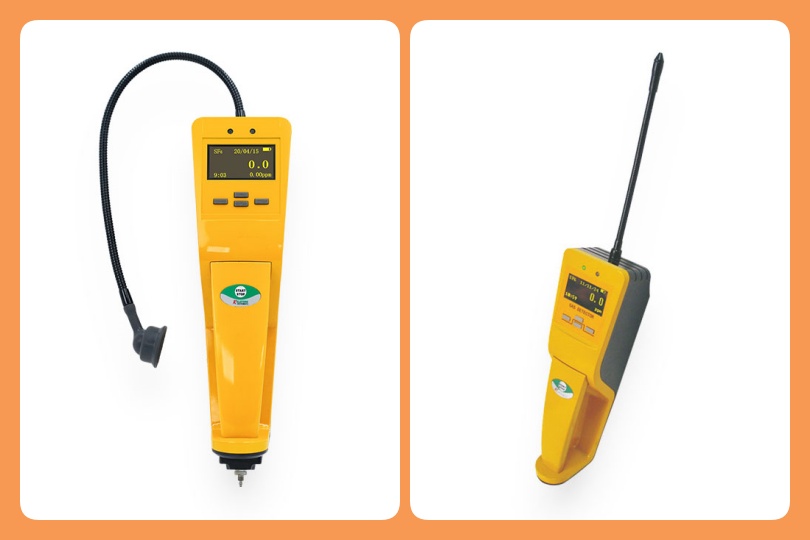
تتضمن الحزمة الاحترافية عادةً جهاز كشف تسرب غاز سادس فلوريد الكبريت (SF6) محمولًا يعتمد على الاستشعار بالأشعة تحت الحمراء، أو كشف التقاط الإلكترون، أو تقنيات أخرى مناسبة. أما بالنسبة للاستخدام الميداني، فقد تشمل معايير الأداء الرئيسية ما يلي:
- حساسية عالية للكشف عن تسرب غاز سادس فلوريد الكبريت بمستويات منخفضة
- سرعة الاستجابة والتعافي
- مسبار مرن لوصلات الصمامات، والشفاه، والبطانات، وحجرات نظام الغاز المعزول (GIS)
- إنذارات صوتية ومرئية
- تعمل ببطارية قابلة للشحن
- تسجيل البيانات أو إعداد التقارير عبر تقنية البلوتوث، عند الاقتضاء
ينبغي اختيار معدات كشف التسرب وفقًا لمعدل التسرب المتوقع، وسهولة الوصول إلى موقع التركيب، والظروف المحيطة، وإجراءات الصيانة المتبعة في الموقع. وتُعدّ أجهزة الكشف المحمولة مفيدةً للفحوصات الروتينية، وفحوصات التشغيل، والتحقيق في الأعطال المحددة.
معدات استعادة وإعادة تدوير وتعبئة غاز SF6
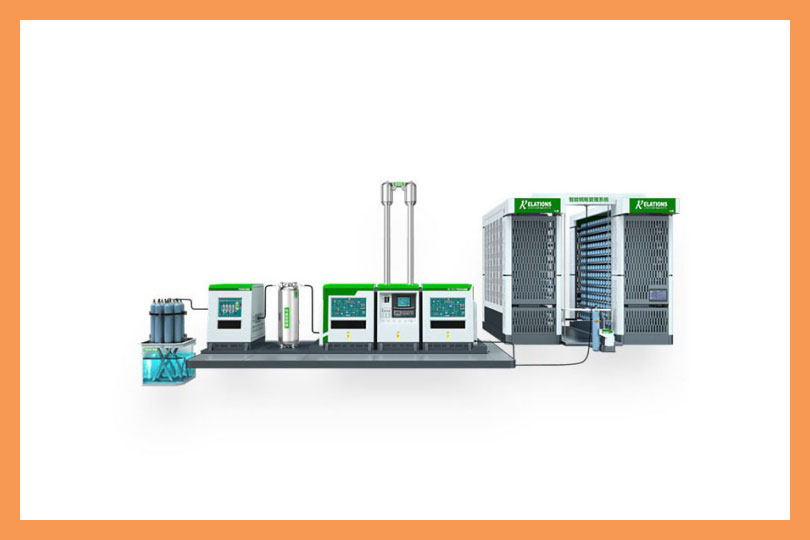
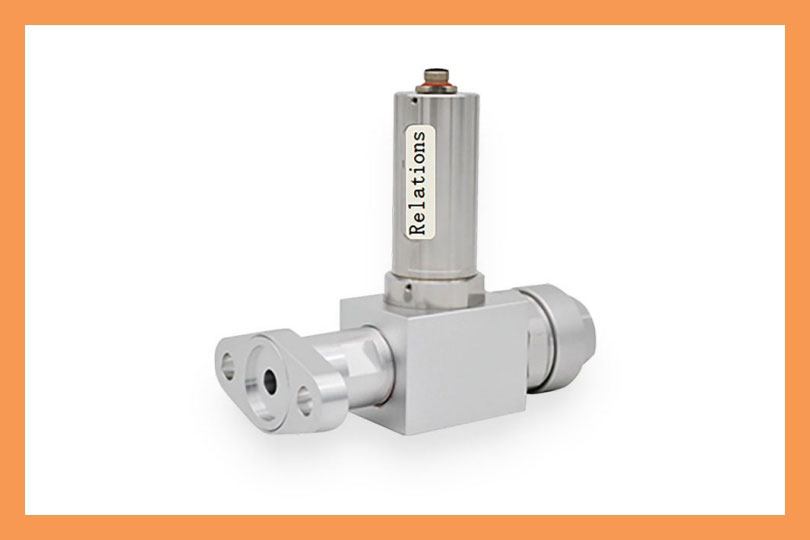
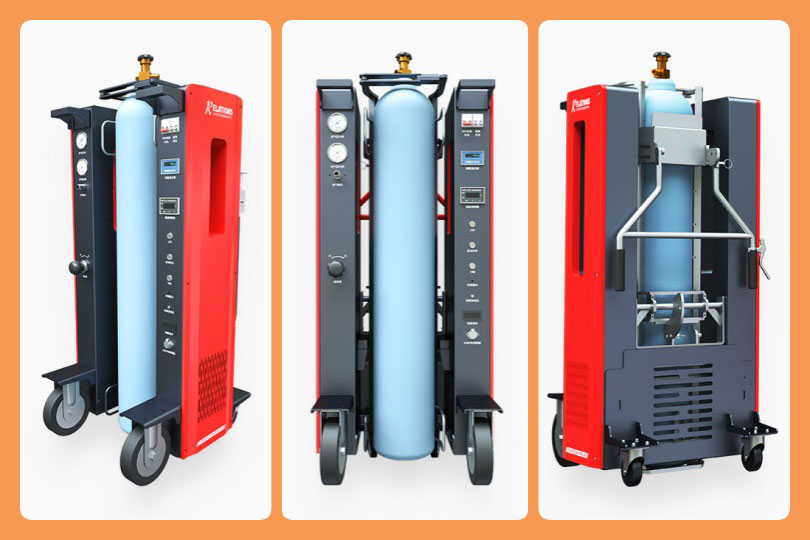
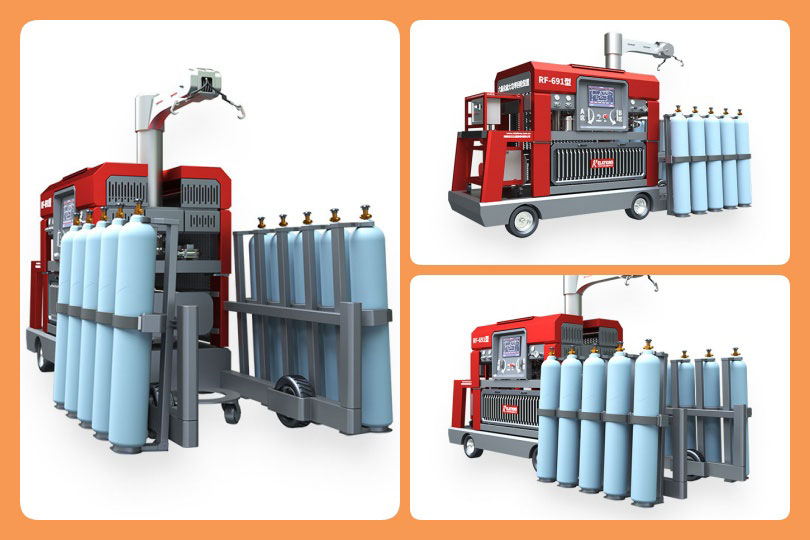
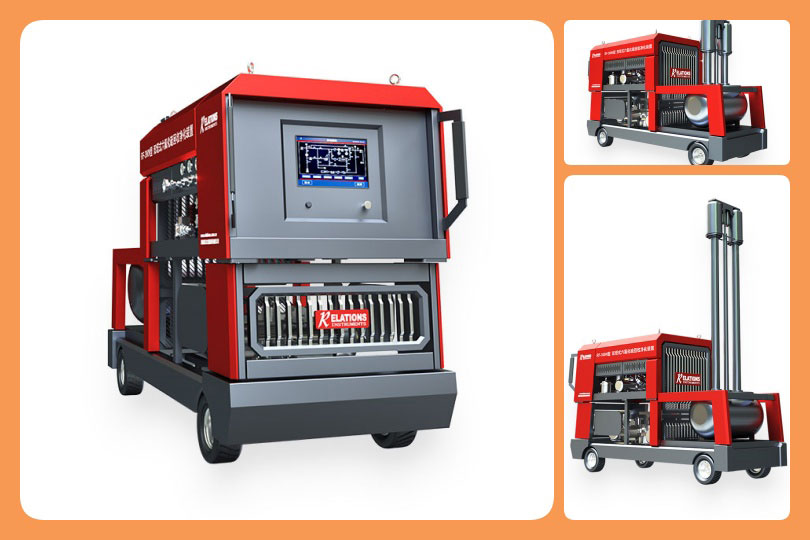
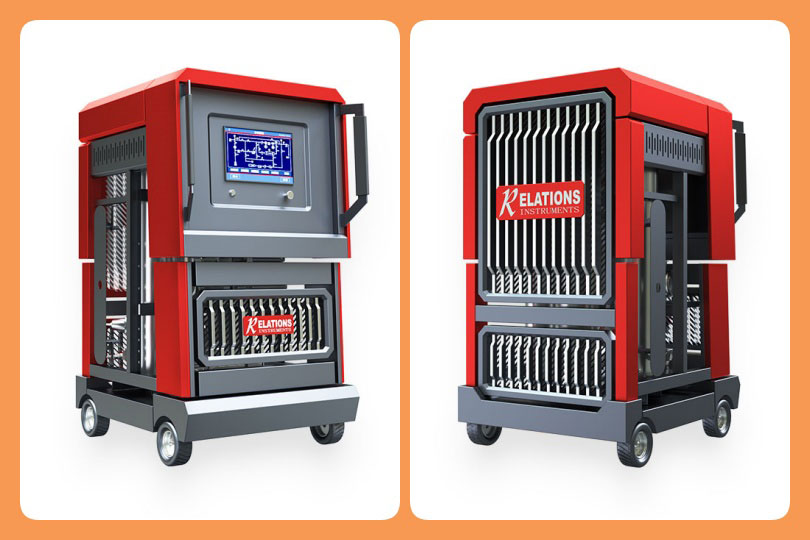
يتضمن قسم إعادة التدوير في هذه المجموعة عادةً وحدة استعادة غاز سادس فلوريد الكبريت (SF6)، ومضخة تفريغ، وضاغط هواء، ووصلة أسطوانة تخزين، ونظام ترشيح، وخراطيم، ووصلات، ومعدات وزن. وبحسب التكوين، قد تدعم الوحدة استعادة الغاز، أو إخلاءه، أو تنقيته، أو تخزينه، أو إعادة تعبئته، أو نقله بشكل مُتحكم فيه بين حجرات الغاز.
بالنسبة لفرق صيانة الجهد العالي، تُصمَّم الأنظمة الأكثر فعالية لتقليل فاقد الغاز أثناء التعامل معه مع الحفاظ على استقرار ضغط التحكم. يجب أن تكون الوحدة المُصمَّمة بدقة متوافقة مع نطاق الضغط وحجم الغاز في لوحة المفاتيح الكهربائية التي تتم صيانتها.
قياس جودة الغاز وتوثيقها
يشترط العديد من مالكي الأصول أيضًا تحليل نقاء غاز سادس فلوريد الكبريت (SF6) ورطوبته ونواتج تحللهتساعد هذه القياسات في تحديد ما إذا كان من الممكن تنقية الغاز المستعاد وإعادة استخدامه أو ما إذا كان يجب إرساله إلى مزود معالجة معتمد.
قد يتضمن برنامج الإدارة الكامل ما يلي:
- تحديد المعدات وموقع الخدمة
- تاريخ الفحص أو الصيانة
- نتيجة الكشف عن التسرب ومصدر التسرب المُقدَّر
- كمية الغاز المستردة أو المضافة أو المنقولة
- نتائج نقاء ورطوبة غاز SF6
- الإجراء التصحيحي وموافقة الفني
يدعم حفظ السجلات هذا تخطيط الصيانة ويعزز إعداد التقارير البيئية.
العوامل الرئيسية المؤثرة على إدارة كشف تسرب غاز SF6 وسعر حزمة إعادة التدوير
تختلف أسعار حزمة إدارة الكشف عن تسرب غاز SF6 وإعادة تدويره بشكل كبير لأن الحزمة عادة ما يتم تكوينها وفقًا لنوع معدات المستخدم وحجم الخدمة ومتطلبات الامتثال.
قدرة الاسترداد وضغط التشغيل
يُعدّ معدل تدفق الاسترداد أحد أهم العوامل المؤثرة في السعر. عادةً ما تكون تكلفة الوحدة الصغيرة المُخصصة لأعمال قواطع الدائرة الكهربائية العرضية أقل من تكلفة نظام استرداد غاز سادس فلوريد الكبريت عالي السعة المُصمم لحجرات العزل الغازي الكبيرة. كما أن الأداء العالي للتفريغ، وسرعة نقل الغاز، وتوافق التخزين الأكبر حجمًا، كلها عوامل قد تزيد من الاستثمار.
قبل مقارنة عروض الأسعار، تأكد من معدل الاسترداد المطلوب، ومستوى الفراغ النهائي، وأقصى ضغط دخول، وسعة الأسطوانة المتوافقة. هذه المعايير أكثر أهمية من السعر وحده لأنها تحدد ما إذا كان النظام سيقلل من وقت التوقف في ظروف الصيانة الفعلية.
ميزات حساسية الكشف والإبلاغ
قد يفي جهاز الكشف اليدوي الأساسي عن غاز SF6 بمتطلبات الفحص الروتيني، في حين أن الجهاز المتقدم ذو عتبات الكشف المنخفضة، ودعم المعايرة، والتسجيل المدمج، والإبلاغ الرقمي قد يكون أكثر ملاءمة للمرافق التي لديها برامج رسمية للتحكم في الانبعاثات.
تستفيد المؤسسات التي تدير محطات فرعية متعددة غالبًا من أجهزة الكشف التي تُسهّل تتبع النتائج حسب الأصل والموقع. وهذا يُساعد مديري الصيانة على تحديد نقاط التسريب المتكررة، وتحديد أولويات الإصلاحات، وإثبات التحسين المستمر.
متطلبات تحليل وتنقية الغاز
تتميز الحزم التي تتضمن أجهزة تحليل نقاء غاز سادس فلوريد الكبريت، وقياس نقطة الندى، واختبار ثاني أكسيد الكبريت أو نواتج التحلل، والترشيح المتكامل، بتكلفة أولية أعلى بطبيعة الحال. ومع ذلك، فإنها تُسهم في الحد من التخلص غير الضروري من الغاز، وتساعد المستخدمين على اتخاذ قرارات مدروسة بشأن إعادة استخدام الغاز.
بالنسبة للمؤسسات التي تقوم بصيانة أنظمة المعلومات الجغرافية القديمة أو قواطع الدائرة المعطلة بشكل منتظم، يمكن أن توفر إمكانيات التنقية والتحليل عائدًا قويًا من خلال حماية المعدات وتقليل الحاجة إلى شراء غاز SF6 البديل.
معايير الامتثال وتوقعات التشغيل الآمن
ينبغي تقييم معدات معالجة غاز سادس فلوريد الكبريت (SF6) وفقًا للوائح الإقليمية المعمول بها، ومواصفات العملاء، والممارسات الصناعية المتعارف عليها. يوفر معيار IEC 60480 إرشادات حول إعادة استخدام غاز سادس فلوريد الكبريت (SF6) ومعالجته، بما في ذلك اعتبارات الجودة للغاز المُستعاد. كما أن متطلبات سلسلة IEC 62271 ذات صلة بتطبيقات مفاتيح الجهد العالي.
في أوروبا، قد تُطبّق التزامات غازات الدفيئة المفلورة بموجب إطار عمل الاتحاد الأوروبي بشأن غازات الفلور. أما في الولايات المتحدة، فينبغي على المستخدمين مراعاة متطلبات الإبلاغ الفيدرالية والولائية ومتطلبات شركات المرافق ومتطلبات الموقع ذات الصلة. وتختلف الالتزامات التنظيمية باختلاف الاختصاص القضائي، لذا ينبغي على مشتري المعدات مواءمة حزمة المعدات مع القواعد البيئية المحلية وإجراءات إدارة الانبعاثات الداخلية.
قد تتطلب المعدات المُخصصة للأسواق الصناعية أيضًا وثائق مطابقة لمعايير المطابقة الأوروبية (CE)، والامتثال لمعايير السلامة الكهربائية، وتقييم التوافق الكهرومغناطيسي، ومطابقة المكونات المتعلقة بالضغط ضمن نطاق القانون المحلي. يجب على المشغلين استخدام أفراد مدربين، ومعدات وقاية شخصية مناسبة، وخراطيم ووصلات مُصنفة، وإجراءات نقل غاز محددة بوضوح.
اختيار الحزمة المناسبة لتطبيقك
تبدأ عملية الشراء العملية بسيناريو الخدمة.
لأغراض الصيانة الدورية للمحطات الفرعية
لإجراء فحص دوري لقواطع الدائرة الكهربائية، ووحدات التوزيع الحلقية، ومنشآت أنظمة الغاز المعزول الصغيرة، قد يكون جهاز كشف التسرب المحمول مع عربة تعبئة واستعادة صغيرة الحجم كافيًا. يجب إعطاء الأولوية لسهولة الحركة، والكشف الموثوق عن التسربات المنخفضة، وسهولة توصيل الخراطيم، ووضوح أدوات التحكم.
لمصنعي أنظمة المعلومات الجغرافية ومقاولي الخدمات
قد يحتاج المصنّعون والمقاولون المتخصصون إلى قدرة استعادة أسرع، وإمكانية إخلاء بالتفريغ، ومرونة في تخزين الغاز، وتحليل الجودة. غالبًا ما تستفيد هذه التطبيقات من الأنظمة المعيارية التي يمكن تخصيصها لتناسب مواقع العملاء المختلفة وفئات الجهد الكهربائي.
لإدارة انبعاثات غاز سادس فلوريد الكبريت على مستوى المرافق
ينبغي على شركات المرافق التي تمتلك أساطيل كبيرة من المعدات أن تنظر في اعتماد حزمة موحدة تتضمن توثيقًا رقميًا، وتخطيطًا للمعايرة، ومراقبة لمخزون الغاز، وتدريبًا للفنيين. ولا يقتصر الهدف على اكتشاف التسريبات الفردية فحسب، بل يشمل أيضًا بناء عملية قابلة للتكرار لتقليل انبعاثات غاز سادس فلوريد الكبريت (SF6) على مستوى الأسطول بأكمله.
للحصول على تكوين يتناسب مع حجم معداتك وضغط التشغيل ووظائف الاختبار المطلوبة، يمكنك احصل على عرض سعر للمنتج بسرعة مع المواصفات الفنية ذات الصلة.
الأسئلة الشائعة
ما هي المعلومات المطلوبة لتقدير سعر عبوة إعادة تدوير غاز SF6؟
يحتاج الموردون عادةً إلى معرفة نوع المعدات، وحجم غاز سادس فلوريد الكبريت (SF6)، وضغط التشغيل العادي، وسرعة الاسترداد المطلوبة، وبلد الوجهة، ومصدر الطاقة، وما إذا كانت هناك حاجة إلى تحليل الغاز أو تنقيته. يؤدي توفير هذه المعلومات إلى تقديم عرض أسعار أكثر دقة وقابلية للمقارنة.
هل يمكن إعادة استخدام غاز SF6 المستعاد؟
يمكن إعادة استخدام غاز سادس فلوريد الكبريت المُستعاد عندما تستوفي جودته المتطلبات الفنية المعمول بها بعد التقييم أو الترشيح أو الاستصلاح. يجب فحص نقائه ورطوبته ونواتج تحلله وفقًا لإجراءات الصيانة والمعايير ذات الصلة، مثل معيار IEC 60480.
كم مرة يجب إجراء اختبار تسرب غاز SF6؟
ينبغي أن يراعي تواتر الاختبارات اللوائح المحلية، وتوصيات الشركة المصنعة للمعدات، وسجل التسربات، وأهمية الأصول، وسياسة الإدارة البيئية للمالك. وتكتسب عمليات الفحص الروتينية أهمية خاصة بعد التركيب، أو أعمال الصيانة، أو التشغيل غير الطبيعي، أو الاشتباه في فقدان الضغط.
هل المعايرة مهمة لأجهزة الكشف عن تسرب غاز سادس فلوريد الكبريت؟
نعم. تساعد المعايرة الدورية أو التحقق الوظيفي على الحفاظ على الثقة في نتائج الكشف. وتعتمد الفترة الزمنية المناسبة على تعليمات الشركة المصنعة للجهاز، وتكرار الاستخدام، وإجراءات الموقع، وأي متطلبات معتمدة لإدارة الجودة.
كيف يمكن للمشترين تجنب اختيار وحدة استرداد كبيرة الحجم أو صغيرة الحجم؟
ابدأ بأكبر حجرة غاز يُحتمل صيانتها، وفترة الصيانة المقبولة، ومستوى الفراغ النهائي المطلوب. يمكن لمورد ذي خبرة أن يوفر إرشاد فردي من المهندسين لتوحيد سعة الاسترداد وخيارات التخزين ووظائف التحليل ووثائق الامتثال مع التطبيق الفعلي.