SF6 Transformer Disposal Contractor for Safer Power Substation Upgrades

Date
2026-11-18
[email protected]
Website
www.sf6gasdetector.com
Get Solutions And Quotes
Contact Factory
SF6 Transformer Disposal Contractor for Safer Power Substation Upgrades
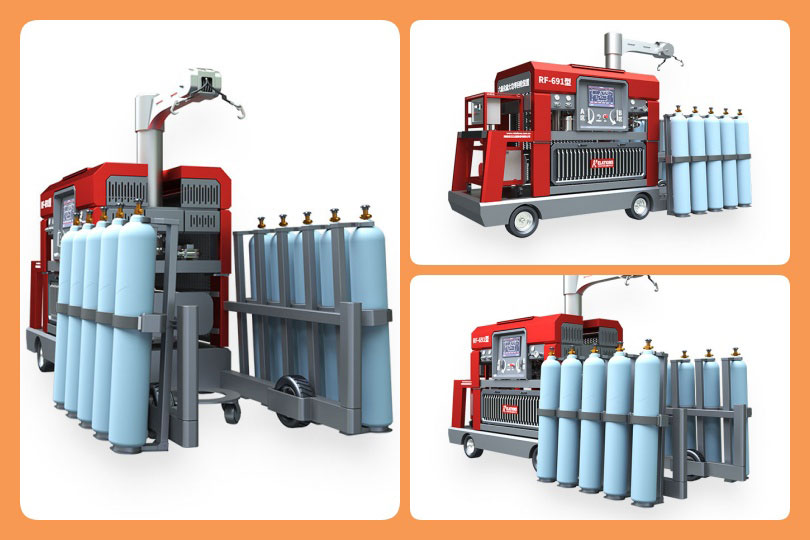
Selecting an SF6 transformer disposal contractor for power substation upgrades requires more than arranging equipment removal. Utilities and industrial operators need a controlled process for electrical isolation, gas recovery, hazardous-material assessment, transport, and documented downstream treatment. Because SF6 is a potent greenhouse gas and used equipment may contain hazardous decomposition products, contractor selection should prioritize technical competence, applicable legal authorizations, and traceable material handling—not simply the lowest demolition price.
Define the Equipment Before Requesting Disposal
Most power transformers use liquid insulation or dry-type insulation rather than SF6. However, gas-insulated transformers exist, and substation projects frequently include SF6-insulated switchgear, circuit breakers, and gas-insulated substations alongside conventional transformers.
An experienced SF6 transformer disposal contractor for power substation upgrades should confirm exactly which assets contain gas. Treating every substation component as an “SF6 transformer” can produce inaccurate quotations, unsuitable recovery equipment, and incomplete waste documentation.
Establish an Asset Register
Record each asset’s manufacturer, model, serial number, nameplate gas charge, compartment arrangement, operating pressure, and maintenance history. Identify separately any insulating oil, batteries, electronic controls, contaminated absorbents, and legacy materials requiring investigation.
The register should also distinguish equipment destined for reuse from equipment classified as waste. That distinction affects packaging, transport, documentation, and the receiving facility’s obligations.
Specify Measurable Technical Requirements
A credible proposal should describe the recovery method and its acceptance criteria. Generic promises such as “environmentally friendly disposal” do not establish operational capability.
| Selection parameter | Evidence to request |
|---|---|
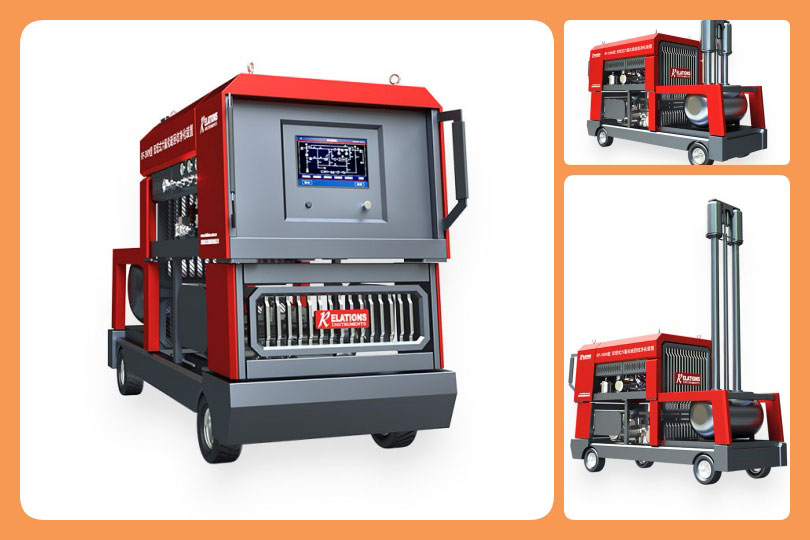
| Recovery equipment | Equipment specifications, maintenance records, compatible connections, and manufacturer-rated performance |
| Recovery endpoint | An agreed final pressure based on equipment design, OEM instructions, and applicable requirements |
| Gas measurement | Calibrated weighing equipment and a documented gas mass-balance procedure |
| Gas condition | Testing appropriate to the intended reuse or treatment route, including relevant contamination indicators |
| Storage and transport | Suitable, approved cylinders or receptacles with current inspection status and correct identification |
| Worker protection | Task-specific risk assessment, ventilation arrangements, exposure controls, and emergency procedures |
| Downstream treatment | Named receiving facilities, applicable authorizations, and acceptance criteria |
Do not accept an unsupported claim of “100% recovery.” Residual gas, equipment geometry, measurement uncertainty, and transfer operations affect results. Require the contractor to explain how recovery performance and discrepancies will be documented.
Verify Standards, Certifications, and Legal Compliance
An SF6 transformer disposal contractor for power substation upgrades must work within the laws of the project location. International standards provide technical reference points, but they do not replace statutory permits or personnel qualifications.
Relevant Technical Standards
IEC 62271-4 provides handling procedures for gases used in high-voltage switchgear and controlgear. IEC 60480 addresses specifications for reuse of SF6 and its mixtures in electrical equipment, while IEC 60376 addresses technical-grade SF6 and complementary gases.
Apply each standard within its scope. For gas-insulated transformers, the equipment manufacturer’s procedures and relevant transformer requirements remain essential.
ISO 14001 and ISO 45001 certification can support confidence in environmental and occupational-health management systems. However, neither certification independently proves competence in SF6 recovery. Verify certificate validity, covered locations, and operational scope.
Jurisdiction-Specific Obligations
In the European Union, Regulation (EU) 2024/573 establishes relevant fluorinated-greenhouse-gas obligations, including recovery and applicable personnel-certification requirements. Waste handling and transport rules also apply.
In the United States, assess applicable federal, state, and local requirements, including greenhouse-gas reporting where relevant and hazardous-material transport rules. Do not assume one nationwide SF6 disposal license covers every activity.
For international shipments, determine whether waste-shipment controls, including applicable Basel Convention procedures, apply before dispatch.
Match the Disposal Plan to the Upgrade Scenario
Short Outages at Operating Substations
Where the outage window is limited, complete surveys, connection checks, cylinder planning, and lifting assessments beforehand. The contractor should coordinate with the authorized switching team and work only after the required isolation, verification of de-energization, grounding, and release procedures.
Gas recovery must not begin merely because equipment is switched off. Adjacent energized assets, induced voltages, and stored energy require explicit controls.
Fault-Damaged or Heavily Contaminated Equipment
Internal arcing can generate hazardous decomposition products and contaminated solid residues. Specify a contamination assessment, suitable protective equipment, controlled opening procedures, and separate handling of affected filters and residues.
A normal service history does not justify assuming the gas is clean. Conversely, recovered SF6 is not automatically hazardous waste in every jurisdiction; classification depends on applicable law and its condition.
Remote or Space-Constrained Sites
For remote substations, prioritize adequate recovery capacity, sufficient approved storage, spare fittings, and contingency transport. At urban sites, address vehicle access, lifting restrictions, ventilation, noise, and public exclusion zones.
These practical constraints should be resolved before mobilization rather than treated as change orders during the outage.
Require a Traceable Project Closeout
The final deliverable is not an empty equipment foundation. Require an asset-level record linking the removed equipment to recovered gas quantities, cylinder identifiers, transfer records, and receiving facilities.
Where gas will be reused, request evidence supporting its suitability. Where destruction is selected, obtain treatment documentation appropriate to the facility and jurisdiction. Metal recycling records should remain separate from gas-treatment records.
An SF6 transformer disposal contractor for power substation upgrades should explain material-balance differences rather than conceal them behind a single recycling percentage.
Frequently Asked Questions
Can recovered SF6 be reused?
Yes, when testing and any necessary treatment establish suitability for the intended application. Reuse should satisfy applicable specifications, OEM requirements, and legal restrictions.
Should gas be recovered before dismantling?
Normally, gas-containing compartments should undergo controlled recovery before opening or dismantling. Follow the approved method statement and OEM instructions, especially for damaged equipment.
What most strongly affects project cost?
Gas quantity, contamination, compartment accessibility, outage duration, lifting requirements, transport distance, and treatment route all influence cost. Compare quotations against the same asset register and deliverables.
A Defensible Procurement Decision
Choose an SF6 transformer disposal contractor for power substation upgrades based on verified competence, realistic recovery criteria, safe execution, and documented downstream accountability. A clearly defined scope protects the outage schedule while giving asset owners defensible evidence that equipment and recovered materials were managed responsibly.