Recommended Service Interval for SF6 Circuit Breakers: Avoid Missed Tasks
Date
2026-07-28
[email protected]
Website
www.sf6gasdetector.com
Get Solutions And Quotes
Contact Factory
Recommended Service Interval for SF6 Circuit Breakers: Avoid Missed Tasks
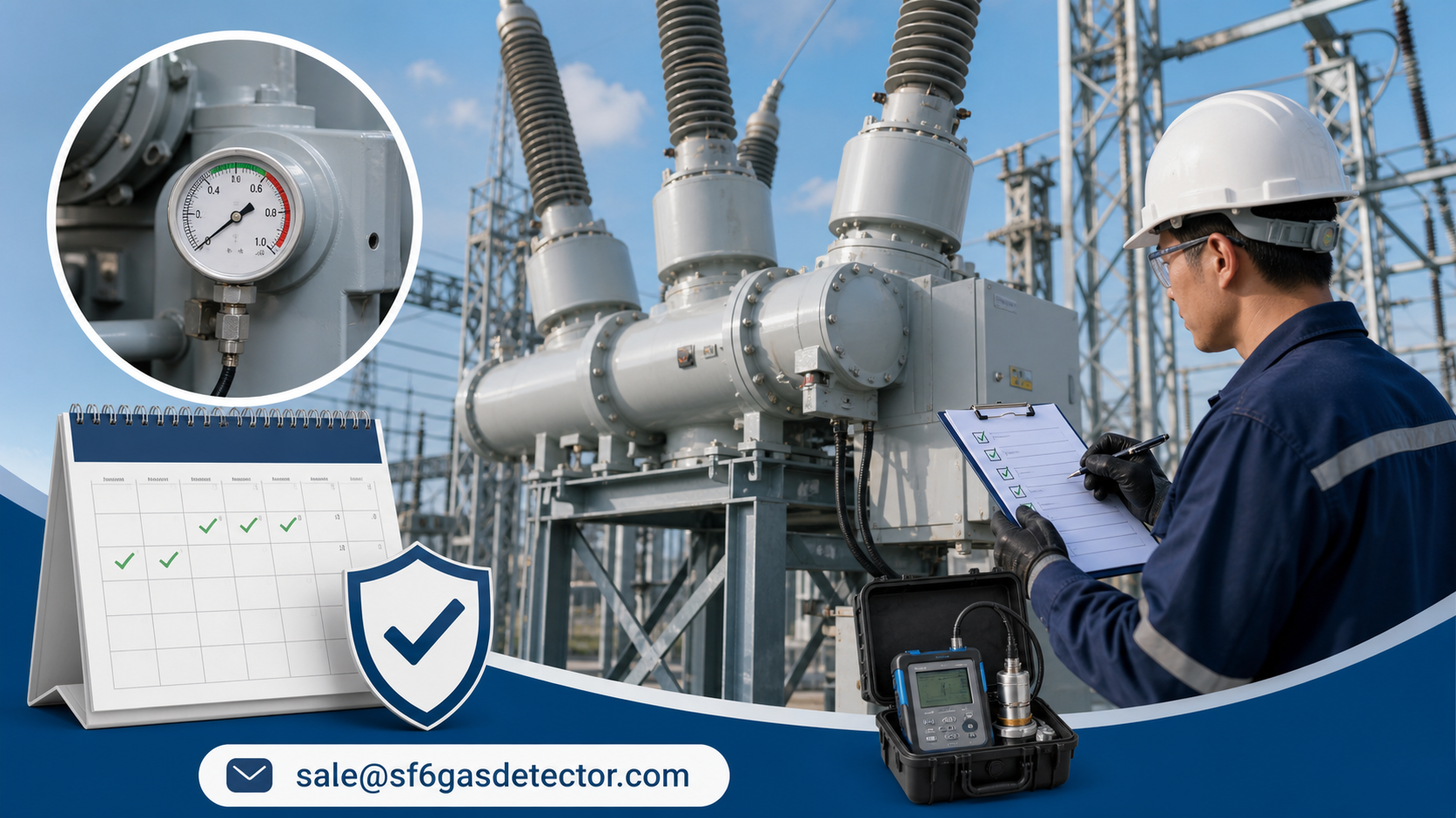
SF6 circuit breakers are critical assets in medium-voltage and high-voltage power systems, providing reliable fault interruption in substations, power plants, industrial facilities, rail systems, and transmission networks. The recommended service interval for SF6 circuit breakers depends on equipment voltage class, operating environment, switching frequency, manufacturer instructions, gas condition, and regulatory requirements. In most industrial applications, a structured inspection should be performed annually, with more detailed maintenance typically scheduled every 3 to 5 years, or sooner if alarms, abnormal gas readings, leakage, or high operating counts are detected.
A well-designed SF6 circuit breaker maintenance plan helps improve operational reliability, reduce unplanned outages, extend asset life, and support compliance with environmental and safety standards related to sulfur hexafluoride gas handling.
Why Service Intervals Matter for SF6 Circuit Breakers
SF6 gas has excellent dielectric strength and arc-quenching properties, but its performance depends on gas purity, pressure, moisture content, and the mechanical condition of the breaker. Over time, sealing components may age, operating mechanisms may require lubrication or adjustment, and gas quality may deteriorate due to contamination or decomposition products after switching operations.
Following the recommended service interval for SF6 circuit breakers allows operators to detect early signs of leakage, moisture ingress, contact wear, and mechanical degradation before they develop into serious failures. This is especially important for utilities and industrial users where breaker failure can lead to production shutdowns, grid instability, safety risks, and costly emergency repairs.
Typical Recommended Service Interval for SF6 Circuit Breakers
The exact maintenance cycle should always follow the original equipment manufacturer’s manual and site-specific risk assessment. However, the following table provides a practical reference used in many industrial and utility environments.
| Service Type | Recommended Interval | Typical Purpose |
|---|---|---|
| Visual inspection | Monthly to quarterly | Check physical condition, gas pressure indicators, corrosion, abnormal noise, and environmental exposure |
| Functional and operational check | Annually | Verify mechanical operation, trip/close circuits, alarms, counters, and auxiliary systems |
| SF6 gas quality test | Every 1 to 3 years | Measure purity, moisture, decomposition products, and gas pressure |
| Leak detection inspection | Annually or after gas refill | Identify flange, valve, gasket, and compartment leakage |
| Detailed preventive maintenance | Every 3 to 5 years | Inspect mechanisms, contacts, seals, density monitors, and control systems |
| Major overhaul | Every 10 to 15 years or per OEM | Replace aged components, refurbish mechanism, evaluate interrupter condition |
| Post-fault inspection | Immediately after major fault interruption | Assess contact wear, gas condition, pressure, and breaker performance |
For high-duty breakers, harsh environments, coastal substations, mining sites, chemical plants, or equipment with frequent switching operations, the interval should be shortened. For low-duty sealed-for-life designs, maintenance may be less frequent, but gas monitoring and operational checks remain essential.
Key Tasks to Include During Each SF6 Circuit Breaker Service Visit
A complete SF6 circuit breaker service visit should combine electrical, mechanical, gas-related, and safety inspections. The scope should be documented in a checklist and performed by trained technicians using calibrated instruments.
External Visual Inspection
The first step is a careful visual assessment of the breaker and surrounding installation. Technicians should check for signs of corrosion, loose fasteners, oil or grease leakage from mechanisms, damaged insulators, cracked bushings, poor grounding connections, and contamination on external surfaces.
Nameplates, warning labels, gas compartment markings, and operating counters should also be verified. Outdoor equipment should be inspected for water ingress, UV damage, bird nests, vegetation clearance, and enclosure sealing.
SF6 Gas Pressure and Density Verification
SF6 circuit breakers rely on correct gas density to maintain insulation and interruption capability. During every scheduled visit, gas pressure or density indicators should be checked against temperature-compensated values. Density monitor alarms and lockout functions should be tested according to site procedures.
Low gas pressure may indicate leakage or incorrect filling. Operators should never simply refill SF6 without investigating the root cause. Repeated topping up increases environmental risk and may violate gas management regulations.
SF6 Gas Quality Testing
Gas quality testing is one of the most important tasks in any professional SF6 circuit breaker maintenance program. The test usually includes moisture content, SF6 purity, and decomposition product analysis. Poor gas quality can reduce dielectric strength and accelerate internal corrosion.
| Parameter | Common Inspection Focus | Why It Matters |
|---|---|---|
| SF6 purity | Percentage of SF6 in gas mixture | Confirms insulation performance and contamination level |
| Moisture content | Dew point or ppmv reading | Prevents condensation, flashover risk, and internal corrosion |
| SO2 or decomposition gases | By-products from arcing or overheating | Indicates internal electrical stress or gas degradation |
| Gas pressure/density | Temperature-compensated value | Ensures proper interrupting and insulating capability |
| Leakage rate | Annualized loss percentage | Supports reliability and environmental compliance |
Professional gas testing should be conducted using suitable SF6 gas analyzers, moisture meters, and leak detectors designed for high-voltage equipment maintenance. For sites that need technical guidance on gas testing instruments or customized inspection plans, engineering support is available through [email protected].
Leak Detection and Sealing System Inspection
SF6 is a fluorinated greenhouse gas, so leak prevention is both an operational and environmental priority. Leak detection should be performed around valves, density monitor connections, flanges, filling ports, gaskets, welded joints, and gas compartments.
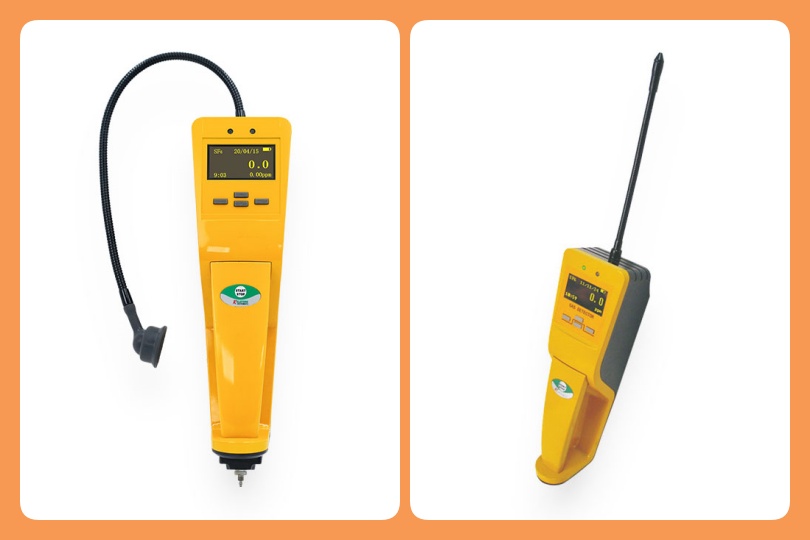
Technicians may use portable SF6 leak detectors, infrared imaging devices, or gas sniffing instruments depending on site requirements. Any detected leakage should be documented, repaired, and retested. Maintenance records should include leak location, estimated leakage rate, corrective action, and final verification result.
Mechanical Operating Mechanism Check
The operating mechanism is essential for fast and reliable breaker operation. During service, technicians should inspect springs, hydraulic systems, pneumatic systems, linkages, bearings, dampers, charging motors, latches, and mechanical interlocks.
Lubrication should be applied only where specified by the manufacturer. Excessive or incorrect grease can attract dust, restrict movement, or affect low-temperature performance. Timing tests should be performed when required to confirm opening time, closing time, pole simultaneity, and contact travel characteristics.
Electrical Control and Protection Circuit Testing
SF6 circuit breakers are integrated with protection relays, control circuits, trip coils, close coils, auxiliary switches, heaters, anti-pumping circuits, and interlocking systems. Annual service should include continuity checks, insulation resistance testing where applicable, functional trip/close tests, alarm verification, and auxiliary contact inspection.
Control cabinet heaters and thermostats should be checked to prevent condensation. Wiring terminals should be tight, clean, and correctly labeled. Any abnormal coil current, delayed operation, or alarm malfunction should be investigated immediately.
Contact Wear and Interrupter Assessment
Contact condition depends on the number and severity of switching operations. Breakers that interrupt high fault currents may require post-fault inspection even if the normal maintenance interval has not been reached. Contact wear can be assessed through operation counters, dynamic resistance measurement, timing analysis, and manufacturer-specific diagnostic methods.
For some sealed interrupter designs, internal contact inspection may not be practical without major overhaul. In such cases, condition-based diagnostics become especially valuable.
Core Advantages of a Structured SF6 Breaker Maintenance Program
A professional maintenance strategy provides measurable benefits for asset owners and operators.
| Advantage | Practical Benefit |
|---|---|
| Improved reliability | Reduces unexpected breaker failure and outage risk |
| Longer equipment life | Prevents premature wear and insulation deterioration |
| Better safety | Ensures trip/close functions operate correctly during faults |
| Environmental compliance | Reduces SF6 emissions and supports greenhouse gas reporting |
| Lower lifecycle cost | Detects defects early before major repairs are needed |
| Data-driven decisions | Supports condition-based maintenance and asset planning |
By combining routine inspections with gas quality testing and leak detection, operators can move from reactive repair to predictive maintenance.
Application Scenarios Requiring Shorter Service Intervals
Not all SF6 circuit breakers operate under the same conditions. The recommended service interval for SF6 circuit breakers should be reduced in the following cases:
High-Frequency Switching Applications
Capacitor bank switching, reactor switching, industrial furnace systems, and renewable energy grid connections may require more frequent operating mechanism and contact condition checks due to increased mechanical and electrical stress.
Harsh Outdoor or Coastal Environments
Salt fog, humidity, dust, chemical vapor, and temperature cycling can accelerate corrosion and sealing degradation. Outdoor substations in coastal or desert regions should include more frequent visual inspections and leak detection.
Critical Infrastructure and Continuous Production Facilities
Data centers, petrochemical plants, steel mills, airports, hospitals, and transmission substations often adopt more conservative maintenance cycles because downtime has high economic or safety impact.
For customized on-site SF6 circuit breaker service planning, users can contact application engineers at [email protected] for practical recommendations based on voltage level, breaker type, and operating environment.
Purchasing Guide: Instruments Needed for SF6 Breaker Maintenance
Reliable maintenance depends on the right testing tools. When selecting SF6 service instruments, buyers should consider accuracy, response time, portability, calibration support, data logging, and compatibility with international gas handling practices.
Recommended Equipment for Service Teams
| Instrument | Main Function | Key Selection Criteria |
|---|---|---|
| SF6 leak detector | Finds small gas leaks | Sensitivity, response speed, portability, alarm display |
| SF6 gas analyzer | Measures purity, moisture, decomposition gases | Multi-parameter testing, accuracy, data storage |
| Density monitor tester | Verifies alarms and lockout settings | Pressure range, adapter compatibility |
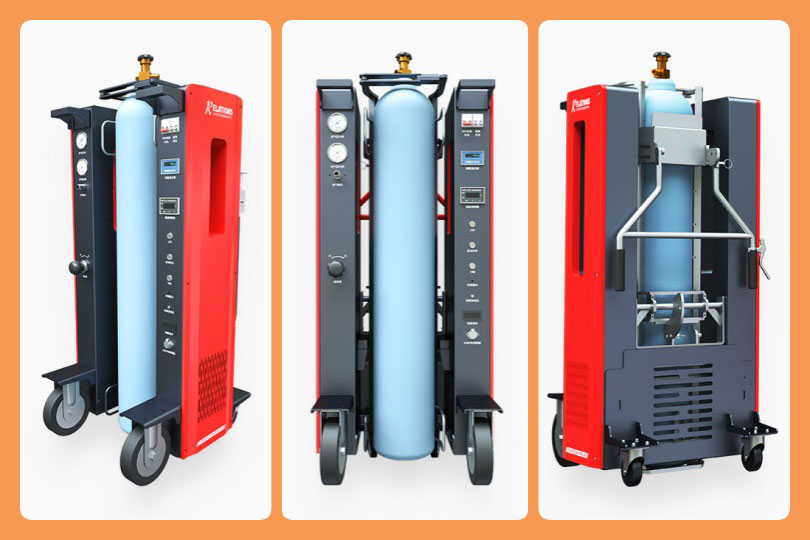
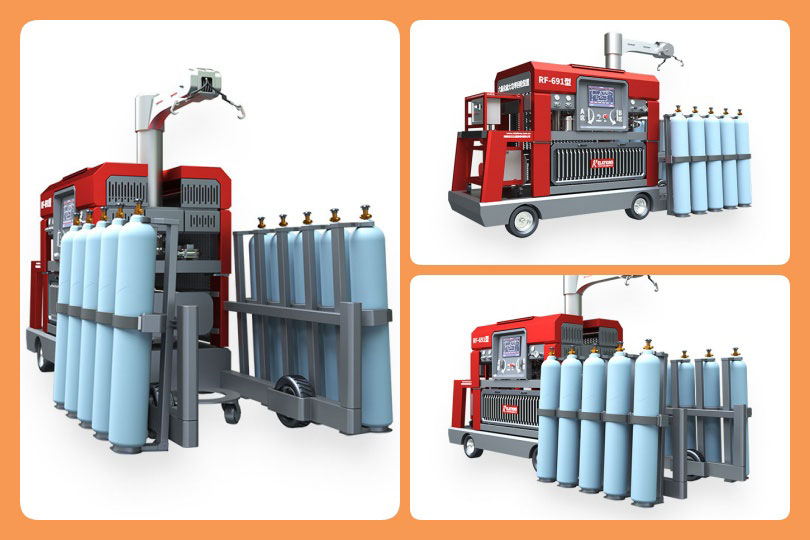
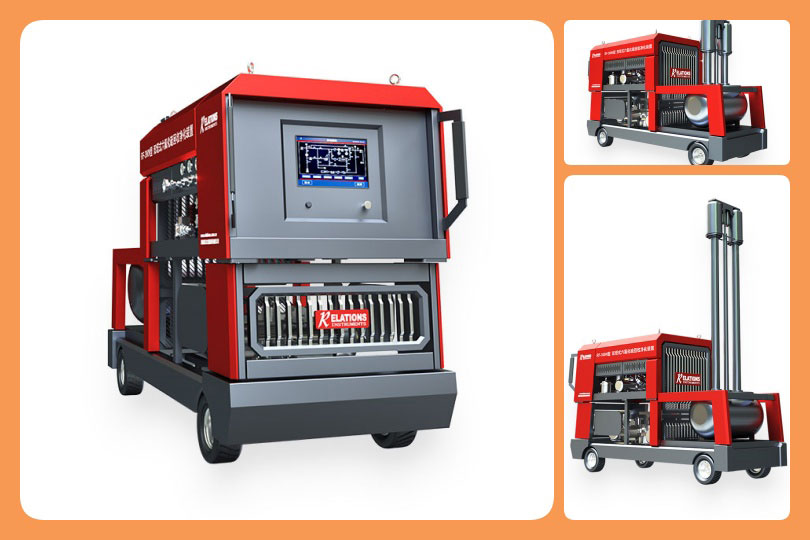
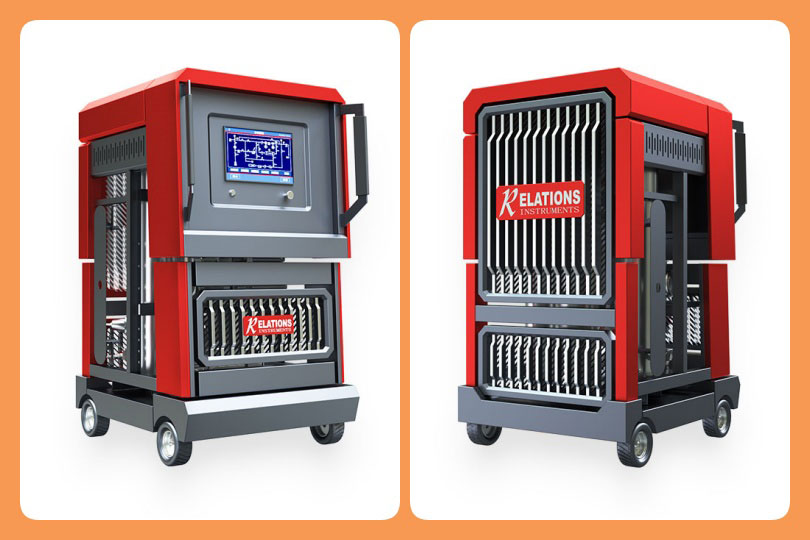
| Gas recovery unit | Recovers and refills SF6 safely | Recovery efficiency, filtration, vacuum capability |
| Circuit breaker analyzer | Measures timing, travel, coil current | Multi-channel testing, software reporting |
| Dew point meter | Measures moisture content | Low-range accuracy, stable readings |
Buyers should also confirm that equipment supports safe SF6 handling procedures, minimizes gas release during testing, and provides traceable calibration documentation. One-on-one engineer guidance for selecting SF6 gas detection and analysis equipment is available via [email protected].
Compliance and Safety Considerations
SF6 maintenance should be performed by qualified personnel following electrical safety rules, lockout/tagout procedures, gas handling requirements, and manufacturer instructions. Before any service work, the breaker must be isolated, grounded where required, and verified safe according to applicable site procedures.
Internationally recognized practices emphasize minimizing SF6 emissions, recovering gas instead of venting, using certified gas handling equipment, and maintaining accurate records of gas inventory, leakage, recovery, and disposal. Personnel should also be aware that SF6 decomposition products may be toxic or corrosive after arcing, requiring proper protective equipment and filtering procedures.
Frequently Asked Questions About SF6 Circuit Breaker Service Intervals
What is the recommended service interval for SF6 circuit breakers?
For most installations, visual inspections are recommended monthly to quarterly, functional checks annually, gas quality testing every 1 to 3 years, and detailed preventive maintenance every 3 to 5 years. The final interval should follow OEM guidance and site operating conditions.
Should SF6 gas be replaced during every service visit?
No. SF6 gas should not be replaced unnecessarily. If gas purity, moisture, and decomposition levels are within acceptable limits, recovery or replacement may not be required. If gas quality is poor, it should be recovered, filtered, reclaimed, or replaced using approved procedures.
How often should SF6 leak detection be performed?
Leak detection is commonly performed annually, after gas filling, after repair work, or whenever gas pressure drops unexpectedly. Critical installations may require more frequent checks.
What are signs that an SF6 breaker needs immediate inspection?
Immediate inspection is recommended if there is a gas density alarm, lockout signal, abnormal operating sound, failed trip/close operation, moisture alarm, visible corrosion, control circuit fault, or recent high-current fault interruption.
Can maintenance intervals be extended for low-operation breakers?
In some cases, yes. Condition-based maintenance may allow optimized intervals for low-duty breakers, but routine gas monitoring, leak checks, and functional testing should still be maintained to ensure safety and compliance.
Conclusion
The recommended service interval for SF6 circuit breakers is not a single fixed number but a structured maintenance strategy based on OEM requirements, operating duty, gas condition, environmental exposure, and asset criticality. As a practical rule, operators should conduct regular visual inspections, annual functional checks, periodic SF6 gas quality and leak testing, and detailed preventive maintenance every 3 to 5 years. By including gas analysis, leak detection, mechanism inspection, electrical testing, and proper documentation in every service plan, utilities and industrial facilities can improve reliability, reduce emissions, and extend the safe operating life of SF6 circuit breakers.