오염되거나 분해된 SF6 가스를 안전하게 처리하는 방법
오염되거나 분해된 SF6 가스를 안전하게 처리하는 방법
육불화황(SF6)은 GIS 개폐기, 차단기, 변압기, 가스 절연 송전선로 등 고전압 전기 장비에서 절연 및 아크 소멸 가스로 널리 사용됩니다. 그러나 SF6는 전기 아크, 습기, 공기 유입 또는 장비 노후화와 같은 환경에 노출되면 오염되거나 분해되어 독성 및 부식성 부산물을 생성할 수 있습니다. 오염되거나 분해된 SF6 가스를 안전하게 처리하는 방법을 아는 것은 인명 보호, 장비 신뢰성 유지, 그리고 국제 환경 및 산업 안전 규정 준수에 필수적입니다.
SF6는 지구 온난화 지수가 매우 높은 강력한 온실가스이므로, 부적절한 배출은 현대 환경 기준에 부합하지 않습니다. 안전한 취급을 위해서는 가스 검사, 회수, 여과, 임시 저장, 처리, 재활용 또는 허가된 폐기를 포함하는 통제된 공정이 필요합니다.
오염되거나 분해된 SF6 가스를 특별하게 취급해야 하는 이유는 무엇일까요?
청정 SF6는 정상적인 조건에서 화학적으로 안정하고, 불연성이며, 무독성입니다. 그러나 전기 방전에 의해 분해되거나 공기, 수증기, 유증기 또는 고체 입자와 같은 오염 물질과 혼합될 경우 위험성이 증가합니다. 고전압 장비에서는 내부 고장 및 스위칭 작동으로 인해 위험한 부산물이 생성될 수 있습니다.
SF6의 일반적인 분해 생성물에는 불화황, 티오닐불화물, 설퓨릴불화물, 불화수소 및 금속불화물이 포함될 수 있습니다. 이러한 화합물 중 일부는 독성이 있고 산성이며 부식성이 강하며, 특히 습기가 있을 경우 더욱 그렇습니다. 이러한 화합물은 장비 내부 부품을 손상시킬 수 있으며, 유지보수 담당자에게 흡입 또는 피부 접촉으로 인한 위험을 초래할 수 있습니다.
이러한 이유로 오염되거나 분해된 SF6 가스를 안전하게 처리하는 과정은 IEC 표준, 지역 환경 규정, 작업자 노출 관리 및 제조업체 유지 보수 절차를 포함한 공인된 모범 사례를 따라야 합니다.
전문적인 SF6 가스 처리 과정의 핵심 이점
표준화된 SF6 가스 처리 공정은 공공시설, 변전소, 철도 시스템, 발전소 및 산업 시설에 다양한 운영 및 환경적 이점을 제공합니다.
환경 규정 준수
SF6를 회수 및 처리하면 대기 중으로 직접 방출되는 것을 방지하고 EU F-가스 규정, EPA 온실가스 보고 요건 및 지역 배출량 감축 프로그램과 같은 환경 규정 준수를 지원합니다.
개인 안전
밀폐형 회수 장비, 가스 분석기, 여과 시스템 및 보호 절차를 사용하면 작업자가 유독성 분해 부산물에 노출되는 것을 줄일 수 있습니다.
장비 보호
정확한 가스 분석을 통해 가스를 정화하여 재사용할 수 있는지 또는 폐기해야 하는지를 판단할 수 있습니다. 이는 오염된 가스가 민감한 고전압 설비에 다시 공급되는 것을 방지합니다.
비용 최적화
기술적으로 가능한 경우, SF6 재생 및 재활용은 신규 가스 구매 비용을 절감하는 동시에 폐기물 처리 비용도 낮출 수 있습니다.
추적 가능한 문서
전문적인 폐기 처리에는 라벨 부착, 가스 품질 기록, 실린더 추적, 폐기물 이송 서류 및 최종 처리 인증서가 포함되며, 이는 감사 및 규정 준수 검사에 매우 중요합니다.
오염된 SF6 가스 평가를 위한 주요 매개변수
SF6 가스는 폐기 또는 재활용 전에 교정된 계측기를 사용하여 검사해야 합니다. 현장 검사 및 가스 취급 시 일반적으로 다음과 같은 매개변수를 평가합니다.
| 매개변수 | 일반적인 용도 | 위험 지표 |
|---|---|---|
| SF6 순도 | 사용 가능한 가스 농도를 결정합니다. | 순도가 낮을 경우 공기 또는 기타 가스 오염을 나타낼 수 있습니다. |
| 수분 함량 | 수증기량을 측정합니다 | 높은 습도는 부식과 부산물 생성을 가속화합니다. |
| SO2 농도 | 아크 방전에 의한 분해를 나타냅니다. | SO2 수치가 높게 나타나는 것은 내부 방전 또는 단층 활동을 시사합니다. |
| HF 관련 산도 | 부식성 산성 화합물을 감지합니다. | 산성도가 높으므로 엄격한 안전 관리가 필요합니다. |
| 공기 중 성분 | 누출 또는 부적절한 충전을 식별합니다. | 공기가 과다하게 유입되면 단열 성능이 저하됩니다. |
| CF4 콘텐츠 | 장기간의 전기적 분해를 나타냅니다. | 높은 수치는 가스 품질에 영향을 미칠 수 있습니다. |
| 입자 오염 | 고형 잔류물 또는 금속 불소를 검사합니다. | 내부 장비의 성능 저하를 나타낼 수 있습니다. |
| 가스 압력 및 온도 | 안전한 복구 및 저장을 지원합니다. | 비정상적인 값은 처리 정확도에 영향을 미칠 수 있습니다. |
이러한 매개변수는 오염된 SF6 가스를 여과, 재생, 재사용하거나 공인 처리 시설로 운송할 수 있는지 여부를 판단하는 데 도움이 됩니다.
오염되거나 분해된 SF6 가스를 안전하게 처리하는 단계별 방법
1. 가스 취급 전 위험 평가를 실시하십시오.
SF6 가스가 채워진 장비를 열기 전에 기술자는 유지보수 이력, 고장 기록, 가스 압력 추이 및 이전 가스 테스트 결과를 검토해야 합니다. 내부 아크 발생이나 고장이 의심되는 경우, 원인이 밝혀질 때까지 가스를 분해된 위험한 가스로 간주해야 합니다.
작업 구역은 환기가 잘 되어야 하고, 경고 표지판을 설치해야 하며, 교육을 받은 인원만 작업을 수행해야 합니다. 작업자는 내화학성 장갑, 보안경, 보호복을 포함한 적절한 개인 보호 장비를 착용해야 하며, 위험 평가 결과에 따라 호흡기 보호 장비도 착용해야 합니다.
2. 보정된 SF6 분석 장비를 사용하여 가스를 테스트합니다.
가능하면 회수 작업 전에 가스 분석을 실시해야 합니다. 전문 SF6 가스 분석기를 사용하면 순도, 수분, SO2 및 기타 주요 지표를 측정할 수 있습니다. 이러한 데이터는 안전한 의사 결정을 지원하고 회수 실린더 또는 가스 카트의 교차 오염을 방지합니다.
전문적인 지원이 필요한 시설은 연락을 통해 무료 기술 상담을 요청할 수 있습니다. [email protected] SF6 가스 시험, 복구 계획 및 오염 가스 분류에 대한 지침을 제공합니다.
3. 폐쇄 루프 시스템을 이용하여 가스를 회수합니다.
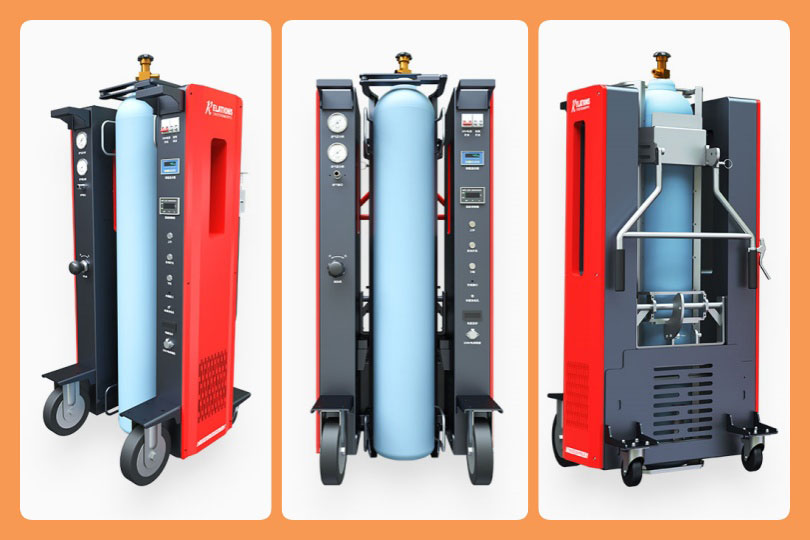
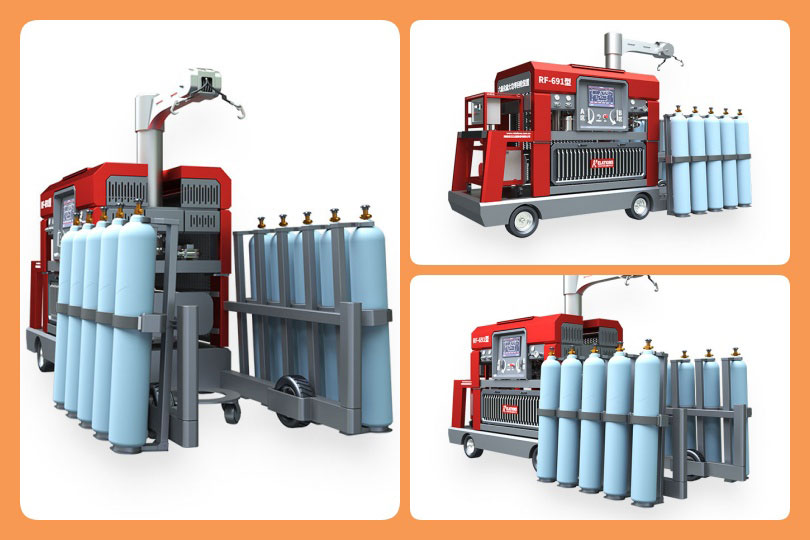
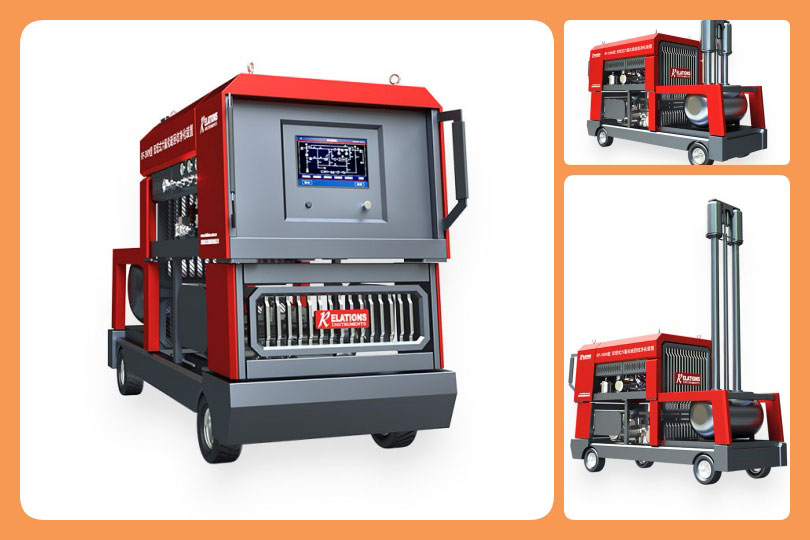
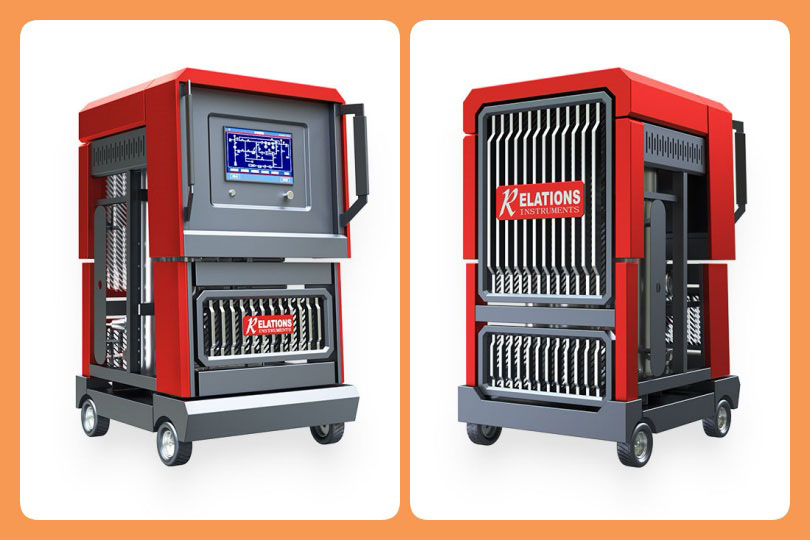
오염되었거나 분해된 SF6 가스는 절대로 대기 중으로 배출해서는 안 됩니다. 고전압 전기 장비용으로 설계된 밀폐형 SF6 가스 처리 카트 또는 회수 장치를 사용하여 회수해야 합니다.
회수 시스템에는 진공 기능, 가능한 경우 오일 프리 압축, 입자 여과, 수분 제거 및 호환 가능한 연결부가 있는 안전한 이송 호스가 포함되어야 합니다. 모든 연결부는 작동 전과 작동 중에 누출 여부를 점검해야 합니다.
4. 재사용 가능한 가스와 폐가스를 분리합니다.
회수된 가스는 승인된 실린더 또는 탱크에 저장해야 합니다. 시험 결과에 따라 가스는 다음과 같이 분류될 수 있습니다.
- 여과 및 건조 후 재사용 가능
- 고도 정화를 통해 재활용 가능
- Non-reclaimable waste requiring destruction
- Hazardous contaminated gas requiring special transport and treatment
This classification should follow applicable local regulations and the acceptance criteria of gas recycling or destruction facilities.
5. Neutralize and Manage Decomposition Residues
When SF6 decomposition occurs, solid and powdery residues may remain inside switchgear compartments. These residues can contain acidic and toxic compounds. They should be collected using approved industrial methods, not blown into the air with compressed gas.
Neutralizing agents, sealed waste containers, and compatible cleaning tools should be used according to equipment manufacturer instructions and safety data sheet recommendations. Waste residues should be labeled and transferred to licensed hazardous waste handlers when required.
6. Transport Gas Cylinders According to Regulations
Recovered contaminated SF6 must be stored and transported in certified cylinders suitable for compressed gas service. Cylinders should be clearly labeled, secured upright, protected from heat, and accompanied by documentation describing gas condition and hazard classification.
Transport must comply with applicable dangerous goods regulations, which may include ADR, DOT, IMDG, or other national and regional requirements depending on location and transport route.
7. Recycle, Reclaim, or Destroy the Gas
If gas quality can be restored, SF6 may be regenerated using purification systems that remove moisture, air, acidity, particles, and decomposition products. Reclaimed SF6 must meet defined quality standards before being reused in electrical equipment.
If the gas cannot be reclaimed, it should be sent to an authorized facility for safe destruction, typically through high-temperature thermal treatment or other approved technologies capable of managing fluorinated compounds and acidic by-products.
Recommended Equipment for Safe SF6 Disposal Operations
Selecting the right equipment is essential when planning how to safely dispose of contaminated or decomposed SF6 gas. The following product categories are commonly used by maintenance teams and service providers.
| Equipment Type | Main Function | Key Selection Factors |
|---|---|---|
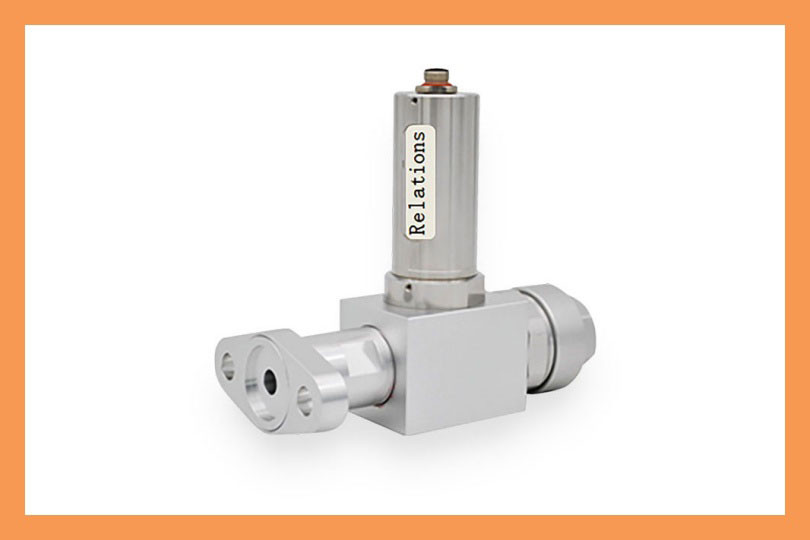
| SF6 gas analyzer | Measures purity, moisture, SO2, and decomposition indicators | Accuracy, sensor range, calibration support, portability |
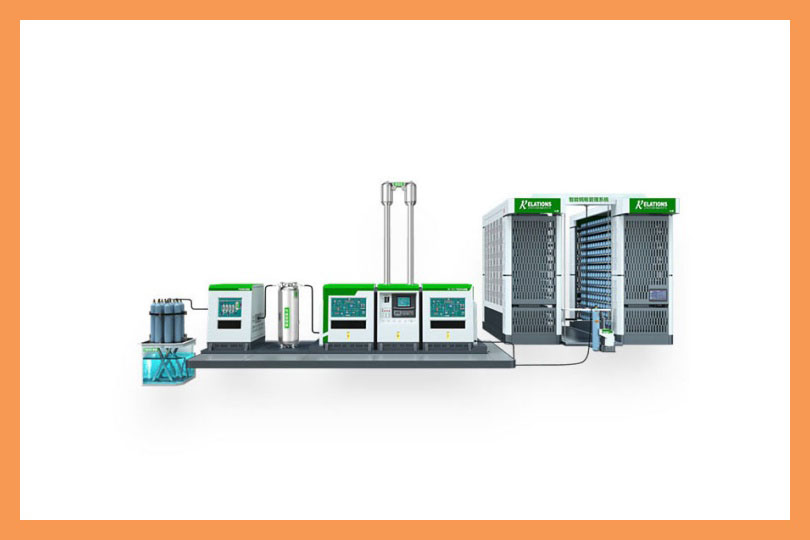
| SF6 recovery unit | Extracts gas from equipment into storage cylinders | Recovery speed, final vacuum level, filtration capacity |
| Gas purification system | Removes contaminants from recoverable SF6 | Moisture removal, acid filtration, particle filtration |
| Vacuum pump system | Evacuates equipment before refilling | Ultimate vacuum, oil management, compatibility |
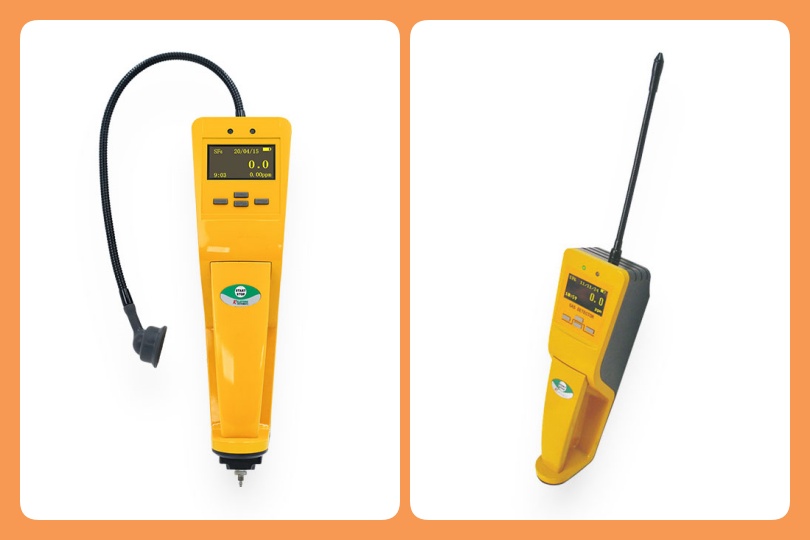
| Leak detector | Identifies SF6 leakage points | Sensitivity, response time, field usability |
| Storage cylinders | Holds recovered contaminated or purified gas | Certification, pressure rating, valve compatibility |
| PPE and safety kits | Protects personnel from hazardous by-products | Chemical resistance, respiratory protection, spill control |
For customized on-site SF6 disposal and recovery solutions, engineering support is available through [email protected], including equipment selection and process recommendations for substations, power plants, and industrial facilities.
Key Application Scenarios
High-Voltage Substation Maintenance
Utilities often recover SF6 during scheduled GIS inspection, breaker overhaul, or leak repair. If decomposition indicators are detected, the gas must be handled as contaminated and processed through safe recovery and treatment procedures.
Internal Fault or Arc Failure Response
After a severe electrical fault, SF6 may contain high concentrations of toxic by-products. Emergency maintenance teams should prioritize ventilation, gas testing, closed-loop recovery, and residue management.
Equipment Decommissioning
When old SF6-insulated equipment is retired, all remaining gas must be recovered, analyzed, documented, and either reclaimed or destroyed. This prevents uncontrolled emissions and supports asset retirement compliance.
Gas Quality Management Programs
Large operators often implement routine gas monitoring to reduce emissions, extend equipment life, and ensure that contaminated SF6 is identified before it causes operational failures.
Purchasing Guide for SF6 Gas Disposal and Testing Equipment
When purchasing equipment to safely dispose of contaminated or decomposed SF6 gas, buyers should evaluate both technical performance and long-term service support.
Accuracy and Measurement Range
Choose analyzers capable of detecting low-level decomposition products and measuring moisture accurately across relevant operating conditions.
Compliance With Industry Standards
Equipment should support practices aligned with IEC 60480 for handling used SF6, IEC 60376 for new SF6 quality, and applicable electrical safety and environmental requirements.
Closed-Loop Recovery Capability
Recovery systems should minimize emissions during connection, extraction, filtration, and cylinder transfer.
Portability and Field Durability
Substation work often requires compact, rugged, easy-to-operate equipment suitable for outdoor environments.
Calibration and After-Sales Support
Reliable calibration, spare parts, technical training, and documentation support are essential for long-term measurement confidence.
Customization for Site Conditions
Different facilities may require mobile recovery carts, fixed gas monitoring, high-capacity purification, or specialized cylinder management. For one-on-one engineer guidance, contact [email protected] to discuss project-specific requirements.
Frequently Asked Questions
Can contaminated SF6 gas be reused?
Yes, some contaminated SF6 can be reused after proper purification and testing. However, gas containing excessive decomposition products, high acidity, or severe contamination may require destruction by an authorized facility.
Is it legal to vent SF6 gas during maintenance?
In most regulated markets, intentional SF6 venting is prohibited or strongly restricted because SF6 is a high-impact greenhouse gas. Closed-loop recovery is the accepted industry practice.
What is the biggest safety risk from decomposed SF6?
The primary risks are toxic and corrosive decomposition by-products, especially when moisture is present. These compounds can harm personnel and damage equipment if not properly controlled.
How do I know whether SF6 is decomposed?
Gas analysis is required. Elevated SO2, moisture, acidity, or unusual gas composition may indicate decomposition or contamination.
Who should handle decomposed SF6 gas?
Only trained personnel using suitable SF6 recovery systems, gas analyzers, PPE, and documented safety procedures should handle decomposed SF6.
Final Thoughts
To safely dispose of contaminated or decomposed SF6 gas, organizations must combine accurate gas analysis, closed-loop recovery, proper filtration, compliant storage, and authorized recycling or destruction. A professional approach reduces environmental impact, protects workers, preserves electrical equipment reliability, and supports regulatory compliance. For utilities and industrial operators, investing in the right SF6 detection, recovery, and purification equipment is not only a safety requirement but also a practical long-term asset management strategy.