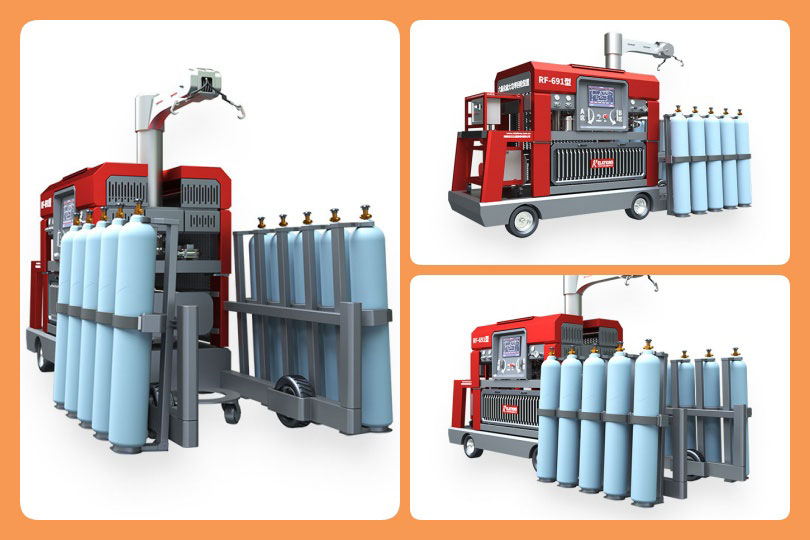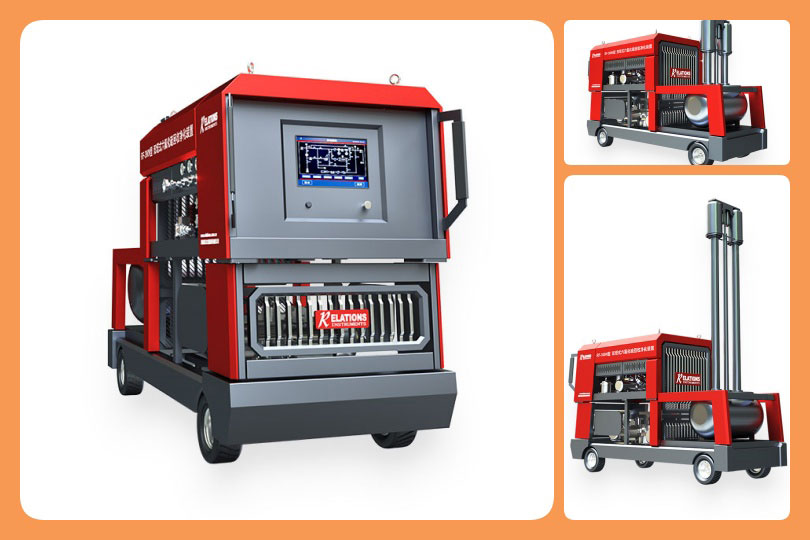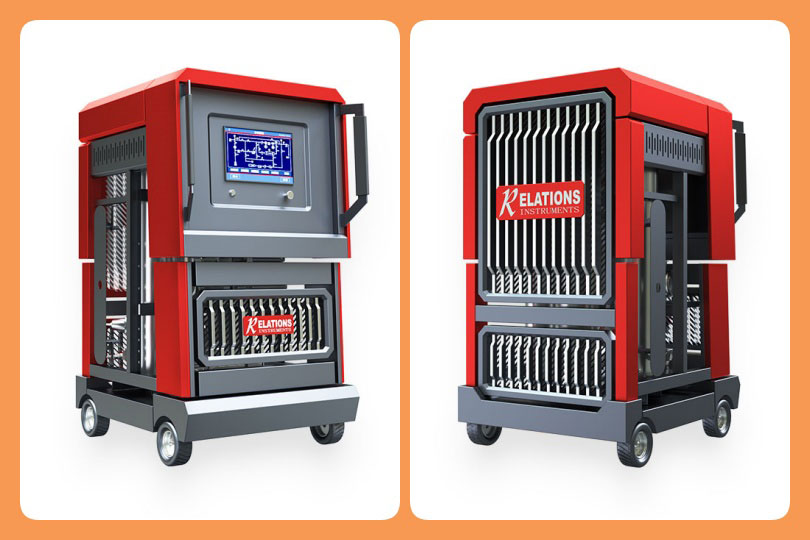
Choosing an Insulating Gas Monitoring Equipment Supplier for Power Plant Maintenance
Date
2026-08-24
[email protected]
Website
www.sf6gasdetector.com
Get Solutions And Quotes
Contact Factory
Choosing an Insulating Gas Monitoring Equipment Supplier for Power Plant Maintenance
An experienced insulating gas monitoring equipment supplier plays a critical role in safe, reliable, and compliant power plant maintenance. Gas-insulated switchgear (GIS), gas-insulated lines, circuit breakers, and other high-voltage assets depend on insulating gases—most commonly SF₆ or approved alternatives—to maintain dielectric strength and interrupt fault currents. Accurate monitoring helps maintenance teams detect moisture ingress, gas leakage, decomposition by-products, and declining gas quality before these issues affect equipment availability.
For power plants operating under demanding grid-dispatch requirements, insulating gas monitoring is not simply a test activity. It is a condition-based maintenance tool that supports outage planning, environmental responsibility, personnel safety, and long-term asset management.
Why Insulating Gas Monitoring Matters in Power Plant Maintenance
Insulating gases perform essential functions inside sealed electrical equipment. When gas density, purity, humidity, or decomposition characteristics move outside acceptable operating limits, the insulation margin may decrease and internal faults can become more likely.
A qualified insulating gas monitoring equipment supplier provides instruments that help power plant teams assess the condition of the gas and make informed maintenance decisions. Typical applications include:
- Routine inspection of GIS and SF₆ circuit breakers
- Pre-commissioning testing after installation or overhaul
- Leak investigation and gas recovery verification
- Periodic condition assessment during planned outages
- Troubleshooting after abnormal switching operations or internal fault events
- Documentation for environmental reporting and asset records
Effective power plant maintenance programs use monitoring results alongside equipment manufacturer recommendations, operational history, partial discharge data, and visual inspections. A single test value should not be interpreted in isolation; the trend over time is often more valuable for identifying early deterioration.
Core Parameters for Insulating Gas Condition Assessment
Gas Purity and Composition
Gas purity indicates whether the insulating medium has been diluted or contaminated. For SF₆-filled equipment, a decrease in SF₆ concentration can reduce dielectric performance and may indicate air ingress, incomplete evacuation, incorrect filling procedures, or gas mixing.
Modern analyzers can measure SF₆ purity and, where applicable, evaluate alternative insulating gas mixtures. A dependable insulating gas monitoring equipment supplier should clearly state the measurement range, accuracy, repeatability, warm-up requirements, and cross-sensitivity limits for each instrument.
Moisture Content
Moisture is commonly measured as dew point, parts per million by volume (ppmv), or parts per million by weight. Excess moisture can affect insulation performance and contribute to corrosion or degradation within high-voltage equipment.
For practical power plant maintenance, technicians should compare moisture results with the equipment manufacturer’s limits and the applicable maintenance specification. Measurements must be taken carefully because ambient temperature, pressure, sampling hose condition, and gas handling practices can influence results.
Decomposition Products
Electrical arcing, overheating, and partial discharge can create decomposition products in SF6 equipment. Depending on the event and equipment design, these may include compounds such as SO₂, H₂S, HF-related species, or other sulfur-containing by-products.
Monitoring decomposition products supports fault investigation and helps determine whether internal inspection, cleaning, gas treatment, or component replacement is needed. It also helps protect personnel, since some by-products can be corrosive or hazardous. Proper sampling, ventilation, personal protective equipment, and gas-handling procedures are essential.
Gas Density, Pressure, and Leakage
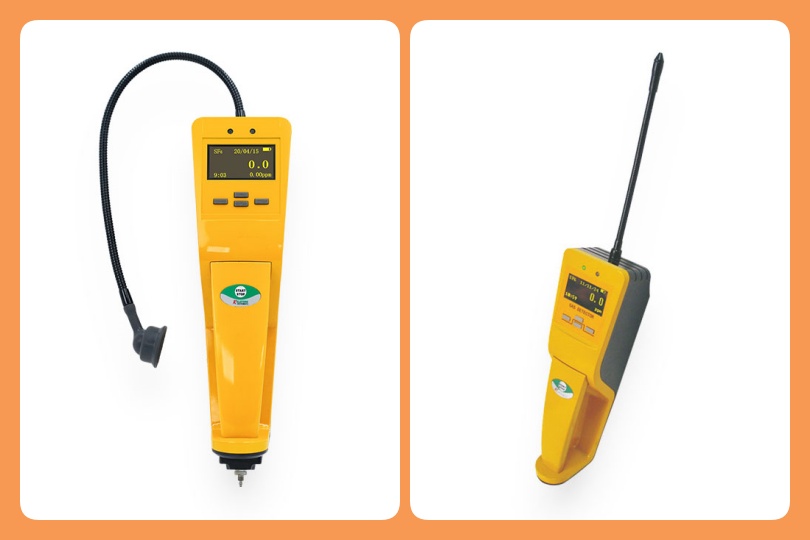
Density and pressure supervision are fundamental to reliable GIS and circuit breaker operation. Low gas density can trigger alarms, lockouts, or reduced insulation capability. Portable leak detectors and density verification devices allow maintenance teams to locate leakage sources and confirm repair quality.
An insulating gas monitoring equipment supplier should offer compatible solutions for routine checks, rapid field surveys, and detailed leak localization. This may include infrared leak detectors, ultrasonic tools, density monitors, calibration equipment, and gas recovery accessories.
Compliance, Standards, and Supplier Capability
A reputable supplier should support equipment selection that aligns with relevant international practices. Depending on the asset and project location, applicable standards and guidance may include IEC 62271 series requirements for high-voltage switchgear, IEC 60376 for technical-grade SF6, IEC 60480 for the handling and reuse of SF6 taken from electrical equipment, and IEC 62271-4 for handling procedures involving SF₆ and its mixtures.
Quality management and calibration traceability are equally important. Look for suppliers that can provide:
- ISO 9001 quality management documentation where applicable
- Calibration certificates traceable to recognized national or international standards
- Clear operating manuals, safety data, and maintenance instructions
- Defined sensor performance, calibration intervals, and consumable requirements
- Technical support for field commissioning and troubleshooting
- Spare parts availability and after-sales service arrangements
For SF₆-related work, suppliers should also understand local environmental reporting obligations. SF6 has a high global warming potential, so minimizing emissions through controlled recovery, reuse, recycling, and leak repair is an important part of responsible power plant maintenance.
Selecting Equipment for Different Maintenance Scenarios
Scheduled GIS and Circuit Breaker Maintenance
During planned outages, teams often need a multifunction gas analyzer capable of measuring purity, moisture, and decomposition products from a single gas sample. This approach reduces connection time and supports consistent maintenance records across multiple bays.
For high-volume outage work, consider gas-saving designs, rapid stabilization time, durable transport cases, and interfaces for downloading test reports. A supplier should also provide sampling adapters compatible with the installed equipment valves.
Emergency Fault Investigation
Following an unexpected trip, engineers may need immediate evidence about possible internal arcing or insulation deterioration. Portable decomposition-product testing, moisture analysis, and leak detection can help prioritize inspections and reduce uncertainty.
In this scenario, fast response matters as much as measurement capability. Choosing an insulating gas monitoring equipment supplier with application knowledge and responsive support can help maintenance personnel use the correct test sequence and avoid cross-contamination between samples.
Environmental Leak Management
For plants managing aging GIS fleets, leakage control is often a continuous program rather than a one-time repair task. Portable SF₆ leak detectors support routine surveys around flanges, valves, density monitors, cable terminations, and service ports.
Trend-based leak records allow teams to identify recurring problem locations, plan targeted repairs, and document emission-reduction efforts. For organizations evaluating their monitoring fleet, quickly obtain a product quotation for equipment matched to plant capacity, gas type, and maintenance frequency.
What to Look for in an Insulating Gas Monitoring Equipment Supplier

The best supplier is not necessarily the one offering the largest instrument catalog. Prioritize technical fit, reliable measurements, safety support, and lifecycle service. Before purchasing, confirm the following:
- Supported gases and measured parameters
- Accuracy, detection limit, response time, and operating temperature range
- Gas consumption per test and recovery or recycling options
- Calibration process and recommended maintenance schedule
- Data logging, reporting, and integration needs
- Compatibility with existing GIS or breaker filling valves
- Training availability for operators and maintenance engineers
A technically capable insulating gas monitoring equipment supplier should help users select instruments based on actual operating conditions rather than generic specifications. For complex GIS fleets, mixed gas applications, or unusual fault symptoms, request one-on-one guidance from engineers before finalizing the equipment configuration.
Frequently Asked Questions
How often should insulating gas be tested?
Testing frequency should follow the equipment manufacturer’s instructions, site maintenance strategy, asset criticality, operating history, and applicable regulations. Critical GIS and circuit breakers may require more frequent checks, especially after alarms, gas handling activities, or abnormal fault operations.
Can gas monitoring identify an internal fault?
Gas monitoring can provide valuable indicators of arcing, overheating, moisture ingress, or contamination, but it does not independently confirm every fault type. Results should be evaluated together with protection records, density trends, partial discharge measurements, and physical inspection findings.
Is SF₆ monitoring relevant when using alternative insulating gases?
Yes. Alternative gas mixtures also require controlled monitoring because purity, moisture, pressure, mixture composition, and handling procedures directly influence insulation performance. Ensure the selected instrument is specifically designed and calibrated for the gas composition in use.
Why is calibration important for gas analyzers?
Calibration verifies that measurements remain within the instrument’s stated accuracy. Regular calibration, correct sampling practices, clean hoses, and proper storage are necessary to maintain dependable results and defensible maintenance records.