SF6 가스 누출 긴급 복구: 현장 대응 시간 및 신속한 동원
SF6 가스 누출 긴급 복구: 현장 대응 시간 및 신속한 동원
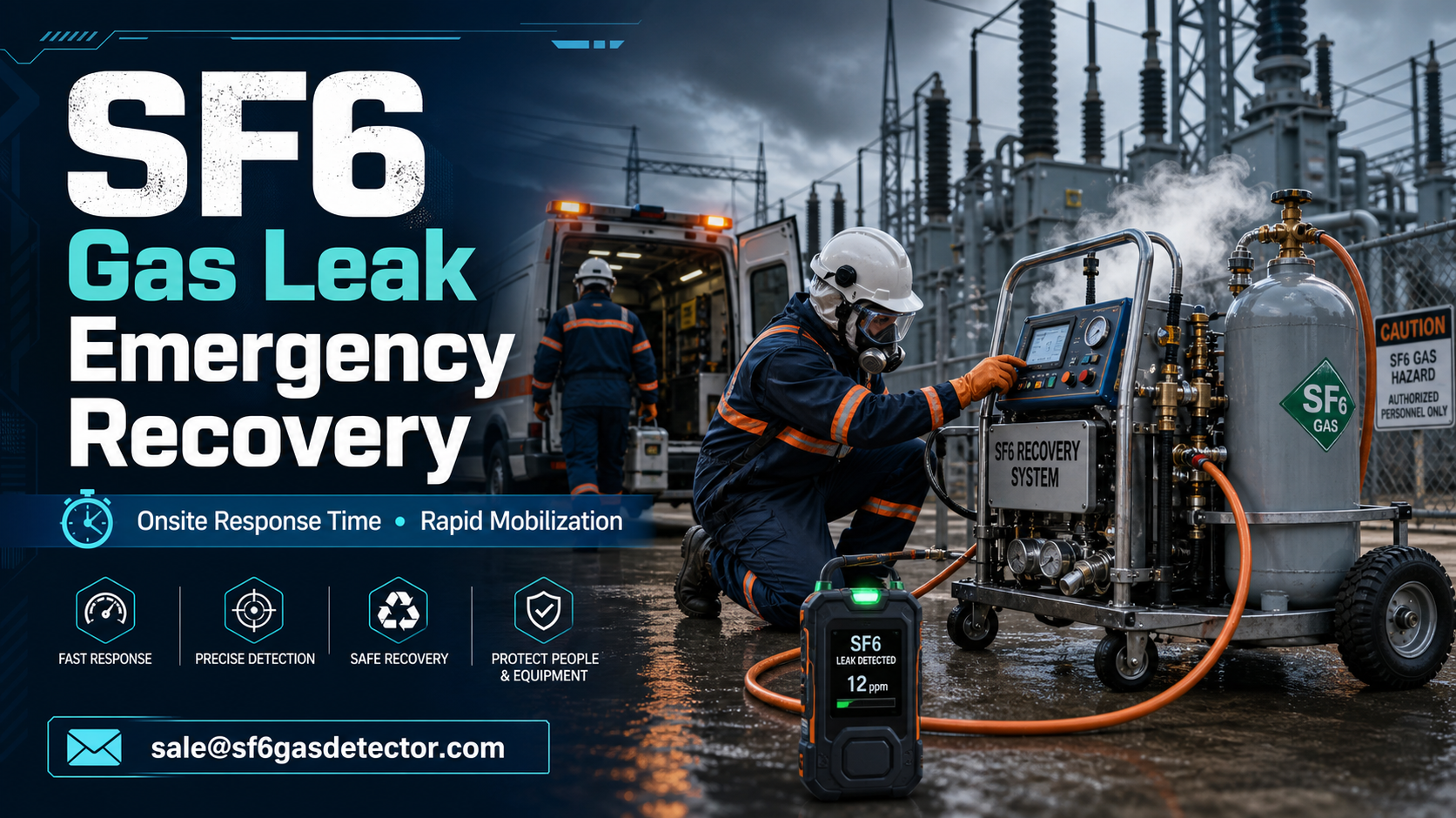
안 SF6 가스 누출 고전압 전기 장비에서의 누전은 운영상의 위험일 뿐만 아니라 환경 및 규정 준수 문제이기도 합니다. 육불화황(SF6)은 우수한 절연 및 아크 소멸 성능으로 인해 가스 절연 개폐기, 차단기 및 변전소에 널리 사용됩니다. 그러나 누전이 발생할 경우, 전력 회사, 산업 플랜트 및 서비스 계약자는 신뢰할 수 있는 방식으로 신속하게 대응해야 합니다. SF6 누출 긴급 복구 계획. 일반적인 계획 현장 대응 시간 위치, 서비스 준비 상태, 장비 가용성, 현장 접근성 및 규제 요건에 따라 다르지만, 올바른 절차와 적절한 대응책이 있다면 신속한 동원은 항상 가능합니다. SF6 복구 시스템.
SF6 누출 긴급 복구를 위한 일반적인 현장 대응 시간
대부분의 산업 및 공공시설 환경에서 긴급 SF6 서비스 제공업체는 다음 시간 내에 현장에 도착하는 것을 목표로 합니다. 4~24시간 누출 확인 보고서를 접수한 후 대응이 이루어집니다. 중요 변전소, 발전소, 철도 견인 시스템 및 송전 설비의 경우, 서비스 팀이 사전에 계약되고 전략적으로 배치되어 이동식 복구 장비를 갖추고 있다면 더욱 신속한 대응이 가능합니다.
원격지, 해상 플랫폼 또는 국경을 넘는 프로젝트의 경우 대응 시간이 더 오래 걸릴 수 있습니다. 24~72시간운송 조건, 통관, 위험물 물류 및 현장 진입 요건에 따라 달라집니다. 따라서 가장 효과적인 전략은 전문적인 긴급 서비스 제공업체를 선정하는 것뿐만 아니라 사고 발생 전에 문서화된 신속 대응 체계를 구축하는 것입니다.
일반 응답 시간 참조표
| 현장 조건 | 일반적인 현장 대응 시간 | 주요 영향 요인 |
|---|---|---|
| 도시 변전소 또는 산업 플랜트 | 4~8시간 | 현지 기술자 확보 가능 여부, 도로 접근성, 사전 승인된 출입 |
| 지역 유틸리티 사이트 | 8~24시간 | 거리, 장비 배송, 안전 문서 |
| 외딴 지역이나 산악 지대에 위치한 변전소 | 24~48시간 | 지형, 날씨, 운송 제한 |
| 해상 또는 섬 시설 | 48~72시간 이상 | 해상/항공 운송, 허가, 통관, 인양 물류 |
| 사전 계약된 중요 시설 | 2~12시간 | 대기팀, 예비 실린더, 준비된 SF6 회수 시스템 |
이러한 시간표는 산업 유지보수 계획에 사용되는 현실적인 추정치입니다. 실제 대응 시간은 서비스 수준 계약서에 명시하고 현지 환경 규정, 산업 안전 규정 및 전기 절연 절차에 따라 확정해야 합니다.
SF6 가스 누출 후 신속한 대응이 중요한 이유
이후 신속한 조치 SF6 가스 누출 SF6는 장비 가동 중단 시간, 환경 오염 물질 배출, 가스 교체 비용 및 안전 위험을 줄이는 데 도움이 됩니다. SF6는 지구 온난화 지수가 매우 높기 때문에 많은 관할 구역에서 엄격한 누출 보고, 가스 재고 기록 및 회수 문서화를 요구합니다. 또한 신속한 투입은 전기 설비의 안전성을 보호합니다. SF6 압력이 낮으면 절연 성능이 저하되어 장비 경보 또는 잠금 장치가 작동될 수 있기 때문입니다.
회복 지연의 주요 위험
긴급 상황 대응이 지연되면 여러 가지 운영 및 규정 준수 문제가 발생할 수 있습니다.
- 온실가스 배출 지속 및 환경 책임 증가
- 가스 절연 장비 내부의 절연 강도 감소
- 주요 전기 설비의 강제 정전 또는 전력 공급 지연
- Higher SF6 refill and purification costs
- 불완전한 가스 회계 및 감사 문제점
- 압력 및 가스 품질이 관리되지 않으면 유지보수 중 위험이 증가합니다.
핵심 임무 수행 시설의 경우, 전문가가 필요합니다. SF6 누출 긴급 복구 이 계획은 자산 신뢰성 및 환경 관리 시스템의 일부로 간주되어야 합니다.
전문 SF6 복구 시스템의 핵심 장점
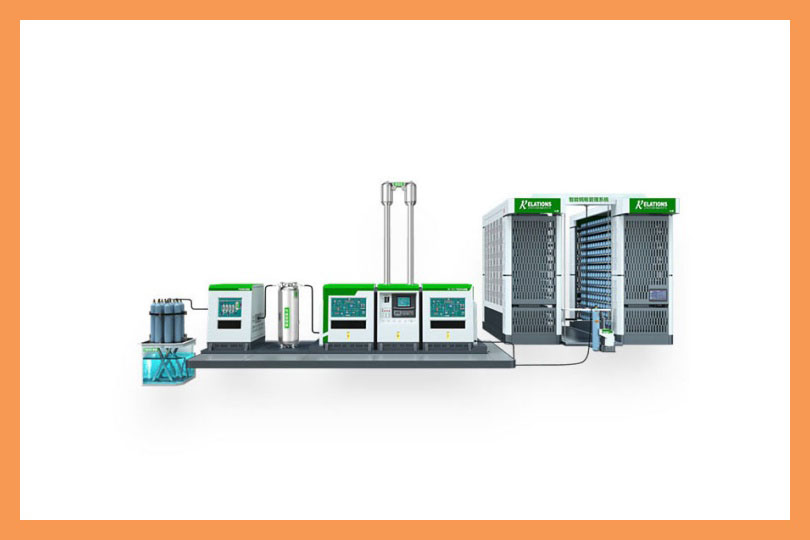
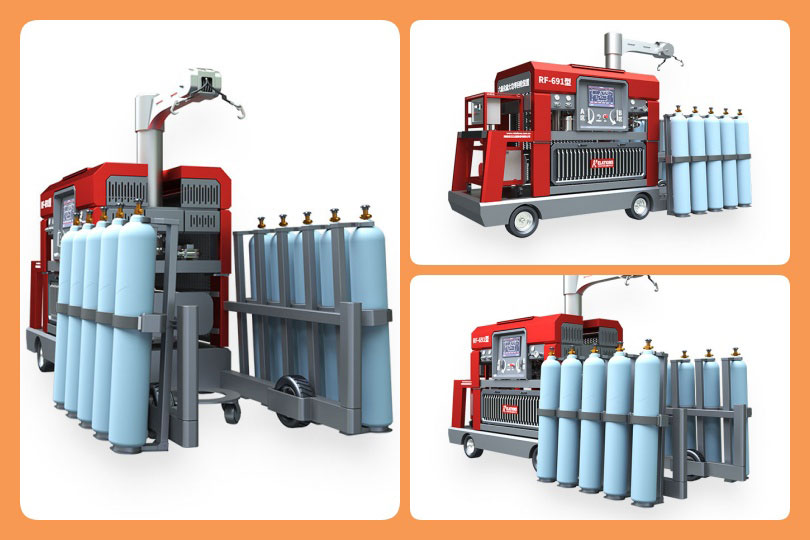
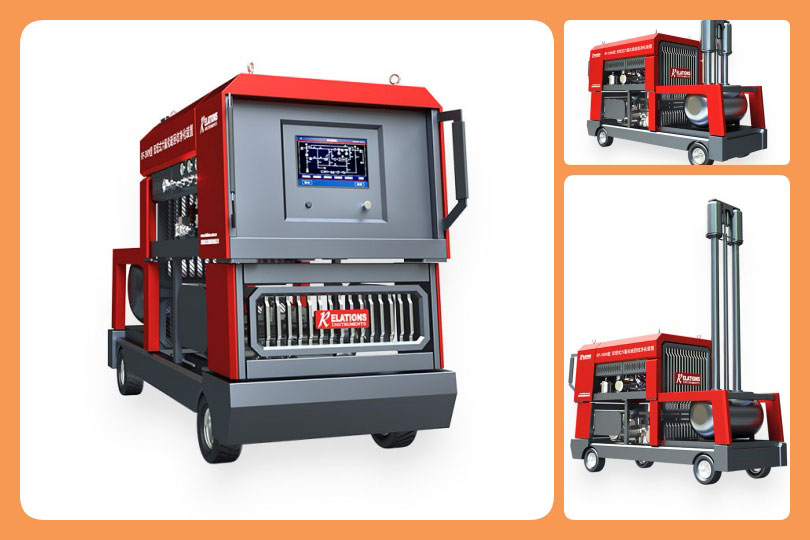
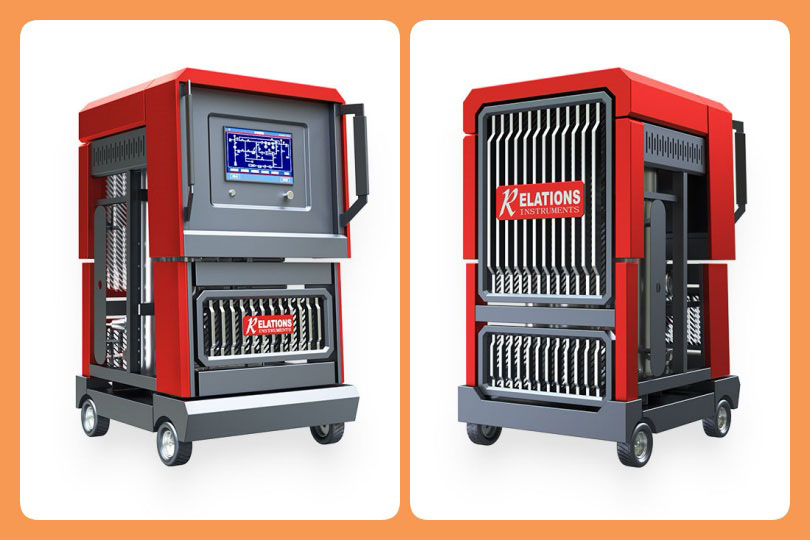
고성능 SF6 복구 시스템 이 시스템은 안전하고 효율적인 누출 대응의 기반이 됩니다. 기술자는 이 시스템을 통해 업계에서 인정하는 기준에 따라 SF6 가스를 회수, 배출, 여과, 저장 및 재사용할 수 있습니다. 숙련된 엔지니어와 교정된 누출 감지 장비와 함께 사용하면 신속한 현장 투입과 규정 준수 회수 작업을 지원합니다.
주요 제품 장점
| 이점 | 긴급 복구에서의 실용적 가치 |
|---|---|
| 높은 회수 효율 | 잔류 SF6 배출량을 줄이고 환경 규제 준수를 지원합니다. |
| 통합 여과 | 필요에 따라 습기, 공기 및 분해 부산물을 제거합니다. |
| 휴대용 또는 이동식 디자인 | 변전소, 발전소 및 현장 장비에 대한 접근성을 향상시킵니다. |
| Vacuum and filling functions | Enables controlled evacuation, recovery, and refilling |
| Digital monitoring | Improves accuracy for pressure, weight, and gas handling records |
| Cylinder compatibility | Supports safe storage, transport, and reuse of recovered SF6 |
| Safety protection features | Helps prevent overpressure, contamination, and improper operation |
A properly selected recovery system should comply with relevant electrical safety practices, gas handling procedures, pressure vessel requirements, and applicable environmental regulations. Operators should also follow manufacturer instructions and site-specific safety protocols.
Typical Parameters for SF6 Recovery Equipment
While specifications vary by manufacturer and model, the following table shows common parameters considered when selecting an emergency-ready SF6 복구 시스템.
| Parameter | Typical Range or Requirement | Selection Consideration |
|---|---|---|
| Recovery rate | 10–100 kg/h or higher | Choose based on equipment gas volume and emergency response target |
| Final recovery pressure | ≤ 1 mbar to several mbar | Lower residual pressure improves emission reduction |
| Vacuum pump capacity | 4–40 m³/h | Affects evacuation speed before refilling |
| Compressor type | Oil-less or gas-compatible compressor | Helps maintain gas purity and reliability |
| Filtration system | Moisture and particle filtration | Important for reclaiming reusable SF6 |
| Storage method | Cylinders, tanks, or gas carts | Must match site volume and transport rules |
| Power supply | Single-phase or three-phase | Confirm compatibility with onsite power |
| Mobility | Portable cart, skid, or truck-mounted unit | Impacts rapid mobilization in field conditions |
For facilities requiring customized emergency planning, engineering teams can provide model selection and response planning support through free SF6 leak recovery consultation.
Key Application Scenarios for Emergency SF6 Leak Recovery
Emergency recovery solutions are used across power transmission, distribution, manufacturing, and industrial infrastructure. The required 현장 대응 시간 depends heavily on the risk level and operational impact of the affected equipment.
High-Voltage Substations
Gas-insulated switchgear and SF6 circuit breakers in substations require immediate attention when gas density alarms appear. Recovery teams must coordinate with dispatch centers, isolate equipment, confirm safe working conditions, and recover gas before repair or component replacement.
Power Plants and Renewable Energy Stations
Thermal power plants, hydropower stations, wind farms, and solar substations often rely on SF6-insulated equipment for grid connection. Rapid recovery minimizes outage duration and helps operators maintain environmental reporting accuracy.
Industrial Manufacturing Facilities
Steel plants, chemical plants, semiconductor facilities, and large factories may use high-voltage switchgear for continuous production. An SF6 leak can affect production reliability, making rapid mobilization essential for business continuity.
Rail Transit and Infrastructure Projects
Metro systems, railway substations, airports, ports, and tunnel power distribution systems require fast response because electrical interruptions can affect public operations and safety-critical services.
How to Ensure Rapid Mobilization for SF6 Leak Recovery
Reducing response time is not only about technician speed. It requires preparation, communication, equipment readiness, and documented procedures.
1. Establish a Pre-Approved Emergency Response Plan
A written plan should define reporting channels, site contacts, electrical isolation responsibilities, safety approval procedures, and service provider escalation levels. Pre-approval can save several hours during an emergency.
2. Maintain Accurate SF6 Asset Records
Asset records should include equipment model, gas volume, rated pressure, installation location, previous leak history, and valve connection types. These details help engineers select the right recovery equipment and accessories before dispatch.
3. Use Continuous or Routine Leak Detection
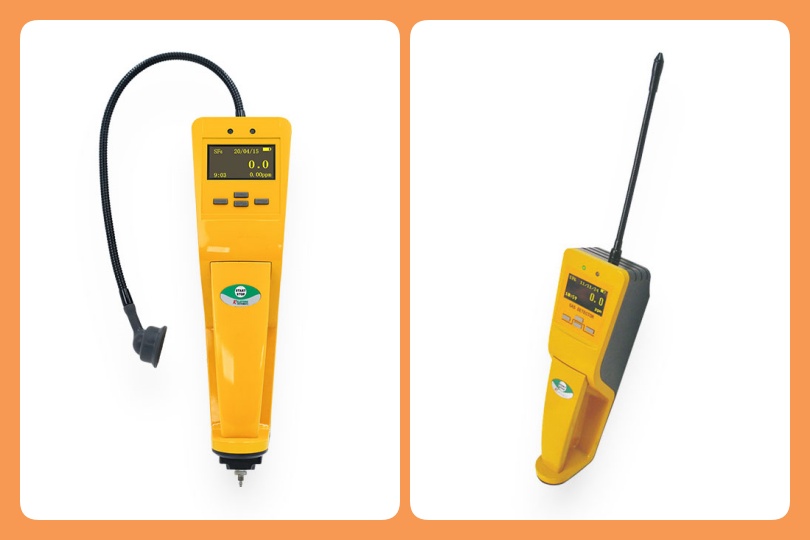
Periodic inspection with calibrated SF6 gas detectors helps identify small leaks before they become urgent. For critical equipment, online monitoring can shorten diagnosis time and trigger early intervention.
4. Prepare Site Access and Safety Documentation
Many delays occur because service teams cannot enter restricted areas quickly. Facilities should prepare contractor access procedures, work permits, lockout/tagout requirements, and personal protective equipment rules in advance.
5. Select a Mobile SF6 Recovery System
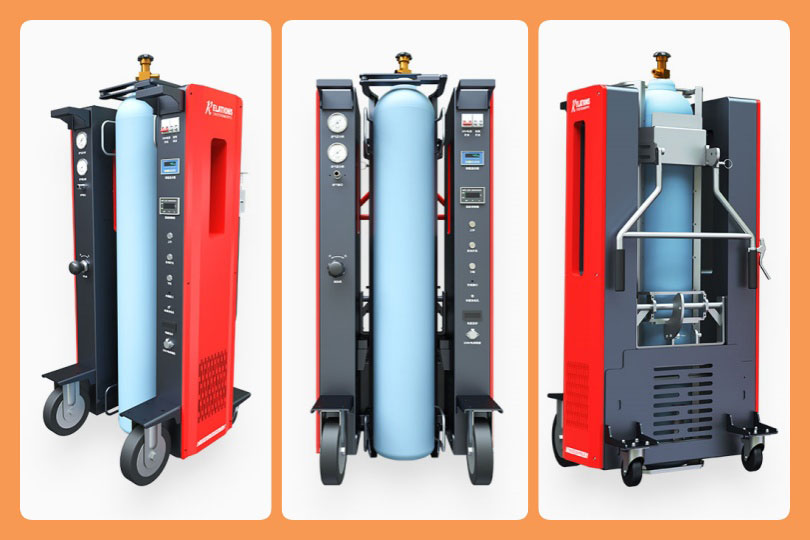
Portable or truck-mounted recovery units are ideal for emergency response. They allow technicians to mobilize quickly and perform recovery, evacuation, gas filtration, storage, and refilling in one coordinated operation.
6. Build a Service-Level Agreement
A service-level agreement should clearly state target response times, available equipment, technician qualifications, emergency contacts, documentation deliverables, and after-service reporting. For customized onsite procedures, operators can request one-on-one engineer guidance.
Purchasing Guide: How to Choose Emergency SF6 Recovery Equipment
Selecting the right system requires more than comparing price. Buyers should evaluate capacity, safety, compatibility, and long-term maintenance support.
Key Buying Criteria
| Purchasing Factor | What to Check |
|---|---|
| Recovery performance | Gas recovery speed and final residual pressure |
| Gas purity protection | Filtration, moisture removal, and contamination control |
| Equipment compatibility | Suitable connectors, hoses, cylinders, and pressure ratings |
| Mobility | Whether the unit can be transported quickly to field sites |
| Compliance support | Documentation for gas handling, recovery records, and calibration |
| Operator safety | Pressure protection, alarms, emergency stop, and safe operating design |
| Technical support | Training, spare parts, troubleshooting, and emergency service capability |
| Total cost of ownership | Maintenance cost, service life, consumables, and downtime reduction |
For large utilities and industrial users, the best choice is often a tailored package that includes a recovery unit, leak detector, gas storage cylinders, service tools, operating training, and emergency response procedures. Buyers can obtain customized onsite SF6 recovery solutions based on equipment type, gas volume, and target mobilization time.
Compliance and Safety Considerations
Emergency SF6 handling should follow applicable environmental regulations, electrical safety standards, pressure equipment requirements, and occupational health procedures in the project location. Personnel should be trained in gas recovery, cylinder handling, vacuum operation, electrical isolation, and emergency response. Recovered SF6 should be weighed, labeled, tested when necessary, and documented for inventory control.
During recovery, technicians must verify that equipment is de-energized and grounded according to site rules before physical intervention. If SF6 decomposition products are suspected after internal arcing, appropriate protective measures and gas treatment procedures must be applied.
Frequently Asked Questions
What is the fastest realistic onsite response time for an SF6 gas leak?
For pre-contracted urban or critical facilities, a response time of 2 to 8 hours may be achievable. Without prior arrangements, 8 to 24 hours is more typical, depending on technician and equipment availability.
Can leaked SF6 be recovered and reused?
Gas remaining inside equipment can often be recovered, filtered, stored, and reused if it meets required quality standards. Gas quality testing may be necessary, especially after faults or contamination.
What information should be provided when reporting an SF6 leak?
Report the equipment type, location, gas pressure, alarm status, estimated gas volume, leak point if known, access restrictions, required permits, and whether the equipment is energized or isolated.
Is emergency SF6 leak recovery required by regulation?
Requirements vary by country or region, but SF6 emissions are widely regulated due to environmental impact. Many operators must maintain gas inventory, leak records, recovery logs, and service documentation.
How can a facility reduce future onsite response time?
The most effective methods are establishing a service agreement, preparing site access documents, keeping asset records updated, using routine leak detection, and ensuring compatible SF6 recovery equipment is available.
Conclusion
A typical 현장 대응 시간 for SF6 누출 긴급 복구 ranges from several hours to several days, depending on site location, preparedness, and equipment availability. The best way to ensure rapid mobilization is to combine a documented emergency plan, accurate asset data, trained personnel, and a reliable SF6 복구 시스템. For utilities and industrial facilities, proactive planning not only reduces downtime and emissions but also strengthens compliance, operational safety, and long-term asset reliability.