Advanced SF6 Detector for Quantitative Leakage Rate Testing: Ensuring Safety and Efficiency in Electrical Systems
Date
2026-01-22
sale@sf6gasdetector.com
Website
www.sf6gasdetector.com
Get Solutions And Quotes
Advanced SF6 Detector for Quantitative Leakage Rate Testing: Ensuring Safety and Efficiency in Electrical Systems
Sulfur hexafluoride (SF6) has become an indispensable insulating gas in high-voltage electrical equipment worldwide. However, its status as an extremely potent greenhouse gas—approximately 23,500 times more impactful than CO2—necessitates rigorous monitoring and containment protocols. This is where specialized equipment like the SF6 detector for quantitative leakage rate testing becomes mission-critical for utilities, industrial facilities, and maintenance teams. Unlike simple presence detectors, modern quantitative SF6 monitoring systems provide precise measurements of leakage rates, enabling proactive maintenance and environmental compliance.
The Critical Need for Quantitative SF6 Monitoring
Electrical infrastructure utilizing SF6—including Gas Insulated Switchgear (GIS), circuit breakers, and ring main units—requires regular inspection to prevent costly leaks and environmental damage. Many organizations still rely on qualitative “sniffers” that merely indicate SF6 presence without measuring actual leakage rates. This approach falls short of regulatory requirements and optimal maintenance practices. A true SF6 detector for quantitative leakage rate testing delivers precise measurements in standardized units (ppm and g/y), enabling data-driven decisions about equipment repair, replacement, and environmental reporting.
Cutting-Edge Technology in Modern SF6 Detection
Contemporary SF6 monitoring systems employ sophisticated infrared absorption spectroscopy (NDIR) principles to achieve unprecedented accuracy. These advanced detectors utilize high-performance microcontrollers paired with imported infrared sensors that detect specific light absorption patterns unique to SF6 molecules. The most effective systems implement unique data processing algorithms that continuously compensate for environmental factors and sensor drift.
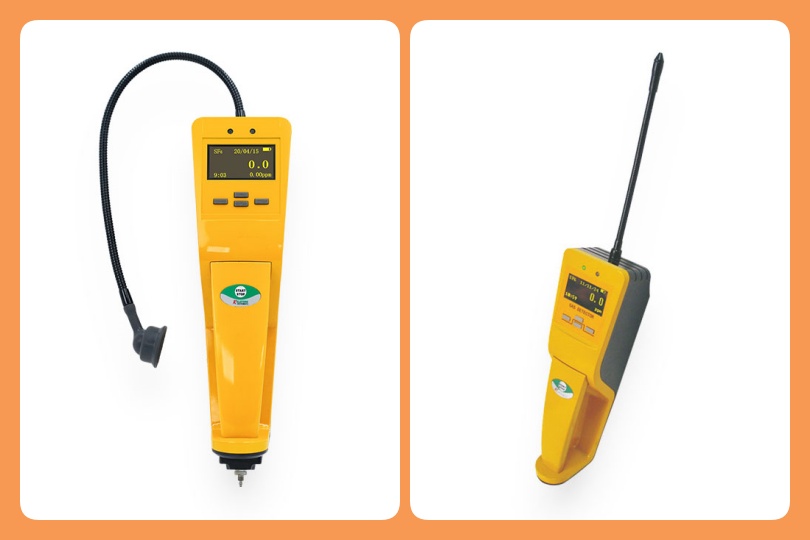
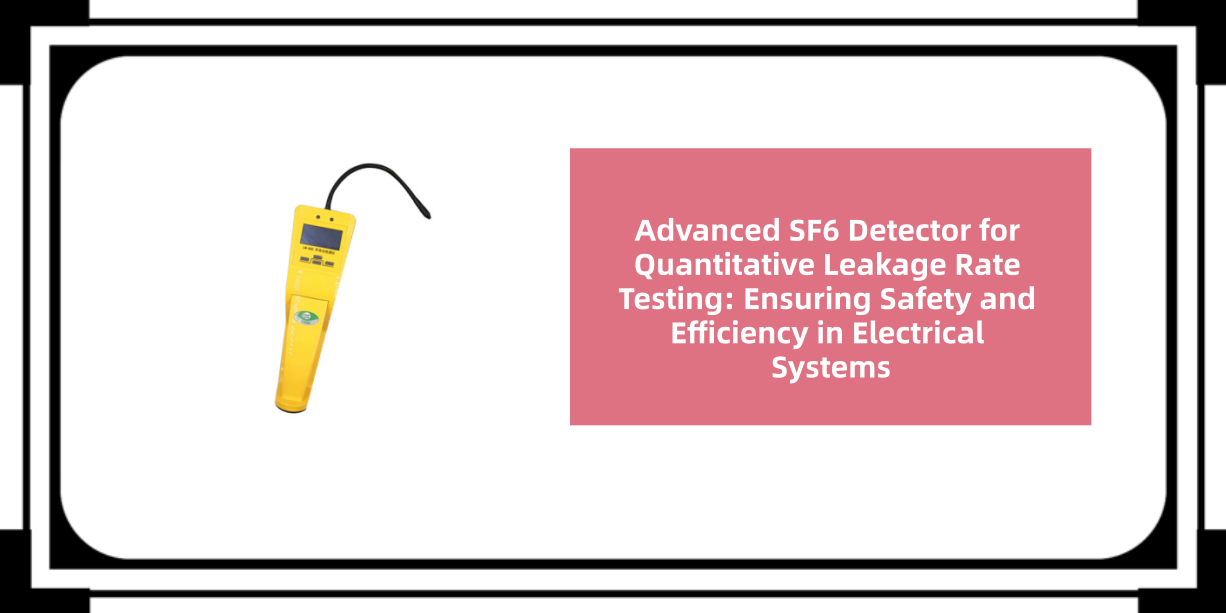
For instance, premium handheld SF6 detectors feature measurement ranges from 0-50ppm (high sensitivity) to 0-1000ppm (standard), with corresponding sensitivities of 0.01ppm and 0.1ppm respectively. This precision is essential when establishing baseline measurements and tracking subtle changes in leakage rates over time. The pump-assisted sampling system ensures consistent airflow across the sensor, delivering reliable readings within 1-5 seconds of exposure.
Design Features Optimized for Field Applications
The most effective SF6 detector for quantitative leakage rate testing combines technical excellence with practical field considerations:
- Display Technology: OLED displays provide superior visibility in various lighting conditions with minimal power consumption and no viewing angle limitations—critical for field technicians working in challenging environments.
- Ergonomic Design: Handheld configurations with balanced weight distribution (typically with 22cm probe length) reduce operator fatigue during extended inspection sessions while maintaining precision targeting of potential leak points.
- Power Management: Single lithium battery configurations (typically 4.2V, 2200mAh) offer extended operational life with flexible recharging options via USB or AC adapters—essential for remote substation inspections.
- Data Management: Advanced units feature both automatic and manual data storage capabilities, creating comprehensive records of leakage measurements across multiple inspection points and time periods.
- Alert Systems: Integrated audio-visual alarms provide immediate notification when preset threshold values are exceeded, enabling rapid response to significant leaks.
Technical Specifications for Professional Applications
When evaluating an SF6 detector for quantitative leakage rate testing, professionals should consider these critical specifications:
- Operating Temperature Range: Units functioning reliably between -20°C to 60°C ensure year-round usability in diverse climates
- Response Time: Systems achieving full response within 5 seconds maximize inspection efficiency
- Calibration Requirements: Professional-grade equipment typically requires calibration every six months to maintain accuracy
- Sensor Longevity: Quality infrared sensors offer service lifespans exceeding 10 years, providing excellent return on investment
- Warm-up Time: Effective systems achieve operational readiness within approximately 100 seconds of power-on
These specifications directly impact the reliability of quantitative measurements and the practical usability of the equipment in professional settings.
Applications Across the Electrical Industry
The quantitative capabilities of modern SF6 detectors serve numerous critical applications:
Preventive Maintenance Programs: Regular quantitative measurements establish baseline leakage profiles for equipment, enabling trend analysis that predicts failures before they occur. This approach transforms maintenance from reactive to predictive, reducing unplanned outages.
Regulatory Compliance: Environmental agencies increasingly require precise reporting of SF6 emissions. Quantitative detectors provide legally defensible measurements for compliance documentation and carbon credit calculations.
Commissioning Verification: New equipment installation requires verification that leakage rates fall within manufacturer specifications. Only quantitative measurement systems can provide this certification with sufficient precision.
Leak Localization and Repair Verification: Beyond identifying leaks, quantitative systems allow technicians to measure the exact reduction in leakage rate following repair efforts, validating the effectiveness of maintenance procedures.
Environmental and Economic Benefits
The implementation of proper SF6 detector for quantitative leakage rate testing protocols delivers significant environmental and economic returns:
- Reduced Greenhouse Gas Emissions: Each kilogram of SF6 prevented from entering the atmosphere equates to avoiding approximately 23.5 tonnes of CO2 equivalent emissions
- Extended Equipment Lifespan: Early detection of developing leaks prevents catastrophic equipment failure and extends operational life
- Reduced Gas Replenishment Costs: SF6 is expensive—preventing leaks directly impacts operational budgets
- Avoided Regulatory Penalties: Many jurisdictions impose significant fines for excessive SF6 emissions
- Enhanced Corporate Sustainability Reporting: Quantifiable emission reduction data strengthens ESG reporting and stakeholder communications
Calibration and Maintenance Best Practices
To maintain the accuracy essential for quantitative measurements, proper maintenance protocols are crucial:
- Scheduled Calibration: Follow manufacturer recommendations (typically every six months) using certified calibration equipment
- Zero-Point Verification: Leverage the automatic zero-drift correction features of modern detectors before each use session
- Sensor Protection: Keep protective filters clean and replace according to maintenance schedules to prevent contamination
- Battery Management: Maintain proper charging protocols to ensure consistent power delivery during critical measurements
- Data Integrity: Regularly back up stored measurement data to prevent loss of historical leakage profiles
Future Developments in SF6 Detection Technology
The evolution of SF6 detection continues toward greater precision, connectivity, and integration:
- IoT Integration: Next-generation detectors will feed real-time quantitative data into facility management systems
- Predictive Analytics: AI-enhanced systems will analyze leakage trends to forecast component failures
- Alternative Gas Compatibility: As the industry transitions toward SF6 alternatives, detectors will require broader gas recognition capabilities while maintaining quantitative precision
- Enhanced Sensitivity: Ongoing sensor development promises even lower detection thresholds, identifying minute leaks before they develop into significant problems
The SF6 detector for quantitative leakage rate testing represents an essential investment for any organization managing SF6-filled electrical equipment. Beyond compliance and environmental responsibility, these sophisticated instruments deliver tangible operational benefits through predictive maintenance capabilities, reduced operational costs, and extended equipment lifecycles. When evaluating options, prioritize systems offering infrared absorption technology, comprehensive data management, robust construction, and proper calibration support.
As regulations tighten and environmental awareness grows, the shift from qualitative leak presence detection to precise quantitative measurement becomes not just advisable but imperative. Organizations that implement rigorous SF6 monitoring protocols today position themselves for operational excellence and regulatory compliance well into the future, while contributing to global climate protection initiatives through responsible gas management practices. The modest investment in proper quantitative detection equipment pays substantial dividends across environmental, operational, and financial dimensions of electrical infrastructure management.