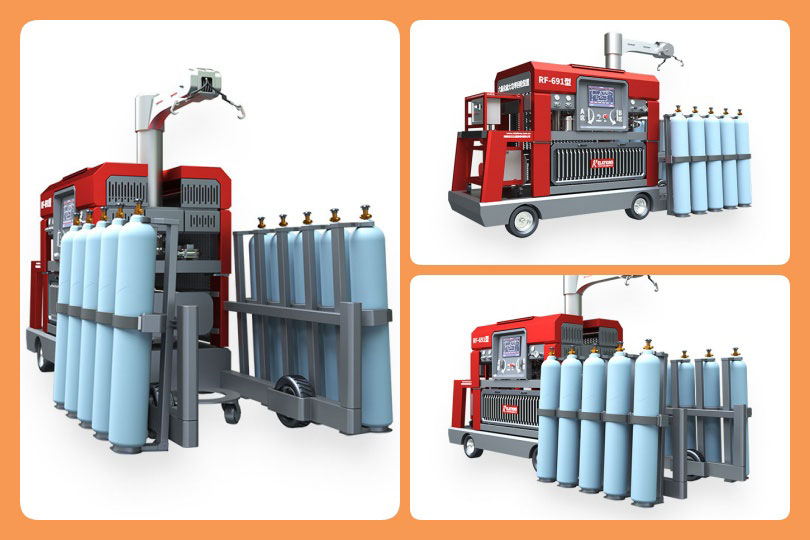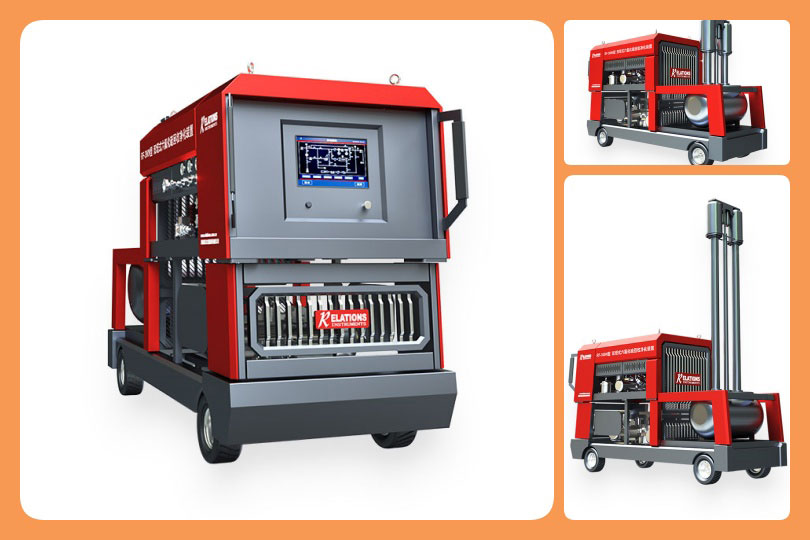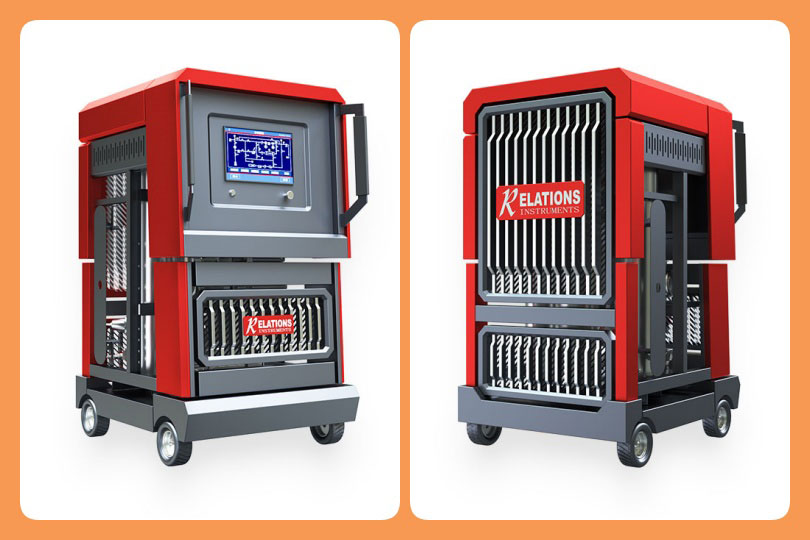
Can All Recovered SF6 Gas Be Reused? Ensuring Compliance and Quality with Advanced SF6 Gas Recycling Machines
Date
2026-03-18
sale@sf6gasdetector.com
Website
www.sf6gasdetector.com
Get Solutions And Quotes
Can All Recovered SF6 Gas Be Reused? Ensuring Compliance and Quality with Advanced SF6 Gas Recycling Machines
The global power industry stands at a crossroads regarding the management of Sulfur Hexafluoride (SF6). While it remains the most effective insulating gas for high-voltage switchgear and Gas Insulated Switchgear (GIS) systems, its environmental impact as a potent greenhouse gas is under intense regulatory scrutiny. As companies move toward sustainable asset management, a critical question arises for fleet managers and environmental compliance officers: Can all recovered SF6 gas be reused?
The short answer is: Yes, provided it is processed through high-performance SF6 gas recycling machines that meet international standards like DL/T 662 and GB/T 12022. Reusing gas is not just an environmental preference; it is a financial and regulatory necessity in the modern energy landscape.
The Science of SF6 Degradation: Why Raw Recovered Gas Isn’t Ready for Reuse
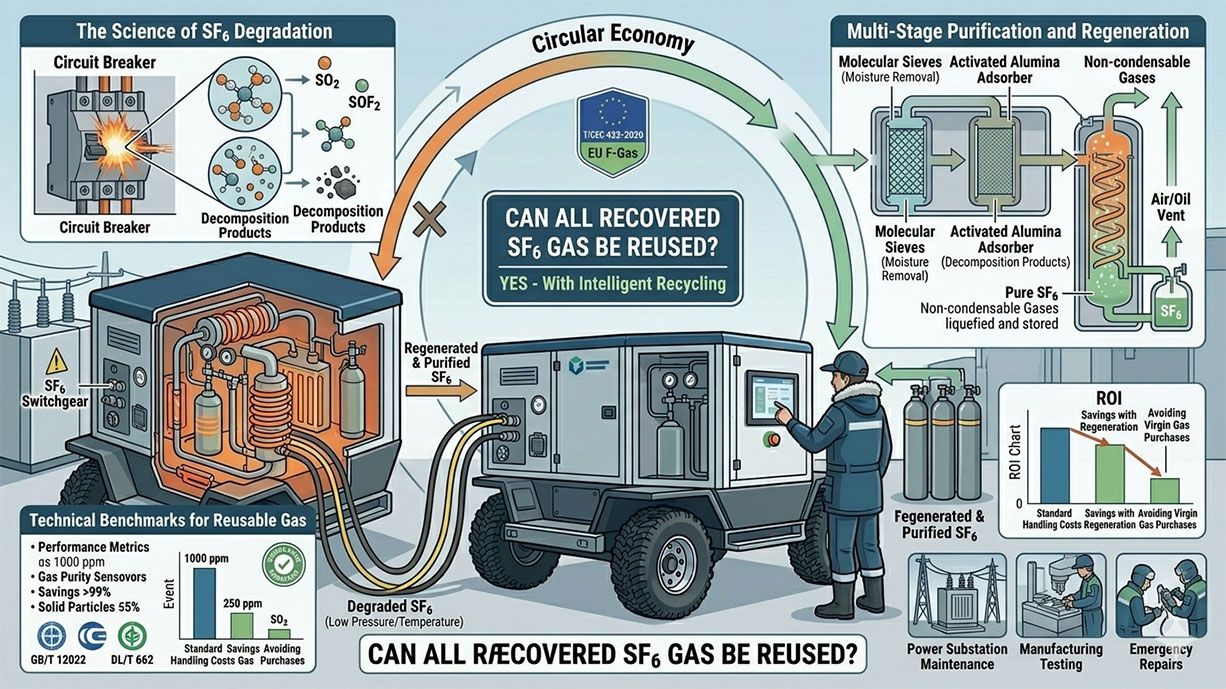
To understand if gas can be reused, we must first look at what happens inside a circuit breaker during its service life. When SF6 is subjected to high-energy electrical arcs, the molecules break down. While most of the gas recombines, some reacts with trace moisture or metallic contaminants to form toxic byproducts such as sulfur dioxide (SO2), thionyl fluoride (SOF2), and solid metallic fluorides (dust).
Raw recovered gas typically contains:
-
Micro-water (Moisture): Increases the risk of internal arcing.
-
Decomposition Products: Corrosive acids that damage equipment internals.
-
Solid Particulates: Metallic dust that compromises dielectric strength.
-
Air and Oil Contaminants: Resulting from minor leaks or improper previous handling.
Without sophisticated purification, this “dirty” gas cannot be reinjected into switchgear. However, with the advent of intelligent SF6 gas recycling machines, the industry can now achieve “closed-loop” circularity.
Engineering the Answer: How Modern Recycling Machines Enable Total Reuse
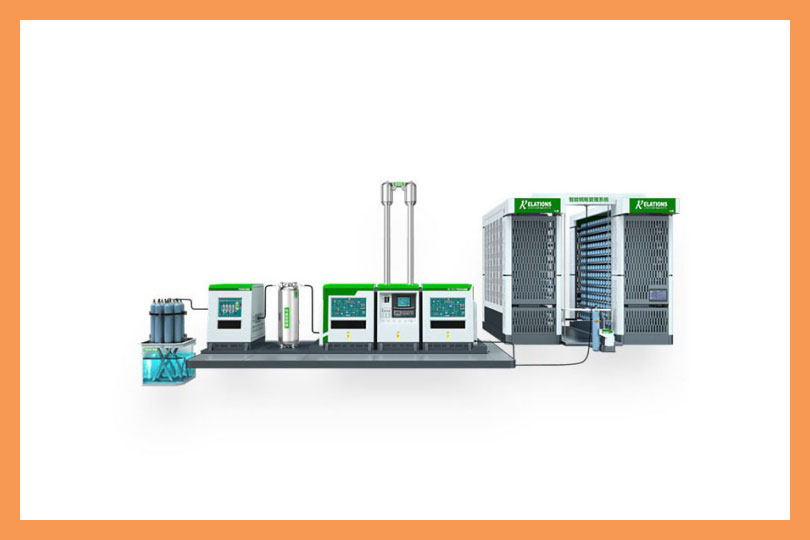
The latest generation of SF6 gas recycling machines utilizes multi-stage purification technology to ensure that recovered gas meets the stringent requirements of GB/T 12022. For gas to be successfully reused, the recycling equipment must perform several specialized functions beyond simple recovery.
1. Multi-Stage Filtration and Adsorption
To make recovered gas reusable, it must pass through high-efficiency filters. Modern machines utilize modular designs to target specific impurities:
-
Molecular Sieves: Specifically tuned to remove micro-water.
-
Activated Alumina: Used for the adsorption of acidic decomposition products.
-
Precision Particulate Filters: Capturing solid matter down to less than 1 micrometer.
2. Advanced Distillation and Liquefaction
A key feature of high-end recycling units is the lifting rectification tower. Through mechanical refrigeration and distillation, the system can separate SF6 from non-condensable gases (like air or nitrogen) that may have entered the system. This deep purification ensures that the purity of the regenerated gas reaches levels comparable to virgin SF6.
3. Oil-Free Compression Technology
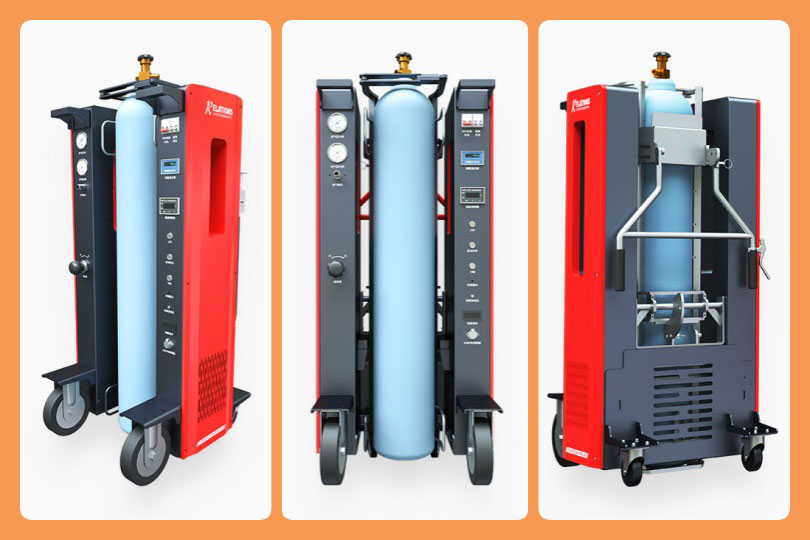
One of the historical barriers to reusing gas was oil contamination from the recycling equipment itself. Using oil-free water-cooled compressors (with capacities up to 38 cubic meters per hour) and oil-free boosters, modern machines ensure that the gas remains chemically pure throughout the recovery and reinjection cycle.
Technical Benchmarks for Reusable Gas Quality
When determining if all recovered SF6 gas can be reused, procurement teams must evaluate the technical parameters of their recycling fleet. A machine capable of full gas regeneration should meet or exceed the following specifications:
| Parameter | Performance Requirement |
| Purification Standard | Compliant with GB/T 12022 |
| Vacuum Performance | Limit vacuum 0.1 mbar (to ensure no air mixing) |
| Filtration Rating | Less than 1 micrometer particle size |
| Processing Speed | 40L cylinder filled (50kg) in 5 to 8 minutes |
| Moisture Removal | Integrated molecular sieve adsorption |
| Safety | Anti-oil return valves and negative pressure recovery |
The ROI of Gas Reuse: Economic and Regulatory Persuasives
The argument for the reuse of SF6 extends beyond engineering into the realm of corporate strategy.
1. Avoiding the High Cost of Virgin Gas
As SF6 production is phased out in various jurisdictions, the price of “new” gas is skyrocketing. By investing in an SF6 gas recycling machine, utilities can effectively create their own internal supply chain. Reusing 99% of recovered gas through high-efficiency recovery systems provides a direct and rapid Return on Investment (ROI).
2. Regulatory Compliance (EU F-Gas and Beyond)
Global standards are increasingly mandating that SF6 must be recovered and, where possible, reclaimed. Equipment that offers negative pressure recovery ensures that the maximum amount of gas is extracted from the switchgear, leaving virtually zero residual gas to be released into the atmosphere.
3. Operational Efficiency
Modern units feature PLC-controlled touchscreens and embedded detection instruments. These tools allow technicians to verify the purity, humidity, and decomposition levels of the gas in real-time. If the gas meets the required metrics, it is immediately authorized for “re-charging” or “pressure filling” into cylinders for future use.
Usage Scenarios: Where Gas Reuse is Critical
-
Power Substations: During routine maintenance or switchgear overhauls, the gas can be recovered, purified on-site via a 300L purification tank, and reinjected without the logistical burden of transporting cylinders.
-
Manufacturing and Testing: For SF6 switchgear manufacturers, recycling gas during the testing phase is a massive cost-saving measure.
-
Emergency Repairs: High-speed recovery and “vaporization output” systems allow for rapid repairs where gas must be moved quickly while maintaining its insulating integrity.
Conclusion: A Circular Future for SF6
In conclusion, the answer to “Can all recovered SF6 gas be reused?” is a definitive yes—provided the operator is equipped with an intelligent, modular, and PLC-controlled SF6 gas recycling machine. By integrating deep purification, oil-free compression, and real-time monitoring, these devices transform a potential hazardous waste into a valuable, long-term asset.
As the power industry moves toward a “net-zero” future, the ability to recycle and reuse existing SF6 stocks is the most effective way to balance operational reliability with environmental responsibility. Ensuring your equipment meets DL/T 662 and GB/T 12022 standards is the first step in mastering this transition.
Technical FAQ: SF6 Gas Recovery and Reuse
1. Can all recovered SF6 gas be reused in high-voltage equipment?
Yes, almost all recovered SF6 gas can be reused if it is processed through a high-performance SF6 gas recycling machine. To meet the GB/T 12022 or IEC 60480 standards for reuse, the gas must be purified to remove moisture, decomposition byproducts (like SO2), and air contaminants. Modern intelligent recycling units use multi-stage filtration and rectification towers to restore the gas to “as-new” purity levels.
2. What are the key impurities that prevent SF6 gas reuse?
The primary barriers to reusing SF6 gas are micro-water (moisture), toxic decomposition products (formed by electrical arcing), and solid metallic particulates. Moisture is particularly dangerous as it reacts with arcing products to form corrosive hydrofluoric acid. Advanced recycling machines use molecular sieves and activated alumina to adsorb these chemical impurities, making the gas safe for reinjection.
3. How long does it take to recycle and refill an SF6 gas cylinder?
Using a high-capacity SF6 gas recycling machine equipped with an oil-free compressor (e.g., 38 cubic meters per hour), a standard 40L gas cylinder can be filled with 50kg of liquid SF6 in approximately 5 to 8 minutes. Total processing time depends on the initial contamination level of the gas and the efficiency of the machine’s liquefaction system.
4. What is the difference between SF6 recovery and SF6 regeneration?
SF6 recovery refers to the mechanical process of pumping gas out of electrical equipment into a storage tank to prevent atmospheric release. SF6 regeneration is the chemical and physical purification process that follows recovery. Regeneration involves deep drying, acid removal, and distillation to ensure the gas meets dielectric strength requirements for reuse in GIS systems.
5. How does a rectification tower improve SF6 gas quality?
A rectification tower (or distillation column) in an SF6 recycling machine uses temperature and pressure differentials to separate SF6 from non-condensable gases like nitrogen and oxygen. Because SF6 liquefies at a different point than air, the tower can “strip” away these impurities, raising the gas purity back to 99.9% or higher, which is essential for maintaining the safety of high-voltage switchgear.