Compliance Verification and Testing for the Recycling and Regeneration of SF6 Gas: Ensuring Grid Sustainability
Date
2026-02-26
[email protected]
Website
www.sf6gasdetector.com
Get Solutions And Quotes
Compliance Verification and Testing for the Recycling and Regeneration of SF6 Gas: Ensuring Grid Sustainability
In the modern high-voltage power industry, Sulfur Hexafluoride (SF6) remains the indispensable medium for insulation and arc quenching in Gas Insulated Switchgear (GIS). However, due to its high global warming potential, the focus has shifted from simple usage to a closed-loop lifecycle management model. Compliance verification and testing for the recycling and regeneration of SF6 gas is no longer just a technical recommendation; it is a regulatory mandate to ensure environmental safety and equipment longevity.
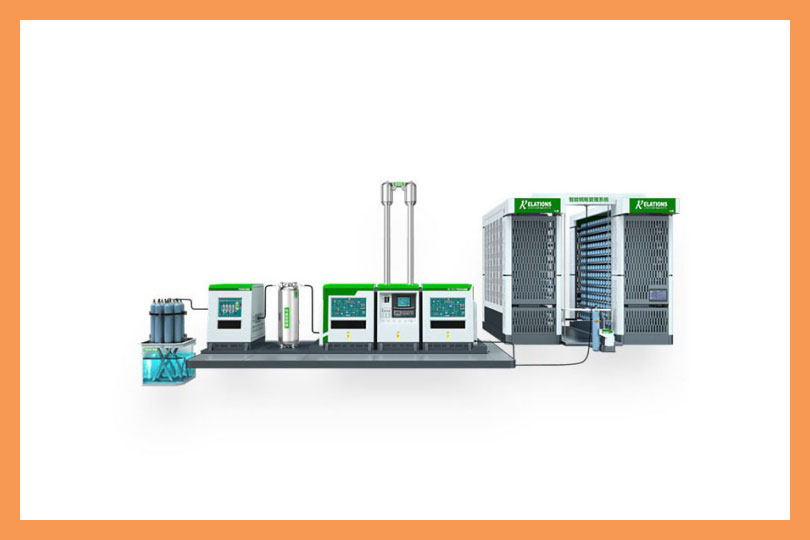
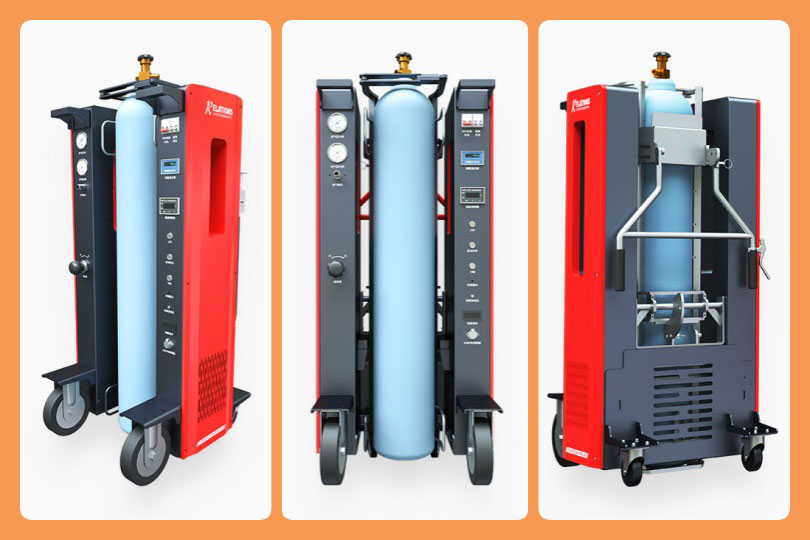
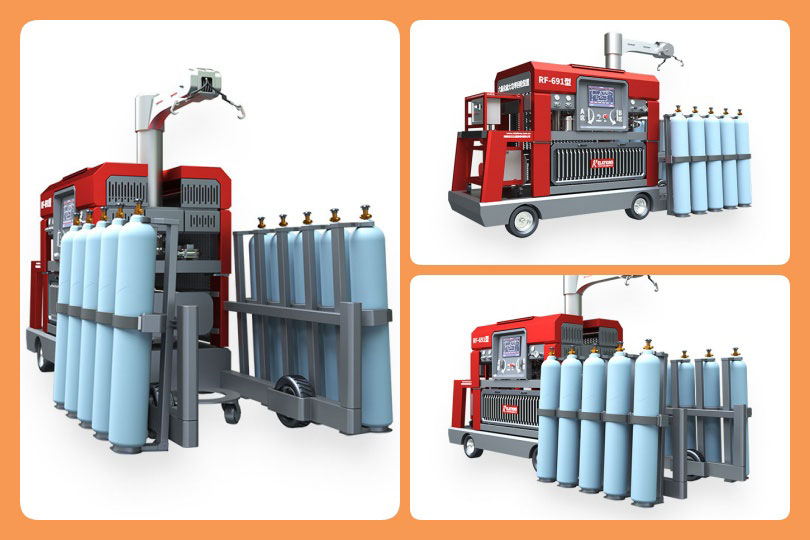
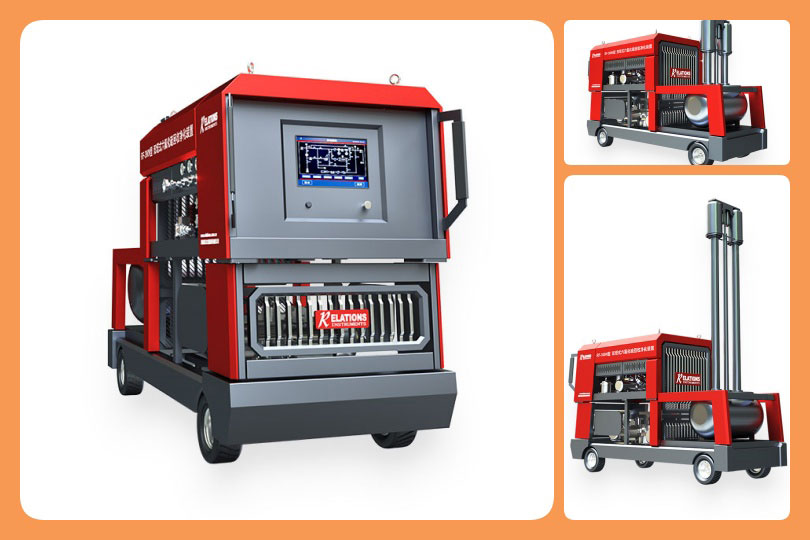
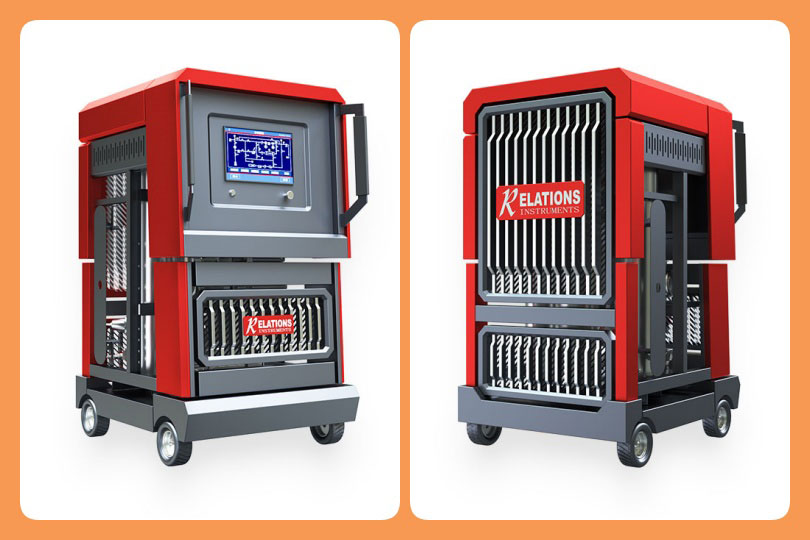
The introduction of high-capacity, PLC-controlled intelligent SF6 gas recycling and regeneration equipment represents a significant leap forward. This equipment integrates vacuuming, recovery, purification, and refilling into a single automated platform, ensuring that processed gas meets the stringent requirements of international and national standards.
1. The Necessity of Compliance Verification in SF6 Management
The lifecycle of SF6 gas in a substation involves multiple stages where contamination can occur. During circuit breaker operations, the intense heat of the electrical arc causes a small portion of SF6 to decompose into toxic and corrosive byproducts. Without rigorous compliance verification and testing for the recycling and regeneration of SF6 gas, reusing contaminated gas can lead to internal corrosion and insulation breakdown.
Regulatory Standards
Compliance is measured against established benchmarks:
-
DL/T 662: The design and manufacturing standard for SF6 gas recovery and purification equipment.
-
GB/T 12022: The standard for industrial SF6 gas quality, ensuring that regenerated gas is equivalent to virgin gas in purity and performance.
-
IEC 60480: International guidelines for the check and treatment of SF6 taken from electrical equipment.
2. Technical Innovations in Regeneration Equipment
Modern regeneration equipment is designed to handle the complex chemistry of “used” SF6. The core of this process is the modular combination of high-vacuum pumps, oil-free compressors, and advanced distillation columns.
High-Efficiency Purification and Rectification
The equipment features a unique lifting-type rectification tower. This allows for deep purification, separating air, nitrogen, and moisture from the SF6 molecules. By utilizing a 300L stainless steel purification tank and mechanical refrigeration, the system ensures that the gas is cooled and filtered to remove particles smaller than 1 micron.
Vacuum and Recovery Performance
Recovery efficiency is a key metric in compliance. Our system utilizes a vacuum pump with a speed of 64 cubic meters per hour and an ultimate vacuum degree of 0.1 mbar. This ensures that the GIS chamber is completely evacuated, preventing “dead volume” gas from being left behind, which improves the overall recovery rate through negative pressure recovery functions.
3. Key Stages of Compliance Testing and Regeneration
To achieve successful compliance verification and testing for the recycling and regeneration of SF6 gas, the equipment follows a structured multi-stage process:
Stage 1: Initial Vacuuming and Leak Testing
Before recovery, the system evacuates its own internal piping and the target equipment. The PLC interface displays real-time changes in vacuum levels, ensuring no atmospheric moisture or oxygen enters the recovery loop.
Stage 2: Deep Filtration and De-acidification
The gas passes through specialized filters that adsorb moisture and decomposition products (such as SO2 and HF). This stage is critical for protecting the internal components of the recovery compressor and the GIS itself.
Stage 3: Liquid Filling and Storage
The equipment can perform liquid filling of 50kg into a 40L cylinder within 5 to 8 minutes. This high-speed compression is managed by a 38 cubic meters per hour oil-free water-cooled compressor, ensuring that the gas remains free of oil contamination—a frequent cause of failed compliance tests.
| Component | Technical Parameter | Performance Benefit |
| Vacuum Pump | 64 m3/h, 0.1 mbar | Ensures deep evacuation and high recovery rate |
| Compression End Pressure | 50 bar | Facilitates high-density liquid storage |
| Filter Accuracy | < 1 micron | Removes all solid decomposition particles |
| Vaporizer Power | 1.5 kW | Ensures stable gas output during refilling |
4. On-site Verification and Quality Monitoring
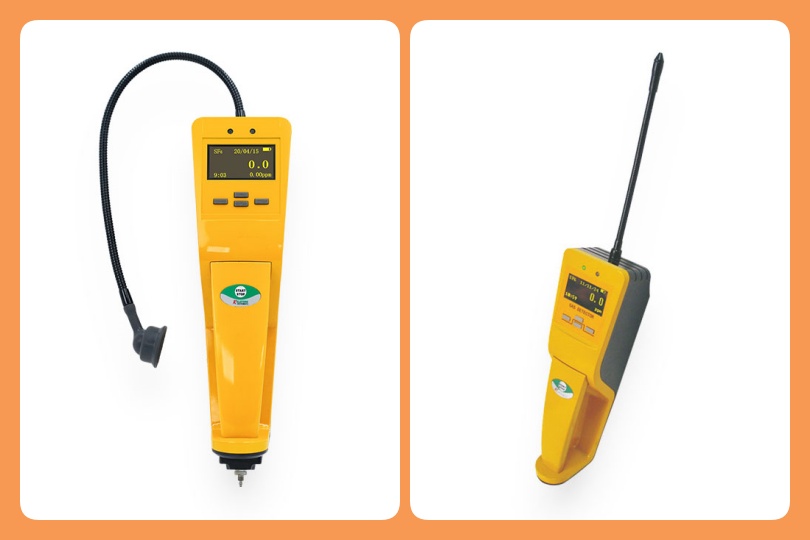
A professional regeneration process must be verifiable. Modern equipment often includes embedded detection instruments to provide real-time data on the regenerated gas quality.
Real-time Purity and Humidity Analysis
While the gas is being processed, sensors monitor:
-
SF6 Purity: Ensuring it returns to >99.9%.
-
Moisture (Humidity): Reducing dew points to safe operational levels.
-
Decomposition Products: Verifying that SO2 and H2S levels are near zero.
This integrated testing ensures that the “Regeneration” part of the cycle is successful before the gas is ever refilled into a high-voltage circuit breaker.
5. Practical Scenarios for SF6 Regeneration
The application of compliance verification and testing for the recycling and regeneration of SF6 gas spans several industrial sectors:
Power Transmission and Distribution
In GIS substations, regular maintenance requires gas to be removed to access internal components. Regeneration equipment allows the utility to reuse the same gas, saving thousands of dollars in procurement costs while adhering to environmental “Zero Leakage” policies.
Industrial Manufacturing
In the manufacturing of semiconductors or electrical equipment, SF6 is used as an etching gas or for factory-level testing. High-volume recovery units allow for large-scale recycling, significantly reducing the carbon footprint of the facility.
Emergency Repair and Rectification
When a gas density relay triggers an alarm due to moisture ingress, the regeneration unit can be deployed to “circulate and dry” the gas without shutting down the entire bay, provided the equipment supports on-line treatment.
6. Conclusion: A Professional Commitment to Grid Sustainability
Compliance verification and testing for the recycling and regeneration of SF6 gas is the bridge between operational efficiency and environmental responsibility. By utilizing intelligent, PLC-controlled equipment that meets DL/T 662 and GB/T 12022 standards, utilities can ensure that their most critical insulating medium is managed with scientific precision.
The integration of oil-free compression, deep rectification, and real-time vacuum monitoring provides a robust solution for the modern grid. As we move toward a greener future, the ability to regenerate SF6 gas to its original purity is not just a technical achievement—it is an industrial necessity.