GIS Switchgear SF6 Leak Detection Procedure: A Best Practices Guide for Maintenance
Date
2026-05-27
[email protected]
Website
www.sf6gasdetector.com
Get Solutions And Quotes
Contact Factory
GIS Switchgear SF6 Leak Detection Procedure: A Best Practices Guide for Maintenance
The GIS switchgear SF6 leak detection procedure is a systematic process of identifying, localizing, and quantifying sulfur hexafluoride gas emissions using high-sensitivity infrared (IR) or laser-based detection equipment to ensure operational integrity and environmental compliance. By performing this procedure regularly, utility operators can prevent catastrophic equipment failure, maintain insulation levels, and strictly adhere to environmental regulations regarding greenhouse gas reporting.
Mastering the GIS Switchgear SF6 Leak Detection Procedure
Implementing an effective GIS switchgear SF6 leak detection procedure is vital for high-voltage substation management. As SF6 is a potent greenhouse gas, precision is the primary goal.
-
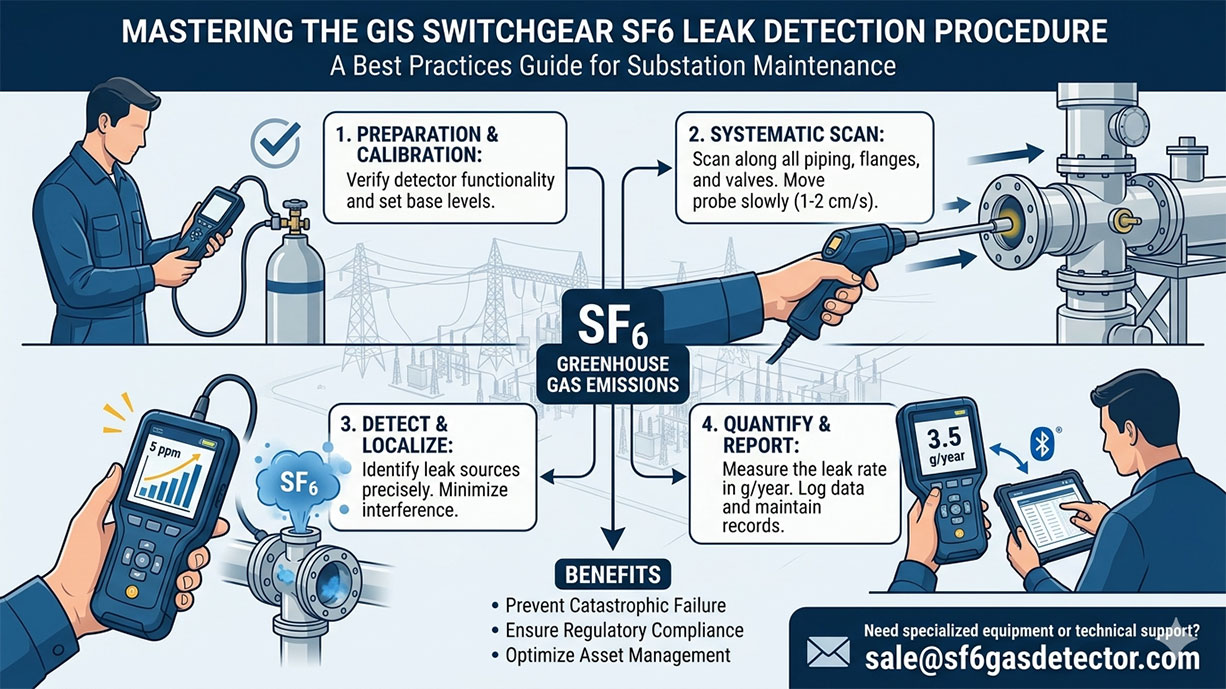
Preparation: Ensure the detector is calibrated and the background gas levels are accounted for.
-
Visual and Mechanical Check: Inspect flange seals and valve connections for signs of degradation.
-
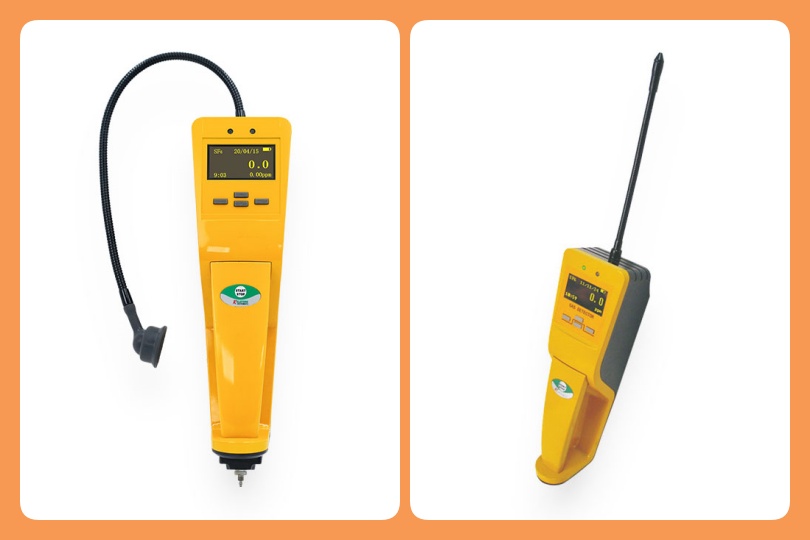
Active Sensing: Use a handheld IR detector to scan along the GIS piping. A professional GIS switchgear SF6 leak detection procedure requires moving the probe slowly, roughly 1-2 cm per second, to allow the sensor to capture concentration changes effectively.
-
Quantification: Once a leak is detected, use the device’s quantitative mode to determine the leak rate in g/year.
Why Standardized Procedures Matter
Standardization ensures that all personnel follow the same GIS switchgear SF6 leak detection procedure, which minimizes human error. Proper training ensures the longevity of your switchgear assets. If you require specialized equipment or a custom GIS switchgear SF6 leak detection procedure manual for your team, please email [email protected] for professional technical support and product inquiries.
Technical Parameters
To achieve the best results, your team must utilize equipment capable of meeting modern industrial standards. Key long-tail keywords integrated into our workflow include “substation SF6 gas inspection,” “infrared leak detection for GIS,” and “preventative GIS maintenance protocols.”
| Parameter | Performance Standard |
| Detection Threshold | <= 0.1 g/year |
| Technology | NDIR (Non-Dispersive Infrared) |
| Sensor Life | > 5 years |
| Operating Temp | -10 degrees Celsius to +50 degrees Celsius |
Frequently Asked Questions
-
What is the best frequency for a GIS switchgear SF6 leak detection procedure?
It is recommended to perform routine checks at least once every 12 months, or immediately following any significant seismic activity or maintenance work on the busbar system.
-
How does this procedure handle high-pressure GIS?
Modern detectors are designed to differentiate between high-pressure internal gas and external leakage through specialized sampling pumps.
-
Need technical support? For specific calibration queries or to optimize your onsite GIS switchgear SF6 leak detection procedure, our engineering team is ready to assist. Reach out to us at [email protected].