Handheld vs Fixed SF6 Leak Detection Systems – Pros and Cons for Utilities in Europe & North America
Date
2025-12-31
sale@sf6gasdetector.com
Website
www.sf6gasdetector.com
Get Solutions And Quotes
Handheld vs Fixed SF6 Leak Detection Systems – Pros and Cons for Utilities in Europe & North America
Sulfur hexafluoride (SF6) remains the go-to insulating gas for high-voltage switchgear, circuit breakers, and gas-insulated substations (GIS) across Europe and North America. But with a global warming potential (GWP) 23,500 times that of CO₂, even minor leaks can trigger serious environmental, regulatory, and safety consequences.
To manage this risk, power utilities must decide between two core strategies: handheld vs fixed SF6 leak detection systems. Each has distinct advantages—and trade-offs—depending on your asset type, location, compliance obligations, and operational scale.
This article delivers a clear, professional comparison grounded in real-world utility practices, international standards, and climate regulations—helping engineers and asset managers choose the right solution with confidence.
Why SF6 Leak Detection Is Non-Negotiable
Regulatory pressure is intensifying on both sides of the Atlantic:
- European Union: The F-Gas Regulation mandates leak checks at least once per year (twice for large installations), requires certified equipment, and caps allowable leakage rates.
- United States: The EPA’s Greenhouse Gas Reporting Program (GHGRP) and SNAP rules require monitoring, reporting, and repair of SF6 emissions from electrical transmission and distribution.
- Global Standards: IEC 62271-203 and CIGRE TB 276 recommend proactive leak management as part of asset lifecycle strategy.
Ignoring leaks isn’t just bad for the planet—it risks fines, audit failures, and reputational harm under ESG and CSRD frameworks.
Handheld SF6 Leak Detectors: Agile, Affordable, but Manual
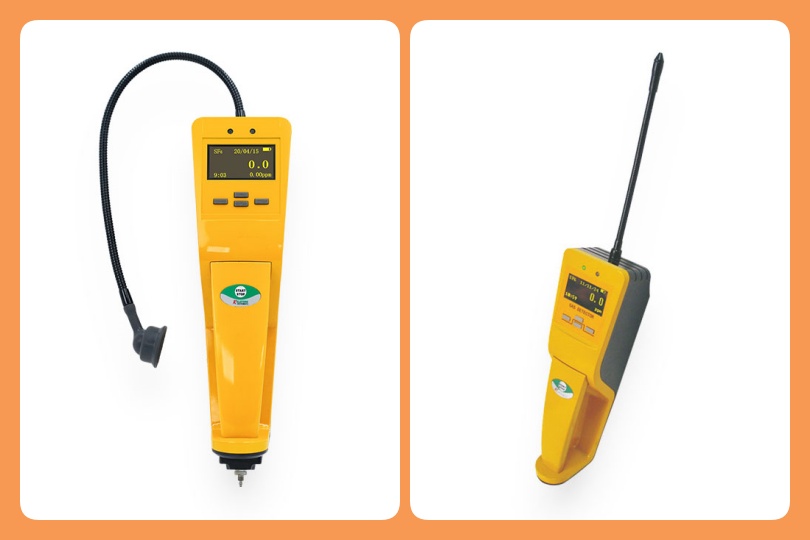
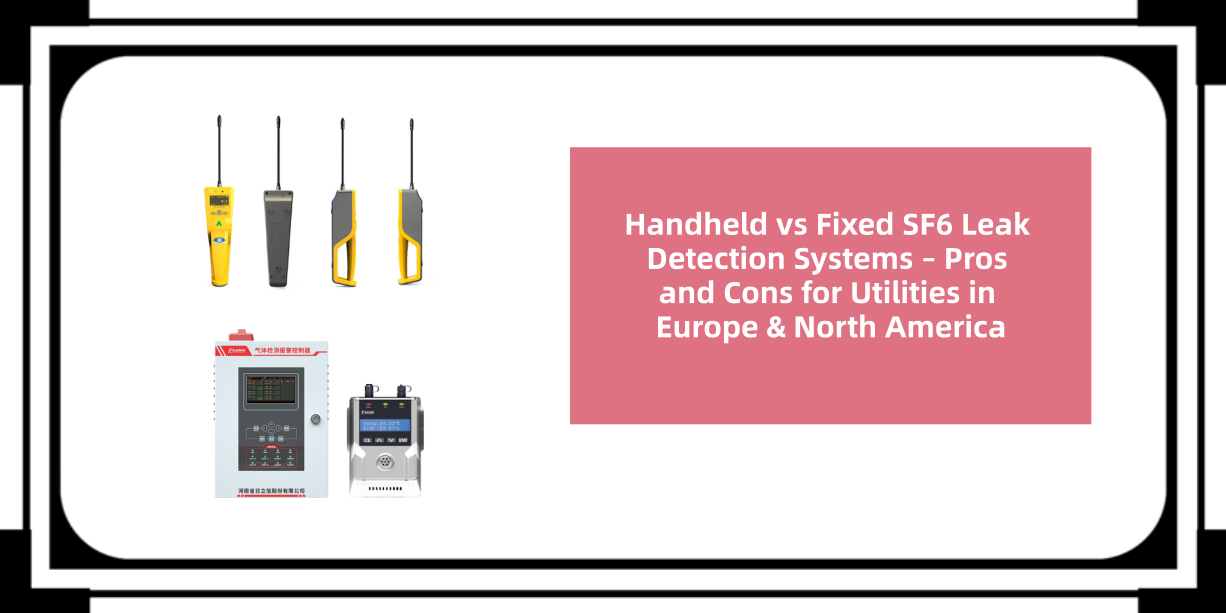
Handheld SF6 leak detection units are portable devices—often using infrared (IR), photoacoustic spectroscopy (PAS), or heated diode sensors—that technicians use to scan equipment during inspections.
✅ Pros
- Low upfront cost: Typically 12,000 USD / £2,000–£10,000 GBP
- High portability: Ideal for field crews managing multiple substations or outdoor GIS
- Pinpoint accuracy: Can locate exact leak sources (e.g., valve stems, flange seals)
- High sensitivity: Top models detect down to 0.01 g/year
- Quick deployment: No installation—ready to use immediately
❌ Cons
- Labor-dependent: Requires trained, F-Gas (EU) or EPA-certified (U.S.) personnel
- Intermittent coverage: Only detects leaks during scheduled rounds
- Human error risk: Missed zones or inconsistent technique reduce reliability
- No real-time alerts: Cannot prevent gas buildup in confined spaces
Best suited for:
- Distribution networks with dispersed assets
- Maintenance contractors serving multiple clients
- Annual compliance audits or post-maintenance verification
Fixed SF6 Leak Detection Systems: Always-On Protection
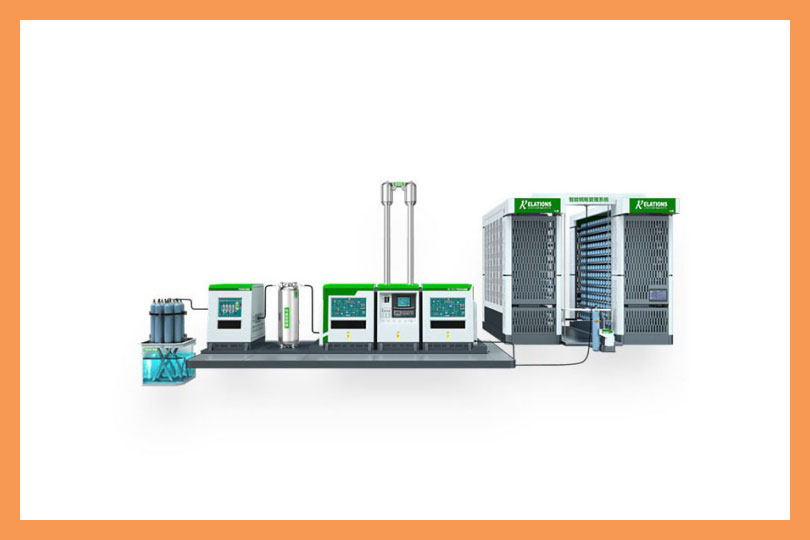
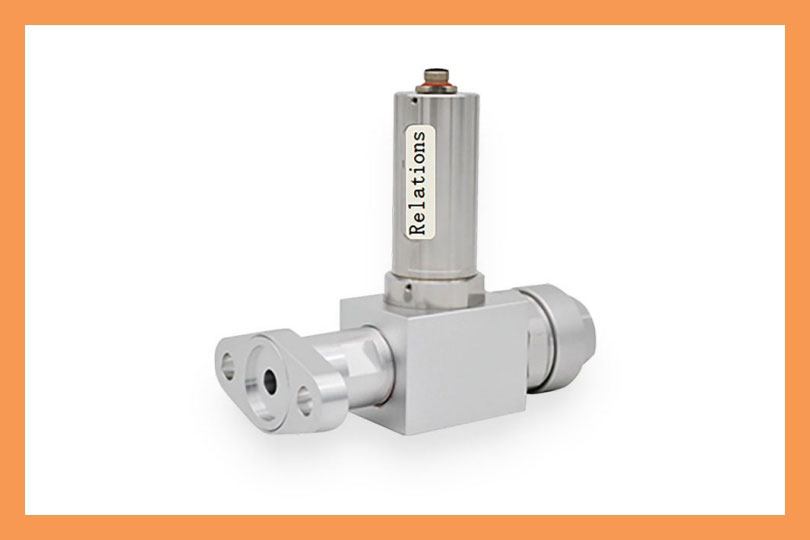
Fixed SF6 leak detection systems use permanently installed NDIR (non-dispersive infrared) or laser-based sensors to continuously monitor SF6 concentration in enclosed areas like GIS rooms, vaults, or control buildings.
✅ Pros
- 24/7 monitoring: Immediate detection—even overnight or during holidays
- Automated alarms: Integrates with SCADA, BMS, or cloud platforms for instant alerts
- Proactive compliance: Demonstrates due diligence to regulators and auditors
- Safety enhancement: Warns of oxygen displacement or toxic byproduct accumulation
- Data-driven insights: Logs trends for predictive maintenance and ESG reporting
❌ Cons
- Higher capital cost: 60,000+ USD per installation (sensors, cabling, integration)
- Limited spatial resolution: Detects room-level concentration, not exact leak points
- Installation complexity: Requires engineering design, calibration, and commissioning
- Indoor focus: Less effective for open-air or outdoor GIS without enclosures
Best suited for:
- Urban or underground GIS substations
- Critical transmission hubs with large SF6 inventories
- Facilities under CSRD, SEC climate disclosure, or strict internal ESG targets
The Smart Strategy: Combine Both for Maximum Coverage
Leading grid operators—including National Grid (UK), RTE (France), TenneT, and major U.S. ISOs—increasingly adopt a hybrid approach:
- Fixed systems provide continuous baseline monitoring in high-risk indoor zones
- Handheld detectors enable targeted surveys, outdoor inspections, and root-cause verification
This layered defense aligns with CIGRE recommendations and delivers the most robust path to zero-emission operations.
Key Selection Criteria for Utilities
When evaluating options, prioritize:
- Detection sensitivity (≤0.1 g/year is industry best practice)
- Certifications: ATEX/IECEx (EU), UL/CSA (North America), F-Gas/EPA compliance
- Integration: Modbus, BACnet, MQTT, or cloud API support
- Total cost of ownership: Include calibration, training, software, and downtime
Final Takeaway
The debate isn’t “handheld vs fixed”—it’s about matching technology to risk. For most modern utilities in Europe and North America, the optimal solution blends continuous fixed monitoring with periodic handheld verification.
By understanding the pros and cons of handheld vs fixed SF6 leak detection systems, you can protect your people, your assets, and your planet—while staying ahead of tightening global climate rules.