High-precision Electrochemical Analyzer for Quantitative Analysis of SO2, H2S and CO
Date
2026-02-02
sale@sf6gasdetector.com
Website
www.sf6gasdetector.com
Get Solutions And Quotes
High-precision Electrochemical Analyzer for Quantitative Analysis of SO2, H2S and CO
In the modern power industry, the operational reliability of Gas-Insulated Switchgear (GIS) and Ring Main Units (RMU) is paramount. These critical components rely on Sulfur Hexafluoride (SF6) for insulation and arc quenching. However, as high-voltage equipment ages or undergoes intense operational stress, the chemical integrity of the SF6 gas can degrade, leading to the formation of toxic and corrosive byproducts.
The emergence of the High-precision electrochemical analyzer for quantitative analysis of SO2, H2S and CO represents a significant leap forward in substation maintenance technology. This comprehensive diagnostic tool not only detects purity and humidity but focuses specifically on the chemical signatures of internal faults, all while ensuring a zero-emission workflow through advanced gas recovery and reinjection capabilities.
1. The Critical Role of Decomposition Product Detection
While SF6 is chemically stable, high-energy events such as partial discharge, spark discharge, or overheating cause the SF6 molecules to dissociate. These fragments react with trace amounts of moisture and oxygen to produce stable decomposition byproducts.
Monitoring these products via a High-precision electrochemical analyzer for quantitative analysis of SO2, H2S and CO is the most effective way to identify internal equipment distress without an intrusive physical inspection.
Chemical Indicators and Their Meanings:
-
Sulfur Dioxide (SO2): Usually the primary byproduct of power arcing or spark discharge within the gas chamber.
-
Hydrogen Sulfide (H2S): Often indicates high-energy discharges involving moisture and metallic components, such as copper or aluminum contacts.
-
Carbon Monoxide (CO): A key indicator of the decomposition of organic insulating materials (like spacers or resin) due to local overheating.
By quantifying these gases down to microliters per liter (uL/L or ppm) levels, maintenance teams can diagnose the exact nature of an internal fault, allowing for targeted repairs before a catastrophic failure occurs.
2. Advanced Technology: The Electrochemical Sensing Edge
The core of this instrument is its high-stability electrochemical sensor array. Unlike traditional broad-spectrum sniffers, this high-precision analyzer utilizes specialized electrodes that react specifically with SO2, H2S, and CO.
Precision and Accuracy: The device provides industry-leading accuracy for low-concentration detection. For both SO2 and H2S, the analyzer maintains a margin of error of only ±0.5 uL/L for concentrations under 10 uL/L. This level of sensitivity is vital because even trace amounts of these acidic gases can etch internal insulators, permanently compromising the dielectric strength of the switchgear.
Expert Diagnosis System: Data is only as good as the analysis following it. The unit features an integrated Expert Diagnosis System. This software compares the recorded values against pre-set industrial and national standards, providing an immediate determination of whether the data meets safety requirements and offering maintenance recommendations directly on-screen.
3. Achieving Sustainability: The Zero-Loss Gas Cycle
In 2026, environmental compliance is no longer optional. SF6 is a potent greenhouse gas, and venting even small amounts for the sake of analysis is increasingly prohibited by global regulations.
The High-precision electrochemical analyzer for quantitative analysis of SO2, H2S and CO addresses this challenge through its integrated recovery and reinjection (back-fill) system.
Zero Emission Workflow:
-
Sampling: Gas is extracted from the GIS at pressures between 0.4 and 2 MPa.
-
Analysis: The gas passes through the electrochemical sensors at a controlled flow rate (default 150 mL/min).
-
Capture: Instead of being exhausted to the atmosphere, the tested gas is captured in an external temporary storage container or a recovery bag.
-
Reinjection: Once the test is complete, the analyzer can pump the gas back into the original gas chamber (at pressures up to 0.8 MPa) or into a recovery cylinder.
This ensures that the substation operator achieves the goal of zero gas loss and zero pollution, significantly reducing the carbon footprint of the maintenance operation.
4. Technical Specifications and Performance Data
For engineering professionals, the rigorous performance metrics of the analyzer are the ultimate proof of its industrial-grade capability.
Input Pressure Range: 0.4 to 2 MPa Recharge/Recovery Pressure: up to 0.8 MPa SF6 Purity (Thermal Conductivity): 0 to 100% Range, ±0.5 Accuracy Humidity (Laser/Resistive): -60 to +20 degrees Celsius Range, ±1 to ±2 degrees Celsius Accuracy SO2 (Electrochemical): 0 to 100 uL/L Range, ±0.5 uL/L (low range) Accuracy H2S (Electrochemical): 0 to 100 uL/L Range, ±0.5 uL/L (low range) Accuracy CO (Electrochemical): 0 to 500 uL/L Range, ±2 uL/L (low range) Accuracy
Rapid Response and Large Storage: With a response time of 60 seconds or less for decomposition products and even faster for humidity, the unit maximizes technician efficiency. Furthermore, the large-capacity storage function can hold up to 10,000 data sets, which can be exported via USB for further analysis in asset management software.
5. Designed for the Field: Portability and Durability
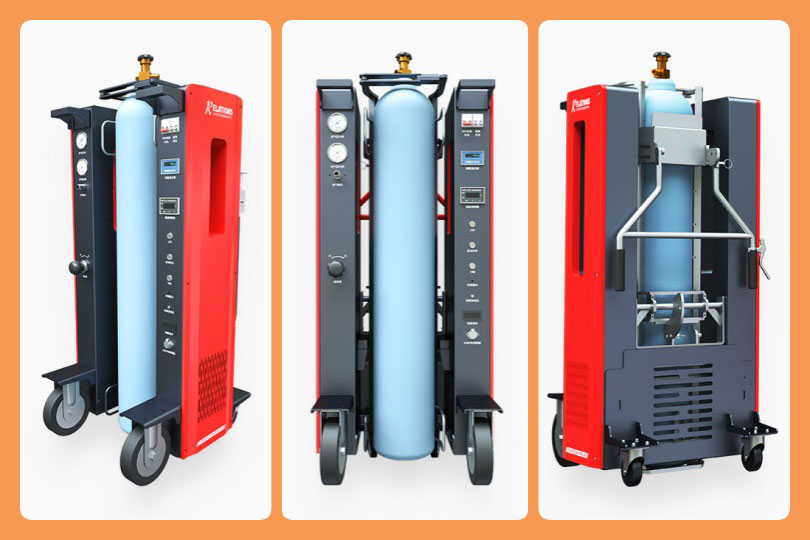
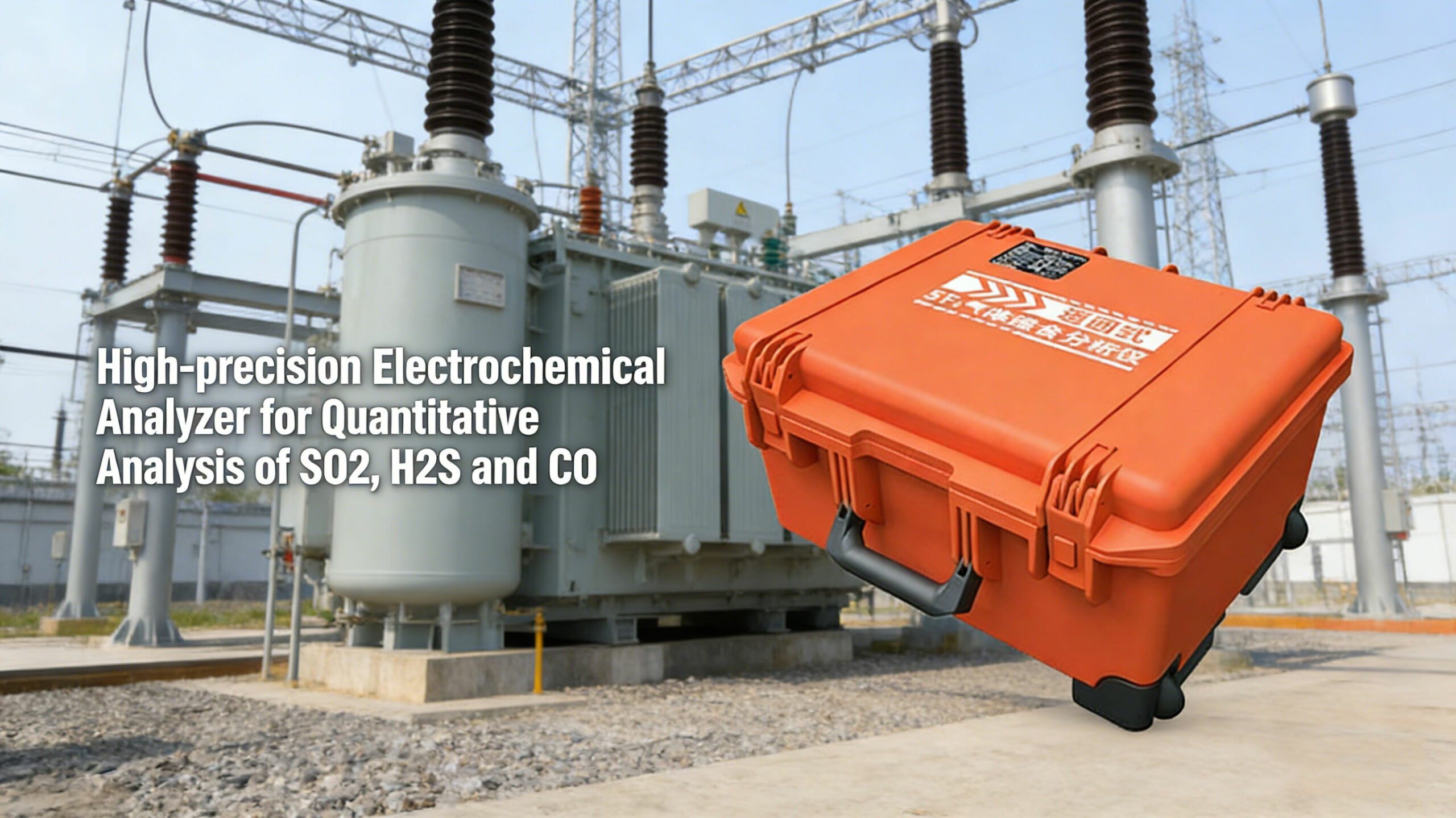
Field work in substations requires equipment that can withstand harsh conditions while remaining easy to transport. The analyzer is housed in a pull-rod box design (trolley style), equipped with high-durability wheels at the bottom. This allows a single technician to transport the multi-functional laboratory across rugged substation terrain with ease.
The unique modular design also ensures that individual components or sensors can be serviced or replaced without dismantling the entire system, minimizing equipment downtime and long-term maintenance costs.
6. Applications Across Vital Industries
While primarily designed for the power sector, the High-precision electrochemical analyzer for quantitative analysis of SO2, H2S and CO serves a wide range of critical infrastructures:
Electric Power: Online and offline testing of GIS, circuit breakers, and transformers. Railway Systems: Maintenance of traction power supply equipment for high-speed rail. Petrochemicals: Ensuring the safety of high-voltage equipment in corrosive or hazardous gas environments. Manufacturing: Quality control for manufacturers of SF6-insulated components.
Conclusion: A New Standard in Gas Diagnostics
The High-precision electrochemical analyzer for quantitative analysis of SO2, H2S and CO is more than just a detector; it is a comprehensive management system for the most critical gas in the power industry. By combining the sensitivity of electrochemical analysis with the environmental responsibility of zero-emission recovery, it provides utilities with a clear path to both grid reliability and sustainable operation.
Investing in this technology means moving away from reactive maintenance toward a data-driven, environmentally friendly future.