High-Precision SF6 Purity Analyzer vs. Basic SF6 Testing Kits
Date
2026-01-04
sale@sf6gasdetector.com
Website
www.sf6gasdetector.com
Get Solutions And Quotes
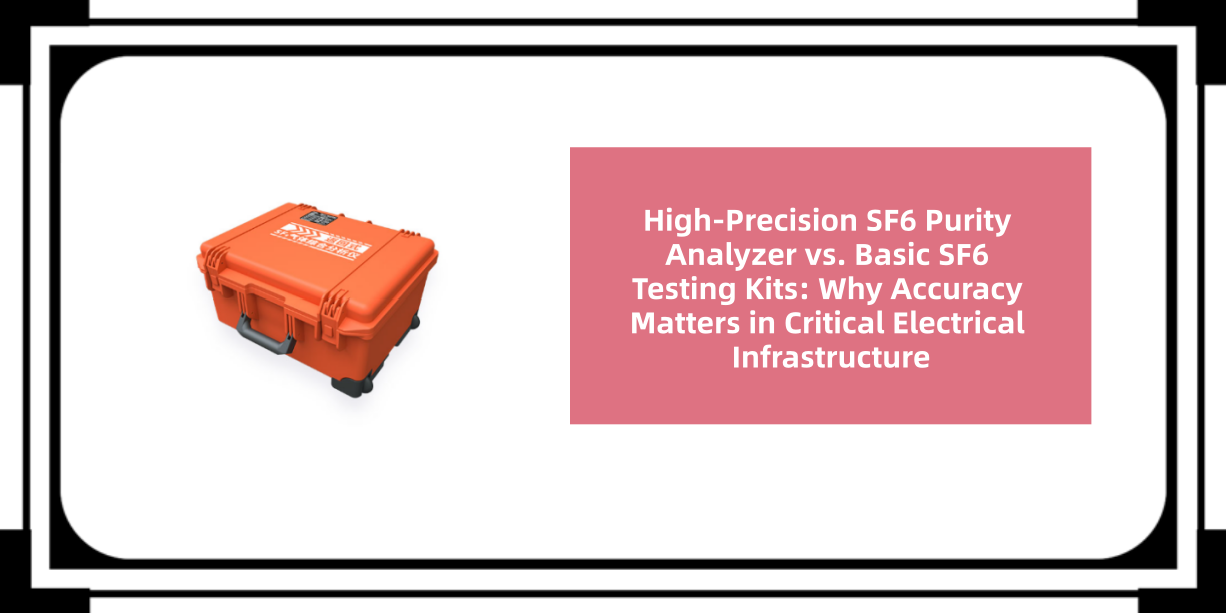
High-Precision SF6 Purity Analyzer vs. Basic SF6 Testing Kits
In high-voltage power systems—ranging from gas-insulated switchgear (GIS) and circuit breakers to transformers—sulfur hexafluoride (SF₆) gas serves as the backbone of insulation and arc quenching. Maintaining its integrity is not optional; it’s essential for operational safety, regulatory compliance, and environmental responsibility. When assessing SF₆ quality, many organizations face a critical choice: invest in a high-precision SF6 purity analyzer or rely on low-cost basic SF6 testing kits.
While both aim to measure gas composition, their capabilities, reliability, and long-term value differ dramatically. This article provides a rigorous, expert-driven comparison of high-precision SF6 purity analyzer vs. basic SF6 testing kits, helping utilities, industrial operators, and OEMs make informed decisions that protect assets, personnel, and the planet.
The Stakes of Inaccurate SF6 Purity Measurement
SF₆ must maintain a purity level of ≥99.0% (per IEC 62271-1) to function effectively. Even minor contamination—from air ingress due to leaks, moisture absorption, or decomposition byproducts like SO₂ and HF—can:
- Reduce dielectric strength, risking internal flashovers
- Accelerate corrosion of internal components
- Trigger false pressure alarms or equipment lockouts
- Violate environmental regulations (SF₆ has a GWP of 23,500× CO₂)
A measurement error of just ±2%—common in basic kits—could misclassify contaminated gas as “acceptable,” creating a dangerous false sense of security. In contrast, high-precision SF6 purity analyzers deliver accuracy within ±0.5%, enabling confident, data-driven decisions.
What Defines a High-Precision SF6 Purity Analyzer?
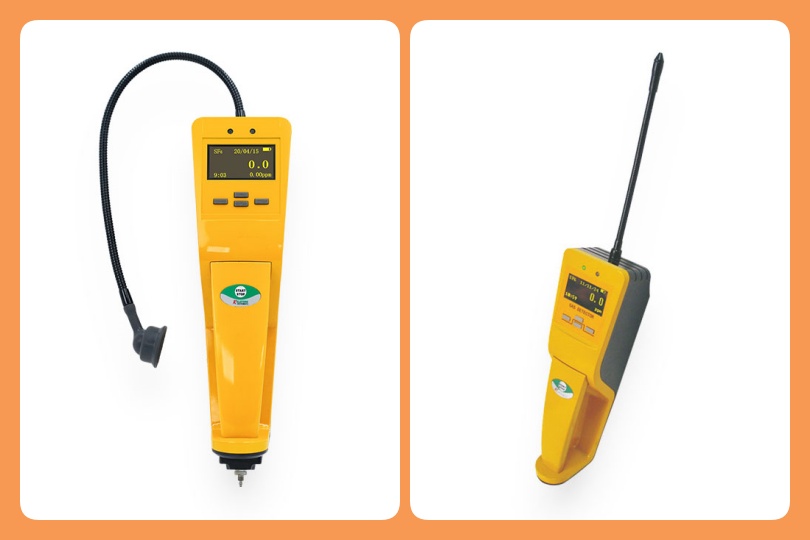
A true high-precision SF6 purity analyzer integrates advanced sensing technology, intelligent diagnostics, and rugged field design:
- Thermal Conductivity Sensor: Measures SF₆ concentration from 0–100% vol with ±0.5% accuracy—traceable to international standards.
- Multi-Parameter Capability: Simultaneously assesses dew point (–60°C to +20°C), SO₂, H₂S, and CO using calibrated electrochemical cells.
- Automatic Diagnostics: Compares results against IEC 60480 and IEC 62271 thresholds, issuing pass/fail alerts and maintenance recommendations.
- Data Integrity: Features timestamped logs, ID auto-recognition, and one-click export in SGCC/CSG or ISO formats.
- Robust Construction: IP54-rated housing, automatic flow control, and overpressure protection ensure reliability in substations and industrial sites.
These instruments are engineered by specialized manufacturers with in-house R&D, calibration labs, and utility-grade validation—ensuring performance under real-world conditions.
Limitations of Basic SF6 Testing Kits
Basic SF6 testing kits—often handheld, single-parameter devices—typically rely on simplified sensors or chemical indicators. Common shortcomings include:
- Low Accuracy: Purity readings with ±2–5% error margins, insufficient for compliance or fault diagnosis.
- Single-Function Design: Most only estimate purity; they cannot detect moisture or decomposition byproducts.
- No Calibration Traceability: Many lack NIST- or PTB-traceable calibration, making data legally indefensible.
- Manual Interpretation: Results often require visual color matching or manual calculation, increasing human error.
- Short Lifespan: Low-cost electrochemical cells degrade quickly, with no recalibration option.
While these kits may suffice for rough screening in non-critical applications, they fall short in environments where failure is not an option.
Real-World Consequences: A Case Study
A Southeast Asian utility used a basic SF6 testing kit during routine GIS maintenance. The device reported “98% purity”—deemed acceptable by local staff. Weeks later, the bay failed catastrophically during a switching operation. Post-failure analysis revealed actual SF₆ purity was 92%, with elevated moisture (>300 µL/L) and SO₂ (>5 µL/L)—conditions a high-precision SF6 purity analyzer would have flagged immediately.
The outage cost over $1.2 million in repairs, lost revenue, and grid instability. The root cause? Overreliance on inadequate testing tools.
Total Cost of Ownership: Precision Pays Off
At first glance, basic SF6 testing kits appear economical—often priced at 1/3 to 1/5 the cost of a high-end analyzer. However, total cost of ownership (TCO) tells a different story:
| Factor | High-Precision Analyzer | Basic Testing Kit |
|---|---|---|
| Initial Cost | Higher (15,000) | Lower (3,000) |
| Accuracy | ±0.5% | ±2–5% |
| Multi-Gas Detection | Yes | No |
| Calibration & Recertification | Supported | Rarely possible |
| Data Reporting | Automated, compliant | Manual, error-prone |
| Asset Protection | Prevents failures | Misses early warnings |
| Regulatory Risk | Low | High |
Over a 5-year lifecycle, the high-precision SF6 purity analyzer delivers superior ROI through avoided outages, reduced gas consumption, and compliance assurance.
When to Choose Which Tool?
- Choose a High-Precision SF6 Purity Analyzer if you:
- Operate transmission-level GIS or HV circuit breakers
- Must comply with IEC 60480, IEC 62271, or F-gas regulations
- Perform predictive maintenance or gas reclamation
- Require auditable, digital records
- Basic SF6 Testing Kits may suffice for:
- Low-voltage or non-critical equipment
- Preliminary screening (followed by lab verification)
- Budget-constrained scenarios with low risk tolerance
However, even in secondary applications, the margin for error is shrinking as grids modernize and regulations tighten.
Conclusion: Don’t Gamble with Grid Integrity
The choice between a high-precision SF6 purity analyzer vs. basic SF6 testing kits is not merely technical—it’s strategic. In critical electrical infrastructure, measurement accuracy directly correlates with system reliability, safety, and sustainability.
Leading power utilities, rail networks, and switchgear manufacturers worldwide have already transitioned to high-precision analyzers—not as a luxury, but as a necessity. As SF₆ faces increasing scrutiny under global climate agreements, the ability to verify gas quality with confidence will only grow in importance.
Invest in precision. Protect your assets. Secure your grid.