Need Help: Providing Innovative and Sustainable Solutions.
Office Hours: 08:30am-6:00pm

How to choose the appropriate SF6 gas handling equipment?
Date
2025-11-03
[email protected]
Website
www.sf6gasdetector.com
Get Solutions And Quotes
Contact Factory
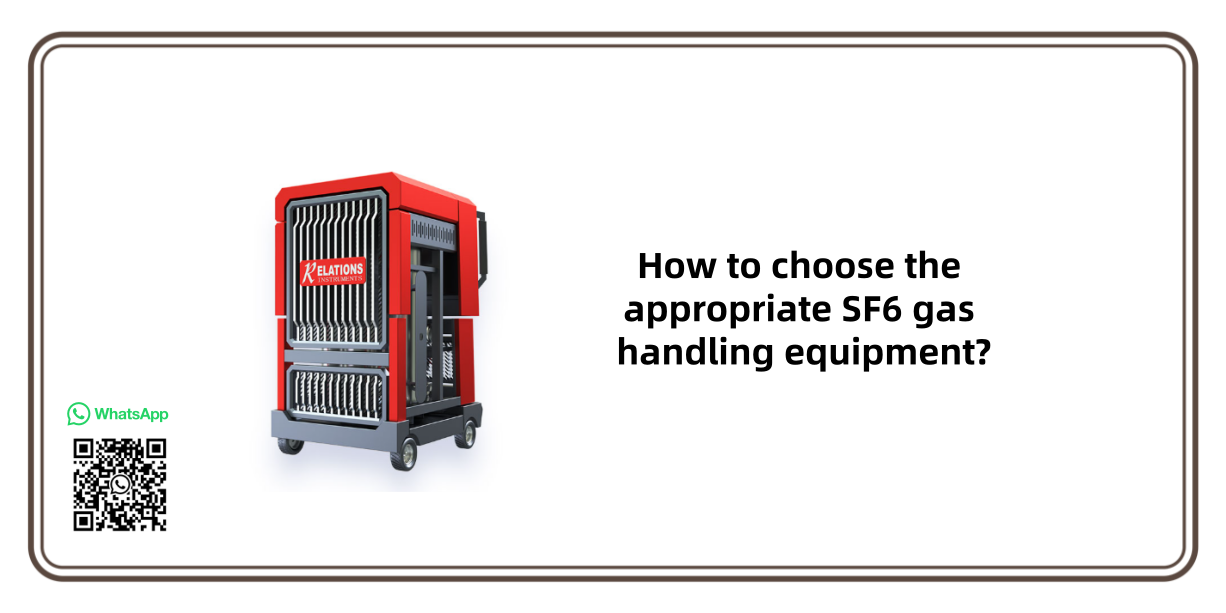
How to choose the appropriate SF6 gas handling equipment?
Choosing the appropriate SF6 gas handling equipment (e.g., recovery units, purifiers, refilling machines, or leak detectors) requires aligning core needs, regulatory compliance, and technical performance with your operational scenarios (e.g., power plant maintenance, electrical equipment manufacturing). Below is a step-by-step framework to make a targeted selection:
1. First: Clarify Your Core Needs & Application Scenarios
The type of SF6 handling equipment you need depends entirely on what you aim to do and where you’ll use it. Start by defining these two key factors:
1.1 Identify the Core Function You Need
SF6 handling equipment serves distinct purposes—avoid overbuying or choosing underperforming tools by focusing on your primary task:
- Gas Recovery: For retrieving SF6 from decommissioned/ maintenance-ready equipment (e.g., GIS, transformers). Prioritize units with high recovery rates (≥98%) to minimize gas loss.
- Gas Purification: For removing moisture, particulates, or acid byproducts from recovered SF6 (to reuse it). Look for units that meet IEC 60376 standards (purity ≥99.99%).
- Cylinder Refilling: For refilling SF6 into cylinders or equipment. Choose units with precision pressure/weight control (to avoid overfilling/underfilling) and leak-testing functions.
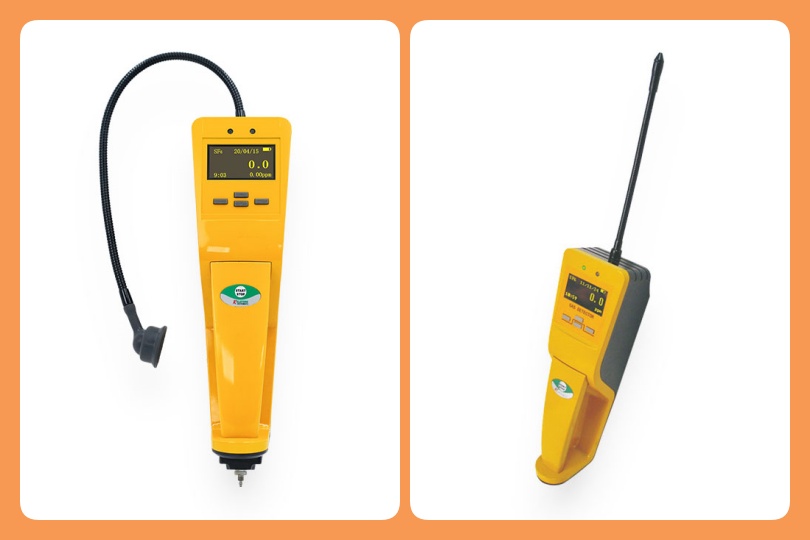
- Leak Detection & Moisture Analysis: For routine inspections. Opt for portable detectors (e.g., electrolysis-based) for on-site checks, or online laser analyzers for 24/7 monitoring of critical gear.
1.2 Match Equipment to Your Application Scenario
Where you’ll use the equipment directly impacts its design requirements:
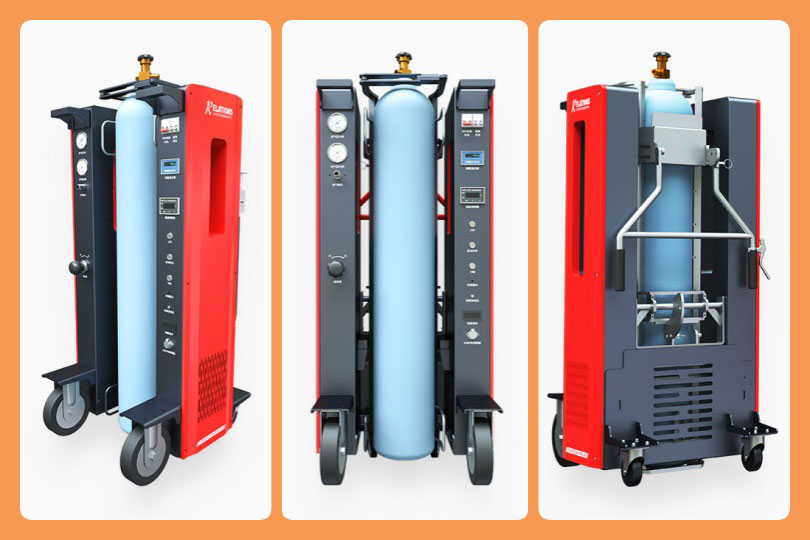
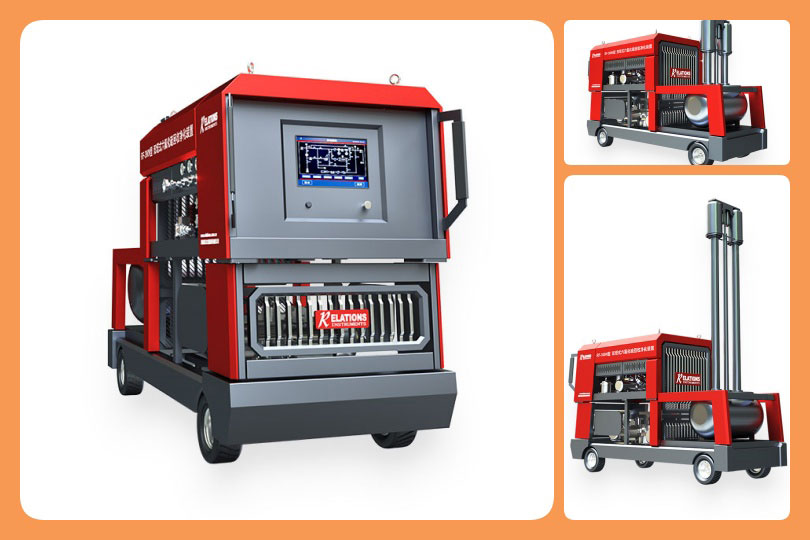
- On-site Maintenance (e.g., substations): Prioritize portable, compact units (weight ≤50kg) with wheels, battery backup, and resistance to dust/ moisture (IP54+ rating) to handle outdoor/harsh conditions.
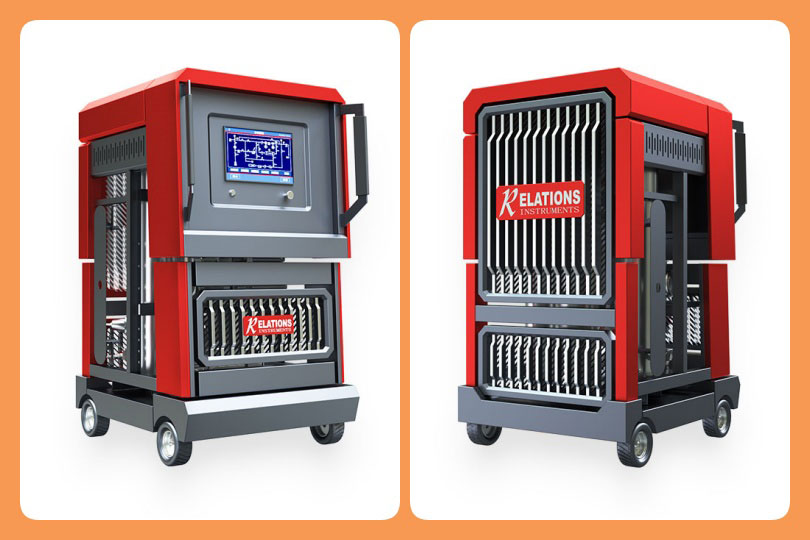
- Factory/Workshop Use (e.g., equipment manufacturing): Choose fixed, high-capacity units (e.g., recovery rates ≥100 kg/h) that integrate with production lines for continuous processing.
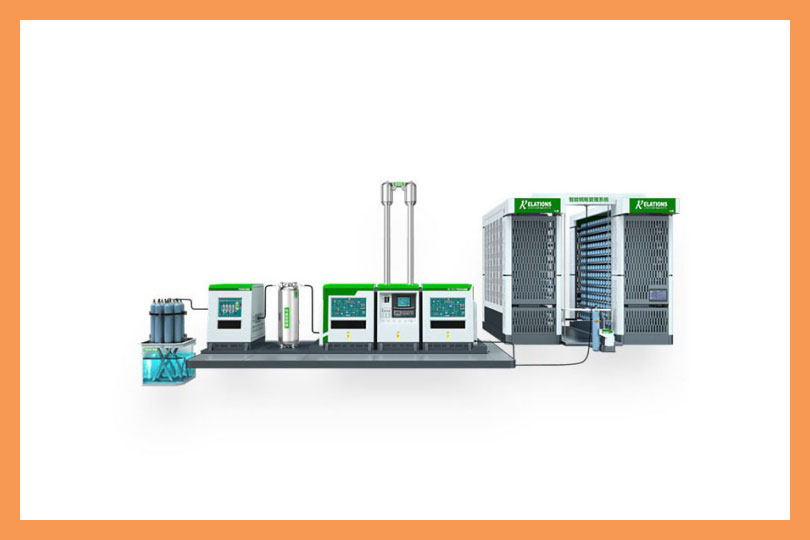
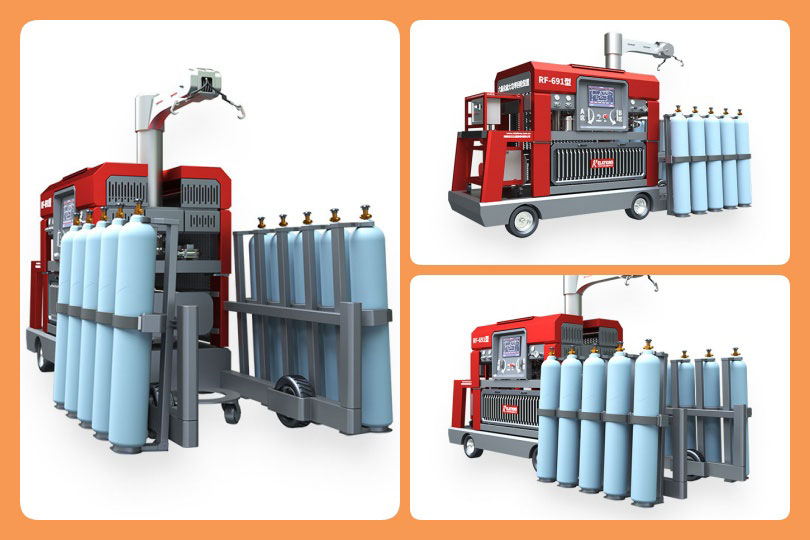
- Mobile Services (e.g., third-party maintenance teams): Select all-in-one “recovery-purification-refilling” combo units to reduce tool count and streamline on-site work.
2. Second: Ensure Compliance with International & Regional Standards
SF6 is a highly regulated greenhouse gas—non-compliant equipment can lead to fines, operational shutdowns, or environmental liabilities. Verify these standards:
2.1 International Standards
- IEC (International Electrotechnical Commission):
- IEC 62271-4: Mandates safety/performance for SF6 gas handling equipment (e.g., pressure resistance, gas tightness).
- IEC 60480: Requires purification units to reduce moisture/impurities to safe levels (≤50 ppm moisture for new SF6).
- ISO (International Organization for Standardization):
- ISO 14532: Specifies leak detection accuracy (e.g., ≤1×10⁻⁶ mbar·L/s for high-sensitivity detectors).
2.2 Regional Regulations
- EU: Must comply with the F-Gas Regulation (EU 517/2014), which limits SF6 emissions and requires equipment to have low leak rates (≤0.1% per year for large units).
- U.S.: Meet EPA’s 40 CFR Part 60 (emission controls) and OSHA’s safety standards (e.g., explosion-proof design for hazardous areas).
- China: Adhere to GB/T 3634 (SF6 gas quality) and DL/T 639 (handling procedures for power systems).
3. Third: Evaluate Key Technical Parameters
Technical specs determine if the equipment can meet your efficiency and quality requirements. Focus on these non-negotiable parameters:
| Equipment Type | Key Parameters to Check |
|---|---|
| SF6 Recovery Unit | – Recovery rate (≥98% is ideal)
– Vacuum level (≤5 mbar to extract residual gas) – Processing capacity (kg/h, match your daily SF6 volume) |
| SF6 Purifier | – Purity output (≥99.99% to meet reuse standards)
– Moisture removal (≤30 ppm) – Acid gas filtration (e.g., removes SO₂, HF) |
| SF6 Refilling Machine | – Fill accuracy (±0.5% of target weight/pressure)
– Leak testing function (built-in halogen detector) – Compatibility with cylinder sizes (e.g., 40L, 50L) |
| SF6 Leak Detector | – Sensitivity (≤0.1 ppm for high-precision needs)
– Response time (<3 seconds for on-site checks) – Detection method (electrolysis/laser, match your scenario) |
4. Fourth: Prioritize Safety & Environmental Protection
SF6 handling involves high pressure and toxic decomposition byproducts—equipment safety features are non-negotiable:
- Pressure Safety: Look for overpressure valves, burst discs, and pressure gauges certified to EN 837-1 (for accuracy).
- Toxic Gas Protection: Purification/recovery units should have built-in filters for acid gases (e.g., HF, SO₂) to protect operators and equipment.
- Emission Control: Choose units with “zero-emission” designs (e.g., hermetic systems) to avoid SF6 leaks during processing—critical for complying with F-Gas or EPA rules.
5. Fifth: Assess After-Sales Support & Total Cost of Ownership
Low upfront cost may hide long-term expenses—consider these factors to avoid operational disruptions:
- Maintenance & Calibration: Ensure the supplier offers regular maintenance (e.g., filter replacement, sensor calibration) and quick access to spare parts (delivery within 48 hours for critical components).
- Training: Suppliers should provide operator training (e.g., safe handling, compliance protocols) to reduce human error.
- Total Cost of Ownership (TCO): Calculate not just purchase price, but also energy consumption (e.g., low-power motors for portability), maintenance fees, and gas savings (e.g., a high-efficiency recovery unit cuts new SF6 purchases by 30–50%).
Choosing the right SF6 gas handling equipment boils down to three core steps: define your needs clearly, verify compliance, and match technical specs to your scenario. By prioritizing recovery efficiency, regulatory adherence, and safety, you’ll select equipment that reduces costs, minimizes environmental impact, and ensures reliable operation of your SF6-insulated assets.
Realize The Recycling Of Sf6 Gas