How to Efficiently Recover SF6 Gas from Ion Accelerators and Electron Microscopes
Date
2026-05-15
[email protected]
Website
www.sf6gasdetector.com
Get Solutions And Quotes
Contact Factory
How to Efficiently Recover SF6 Gas from Ion Accelerators and Electron Microscopes
How do you safely recover SF6 gas from ion accelerators and electron microscopes?
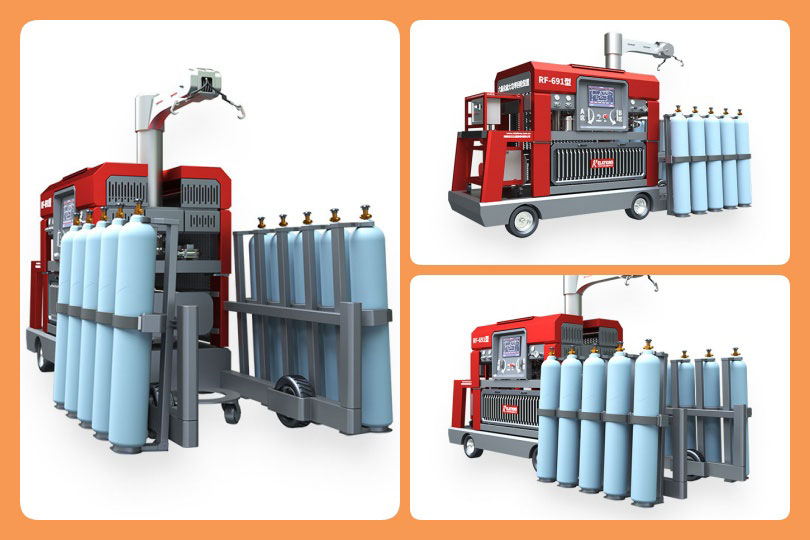
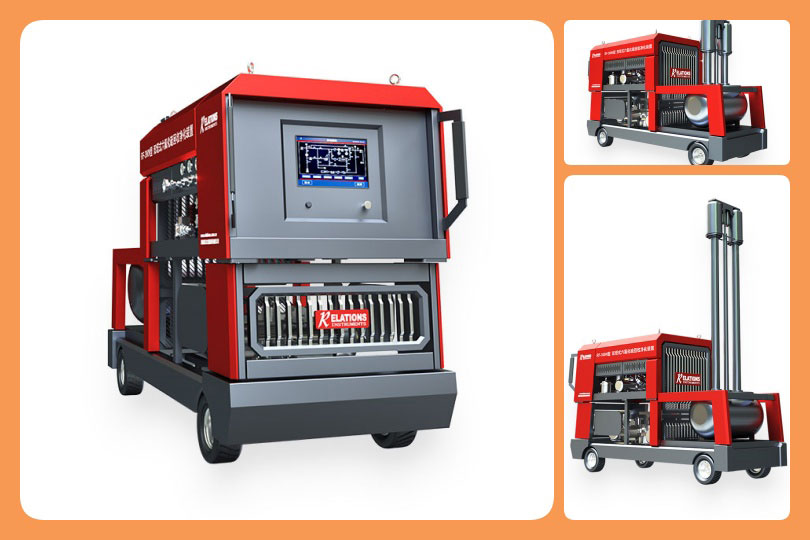
Recovering SF6 gas from ion accelerators and electron microscopes requires a specialized portable recovery system that utilizes oil-free compression and high-precision molecular sieve filtration. The process involves connecting the recovery unit to the equipment’s gas chamber, evacuating the system to a deep vacuum to eliminate air and moisture, and then compressing the SF6 gas into storage cylinders for purification and future reuse. This specialized workflow ensures your facility stays compliant with 2026 environmental standards while protecting the sensitive dielectric environment of high-precision scientific instruments.
The Importance of Professional SF6 Management
Sulfur Hexafluoride is an unparalleled insulator, but its high global warming potential makes venting it strictly prohibited. When recovering SF6 gas from ion accelerators and electron microscopes, precision is paramount. Because these scientific instruments operate at extreme voltages, even microscopic levels of moisture or oil contamination can cause catastrophic equipment failure.
Core Technical Advantages
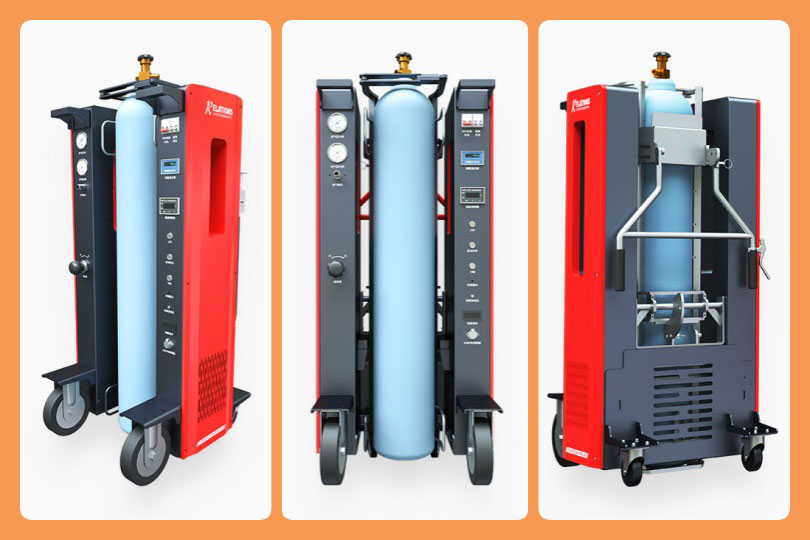
Our portable SF6 recovery solutions are engineered specifically for the laboratory and research sector, focusing on three pillars of performance:
-
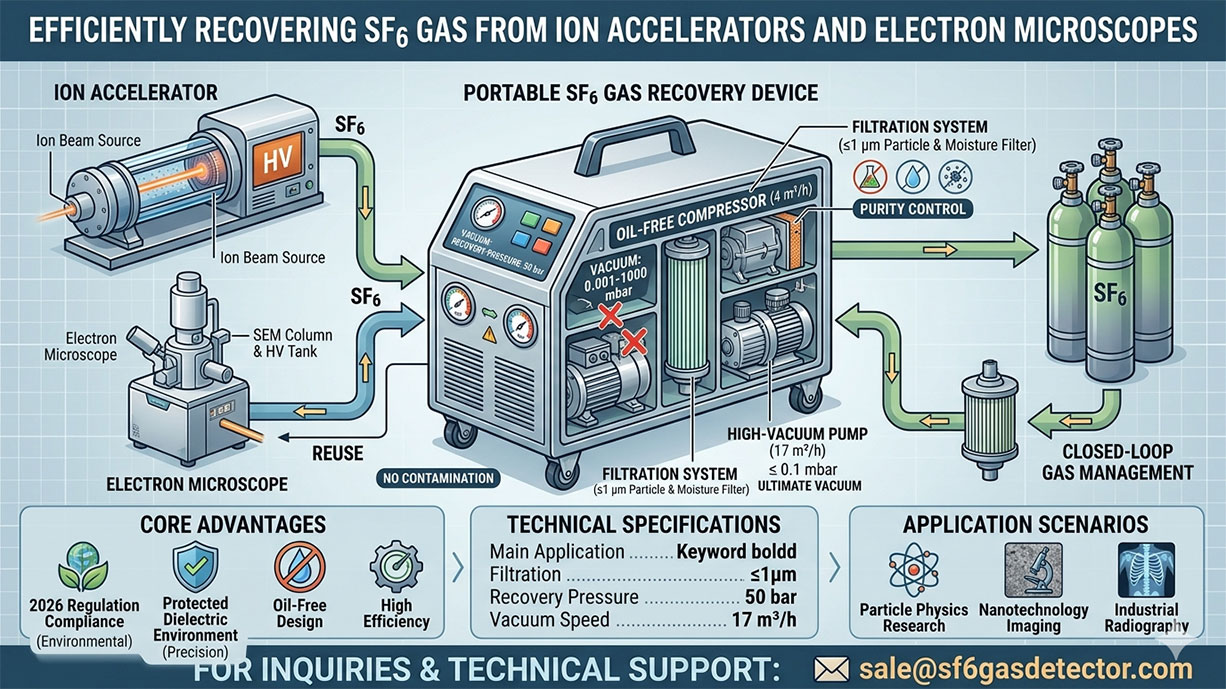
Contamination-Free Recovery: By utilizing an oil-free compressor, we eliminate the risk of oil vapor backstreaming into the accelerator or microscope column. This maintains the ultra-pure environment required for particle acceleration and high-resolution imaging.
-
Advanced Particle Filtration: Built-in high-precision filters remove solid particles down to ≤ 1 μm. This is critical when recovering SF6 gas from ion accelerators and electron microscopes, as it removes metallic dust and arcing byproducts.
-
Integrated Vacuum Capabilities: Before recharging, the system performs deep vacuuming (reaching ≤ 0.1 mbar) to ensure no atmospheric nitrogen or oxygen remains, which could degrade the gas’s insulation properties.
Technical Specifications for Laboratory Use
| Feature | Standard Performance |
| Primary Application | Recovering SF6 gas from ion accelerators and electron microscopes |
| Filtration Precision | ≤ 1 μm (Moisture, Acid, and Particle Removal) |
| Vacuum Pumping Speed | 17 m³/h |
| Final Recovery Pressure | 50 bar |
| Monitoring Interface | High-precision vacuum and pressure gauges |
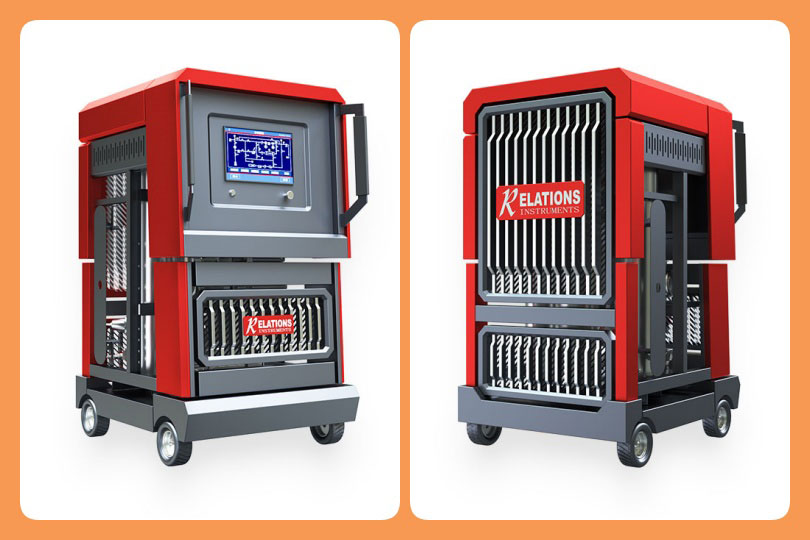
| Mobility | Four-wheel portable chassis with ergonomic handles |
Application Scenarios: Beyond the Power Grid
While many recovery devices are built for large utility substations, our equipment is tailored for the specific needs of the scientific community:
-
Particle Physics Research: Ideal for recovering SF6 gas from ion accelerators during maintenance cycles or target changes.
-
Nanotechnology & Imaging: Safely handle gas transitions when servicing the high-voltage tanks of electron microscopes.
-
Industrial Radiography: Efficient gas management for compact X-ray generators used in non-destructive testing.
Technical Support Note: If you are unsure which configuration best suits your specific laboratory footprint or equipment volume, please reach out to our engineering team at [email protected] for a customized technical assessment.
Purchasing Guide: Selecting the Right System
To achieve the best results when recovering SF6 gas from ion accelerators and electron microscopes, look for the following “must-have” features:
-
Size-to-Power Ratio: Laboratory spaces are often cramped. Ensure the device is compact enough to fit through standard doors.
-
Recovery Rate Efficiency: A higher final pressure (e.g., 50 bar) ensures that you extract the maximum amount of gas from the equipment, minimizing waste.
-
Safety Interlocks: Automated valves prevent the accidental release of gas back into the environment.
For detailed pricing and availability for international shipping to regions like Europe, Southeast Asia, or North America, send an inquiry to [email protected].
Frequently Asked Questions
Q: Why is an oil-free compressor necessary for scientific equipment?
A: Traditional compressors can introduce oil mist into the gas stream. In electron microscopes, this oil can deposit on the source or lenses, requiring expensive cleaning and downtime.
Q: How does this help with 2026 environmental compliance?
A: Modern regulations require strict logging of gas usage. By recovering SF6 gas from ion accelerators and electron microscopes rather than venting or using inefficient recovery tools, you ensure a closed-loop system that meets environmental audit requirements.
Q: What maintenance does the recovery device require?
A: The primary maintenance involves periodic replacement of the filter elements and checking vacuum pump oil (which is isolated from the gas stream). For a maintenance schedule, please contact [email protected].
Optimize Your Gas Management Strategy
Efficiently recovering SF6 gas from ion accelerators and electron microscopes is an investment in both environmental sustainability and equipment reliability. By choosing a system designed for high-purity scientific applications, you protect your research and your budget.
For inquiries, technical support, or to request a quote, please email our specialists at [email protected].