IEC 60480 Compliant SF6 Gas Leak Detector for UHV Substation Gas Diagnostics
Date
2026-02-06
sale@sf6gasdetector.com
Website
www.sf6gasdetector.com
Get Solutions And Quotes
IEC 60480 Compliant SF6 Gas Leak Detector for UHV Substation Gas Diagnostics
In the critical infrastructure of Ultra-High Voltage (UHV) power transmission, the operational integrity of Gas-Insulated Switchgear (GIS) and Ring Main Units (RMU) is paramount. Central to this reliability is the management of Sulfur Hexafluoride (SF6), a gas prized for its exceptional dielectric properties but scrutinized for its significant environmental impact. As global regulations tighten, the deployment of an IEC 60480 compliant SF6 gas leak detector for UHV substation gas diagnostics has transitioned from a best practice to an absolute necessity for modern power utilities.
The Critical Role of SF6 Diagnostics in UHV Infrastructure
UHV substations represent the pinnacle of electrical engineering, handling voltages often exceeding 800 kV or 1100 kV. In these environments, even a minor gas leak can lead to a reduction in insulating pressure, potentially triggering catastrophic insulation failure or internal arcing.
Beyond operational risks, the environmental cost is staggering. With a Global Warming Potential (GWP) 23,500 times that of CO2, the accidental release of SF6 is a major liability. IEC 60480 provides the definitive guidelines for the check and treatment of SF6 taken from electrical equipment. Compliance ensures that the detection methods used are sensitive enough to identify incipient leaks, thereby facilitating timely maintenance and environmental stewardship.
NDIR Technology: The Gold Standard for Precision
The core of an IEC 60480 compliant SF6 gas leak detector for UHV substation gas diagnostics is Non-Dispersive Infrared (NDIR) technology. Unlike older corona discharge or heated diode sensors, NDIR utilizes infrared absorption spectroscopy to identify SF6 molecules with molecular specificity.
SF6 has a unique absorption fingerprint in the infrared spectrum. The detector emits infrared light through a sample of air drawn by a high-performance pump. If SF6 is present, it absorbs specific wavelengths. The high-performance microcontroller then processes this data, applying unique compensation algorithms to adjust for temperature and pressure, providing a real-time, quantitative readout. Infrared sensors offer high selectivity because they are not fooled by humidity or solvents, rapid response times of 1 to 5 seconds for pinpointing leaks, and zero drift correction to maintain accuracy down to 0.01 ppm.
Quantitative Leak Analysis: PPM and G/Y Units
For rigorous gas diagnostics, qualitative yes/no detection is insufficient. An IEC 60480 compliant SF6 gas leak detector for UHV substation gas diagnostics must provide quantitative data. Professional-grade detectors typically offer two units of measurement. Parts Per Million (ppm) is used for measuring the concentration of gas at a specific point. Grams Per Year (g/y) provides a calculated leak rate that allows maintenance managers to prioritize repairs based on the actual mass of gas lost over time. This dual-unit capability allows utilities to move from reactive maintenance to Condition-Based Maintenance, identifying degrading seals before they reach critical failure thresholds.
Advanced Features for UHV Field Deployment
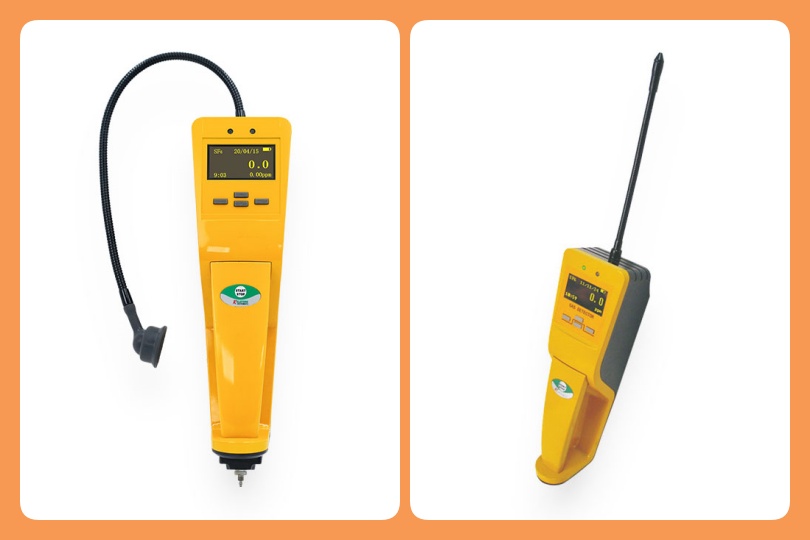
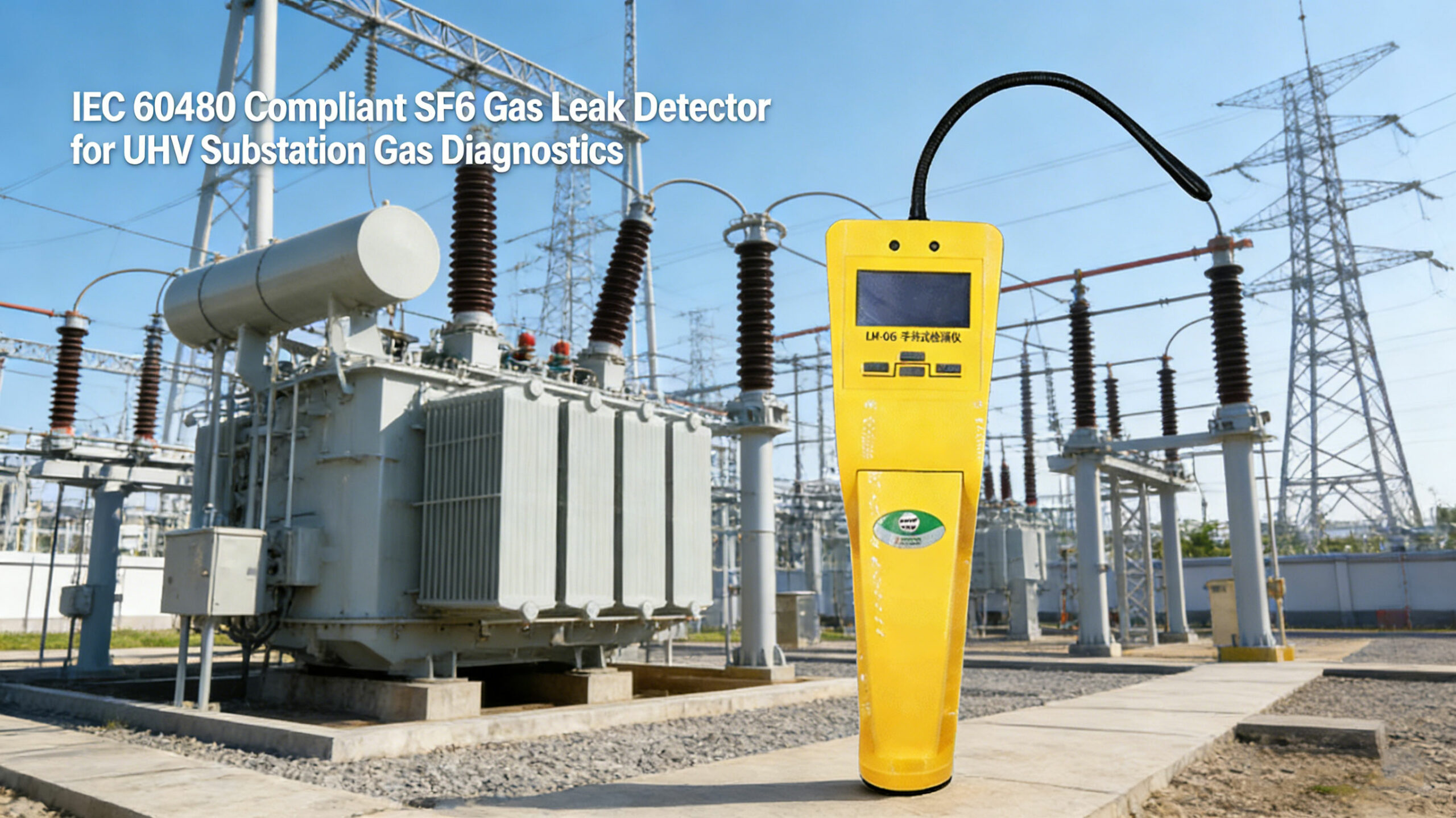
Operating in a UHV substation presents physical and environmental challenges. A portable leak detector must be designed for the rigors of field use. UHV substations are often outdoor environments with high ambient light where standard LCD screens fail; the use of OLED displays ensures high brightness and wide viewing angles. Handheld designs with 22cm probe rods allow technicians to reach deep into narrow GIS housing and behind support structures. Furthermore, in the noisy environment of a converter station, audible alarms are paired with high-visibility visual alerts to ensure the operator is notified immediately upon detection.
Technical Specifications for Industrial Selection
When evaluating a leak detector for UHV diagnostics, specific technical benchmarks represent the industry standard. For standard applications, a measurement range of 0 to 1000 ppm with 0.1 ppm sensitivity is common. For high-precision requirements, a range of 0 to 50 ppm with 0.01 ppm sensitivity and 0.1 ppm accuracy is utilized. All professional units should employ the pump-suction sampling method, offer a sensor life exceeding 10 years, and function reliably in temperatures ranging from -20 to 60 degrees Celsius.
Integrating Diagnostics into the Maintenance Workflow
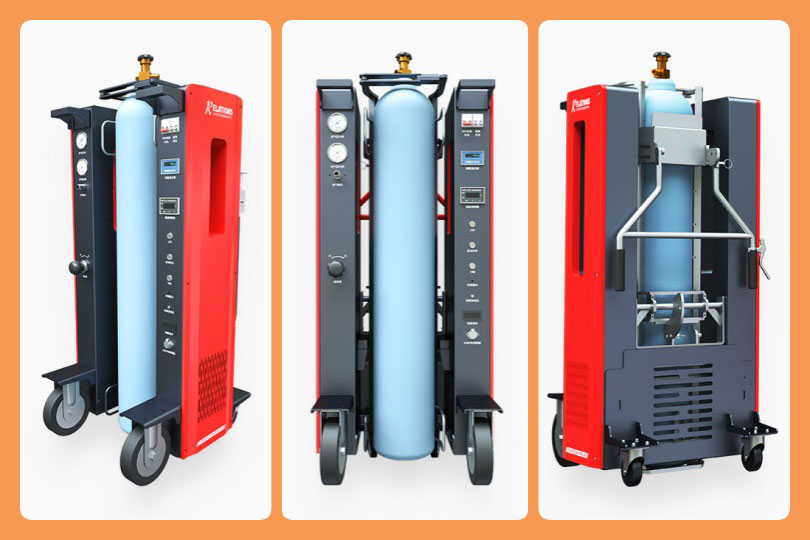
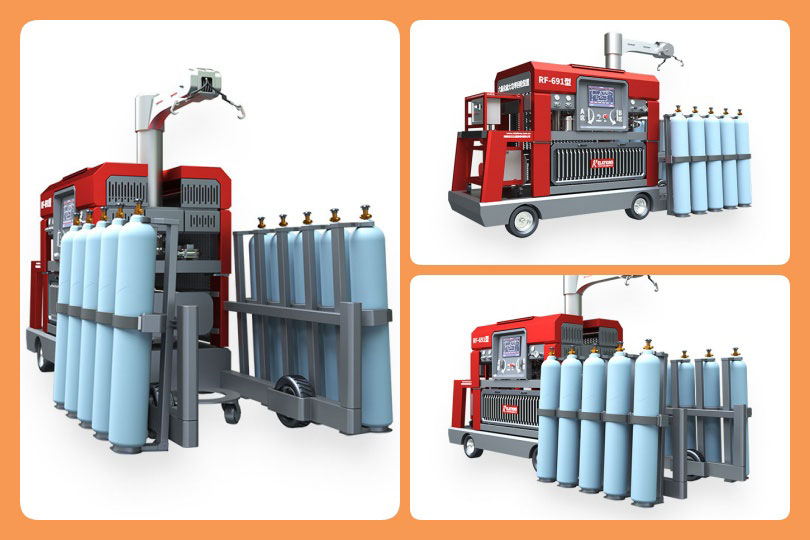
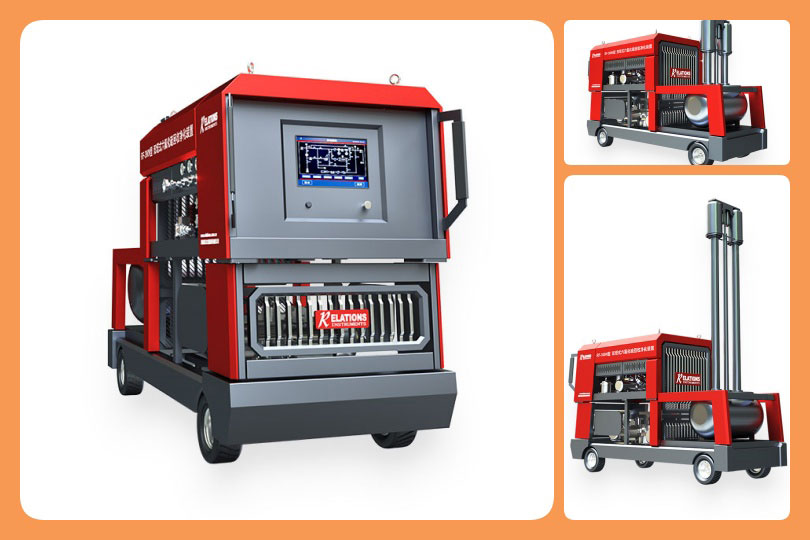
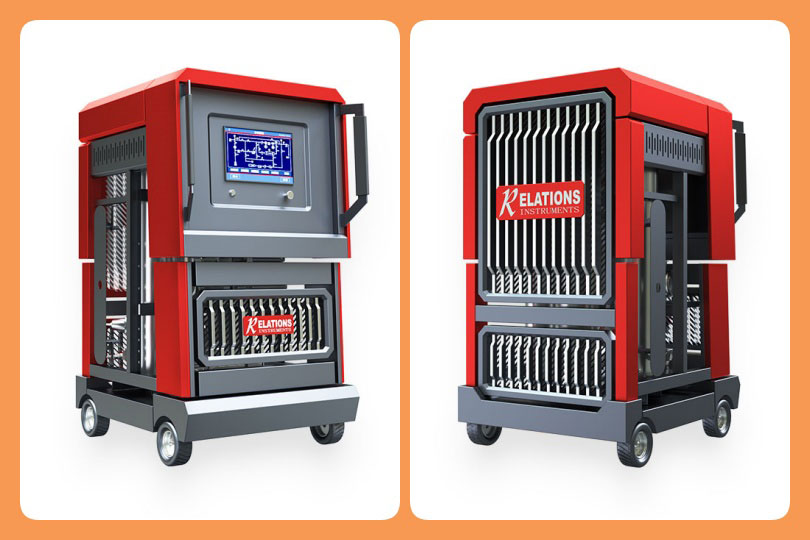
The use of an IEC 60480 compliant SF6 gas leak detector for UHV substation gas diagnostics is the first step in a larger gas management cycle. Once a leak is identified, the leak rate is recorded using manual or automatic storage. The gas is then removed using an SF6 recovery cart to allow for the replacement of gaskets or seals. Finally, the infrared detector is used again during the refilling process to verify the integrity of the new seal. This loop ensures that the substation remains a zero-emission zone.
Conclusion: The Future of SF6 Management
As the power industry evolves toward Smart Grids and higher environmental accountability, the tools used for diagnostics must keep pace. The IEC 60480 compliant SF6 gas leak detector for UHV substation gas diagnostics is more than a tool; it is a safeguard for infrastructure longevity. By utilizing NDIR technology, utilities can ensure they meet the highest standards of precision, stability, and regulatory compliance. Investing in high-sensitivity infrared detection is a clear statement of technical expertise and a commitment to the sustainable future of global energy transmission.