Mastering SF6 Lifecycle Management: A Guide to SF6 Gas Disposal and Recycling Unit Price and GIS Performance
Date
2026-03-16
sale@sf6gasdetector.com
Website
www.sf6gasdetector.com
Get Solutions And Quotes
Mastering SF6 Lifecycle Management: A Guide to SF6 Gas Disposal and Recycling Unit Price and GIS Performance
In the modern power distribution landscape, GIS Gas Insulated Switchgear stands as the backbone of high-voltage infrastructure. Its compact design and superior insulation properties are made possible by Sulfur Hexafluoride (SF6), a synthetic gas with unrivaled dielectric strength. However, the operational excellence of GIS is coupled with a significant environmental and logistical responsibility: the management of SF6 gas.
As global regulations on greenhouse gas emissions tighten, the demand for sophisticated SF6 handling equipment has surged. For utility managers and substation engineers, understanding the SF6 Gas Disposal and Recycling Unit price is critical for long-term asset management and operational compliance.
The Evolution of SF6 Management in GIS Gas Insulated Switchgear
GIS Gas Insulated Switchgear relies on the chemical stability of SF6 to quench arcs and insulate live components. Over decades of operation, or during maintenance cycles, this gas can become contaminated with moisture and toxic decomposition products (such as SOF2 and HF).
Using a professional SF6 Gas Disposal and Recycling Unit is no longer optional; it is a technical necessity to:
-
Maintain Gas Purity: Ensuring the dielectric strength remains within the bounds of GB/T 12022 standards.
-
Environmental Stewardship: Preventing the release of SF6 (which has a global warming potential 23,500 times that of CO2) into the atmosphere.
-
Cost Efficiency: Recycling SF6 gas for reuse is significantly more economical than purchasing virgin gas and paying for hazardous waste disposal.
Understanding the SF6 Gas Disposal and Recycling Unit Price: A Strategic Investment
When evaluating the SF6 Gas Disposal and Recycling Unit price, it is essential to look beyond the initial capital expenditure. A high-performance, PLC-controlled unit represents a multi-functional system that replaces several individual pieces of equipment.
1. Integration of Multi-Functional Processes
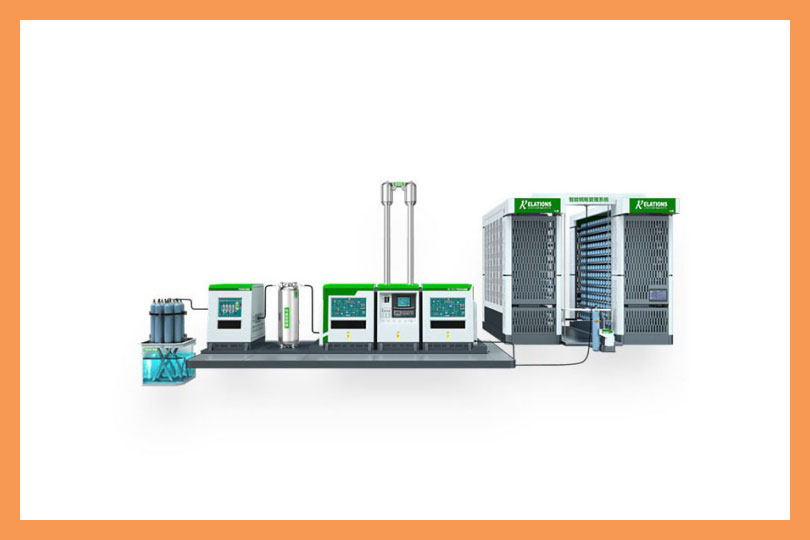
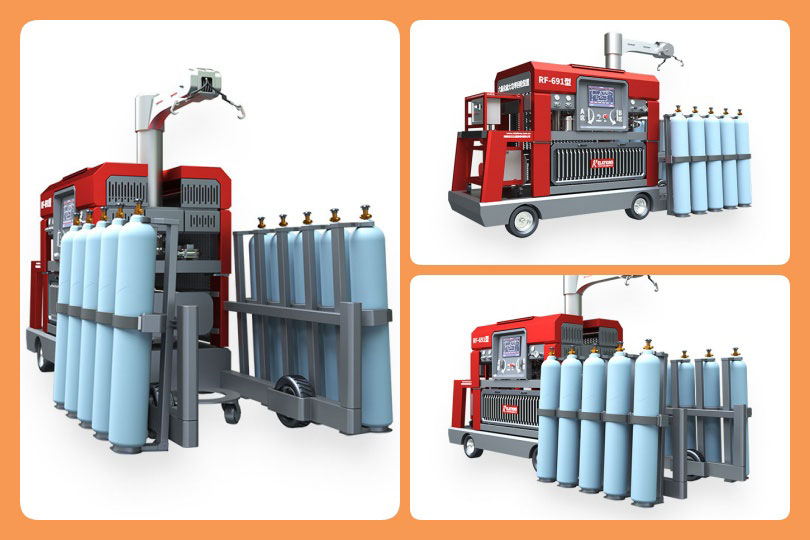
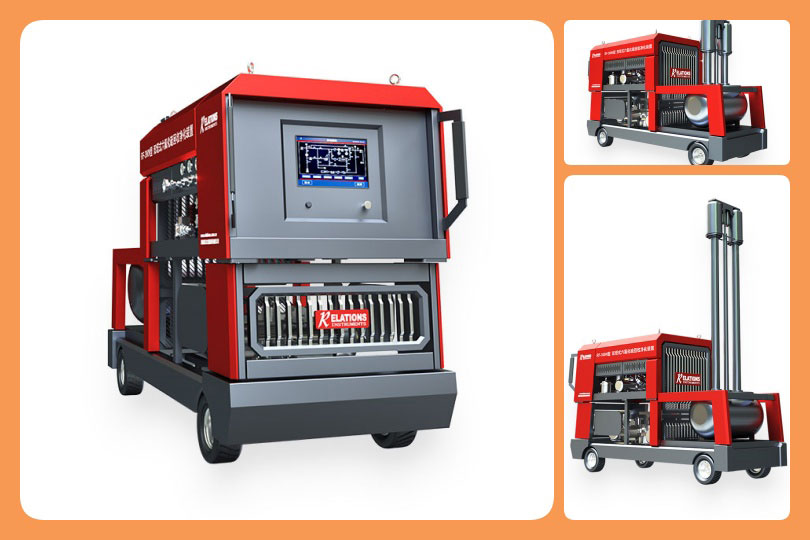
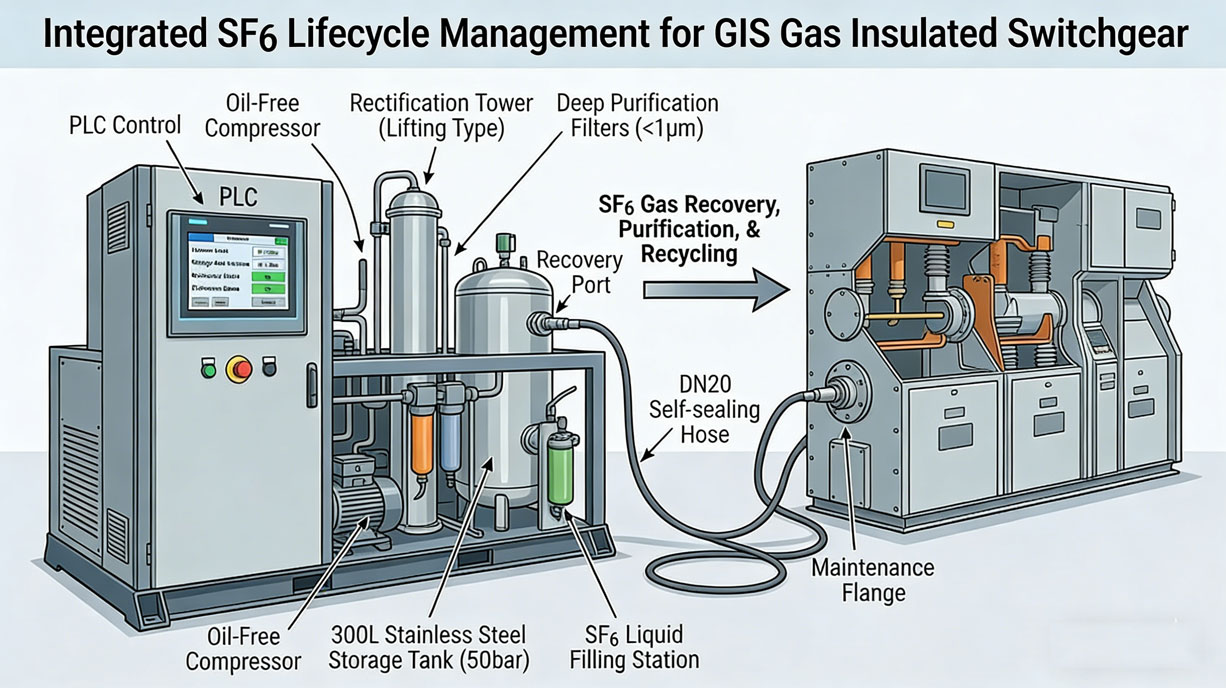
A professional-grade unit integrates vacuum pumping, gas recovery, purification, storage, and refilling. By combining these into a single modular unit, companies save on labor costs and reduce the risk of gas loss during equipment transfers.
2. Advanced PLC and Industrial Control Systems
Modern units utilize intelligent PLC control with real-time touchscreen monitoring. This automation reduces human error during complex procedures like “vacuuming to 0.1 mbar” or “pressurized bottle filling,” which directly impacts the long-term reliability of your GIS Gas Insulated Switchgear.
3. Deep Purification and Liquefaction
The inclusion of a lifting-type rectification tower and independent heating systems allows for the removal of moisture and decomposition products to microscopic levels (less than 1 micrometer). This level of purification restores the gas to near-original quality, effectively paying for the machine through gas savings.
Key Technical Advantages of Professional Recycling Units
To justify the SF6 Gas Disposal and Recycling Unit price, one must look at the technical specifications that ensure industrial-grade reliability.
| Parameter | Technical Excellence for GIS Applications |
| Recovery Power | Oil-free water-cooled compressor: 38 cubic meters per hour recovery speed. |
| Vacuum Capability | 64 cubic meters per hour: Reaches a limit vacuum of 0.1mbar for deep evacuation. |
| Purification Quality | Filter particle size < 1 micrometer: Removes all moisture and solid decomposition products. |
| Filling Efficiency | High-speed liquid filling: Fills a 40L cylinder (50kg) in just 5 to 8 minutes. |
| Output Control | Adjustable pressure: 1 to 10 bar output for precise refilling of GIS chambers. |
Why Intelligent Control is Essential for GIS Maintenance
The handheld and stationary control systems described utilize high-performance microcontrollers and industrial-grade interfaces. This “Gold Standard” in recycling technology offers several benefits:
-
Safety Monitoring: The PLC screen displays real-time vacuum changes, preventing pump damage and ensuring the GIS is completely evacuated before refilling.
-
Oil Return Protection: Vacuum pumps are equipped with anti-return valves to prevent oil from entering the GIS internal compartments—a common cause of equipment failure.
-
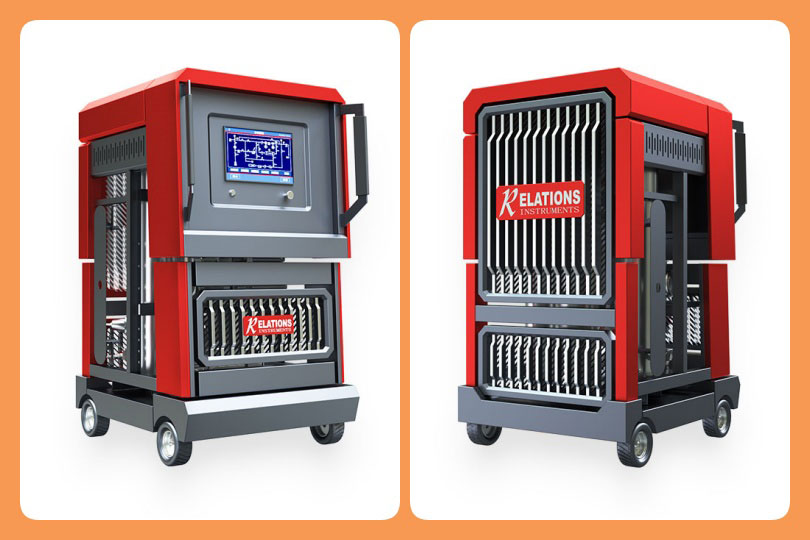
Modular Versatility: The semi-enclosed, compact structure is designed for both indoor and outdoor substation environments, ensuring mobility across large-scale GIS installations.
Strategic Procurement: Factors Affecting the SF6 Gas Disposal and Recycling Unit Price
When requesting quotes for your GIS Gas Insulated Switchgear service fleet, consider these pricing drivers:
-
The Standard Tier: Focuses on basic recovery and vacuuming. Best for small-scale switchgear but may lack deep rectification capabilities.
-
The Advanced Purification Tier: Includes lifting rectification towers and mechanical refrigeration. This represents the best balance of SF6 Gas Disposal and Recycling Unit price and environmental compliance by ensuring 99.9% gas purity.
-
The Fully Automated Tier: Features embedded testing instruments for purity, humidity, and decomposition products, allowing for a “closed-loop” maintenance cycle without external lab testing.
Best Practices for SF6 Recovery in GIS
To maximize the ROI of your recycling unit, your team should follow a rigorous protocol:
-
Vacuum Degassing: Always achieve the 0.1mbar limit to ensure no air or moisture remains in the GIS before refilling with recycled gas.
-
Filter Maintenance: Regularly check the 300L purification tank and filters to ensure solid particles (>1 micrometer) are successfully trapped.
-
Liquefaction Storage: Utilize the mechanical refrigeration feature to store SF6 in liquid form, which significantly reduces the footprint of stored gas in the substation.
-
Heating System Use: Use the built-in vaporizer (1.5kW) during cold-weather refilling to maintain optimal gas flow and pressure stability.
Conclusion: Investing in Grid Sustainability
In the context of GIS Gas Insulated Switchgear, the SF6 Gas Disposal and Recycling Unit price is an investment in the future of the grid. By opting for a device that complies with DL/T 662 standards, utilities can virtually eliminate SF6 waste, protect the environment, and ensure their high-voltage assets operate without interruption.
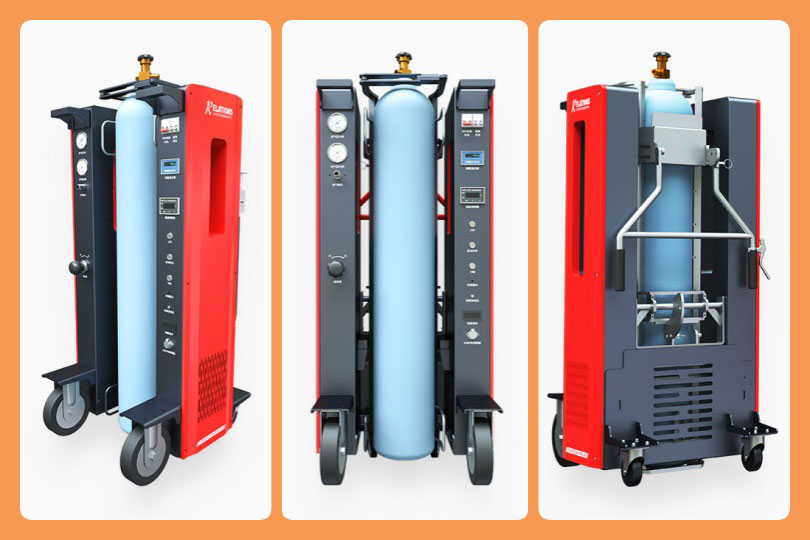
The modern PLC-controlled recycling unit is more than just a pump; it is a sophisticated laboratory-grade gas refinery on wheels. Its ability to purify, store, and accurately refill SF6 makes it the indispensable choice for the modern electrical engineering professional.