Multiplex SF6 Gas Density Intelligent Relay for High-Voltage Electrical Systems
Date
2025-12-04
sale@sf6gasdetector.com
Website
www.sf6gasdetector.com
Get Solutions And Quotes
Multiplex SF6 Gas Density Intelligent Relay for High-Voltage Electrical Systems
In today’s rapidly evolving power infrastructure, reliability, safety, and efficiency are non-negotiable. One critical component ensuring these standards in high-voltage electrical systems is the multiplex SF6 gas density intelligent relay. This advanced device plays a pivotal role in monitoring sulfur hexafluoride (SF6) gas—a key insulating and arc-quenching medium used in circuit breakers, switchgear, and other high-voltage equipment. As utilities and industrial facilities seek smarter, more responsive solutions, the multiplex SF6 gas density intelligent relay emerges as an indispensable tool for predictive maintenance, real-time diagnostics, and enhanced grid resilience.
What Is an SF6 Gas Density Intelligent Relay?
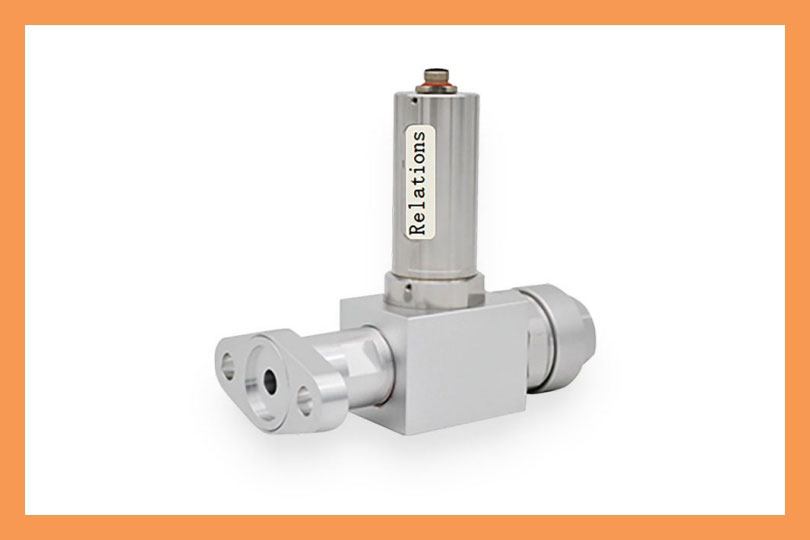
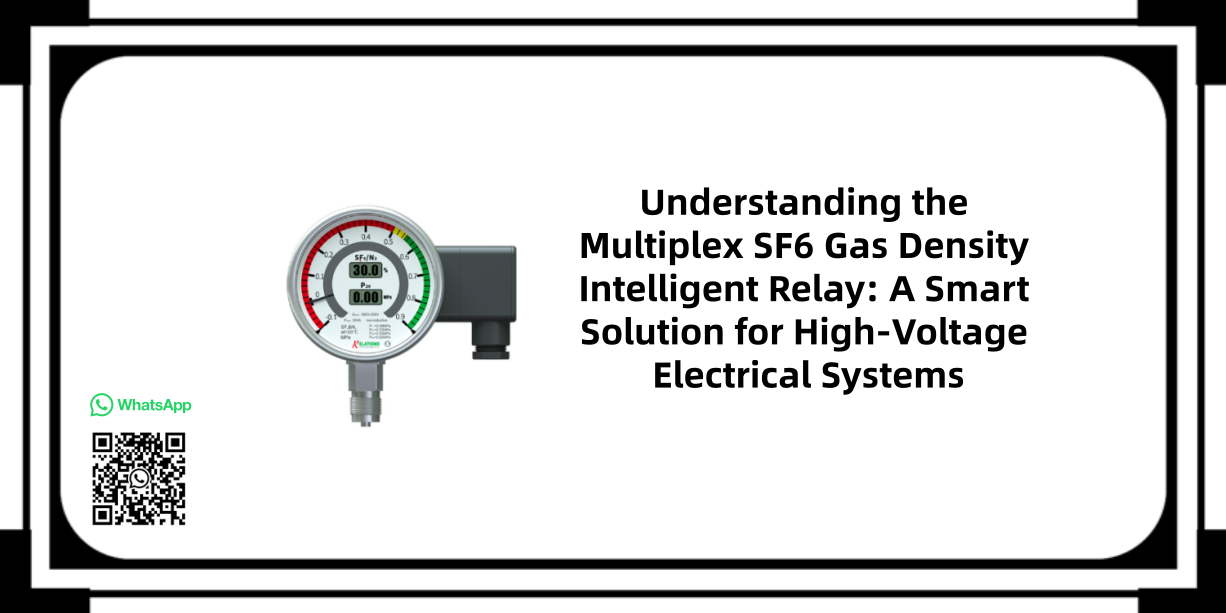
An SF6 gas density intelligent relay is a sophisticated monitoring device designed to continuously measure and analyze the density of SF6 gas within sealed high-voltage equipment. Unlike traditional mechanical relays that only trigger alarms or trips at preset thresholds, intelligent relays integrate digital sensors, microprocessors, and communication protocols to provide comprehensive data on gas conditions. The term “multiplex” refers to the relay’s ability to monitor multiple parameters simultaneously—such as pressure, temperature, and calculated gas density—and often support multiple output channels or communication interfaces (e.g., RS485, Modbus, IEC 61850).
This multifunctionality enables operators to gain deeper insights into equipment health, detect early signs of leakage, and prevent catastrophic failures before they occur.
Why SF6 Gas Monitoring Matters
SF6 gas is widely used in electrical transmission and distribution systems due to its excellent dielectric strength and arc-quenching properties. However, its effectiveness is directly tied to maintaining proper gas density. If SF6 leaks or its density drops below a critical level—due to temperature fluctuations, seal degradation, or physical damage—the insulation performance deteriorates, increasing the risk of internal arcing, equipment failure, and even fire hazards.
Moreover, SF6 is a potent greenhouse gas with a global warming potential 23,500 times greater than CO₂. Regulatory bodies worldwide, including the EPA and the European Union, enforce strict guidelines on SF6 emissions. Accurate, real-time monitoring via an intelligent relay not only ensures operational safety but also supports environmental compliance by enabling rapid leak detection and minimizing unnecessary gas releases.
Key Features of a Multiplex SF6 Gas Density Intelligent Relay
Modern multiplex SF6 gas density intelligent relays offer several advanced features that distinguish them from conventional analog devices:
- Real-Time Density Calculation: Using integrated temperature and pressure sensors, the relay calculates true gas density (not just pressure), compensating for ambient temperature variations—a crucial factor since SF6 pressure changes with temperature even when no gas is lost.
- Digital Communication Capabilities: Equipped with standard industrial protocols (e.g., Modbus RTU/TCP, Profibus, DNP3), these relays seamlessly integrate into SCADA and IoT-based asset management systems, enabling remote monitoring and centralized control.
- Multiplexed Alarm and Trip Outputs: Multiple configurable relay outputs allow for staged responses—such as warning alerts at 90% density and automatic equipment shutdown at 85%—enhancing system protection without unnecessary downtime.
- Self-Diagnostics and Data Logging: Built-in self-check functions verify sensor integrity and system health, while onboard memory logs historical data for trend analysis and forensic investigation after incidents.
- High Accuracy and Stability: Advanced MEMS (Micro-Electro-Mechanical Systems) sensors ensure long-term stability and minimal drift, reducing maintenance needs and calibration frequency.
Applications Across the Power Sector
The multiplex SF6 gas density intelligent relay is deployed across a wide range of applications:
- Gas-Insulated Switchgear (GIS): Ensures uninterrupted operation in compact urban substations where space is limited and reliability is paramount.
- Circuit Breakers: Monitors SF6 levels in high-voltage breakers used in transmission networks, preventing failures during fault interruption.
- Hybrid Substations: Supports the integration of renewable energy sources by maintaining stable insulation in mixed-technology environments.
- Industrial Facilities: Protects critical infrastructure in manufacturing plants, data centers, and oil & gas operations where power continuity is essential.
Future Trends: Toward Predictive Maintenance and Digital Twins
As the power industry embraces Industry 4.0, the role of the multiplex SF6 gas density intelligent relay is expanding beyond simple monitoring. When combined with AI-driven analytics platforms, the data from these relays can feed digital twin models—virtual replicas of physical assets—that simulate performance under various conditions and predict remaining useful life. This shift from reactive to predictive maintenance reduces operational costs, extends equipment lifespan, and enhances grid reliability.
Furthermore, future iterations may incorporate wireless connectivity (e.g., LoRaWAN, NB-IoT) for easier retrofitting in existing substations and edge computing capabilities to preprocess data locally, minimizing bandwidth usage and latency.
Conclusion
The multiplex SF6 gas density intelligent relay represents a convergence of precision engineering, digital intelligence, and environmental responsibility. By delivering accurate, real-time insights into SF6 gas conditions, it safeguards critical electrical infrastructure while supporting sustainability goals. As utilities worldwide modernize their grids and adopt smart technologies, this intelligent relay will remain a cornerstone of safe, efficient, and compliant high-voltage operations. For organizations investing in next-generation power systems, selecting a high-performance, multiplex-capable SF6 density relay isn’t just a technical upgrade—it’s a strategic imperative.