Neutralization vs. Recovery for Contaminated Laboratory SF6: Choosing the Most Sustainable Path
Date
2026-03-09
sale@sf6gasdetector.com
Website
www.sf6gasdetector.com
Get Solutions And Quotes
Neutralization vs. Recovery for Contaminated Laboratory SF6: Choosing the Most Sustainable Path
In high-precision laboratory environments—ranging from particle physics research to semiconductor fabrication—Sulfur Hexafluoride (SF6) is a critical asset. However, when the gas becomes contaminated with moisture or decomposition products such as SO2 or HF, laboratory managers face a strategic dilemma: Neutralization vs. Recovery.
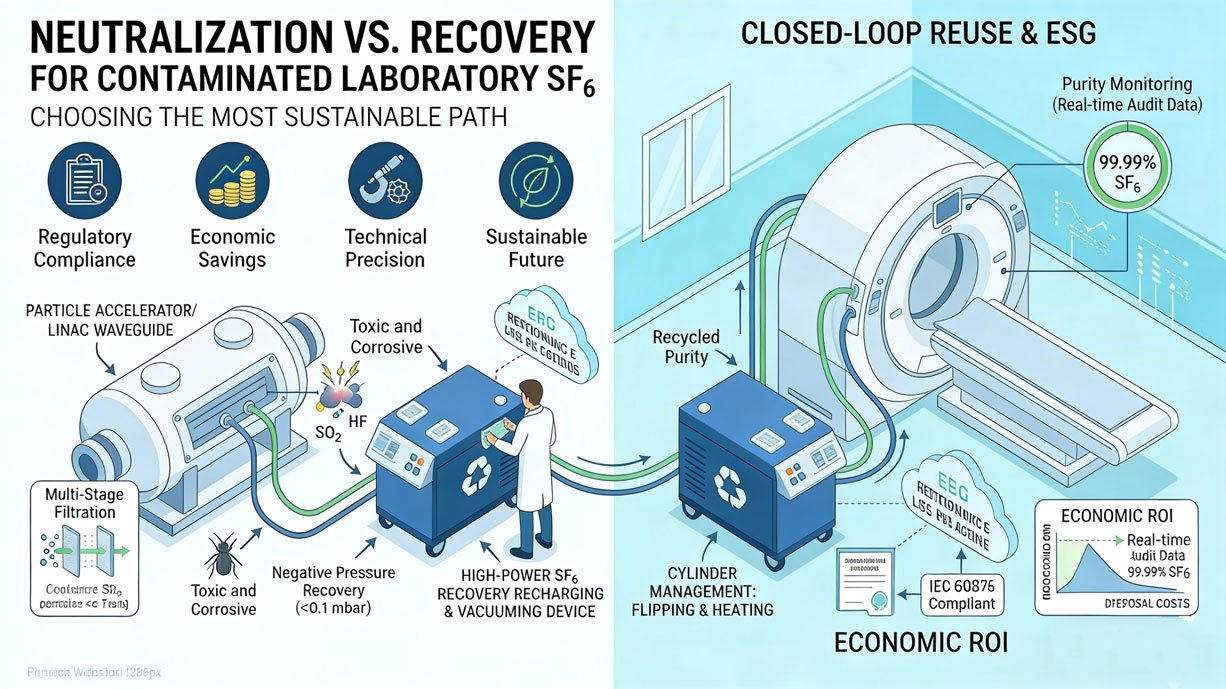
While neutralization involves chemical scrubbers to render toxic byproducts safe for disposal, it essentially treats the SF6 as a waste product. Recovery, on the other hand, restores the gas to its original purity for immediate reuse. This article examines why recovery is the superior choice for modern labs and how high-power recovery devices are redefining the “closed-loop” gas lifecycle.
1. The Operational Dilemma: Why Recovery Outperforms Neutralization
For years, laboratories focused on neutralization—using alkaline scrubbers to neutralize acidic decomposition products before venting or disposing of the gas. This approach has three major drawbacks:
-
Economic Loss: Neutralized gas is gone forever, requiring the purchase of expensive “virgin” SF6.
-
Environmental Liability: Even “safe” disposal doesn’t eliminate the carbon footprint of the original gas production.
-
Complex Logistics: Managing chemical waste from scrubbers adds another layer of regulatory headache.
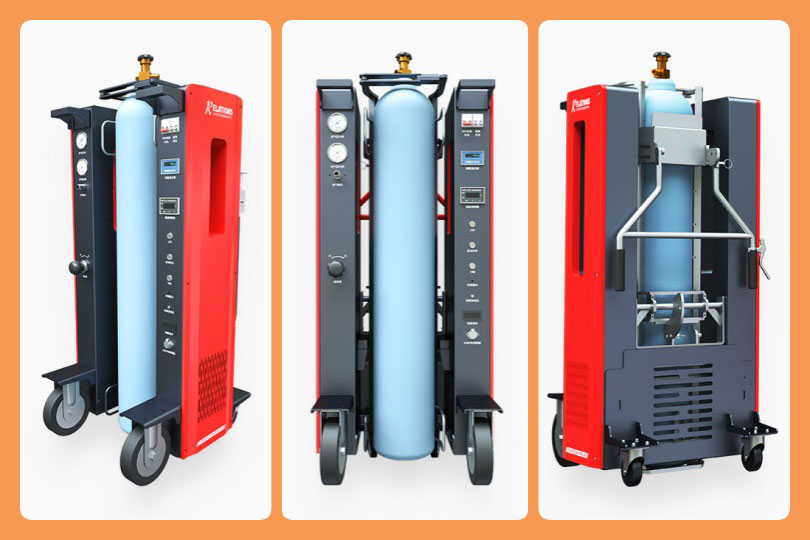
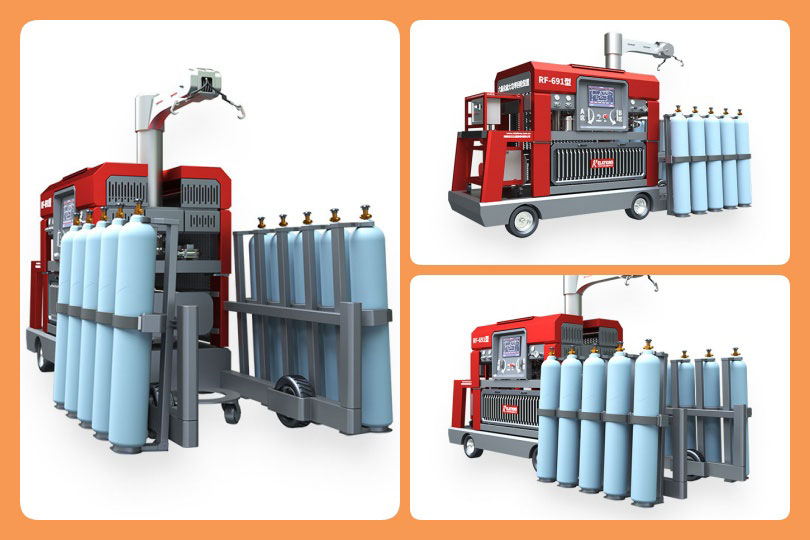
Recovery addresses these pain points by treating contaminated gas as a renewable resource. By using a high-power SF6 recovery, recharging, and vacuuming device, labs can extract the gas, strip away contaminants, and store it in high-pressure cylinders—all in one automated cycle.
2. Core Technical Advantages: High-Power Recovery in Action
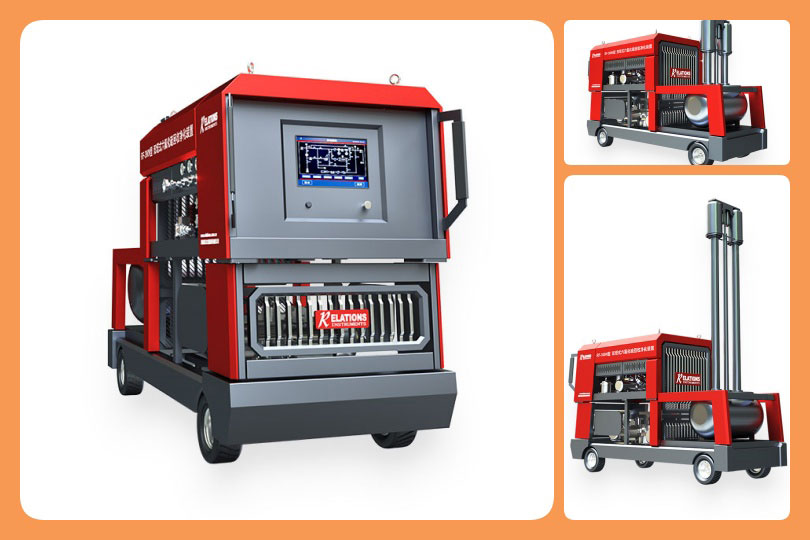
The effectiveness of recovery hinges on the technical precision of the hardware. Modern high-power devices, designed for GIS/GIL equipment up to 500 kV, bring industrial-scale efficiency to the lab.
Micron-Level Purification
A critical factor in the Neutralization vs. Recovery debate is purity. Contaminated lab gas often contains metallic dust and moisture that can ruin sensitive research equipment.
-
Technical Edge: These devices feature a multi-stage filtration system that precisely intercepts particles as small as 1 micrometer or less. By removing moisture and decomposition products at the molecular level, the recovered gas meets or exceeds virgin gas standards.
High-Efficiency Vacuuming and Recovery
In a lab setting, time is money. A slow recovery process delays experiments.
-
Technical Edge: With a powerful 31.3 m3/h vacuum compressor and an ultimate vacuum degree of 1 mbar, these units ensure the equipment is thoroughly evacuated. This “negative pressure recovery” ensures a recovery rate of nearly 100%, leaving zero residual gas in the system.
3. Product Technical Parameters at a Glance
For procurement and technical teams, the following parameters define the benchmark for high-power recovery performance:
| Parameter Name | Parameter Value |
| Oil-free Water-cooled Compressor | 60 m3/h |
| Vacuum Compressor Speed | 31 m3/h |
| Ultimate Vacuum Degree | 1 mbar |
| Output Final Pressure | 50 bar |
| Filtration Precision | <= 1 micrometer |
| Cylinder Capacity | 40 L x 10 or 500 L x 1 |
| Carburetor System | Heating and water-cooled heat exchange |
4. Usage Scenario: Large-Scale Laboratory Maintenance
When maintaining large-scale insulating tanks or experimental waveguides, the portability of the equipment is as important as its power.
Self-Propelled Mobility
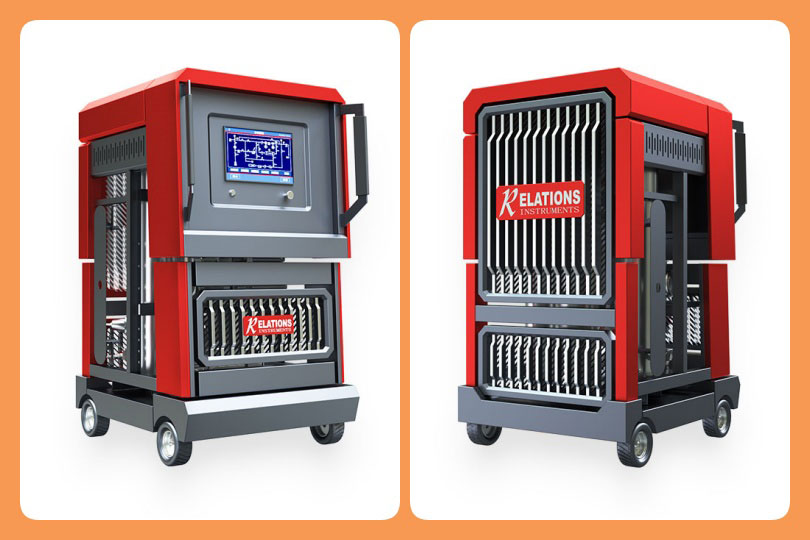
Laboratory floors are often cluttered with delicate cabling and equipment. The self-propelled, electric drive system of the high-power recovery device allows it to navigate tight spaces without requiring a forklift or external towing.
Cylinder Management and “Cylinder Flipping”
One of the most innovative features is the cylinder flipping function. This allows the operator to rotate 40L or 500L cylinders during the recharging process, ensuring that liquid SF6 is fully utilized and reducing gas residue in the cylinders to a minimum. This is essential for labs managing large gas inventories on a budget.
5. Economic and ESG Impacts for Scientific Institutions
In the context of Neutralization vs. Recovery for contaminated laboratory SF6, the ESG (Environmental, Social, and Governance) impact is profound.
-
Cost Savings: By recycling purified gas, institutions can reduce gas procurement costs by up to 90%.
-
Green Development: Using a recovery device aligns with “Green Lab” initiatives, reducing the laboratory’s carbon footprint and fulfilling regulatory reporting requirements for greenhouse gas management.
-
Zero-Leakage Compliance: Features like anti-oil return valves on the vacuum pump prevent oil contamination, protecting both the environment and the research assets.
6. Conclusion: The Shift to High-Power Recovery
The debate between neutralization and recovery has a clear winner in the age of sustainable science. Recovery is not only more environmentally responsible but also proves to be a significant economic driver by turning a recurring expense into a reusable asset.
Investing in a high-power SF6 recovery, recharging, and vacuuming device ensures that your laboratory is equipped to handle the most demanding gas processing tasks with industrial-grade efficiency, micron-level purity, and a future-proof ESG strategy.