On-Site SF6 Purity Tester for SF6 Recovery and Analysis: Closing the Loop on High-Voltage Gas Management
Date
2025-12-29
sale@sf6gasdetector.com
Website
www.sf6gasdetector.com
Get Solutions And Quotes
On-Site SF6 Purity Tester for SF6 Recovery and Analysis: Closing the Loop on High-Voltage Gas Management
In today’s energy landscape—where grid reliability, environmental compliance, and operational efficiency are non-negotiable—the management of sulfur hexafluoride (SF6) has evolved from a routine maintenance task to a strategic imperative. As utilities and industrial operators phase out open-loop testing and embrace circular gas practices, the on-site SF6 purity tester for SF6 recovery and analysis has emerged as a critical enabler of sustainable, high-integrity substation operations.
Unlike traditional SF6 Gas analyzers that measure gas quality and then vent the sample, modern integrated systems combine real-time diagnostics with closed-loop recovery—allowing teams to test, analyze, and reuse SF6 in a single workflow. This not only ensures equipment safety but also eliminates unnecessary emissions of a potent greenhouse gas (GWP = 23,500). For organizations managing GIS, circuit breakers, or hybrid switchgear, this technology represents a significant leap forward in both technical precision and environmental responsibility.
The Case for Integrated Testing and Recovery
During maintenance, decommissioning, or commissioning, SF6 is often extracted for quality verification. Historically, even small-volume “spot checks” resulted in gas loss—either through venting or incomplete capture. Over time, these losses accumulate, driving up operational costs and increasing carbon footprints.
Regulatory frameworks now actively discourage such practices:
- The EU F-Gas Regulation prohibits intentional venting and mandates leak checks and gas tracking
- The U.S. EPA GHG Reporting Rule (Subpart DD) requires detailed accounting of SF6 usage and emissions
- IEC 60480 sets strict thresholds for reusing recovered gas (e.g., ≥99.9% purity, dew point ≤ –24.7°C)
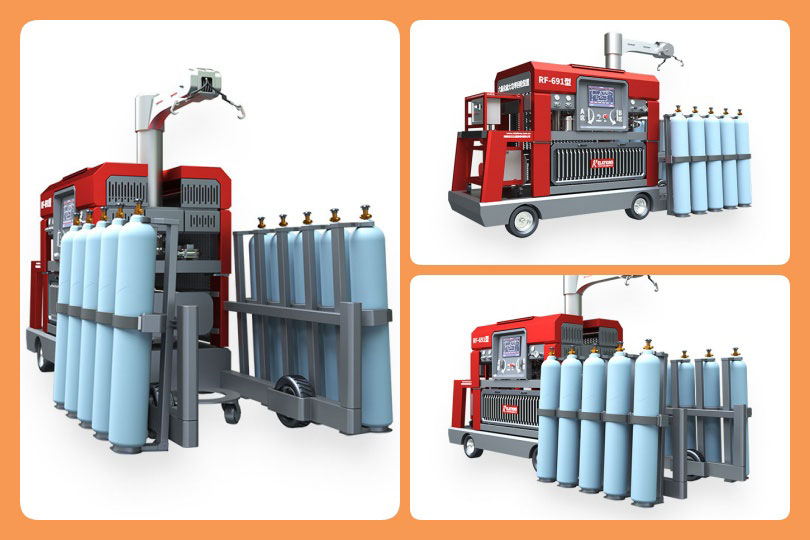
An on-site SF6 purity tester for SF6 recovery and analysis directly addresses these requirements by enabling closed-loop verification: gas is sampled, analyzed for purity, moisture, and decomposition byproducts (SO₂, H₂S, CO), and then either returned to the original compartment or stored in a recovery cylinder—all without release to the atmosphere.
This integration transforms SF6 from a consumable into a reusable asset.
How It Works: Precision Meets Sustainability
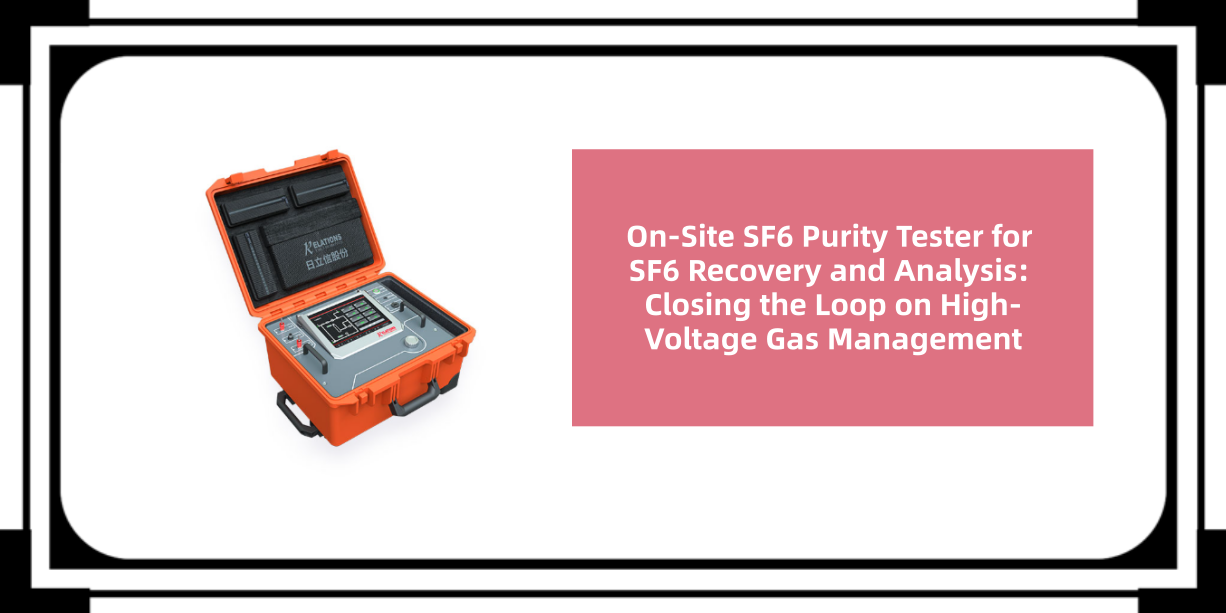
Advanced on-site SF6 purity testers for SF6 recovery and analysis typically feature:
- Multi-parameter sensing suite:
- Thermal conductivity for SF6 purity (0–100%, ±0.5% accuracy)
- Capacitive polymer sensor for dew point (–60°C to +20°C)
- Electrochemical cells for SO₂, H₂S (0–100 µL/L), and CO (0–500 µL/L)
- Integrated vacuum pump and valve system: Automatically draws sample, performs measurement, and directs gas flow based on user selection—recovery to external tank or direct backfill to source
- Intelligent diagnostics: Compares results against IEC 60480, IEEE C37.122.3, or custom thresholds, providing clear “pass/fail” guidance and recommended actions
- Zero-loss design: All internal volumes are purged and returned; no dead zones or residual venting
This end-to-end process ensures that every gram of SF6 is accounted for—maximizing resource efficiency while maintaining dielectric integrity.
Real-World Applications Across the Grid Lifecycle
Commissioning New GIS
Before energizing new gas-insulated substations, engineers use the on-site SF6 purity tester for SF6 recovery and analysis to verify factory-fill quality after transport and assembly. Any contamination from air ingress during installation is immediately flagged—and the test gas is safely returned, avoiding unnecessary top-ups.
Routine Maintenance & Leak Repair
When servicing circuit breakers, technicians extract gas for inspection. With an integrated tester, they confirm whether the gas meets reuse criteria. If yes, it’s pumped back; if not, it’s sent for reclamation—never vented.
Decommissioning & Asset Retirement
During equipment retirement, full recovery is mandatory. A combined purity and recovery unit ensures compliance while documenting gas quality for regulatory reporting.
Emergency Diagnostics
After a fault event, elevated SO₂ or CO levels indicate internal arcing. Rapid on-site analysis helps determine severity—and because the gas is contained, it can be preserved as evidence or safely processed.
Environmental and Economic Benefits
The financial and ecological advantages are compelling:
- Cost savings: SF6 costs 60 per kilogram. Recovering just 5 kg per site saves hundreds of dollars annually across a fleet
- Emissions reduction: Eliminating test-related venting can prevent 100+ kg CO₂e per maintenance event
- Regulatory readiness: Built-in data logging (often 10,000+ records) with USB export supports EPA and EU audit requirements
- ESG alignment: Demonstrates commitment to circular economy principles—increasingly required in public tenders and investor disclosures
One North American utility reported a 30% reduction in annual SF6 purchases after deploying integrated testers across its transmission division.
Choosing the Right System: What to Look For
Not all “recovery-capable” analyzers deliver true closed-loop performance. When evaluating an on-site SF6 purity tester for SF6 recovery and analysis, prioritize:
- Certified accuracy (±0.5% for purity, ±2°C for dew point)
- Full gas return functionality (not just storage)
- Modular design for easy sensor replacement and calibration
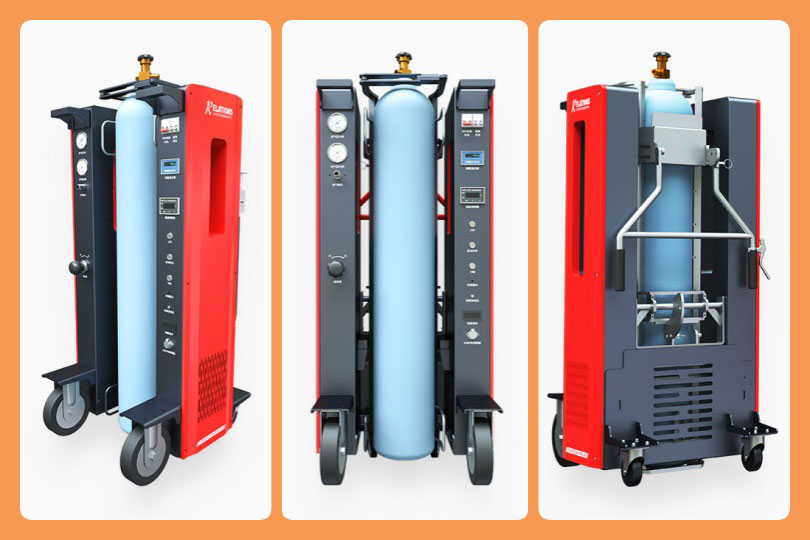
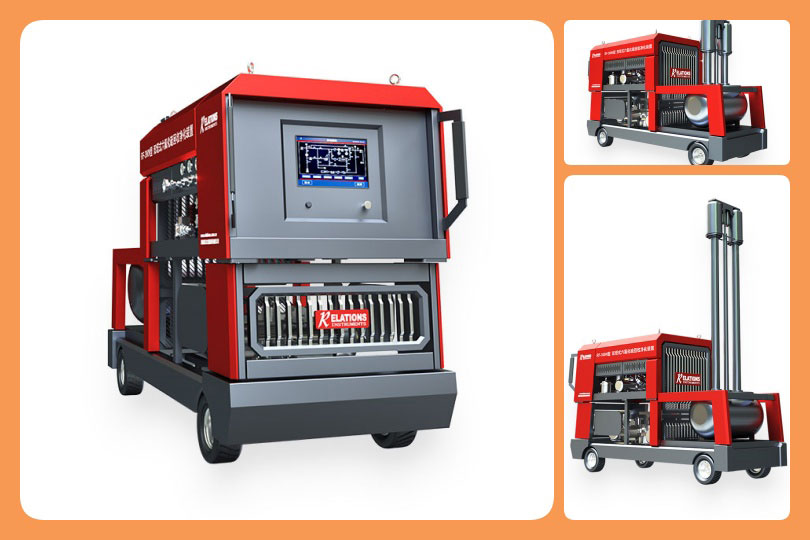
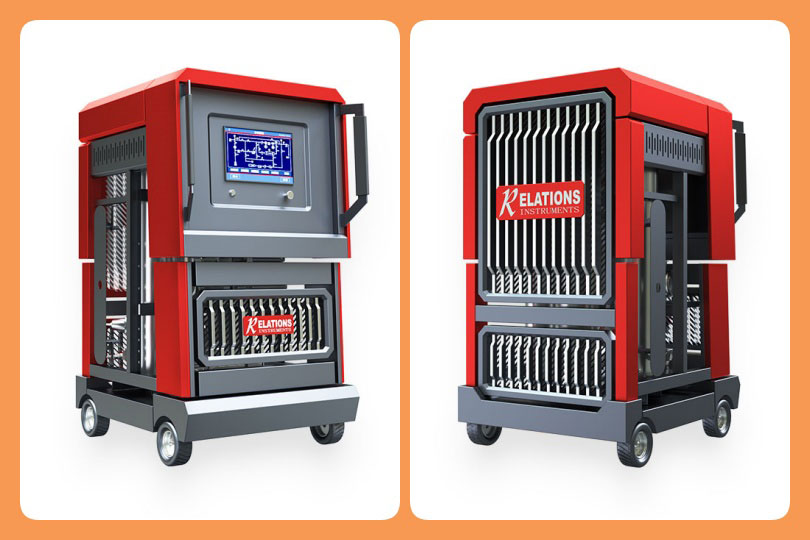
- Rugged, portable form factor with wheels and handle for field use
- Compliance documentation (IEC 60480, ISO 17025 traceable calibration)
Systems that separate analysis from recovery require manual transfers—introducing error risk and potential leaks. True integration is key.
Conclusion: The Standard for Responsible SF6 Management
The on-site SF6 purity tester for SF6 recovery and analysis is more than a diagnostic tool—it’s a cornerstone of modern, sustainable high-voltage operations. By merging precision measurement with zero-emission recovery, it empowers engineers to uphold equipment reliability while meeting the highest environmental standards.
As global regulations tighten and corporate sustainability goals intensify, this technology is rapidly shifting from “best practice” to “baseline requirement.” For any organization serious about grid resilience and planetary responsibility, adopting an integrated SF6 tester isn’t just smart—it’s essential.