Portable SF6 Gas Analyzer for SF6 Gas Recovery Leak Testing: Ensuring Precision and Sustainability in UHV Maintenance
Date
2026-02-06
sale@sf6gasdetector.com
Website
www.sf6gasdetector.com
Get Solutions And Quotes
Portable SF6 Gas Analyzer for SF6 Gas Recovery Leak Testing: Ensuring Precision and Sustainability in UHV Maintenance
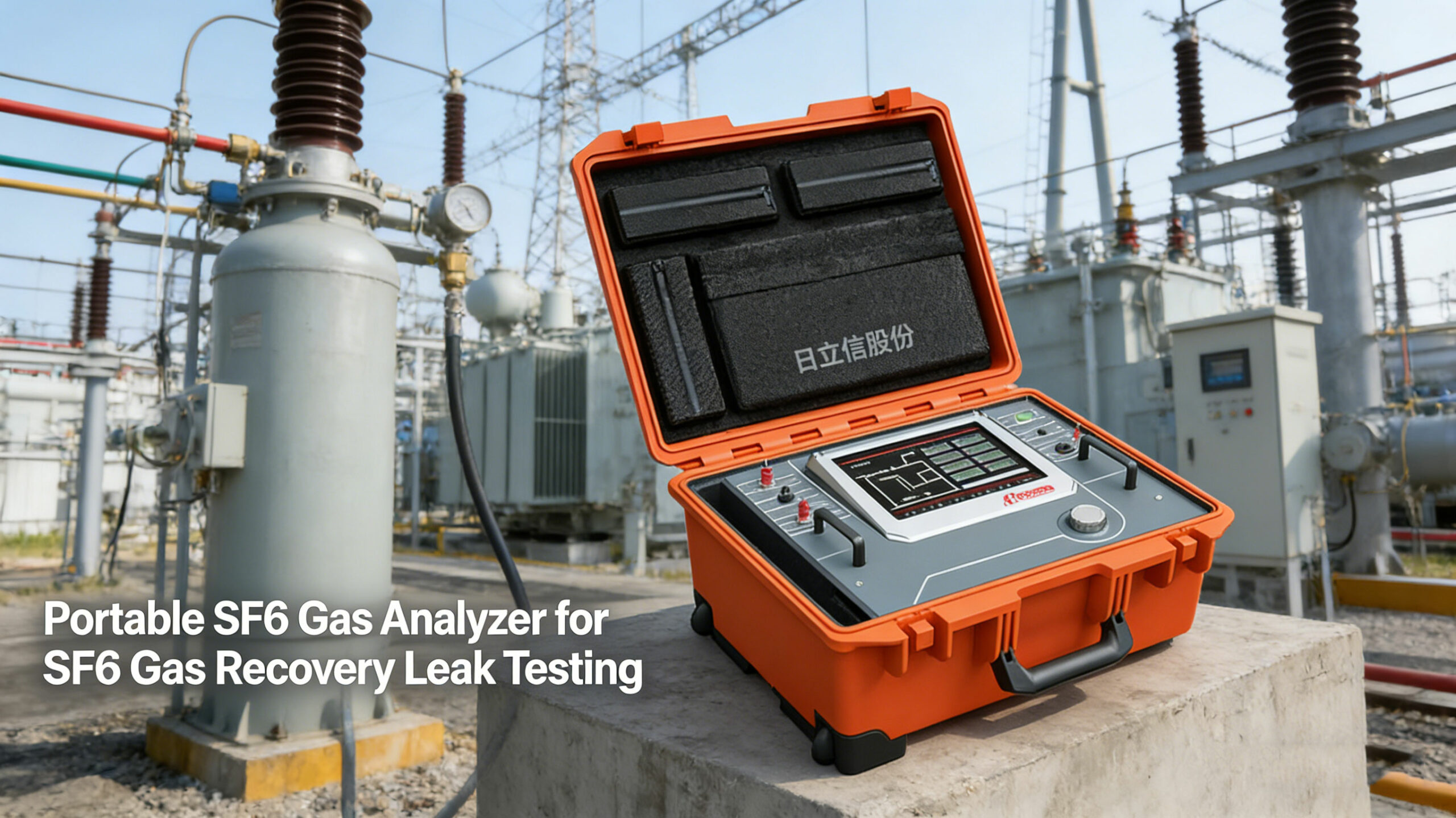
In the modern electrical power industry, particularly within Ultra-High Voltage (UHV) converter stations and substations, the management of Sulfur Hexafluoride (SF6) gas has shifted from a routine task to a high-stakes operational and environmental mandate. SF6 is unparalleled in its dielectric strength and arc-quenching capabilities, making it the backbone of Gas-Insulated Switchgear (GIS). However, its status as a potent greenhouse gas necessitates the use of advanced diagnostic tools. The portable SF6 gas analyzer for SF6 gas recovery leak testing represents the pinnacle of this diagnostic evolution. By integrating multi-parameter sensing with zero-emission recovery technology, these devices ensure that GIS equipment remains reliable while eliminating atmospheric pollution.
The Strategic Importance of Integrated SF6 Analysis
UHV systems operate under extreme electrical stresses where the margin for error is non-existent. The integrity of the insulation medium determines the longevity of assets worth millions of dollars. A portable SF6 gas analyzer for SF6 gas recovery leak testing is not merely a sensor; it is a comprehensive health monitoring system that addresses three critical vectors: purity, moisture, and decomposition products.
Chemical Stability and Fault Detection: When internal faults such as partial discharge or localized overheating occur, the SF6 molecule breaks down. The resulting decomposition products—Sulfur Dioxide (SO2), Hydrogen Sulfide (H2S), and Carbon Monoxide (CO)—serve as chemical fingerprints. Detecting these in parts-per-million allows maintenance teams to identify incipient faults before they lead to catastrophic insulation failure.
Technical Innovations in Portable SF6 Analyzers
The transition to portable, all-in-one units has revolutionized field maintenance. Traditional testing required multiple instruments and often resulted in the venting of sample gas. Modern analyzers solve these issues through technological convergence.
Multi-Sensor Fusion: Current professional-grade analyzers utilize a variety of measurement principles to achieve maximum accuracy. Thermal Conductivity is used for purity, measuring SF6 concentration from 0 to 100% with an error margin of plus or minus 0.5. For humidity, advanced laser-based sensors offer rapid response times of 30 seconds or less and high precision even in the ultra-dry environments of UHV bushings. Electrochemical Cells are used for decomposition products, providing the granularity needed for expert diagnosis of SO2, H2S, and CO.
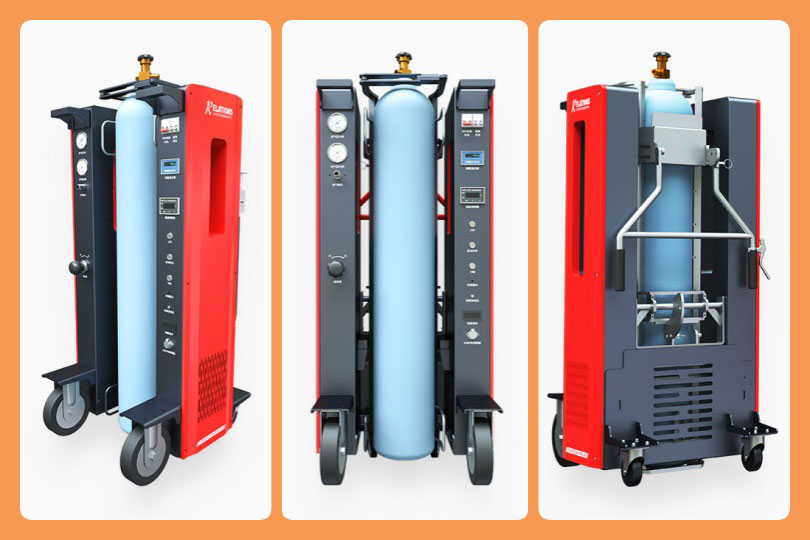
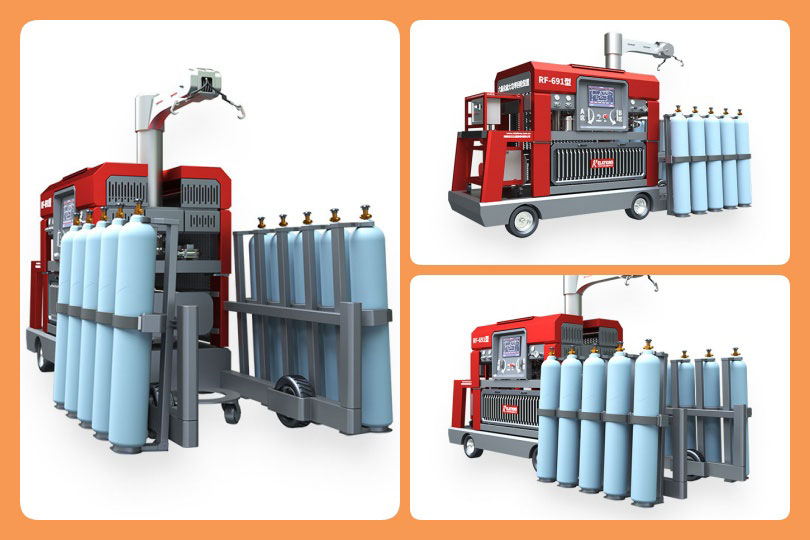
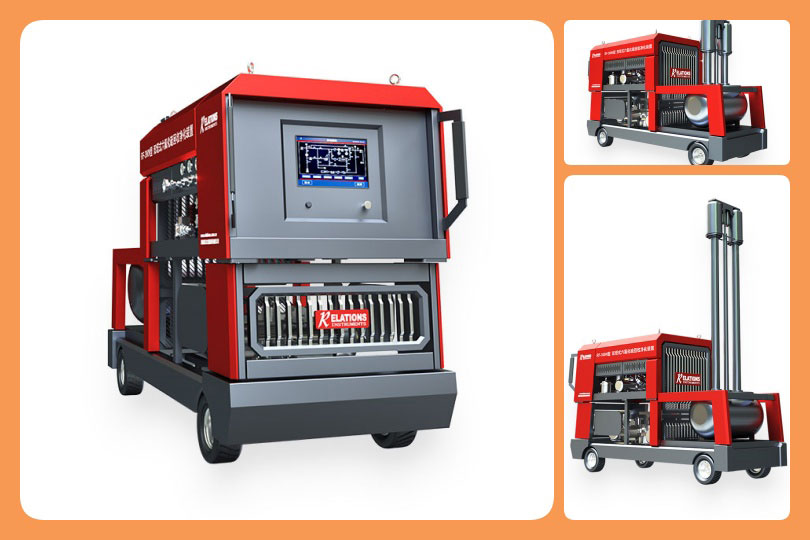
Zero-Emission Recovery and Re-injection: The defining feature of a portable SF6 gas analyzer for SF6 gas recovery leak testing is its ability to achieve zero loss. The device can draw gas from the GIS at pressures up to 2.0 MPa, analyze it, and then either pump it into an external storage container or directly re-inject it into the original gas compartment. This closed-loop system ensures that testing does not contribute to the station’s SF6 emission footprint.
Optimizing UHV Maintenance with Expert Diagnosis
A critical challenge for field technicians is the interpretation of raw data. The inclusion of an Expert Diagnosis System within the analyzer shifts the burden of analysis from the human to the machine. By comparing live data against standards such as IEC 60376 or IEC 60480, the system automatically determines if the measurement data complies with operational requirements.
Data Management and Scannability: Modern analyzers feature large-capacity storage for up to 10,000 records with USB export functionality. This allows for trend analysis to monitor the gradual increase of decomposition products over years, providing an auditable trail for regulatory compliance, and supporting predictive maintenance strategies.
Technical Specifications for Professional Evaluation
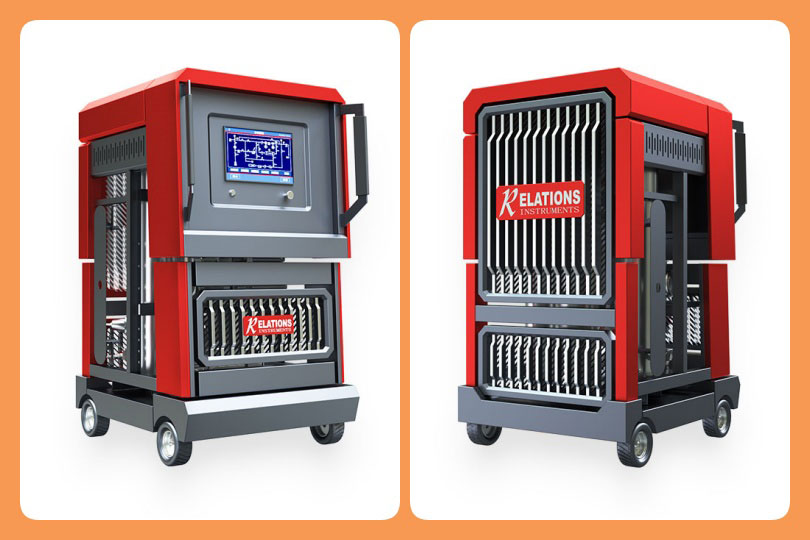
When selecting a portable SF6 gas analyzer for SF6 gas recovery leak testing, engineers focus on parameters that ensure reliability in harsh substation environments. Key specifications include an input pressure range of 0.4 to 2.0 MPa to remain compatible with all UHV GIS pressure ratings, a recovery pressure of 0.8 MPa or less for direct back-filling, and moisture accuracy of plus or minus 1 degree Celsius. The trolley or pull-rod design is also essential for easy navigation through expansive switchyards.
Practical Field Application: Leak Testing and Recovery
In a typical maintenance cycle, the portable SF6 gas analyzer for SF6 gas recovery leak testing is deployed during the vacuuming and refilling stages of GIS repair.
Ensuring Seal Integrity: During leak testing, the analyzer is used to verify that the gas being handled is of sufficient purity. If a leak is detected at a flange, the analyzer can determine if the escaping gas contains decomposition products, which would indicate an internal fault associated with that specific seal.
The Recovery Workflow: The process begins with connecting high-pressure hoses to the GIS sampling valve. One-key automatic measurement captures purity, humidity, and byproducts. The expert system then flags any deviations from the standard before the gas is recovered into a cylinder, ensuring zero emission into the atmosphere.
Environmental and Economic Impact
The use of a zero-emission analyzer is both a moral and financial imperative. SF6 gas is expensive; recovering and reusing the gas saves utilities significant costs annually. Furthermore, as global carbon taxes and emission regulations tighten, the ability to document zero leakage during testing becomes a significant regulatory advantage.
Conclusion: The Future of SF6 Diagnostics
The portable SF6 gas analyzer for SF6 gas recovery leak testing has redefined the standards of GIS maintenance. By combining high-precision sensing with modular, ruggedized design and zero-emission recovery capabilities, it provides the expertise and authority required for modern grid management. As UHV networks continue to expand to meet global energy demands, the role of integrated diagnostics will only grow. Investing in high-tier SF6 analysis is an investment in the reliability of the power grid and the health of the planet.