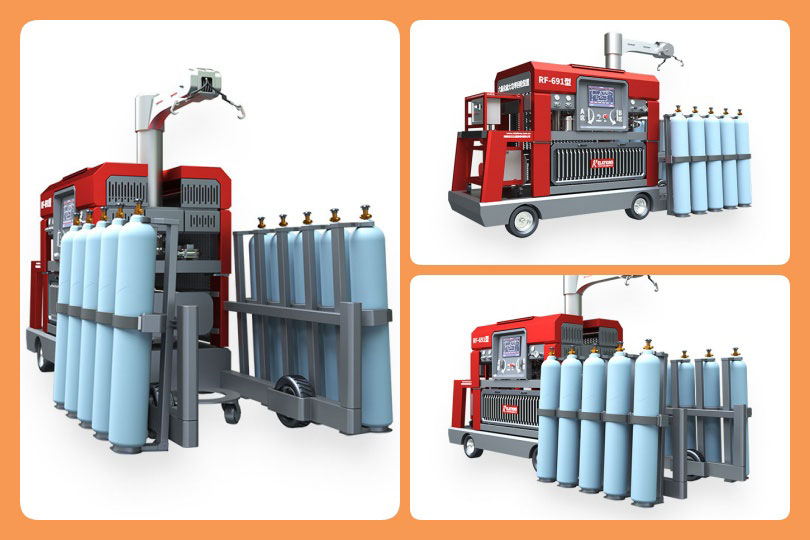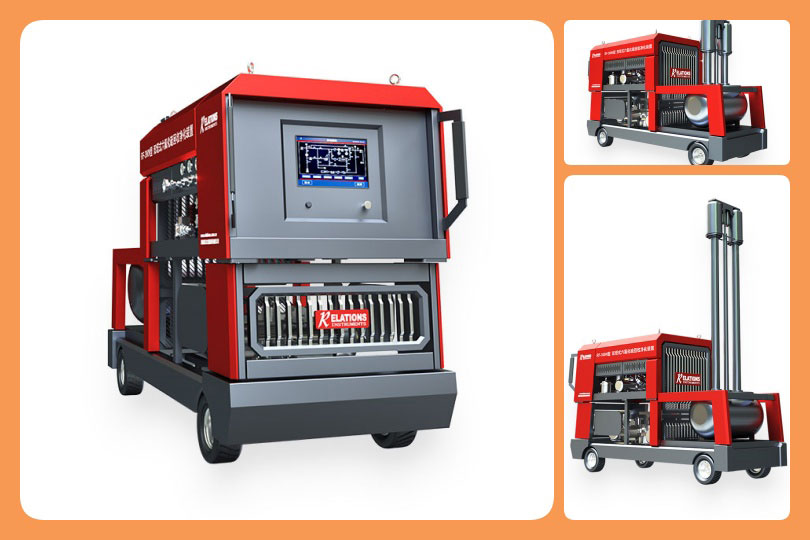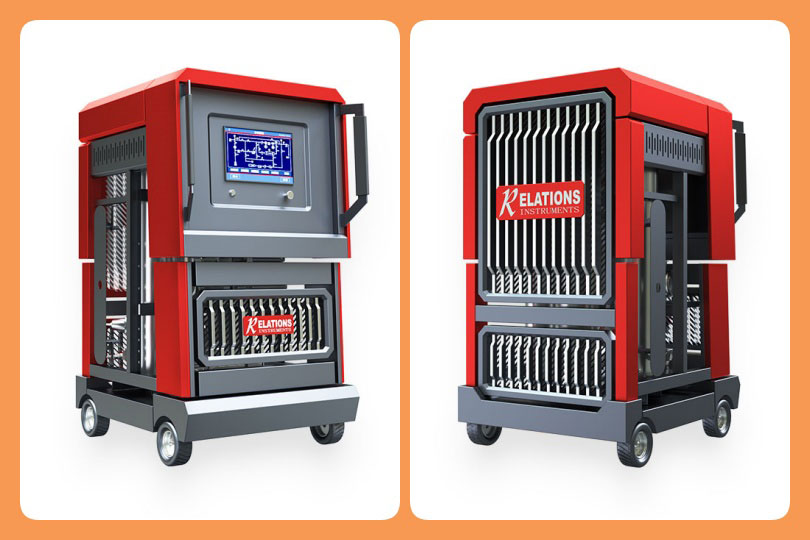
Portable SF6 Measurement and Monitoring Equipment for On-Site Use
Date
2025-12-08
sale@sf6gasdetector.com
Website
www.sf6gasdetector.com
Get Solutions And Quotes
Portable SF6 Measurement and Monitoring Equipment for On-Site Use
Sulfur hexafluoride (SF₆) is essential in high-voltage switchgear—but its extreme global warming potential (23,500× CO₂) demands precise handling. Even small errors in gas purity or moisture can trigger equipment failure, emissions, or regulatory fines.
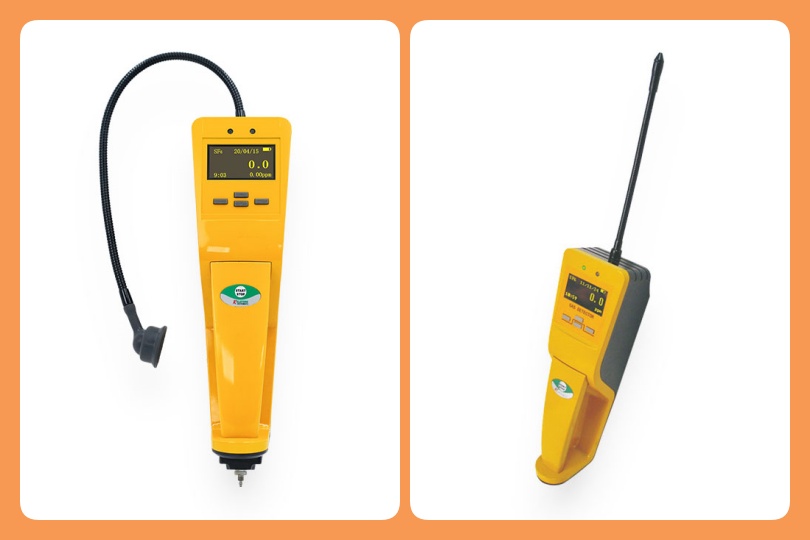
For field teams, lab delays aren’t an option. A portable SF6 measurement and monitoring equipment for on-site use delivers instant, lab-grade analysis of SF₆ quality—right at the substation, breaker, or GIS bay—ensuring safety, compliance, and grid reliability.
Why On-Site SF6 Analysis Is Critical
Fixed systems monitor continuously but can’t support mobile maintenance. In contrast, portable SF6 measurement and monitoring equipment for on-site use enables:
- Immediate verification during commissioning
- Rapid diagnostics after faults
- Compliance with EU F-Gas, U.S. EPA Subpart DD, and GCC grid codes
- Safe validation before gas reuse
With regulations tightening globally, real-time data isn’t just convenient—it’s mandatory.
Essential Measurements for Field Accuracy
A robust portable unit must measure three key parameters:
- SF₆ Purity (%) – Detects air or CF₄ contamination
- Moisture (dew point in °C or ppmv) – High H₂O causes corrosion and insulation failure
- Decomposition Byproducts (SO₂, HF) – Signals internal arcing or overheating
Top-tier devices also feature:
- Automatic pressure & temperature compensation
- Gas density calculation
- GPS-tagged data logging
- Bluetooth/USB export to CMMS (e.g., SAP, Maximo)
Ensure compliance with IEC 60480 and IEC 62271-1, and calibration traceable to NIST or DAkkS.
Key Field Applications
- Commissioning
Confirm SF₆ meets >99.9% purity and dew point <–5°C before energizing new GIS. - Preventive Maintenance
Annual checks catch rising moisture or SO₂—enabling repairs before failure. - Post-Fault Diagnostics
Elevated SO₂ after a trip indicates internal damage; on-site data guides repair urgency. - Gas Reuse Validation
Verify recovered gas meets IEC 60480 limits:- Moisture ≤200 ppmv
- SO₂ ≤0.5 ppmv
- Purity ≥99.9%
- Audit & ESG Reporting
Digital logs provide proof for GRI 305, CSRD, or internal carbon tracking.
Leading Technologies & Trusted Models
Modern portable SF6 measurement and monitoring equipment for on-site use relies on:
- NDIR Sensors: Accurate SF₆ and CF₄ detection
- Capacitive Polymer Sensors: ±2°C dew point precision
- Electrochemical Cells: Sub-ppm SO₂/HF sensitivity
Top choices in 2025:
- DILO 3-033-R023: Industry standard with PAS-based multi-gas analysis
- WIKA GA-21: Touchscreen interface + WIKA Connect cloud integration
- Bacharach Multi-Analyzer: Budget-friendly without sacrificing core functions
Avoid single-parameter testers—they lack the holistic view needed for safe operations.
Best Practices for Reliable Results
- Calibrate annually through accredited labs
- Purge sample lines before each test
- Use stainless steel or PTFE tubing (plastic absorbs moisture)
- Allow thermal stabilization in extreme climates
- Train technicians on proper flow rate and sampling technique
In hot/dusty regions (e.g., Saudi Arabia, India), store units in protective cases when idle.
ROI: From Risk Reduction to Cost Savings
The cost of skipping on-site analysis is high:
- GIS failure during peak load = $500,000+ outage losses
- Non-compliant gas = voided OEM warranties
- F-Gas violations = fines up to €100,000
A 25,000 analyzer pays for itself by:
- Preventing just one major failure
- Enabling safe gas reuse (5,000/year savings per site)
- Accelerating project approvals in regulated markets (e.g., NEOM, EU)
For EPCs and utilities, certified on-site capability is now a tender requirement—not a nice-to-have.
Conclusion: Lab Precision in the Field
A portable SF6 measurement and monitoring equipment for on-site use transforms how teams manage high-voltage assets. It merges accuracy, speed, and compliance into a single handheld solution—turning uncertainty into actionable intelligence.
As grids modernize and climate accountability grows, this tool is no longer optional. It’s the frontline defense for a safer, cleaner, and more reliable energy future.