Portable SF6 Tester with SO₂ and Moisture Detection: Essential for Safe, Compliant HV Maintenance
Date
2025-12-18
sale@sf6gasdetector.com
Website
www.sf6gasdetector.com
Get Solutions And Quotes
Portable SF6 Tester with SO₂ and Moisture Detection: Essential for Safe, Compliant HV Maintenance
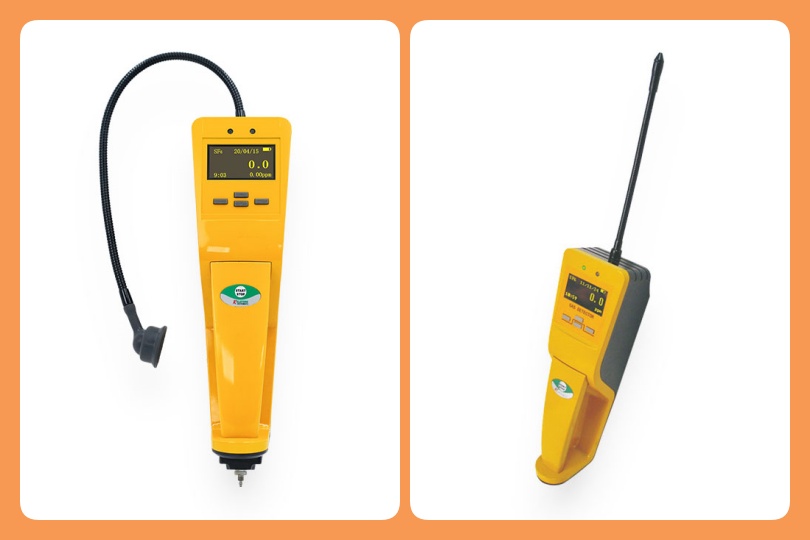
In high-voltage (HV) power systems—where Gas-Insulated Switchgear (GIS) and circuit breakers depend on sulfur hexafluoride (SF₆)—gas purity is non-negotiable. Even trace levels of moisture or decomposition byproducts like sulfur dioxide (SO₂) can trigger corrosion, insulation failure, or catastrophic outages. To safeguard assets and meet environmental regulations, field teams need a reliable portable SF6 tester with SO₂ and moisture detection: a compact, multi-parameter instrument that delivers lab-grade accuracy on-site.
Why SO₂ and Moisture Matter in SF₆ Systems
During electrical arcing, SF₆ breaks down into reactive fragments. When moisture (>200–400 ppmv per IEC 60480) is present, these fragments form SO₂ and hydrofluoric acid (HF)—both highly corrosive. Key risks include:
- Degraded epoxy spacers and metal contacts
- Reduced dielectric strength, increasing flashover risk
- Seal deterioration leading to further contamination
Critically, SO₂ > 2 ppm is a red flag for recent internal arcing—even if pressure readings appear normal. Without real-time detection, contaminated gas may be mistakenly reused, endangering equipment and personnel.
What Defines a Professional Portable SF6 Tester?
A true portable SF6 tester with SO₂ and moisture detection goes beyond basic sniffers. It integrates three core capabilities:
1. Simultaneous Multi-Parameter Measurement
Measures:
- Moisture (1–1,000 ppmv, ±2 ppm accuracy) via capacitive polymer sensors
- SO₂ (0.1–20 ppm, electrochemical or NDIR)
- SF₆ purity (%)
Optional: HF, CO for advanced diagnostics
This triad enables root-cause analysis—not just “is the gas bad?” but “why?”
2. Field-Ready Speed and Accuracy
Delivers results in <5 minutes, eliminating lab delays. Technicians can:
- Approve gas reuse if within IEC 60480 limits
- Initiate purification or replacement if thresholds are exceeded
3. Compliance and Traceability
Features:
- GPS-tagged, timestamped digital logs
- USB/Bluetooth export for EPA, EU F-Gas, or ISO 14064 reporting
- Calibration traceable to NIST or PTB standards
These functions satisfy audit requirements and support ESG disclosures.
Real-World Impact: Prevention Pays
A utility in Thailand used a portable SF6 tester with SO₂ and moisture detection during routine GIS maintenance and found:
- Moisture: 390 ppmv
- SO₂: 2.8 ppm
The team isolated the bay, discovered cracked insulators, and avoided an estimated $180,000 in outage-related losses. Similarly, a European TSO cut SF₆-related failures by 35% after mandating on-site SO₂/moisture testing before every refill.
Best Practices for Reliable Results
Maximize effectiveness by:
- Testing before every gas handling operation
- Scanning at stable temperatures (avoid midday heat convection)
- Using only IEC 62271-4–trained personnel
- Calibrating annually or per manufacturer schedule
- Logging data in CMMS for trend-based maintenance
Proactive testing—not reactive troubleshooting—is the hallmark of world-class asset management.
Conclusion: Precision You Can Trust, Protection You Need
A portable SF6 tester with SO₂ and moisture detection is no longer optional—it’s essential for safety, compliance, and grid resilience. By identifying invisible threats early, it prevents failures, reduces emissions, and upholds engineering integrity.