Quantitative SF6 Leak Analysis for Gas-Insulated Switchgear Leak Testing in UAE
Date
2026-02-09
sale@sf6gasdetector.com
Website
www.sf6gasdetector.com
Get Solutions And Quotes
Quantitative SF6 Leak Analysis for Gas-Insulated Switchgear Leak Testing in UAE
In the rapidly evolving energy landscape of the United Arab Emirates (UAE), the reliability of electrical infrastructure is paramount. As the nation pushes toward its Energy Strategy 2050, the integration of high-voltage Gas-Insulated Switchgear (GIS) has become a cornerstone for urban power distribution and industrial hubs. However, the operational integrity of GIS relies heavily on the containment of Sulfur Hexafluoride (SF6) gas—a potent greenhouse gas with a global warming potential (GWP) approximately 23,500 times that of CO2.
For utility providers in Dubai, Abu Dhabi, and the Northern Emirates, quantitative SF6 leak analysis for Gas-Insulated Switchgear leak testing in UAE is no longer just a maintenance task; it is a critical requirement for operational safety, regulatory compliance, and environmental stewardship.
The Critical Role of SF6 Management in the UAE Power Sector
The UAE’s unique climatic conditions—characterized by extreme ambient temperatures, high humidity in coastal areas, and saline-rich air—place immense stress on electrical assets. In GIS systems, SF6 acts as a superior dielectric medium and arc-quenching agent. Even minor leaks can lead to:
-
Dielectric Failure: A drop in gas density reduces the insulation strength, risking catastrophic internal arcing.
-
Increased Decomposition: Humidity ingress through leak points can react with SF6 to form toxic byproducts like SO2 and H2S.
-
Financial Loss: SF6 is an expensive commodity; frequent refilling adds significant OpEx.
-
Carbon Footprint: Strict international and local environmental protocols demand the minimization of fluorinated gas emissions.
Precision Engineering: The Integrated SF6 Comprehensive Analyzer
To address the challenges of quantitative SF6 leak analysis for Gas-Insulated Switchgear leak testing in UAE, maintenance teams require sophisticated instrumentation that goes beyond simple leak detection. Modern comprehensive analyzers now integrate purity, humidity, and decomposition product testing into a single, portable unit.
-
Multi-Parameter Detection for Holistic Health Assessment A professional-grade SF6 gas analyzer must evaluate the chemical health of the gas. The presence of decomposition products like SO2 and H2S is a primary indicator of internal partial discharge or overheating.
-
SO2 and H2S Detection: Utilizing electrochemical sensors with high precision, these units detect faults long before they result in equipment failure.
-
Purity Analysis: Using thermal conductivity principles, analyzers ensure the SF6 concentration remains above critical thresholds (typically >98%).
-
Advanced Humidity Measurement: Laser vs. Resistive-Capacitive In the UAE’s humid climate, moisture ingress is the enemy of GIS. Modern analyzers offer two primary technologies:
-
Laser (Chilled Mirror/TDLAS): Offers rapid response and high accuracy, ideal for commissioning and high-stakes troubleshooting.
-
Resistive-Capacitive: A robust, cost-effective solution for routine inspections.
-
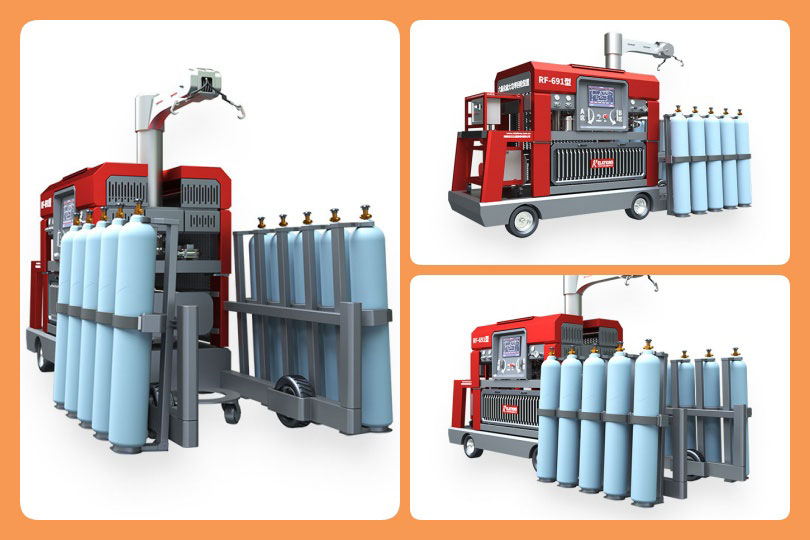
The Goal of Zero Emission Testing Traditional testing often involved venting small amounts of SF6 to the atmosphere. Advanced analyzers now feature Gas Recovery and Re-filling capabilities. By collecting the sampled gas into an external storage container or pumping it back into the chamber, the system achieves zero loss and zero pollution—a vital feature for companies adhering to ISO 14001 standards in the UAE.
Technical Specifications: A Standard for the Middle East Market
When performing quantitative SF6 leak analysis for Gas-Insulated Switchgear leak testing in UAE, the equipment must meet rigorous technical benchmarks to ensure data integrity under harsh conditions.
-
SF6 Purity: Thermal Conductivity principle, 0 to 100% range, +/- 0.5% accuracy.
-
Humidity: Laser or Resistive-Capacitive principle, -60 to +20 degrees Celsius range.
-
SO2 and H2S: Electrochemical principle, 0 to 100 microliters per liter range, +/- 0.5 microliter per liter accuracy for low concentrations.
-
CO: Electrochemical principle, 0 to 500 microliters per liter range.
These specifications ensure that even trace amounts of contaminants are identified, allowing for predictive maintenance rather than reactive repair.
Best Practices for SF6 Leak Testing in the UAE
Implementing a robust protocol for quantitative SF6 leak analysis for Gas-Insulated Switchgear leak testing in UAE involves several strategic steps:
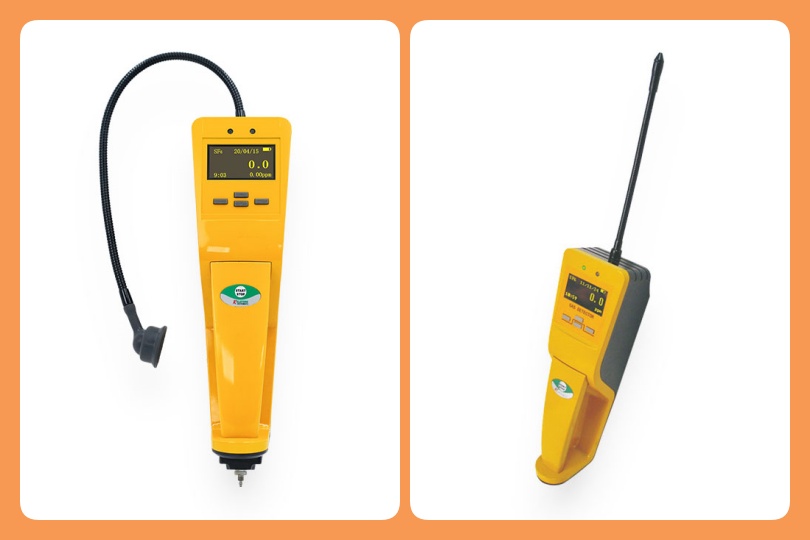
Quantitative Analysis over Qualitative Sniffing While handheld sniffers are useful for finding the general location of a leak, quantitative analysis determines the rate of the leak. By measuring the pressure drop and the concentration of decomposition products over time, engineers can calculate the annual leakage rate and prioritize repairs based on severity.
Expert Diagnosis Systems Modern analyzers come equipped with Expert Diagnosis Systems. These software modules compare field data against international standards (such as IEC 60376). This removes human error and provides an immediate Pass/Fail verdict, which is essential for documentation and insurance compliance in the UAE industrial sector.
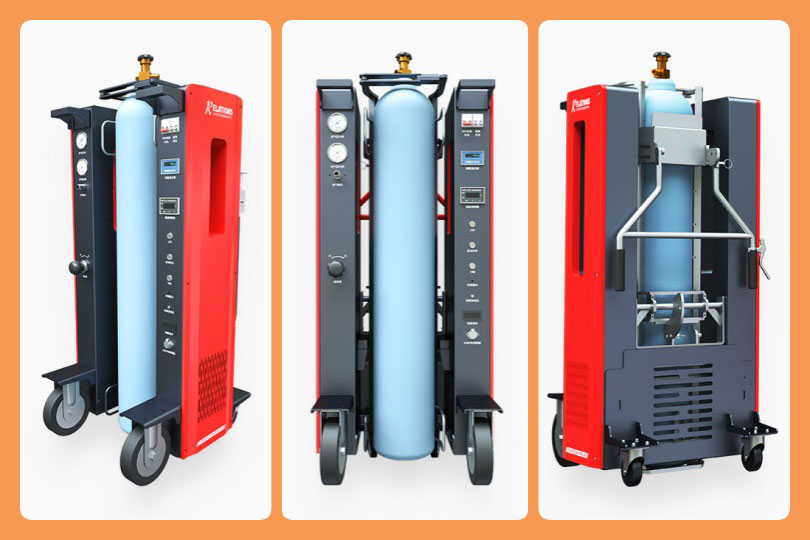
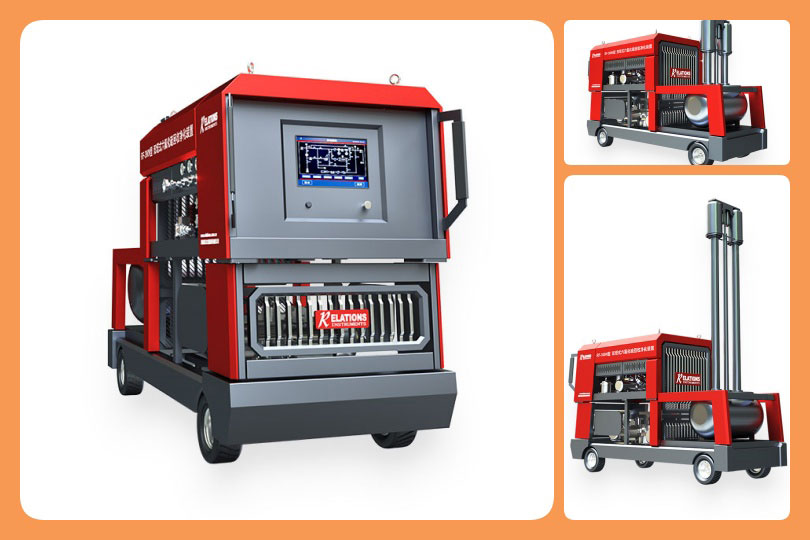
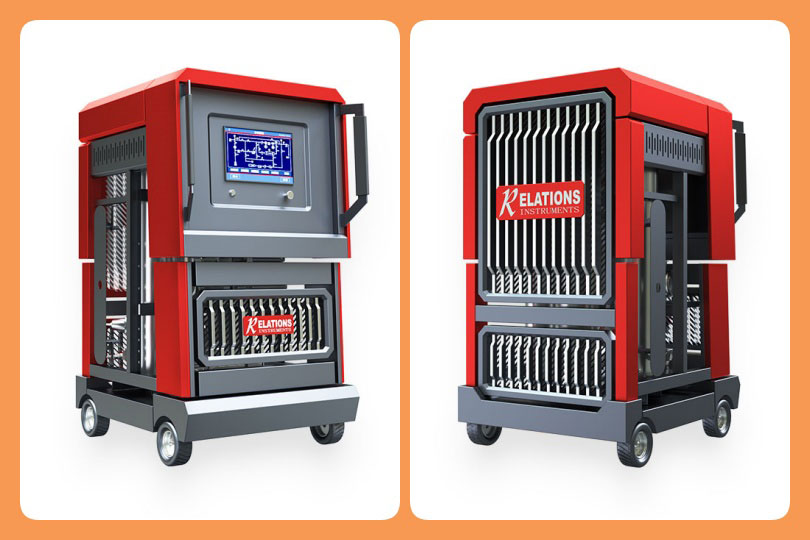
Data Management and Portability Given the scale of power plants and substations in regions like the Jebel Ali Free Zone or Mussafah, portability is key. Equipment with a trolley-case design and large-capacity storage (up to 10,000 records) allows technicians to move efficiently between bays, with all data exportable via USB for centralized asset management.
Environmental and Economic Impact
The UAE’s commitment to sustainability is reflected in the increasing regulation of F-gases. Utilizing an SF6 gas analyzer with a closed-loop recovery system directly supports the nation’s Green Agenda.
-
Carbon Credits: By preventing the release of SF6, utilities can better manage their carbon footprint and potentially participate in emerging carbon credit markets.
-
Asset Longevity: Regular quantitative analysis extends the lifespan of GIS by 10 to 15 years, deferring massive capital expenditures for equipment replacement.
Conclusion: The Future of GIS Maintenance
As the UAE continues to lead the region in smart city initiatives and renewable energy integration, the stability of the underlying grid remains the top priority. Quantitative SF6 leak analysis for Gas-Insulated Switchgear leak testing in UAE represents the gold standard in substation maintenance.
By investing in high-precision, multi-functional SF6 analyzers that offer one-key automation and zero-emission recovery, UAE power providers can ensure their infrastructure is resilient, efficient, and environmentally responsible. The transition from simple detection to comprehensive gas analysis is not just a technical upgrade—it is a commitment to a safer and greener energy future.