Request Quote for SF6 Gas Analyzer: Simplify Substation Maintenance

Date
2026-11-23
[email protected]
Website
www.sf6gasdetector.com
Get Solutions And Quotes
Contact Factory
Request Quote for SF6 Gas Analyzer: Simplify Substation Maintenance
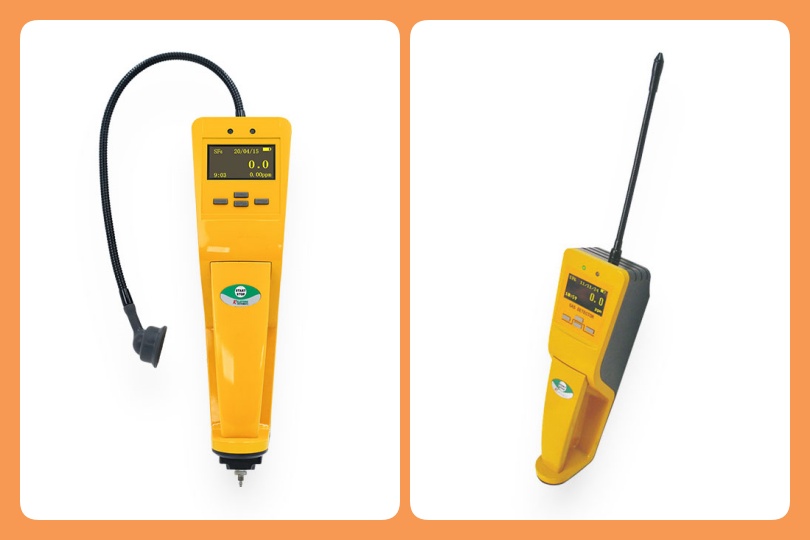
When you request quote for SF6 gas analyzer equipment, the objective is to obtain reliable diagnostic data without compromising personnel safety, gas containment, or maintenance efficiency. For substation maintenance teams, the right analyzer helps assess gas condition in circuit breakers and gas-insulated switchgear (GIS). A useful quotation must therefore define measurement capabilities, sampling requirements, calibration traceability, and lifecycle costs—not simply list an instrument price.
Define the Substation Maintenance Application First
SF6 provides insulation and arc-quenching performance in equipment designed for its use. Moisture ingress, handling contamination, and electrical discharge can affect gas condition. Testing supports maintenance decisions, but results must be interpreted against equipment manufacturer instructions and applicable gas-quality criteria.
Before contacting suppliers, identify the equipment population, rated gas pressures, compartment sizes, connection types, and expected testing frequency. Specify whether the analyzer will support routine inspections, post-filling verification, commissioning, or fault investigations.
For routine substation maintenance, purity and moisture measurements may be priorities. Following suspected internal arcing, decomposition-product testing and additional laboratory analysis may be necessary. A portable analyzer does not establish equipment fitness for service by itself.
Request Quote for SF6 Gas Analyzer: Essential Specifications
A portable SF6 gas analyzer quotation should contain a structured compliance matrix. Ask suppliers to distinguish guaranteed specifications from typical performance and optional capabilities.
| Parameter | Information to request | Operational relevance |
|---|---|---|
| Gas compatibility | Supported gases, mixtures, and calibration basis | Prevents misleading measurements |
| SF6 purity | Range, accuracy, resolution, and measurement principle | Assesses dilution or contamination |
| Moisture | Dew/frost point range, accuracy, pressure basis, and ppmv conversion | Enables consistent comparison |
| Decomposition products | Measured species, detection limits, and cross-sensitivities | Supports condition assessment |
| Sampling conditions | Permissible inlet pressure, flow, and gas consumption | Confirms equipment compatibility |
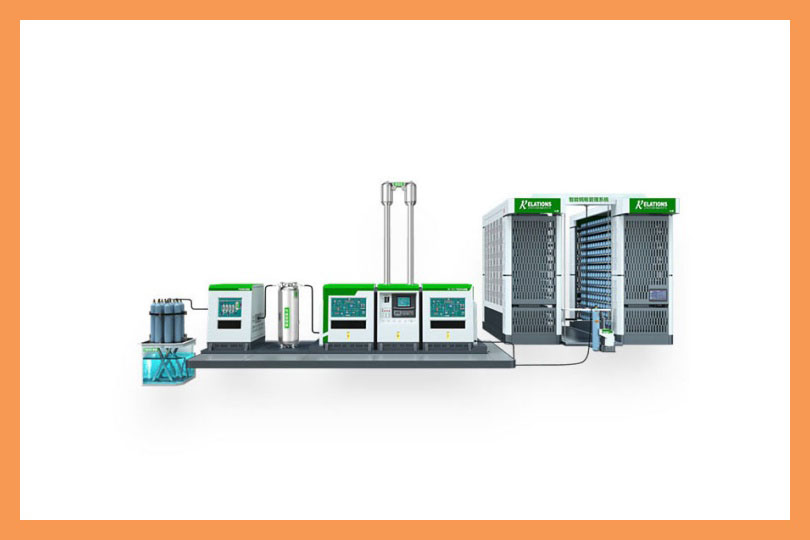
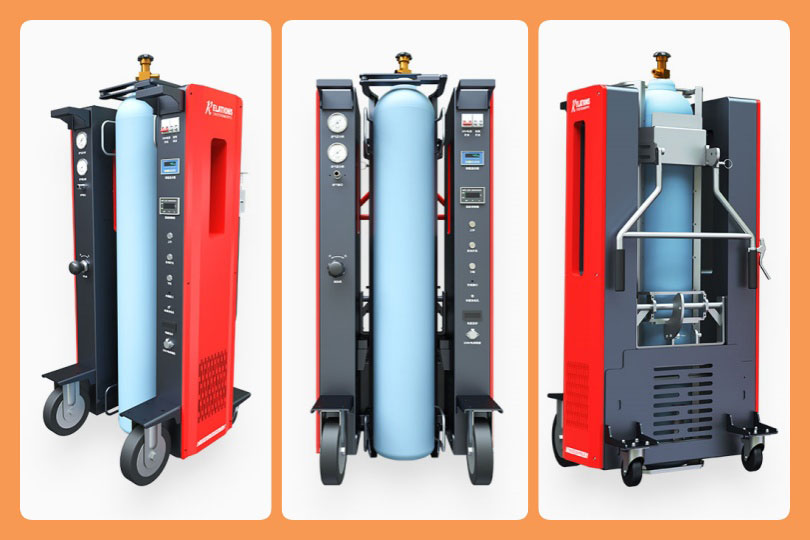
| Gas management | Storage capacity, recovery arrangement, and return-pressure capability | Supports emission control |
| Field suitability | Operating temperature, weight, ingress protection, and battery runtime | Matches site conditions |
| Data handling | Asset identification, timestamps, export formats, and software requirements | Supports traceable records |
Make Moisture Results Comparable
Dew point depends on measurement pressure. Require the supplier to state whether readings represent atmospheric pressure, sensor pressure, or a calculated reference condition. For ppmv reporting, request the conversion method and applicable assumptions.
Sampling hoses, residual moisture, ambient conditions, and stabilization time can influence readings. For dependable substation maintenance, request a documented sampling procedure rather than relying solely on the advertised measurement speed.
Clarify Decomposition-Product Coverage
“Decomposition analysis” does not mean every hazardous compound is measured. Depending on configuration, an analyzer may measure SO2, HF, or other selected species.
Ask about sensor life, replacement costs, cross-interference, and exposure limits that could damage the sensor. Suspected faulted gas requires a site-specific risk assessment, suitable protective measures, and procedures consistent with the equipment manufacturer’s guidance.
Verify Standards, Certifications, and Traceability
When you request quote for SF6 gas analyzer equipment, separate gas-quality standards from instrument certifications. They serve different purposes.
IEC 60376 addresses technical-grade SF6 and complementary gases used in mixtures for electrical equipment. IEC 60480 addresses specifications for the reuse of SF6 and its mixtures in electrical equipment. IEC 62271-4 provides handling procedures for gases used for insulation and/or switching.
These references support substation maintenance procedures; they are not interchangeable product approvals. Ask the supplier to identify applicable editions and explain how its measurement capabilities support the intended assessments.
Request Evidence Behind Compliance Claims
Obtain calibration certificates showing instrument identification, calibration points, uncertainty where applicable, and measurement traceability. Where accredited calibration is required, verify that the laboratory’s ISO/IEC 17025 accreditation scope covers the relevant measurements.
For destination-market compliance, request applicable declarations and supporting documentation. CE marking, where required, is not proof of analytical accuracy. Likewise, an ISO 9001-certified quality system does not independently validate instrument performance.
In the European Union, Regulation (EU) 2024/573 establishes relevant fluorinated greenhouse gas obligations. Applicable requirements depend on the activity, equipment, personnel, and jurisdiction. Procurement should account for current restrictions and local implementation rather than assuming identical rules worldwide.
Match the Analyzer to Real Maintenance Scenarios
Routine Multi-Site Inspections
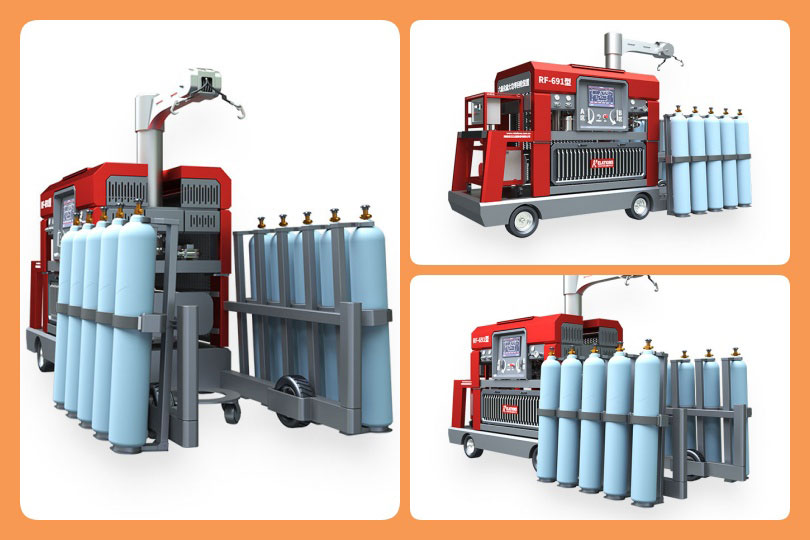
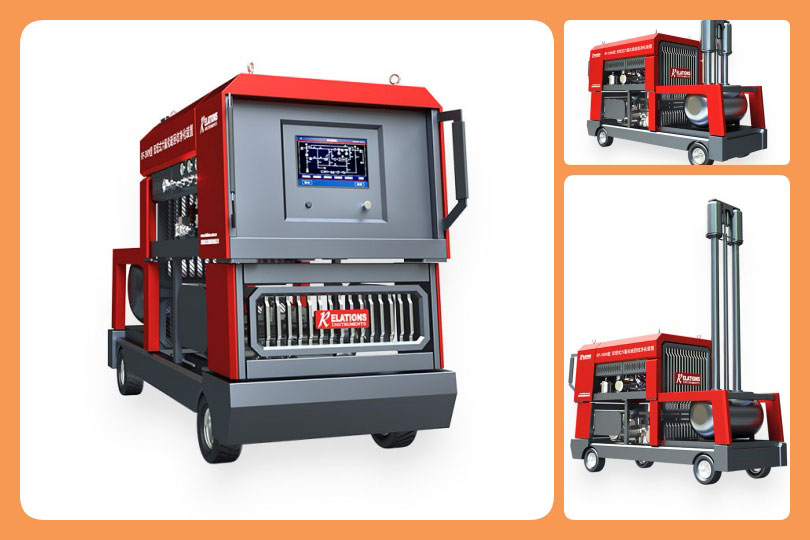
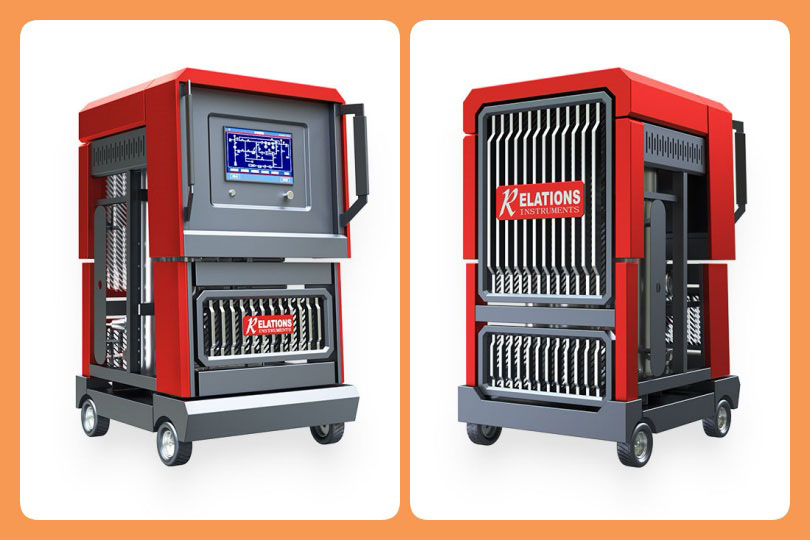
Teams servicing several substations need portability, adequate battery capacity, durable connectors, and consistent digital records. A portable SF6 gas analyzer for substation maintenance should simplify repeatable testing across assets without sacrificing stabilization time or documentation quality.
Small Compartments and Restricted Gas Availability
For small gas volumes, sampling consumption can be consequential. Request consumption per completed test, including purging, and confirm compatibility with an appropriate recovery system. Do not assume that an internal storage bag or vessel automatically provides gas return to the compartment.
Post-Fault Investigations
Prioritize specified decomposition sensors, contamination-resistant sampling arrangements, and service procedures. Substation maintenance after a fault may require laboratory confirmation and specialist handling beyond the analyzer’s capabilities.
Compare Total Cost, Not Just Purchase Price
Include adapters, hoses, recovery accessories, calibration, sensor replacement, training, software, freight, and service turnaround in the comparison. Ask whether loan instruments are available during repair.
A practical procurement instruction is: “Please request quote for SF6 gas analyzer supply against the attached specification, including all accessories required for our sampling and recovery procedure.”
Require a documented acceptance test using suitable references and agreed tolerances before deployment.
Frequently Asked Questions
Can one analyzer test every insulating gas mixture?
No. Compatibility depends on measurement technology and calibration. Confirm support for each gas mixture; SF6 performance specifications do not automatically apply to alternative insulating gases.
How often should calibration be performed?
Follow manufacturer recommendations and the organization’s quality system. Usage intensity, sensor drift, contamination exposure, and verification history should inform the interval.
Are universal pass/fail limits appropriate?
No. Apply relevant gas specifications, equipment manufacturer requirements, and approved maintenance procedures. Record sampling conditions so results remain interpretable.
Build a Defensible Purchasing Decision
Before you request quote for SF6 gas analyzer equipment, align maintenance, safety, environmental, and procurement requirements. A well-defined specification makes supplier comparisons meaningful and supports reliable substation maintenance through traceable measurements, controlled gas handling, and predictable operating costs.