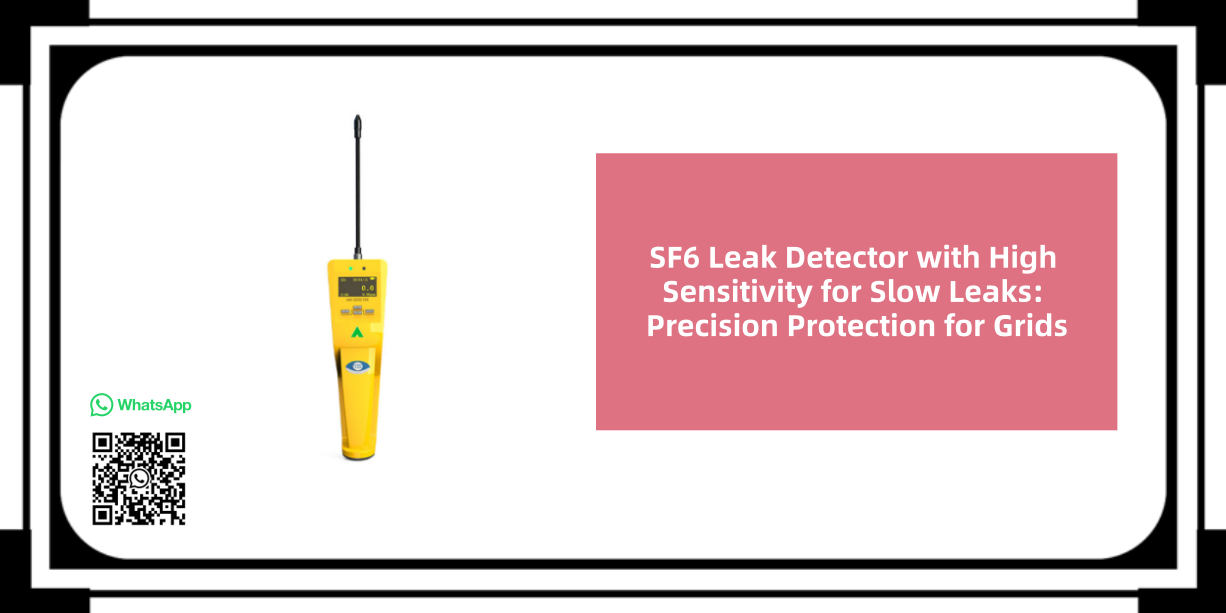
SF6 Leak Detector with High Sensitivity for Slow Leaks: Precision Protection for Grids
Date
2025-12-18
sale@sf6gasdetector.com
Website
www.sf6gasdetector.com
Get Solutions And Quotes
SF6 Leak Detector with High Sensitivity for Slow Leaks: Precision Protection for Grids
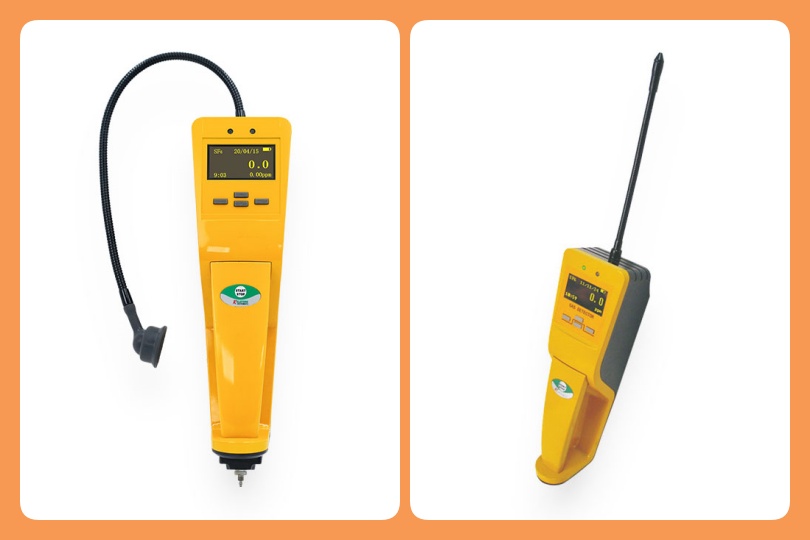
Sulfur hexafluoride (SF₆) is essential in high-voltage electrical systems—but its extreme global warming potential (23,500× CO₂) demands rigorous leak control. Even slow leaks, often invisible and undetectable by standard tools, can accumulate into significant emissions, regulatory violations, and equipment failure. The solution? An SF6 leak detector with high sensitivity for slow leaks—a precision instrument engineered for early detection, compliance, and asset protection.
Why Slow Leaks Demand High-Sensitivity Detection
Slow SF6 leaks—caused by aging seals, micro-cracks, or imperfect joints—release gas at rates as low as 0.01 mL/year. These are:
- Undetectable by pressure gauges (GIS systems mask minor losses)
- Missed by conventional halogen sniffers (typically limited to >1 g/year)
- Regulatorily significant: The EU F-Gas Regulation requires inspections for systems with ≥6 kg SF₆, with allowable leakage rates often below 0.5% per year
Without a sensitive detector, utilities unknowingly violate environmental mandates and waste costly gas—priced at 50/kg.
Advanced Technologies Powering Modern SF6 Leak Detectors
Not all SF6 gas detectors are equal. A true SF6 leak detector with high sensitivity for slow leaks uses one of three proven technologies:
1. Infrared (IR) Absorption
Tuned to SF₆’s unique IR signature (~10.55 µm), IR sensors detect leaks down to 0.01 mL/year with zero cross-sensitivity to other gases.
2. Photoacoustic Spectroscopy (PAS)
Converts absorbed IR light into sound waves for real-time, ppm-level detection—ideal for handheld field use.
3. Tunable Diode Laser (TDLAS)
Offers quantitative leak rate measurement and long-term calibration stability, often used in premium or fixed monitoring systems.
These methods far outperform outdated heated diode or semiconductor sensors, which lack specificity and drift over time.
Real-World Impact: Compliance, Cost, and Reliability
Deploying a high-sensitivity SF6 leak detector for slow leaks delivers measurable ROI:
- Regulatory Compliance: Meets EPA, EU F-Gas, and ISO 14064 requirements with auditable digital logs
- Cost Savings: A single 0.5 g/day leak wastes ~180 g/year—costing 9 annually. Across 100 bays, that’s 900/year lost—plus replenishment labor
- Asset Protection: Prevents moisture ingress that, combined with arcing byproducts, forms corrosive acids degrading internal components
One European TSO reduced its annual SF₆ loss from 1.8% to 0.3% within two years using IR-based detectors—avoiding both fines and unplanned outages.
Best Practices for Maximum Effectiveness
To ensure reliable results:
- Inspect during stable temperatures (early morning/night) to minimize air turbulence
- Scan all potential leak points: flanges, valve stems, weld seams, bushings
- Train only IEC 62271-4–certified personnel
- Log findings digitally for trend analysis and compliance audits
Proactive, scheduled inspections—not reactive checks—are key to long-term success.
Conclusion: Sensitivity Equals Responsibility
In an era of climate accountability and grid resilience, detecting slow SF6 leaks isn’t optional—it’s essential. An SF6 leak detector with high sensitivity for slow leaks combines engineering precision with environmental stewardship, ensuring your operations remain safe, compliant, and sustainable.
For utilities and industrial operators, this tool isn’t just about finding leaks. It’s about upholding standards, protecting assets, and leading with integrity.