What are the safety protocols for SF6 gas handling?
Date
2025-12-02
sale@sf6gasdetector.com
Website
www.sf6gasdetector.com
Get Solutions And Quotes
What are the safety protocols for SF6 gas handling?
Handling SF6 (sulfur hexafluoride) gas requires strict safety protocols due to its properties as a potent greenhouse gas and potential health hazards under certain conditions. While SF6 is non-toxic, non-flammable, and chemically stable under normal conditions, it can decompose into hazardous byproducts during electrical arcing, and it poses asphyxiation and environmental risks.
Below are key safety protocols for SF6 gas handling, aligned with international standards such as IEC 62271-4, IEC 61634, OSHA guidelines, and industry best practices:
1. Personal Protective Equipment (PPE)
- Gloves: Chemical-resistant (e.g., nitrile or neoprene).
- Eye protection: Safety goggles or face shield.
- Respiratory protection: Required if working in confined spaces or if decomposition products (e.g., SOF₂, HF, SO₂) are suspected.
- Protective clothing: Lab coat or coveralls to prevent skin contact with contaminated surfaces.
2. Ventilation & Confined Space Safety
- Always work in well-ventilated areas.
- Never enter confined spaces (e.g., GIS rooms, vaults) without:
- Testing oxygen levels (must be ≥19.5% O₂).
- Using gas detectors for SF6 (heavier than air—can accumulate in low-lying areas and displace oxygen).
- Following confined space entry permits and using supplied-air respirators if needed.
3. Gas Handling & Filling Procedures
- Use dedicated, clean, and labeled SF6 handling equipment (hoses, regulators, filters).
- Never vent SF6 to the atmosphere—recovery and recycling are mandatory (SF6 has a GWP of 23,500× CO₂ over 100 years).
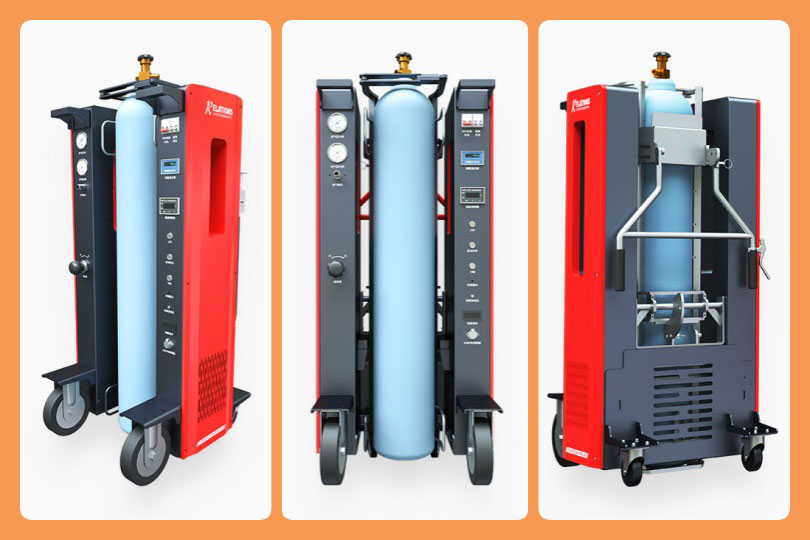
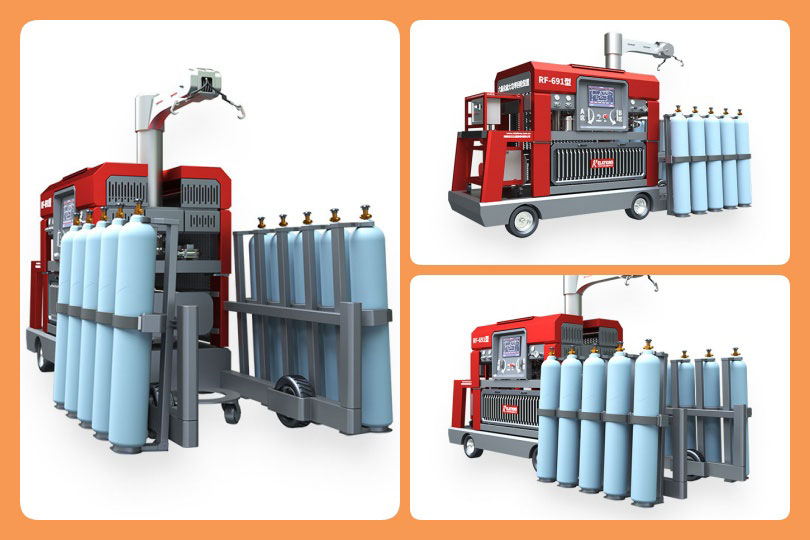
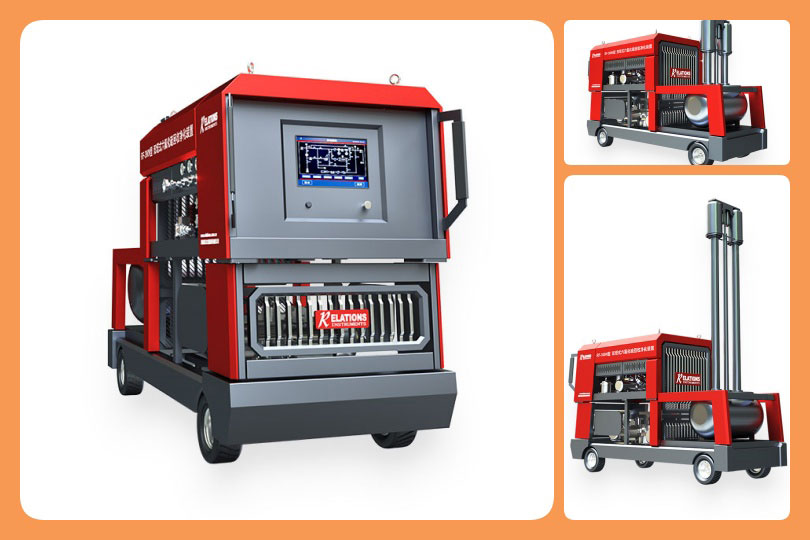
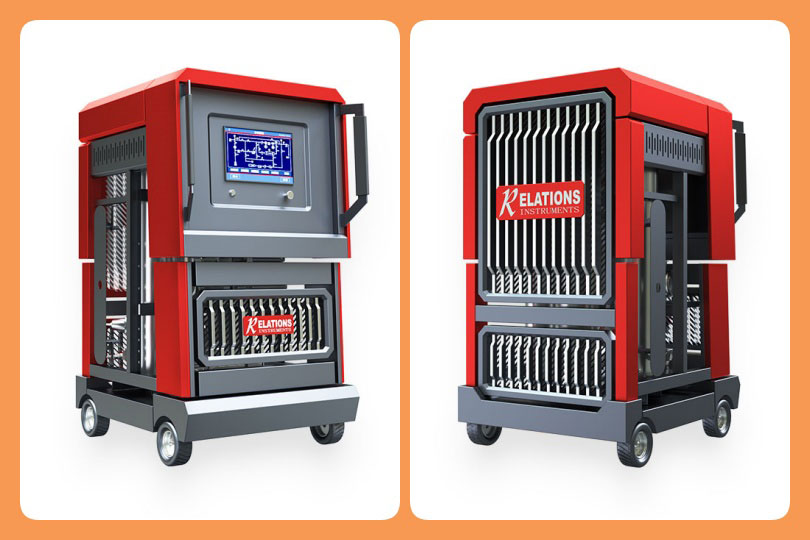
- Use SF6 gas carts with:
- Vacuum pumps
- Filters (for moisture and decomposition products)
- Recovery cylinders
- Ensure system is evacuated before filling to remove air and moisture.
- Monitor filling pressure and temperature; allow stabilization time post-fill.
4. Decomposition Product Hazards
After electrical faults or arcing, SF6 can break down into toxic byproducts like:
- Hydrogen fluoride (HF)
- Sulfur dioxide (SO₂)
- Sulfuryl fluoride (SO₂F₂)
Safety measures:
- Do not open compartments immediately after fault interruption.
- Use gas analyzers to check for toxic decomposition products before entry.
- If contamination is suspected, use full-face respirators with acid gas cartridges or SCBA.
- Clean internal parts with approved absorbents (e.g., alumina) and dispose as hazardous waste.
5. Leak Prevention & Detection
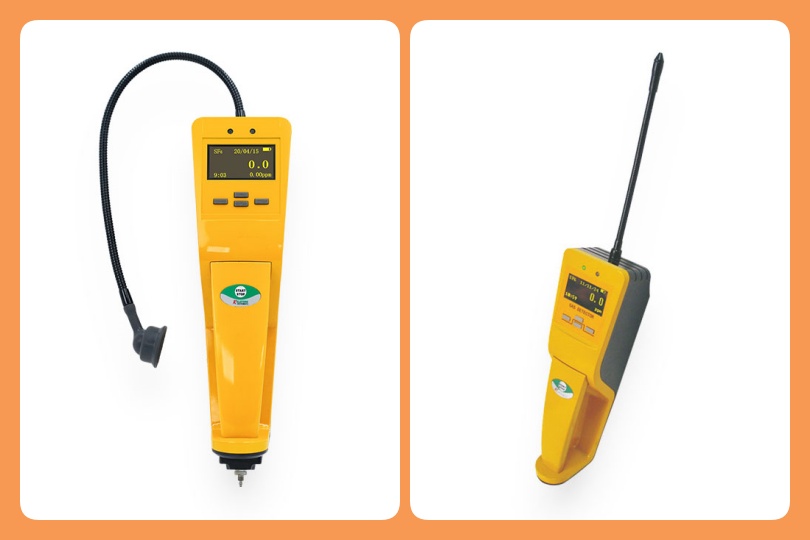
- Perform regular leak checks using:
- Infrared cameras
- Ultrasonic detectors
- Halogen leak detectors
- Maintain leak rates below 0.5% per year (per IEC standards).
- Repair leaks promptly—never ignore hissing sounds or pressure drops.
6. Environmental Compliance
- Never intentionally release SF6—illegal in many jurisdictions (e.g., EU F-Gas Regulation, EPA requirements in the U.S.).
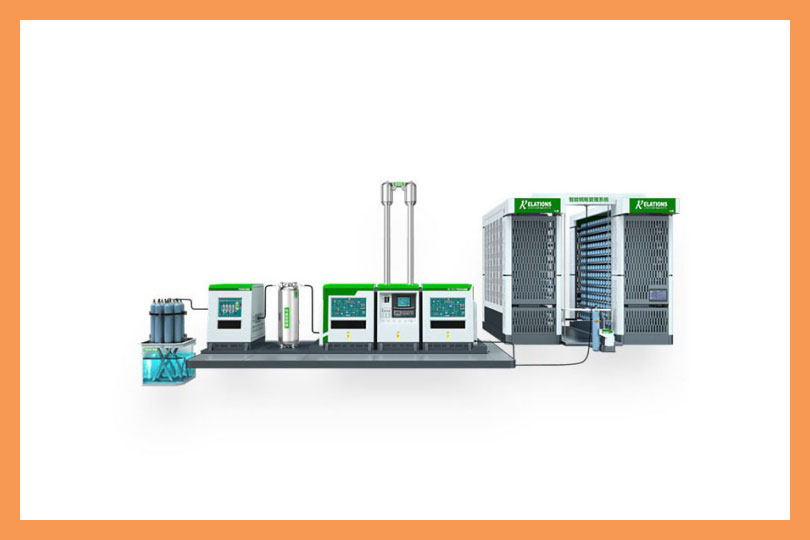
- Use closed-loop recovery systems during maintenance.
- Record all SF6 inventory (filled, recovered, recycled, disposed) for regulatory reporting.
- Recycle gas using IEC 60480-compliant purification before reuse.
7. Training & Documentation
- Only trained and certified personnel should handle SF6.
- Maintain Safety Data Sheets (SDS) on-site.
- Document all SF6 gas handling activities: filling, recovery, testing, and disposal.
Summary Checklist:
✅ Use PPE and gas monitors
✅ Ensure ventilation—watch for oxygen deficiency
✅ Never vent SF6—recover and recycle
✅ Test for toxic byproducts after faults
✅ Follow manufacturer and IEC/OSHA guidelines
✅ Keep detailed logs for compliance
By adhering to these protocols, you protect personnel, equipment, and the environment while ensuring regulatory compliance and operational reliability.