What Are the Step-by-Step SF6 Gas Cylinder Evacuation Procedures to Meet IEC Standards?
Date
2025-09-09
sale@sf6gasdetector.com
Website
www.sf6gasdetector.com
Get Solutions And Quotes
What Are the Step-by-Step SF6 Gas Cylinder Evacuation Procedures to Meet IEC Standards?
Sulfur hexafluoride (SF6) is a critical insulating gas widely used in electrical equipment like transformers and circuit breakers. However, SF6 gas cylinders pose risks—including leakage (which harms the environment, as SF6 is a potent greenhouse gas) and physical hazards if damaged—making proper sf6 gas cylinder evacuation essential for workplaces. This guide breaks down the key steps, safety measures, and compliance standards to ensure smooth, risk-free evacuation.
1. Why SF6 Gas Cylinder Evacuation Is Non-Negotiable
Before diving into procedures, it’s vital to understand why evacuation matters:
- Leak prevention: Damaged or improperly stored SF6 cylinders can leak, contributing to global warming and endangering personnel (SF6 displaces oxygen in confined spaces, causing suffocation).
- Regulatory compliance: Organizations like OSHA (U.S.) and IEC (International Electrotechnical Commission) mandate safe handling of SF6, including evacuation during maintenance, relocation, or emergency situations.
- Equipment protection: Evacuating cylinders away from high-traffic areas or potential hazards (e.g., fires, heavy machinery) prevents cylinder damage and secondary accidents.
2. Preparations for SF6 Gas Cylinder Evacuation
Successful sf6 gas cylinder evacuation starts with pre-evacuation checks. Skip these steps, and you risk delays or safety breaches:
2.1 Assess Cylinder Condition
First, inspect each SF6 cylinder:
- Check for dents, rust, or valve damage (a faulty valve is a top leak risk).
- Verify the cylinder’s pressure gauge—if pressure is abnormal (too high/low), consult a technician before moving.
- Ensure the cylinder is properly labeled (with “SF6,” hazard symbols, and expiry date) to avoid misidentification.
2.2 Gather Tools and Protective Gear
Never start evacuation without the right equipment:
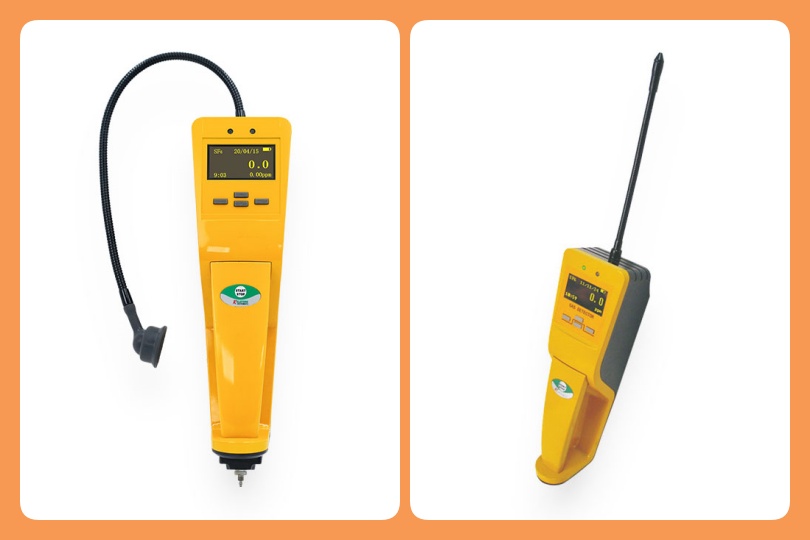
- Gas detectors: Use calibrated SF6 leak detectors to monitor for leaks during handling.
- Protective gear (PPE): Provide workers with nitrile gloves, face shields, and respiratory masks (N95 or higher) to avoid exposure.
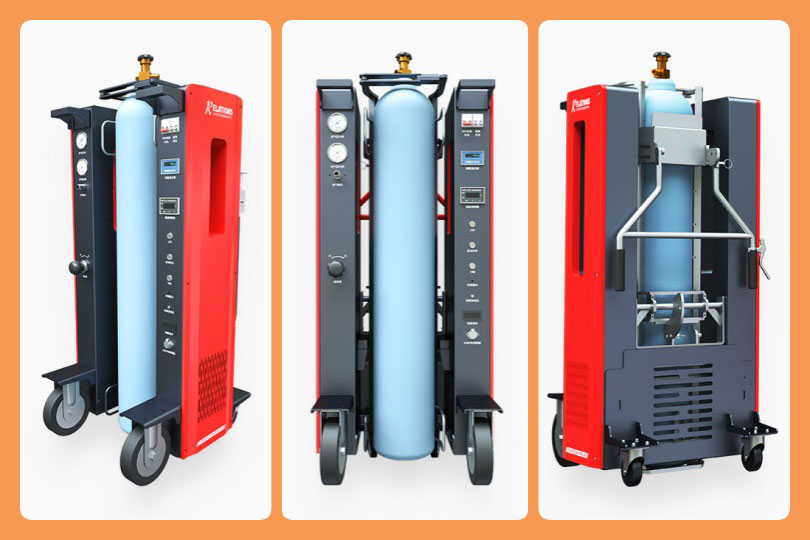
- Specialized handling tools: Use cylinder carts with secure straps (never roll cylinders manually) and lifting equipment for heavy cylinders (most SF6 cylinders weigh 50–100 lbs).
2.3 Map the Evacuation Route
Plan a clear, obstacle-free path:
Avoid narrow corridors, steep ramps, or areas with flammable materials.
Mark the route with signage (e.g., “SF6 Evacuation Path”) and ensure it leads to a designated “safe zone”—a well-ventilated, enclosed area away from workspaces.
Communicate the route to all team members via pre-evacuation briefings.
3. Step-by-Step SF6 Gas Cylinder Evacuation Procedures
Follow these structured steps to ensure compliance and safety:
Step 1: Secure the Evacuation Area
- Clear the route of all personnel (only trained staff should handle evacuation).
- Set up barriers (e.g., caution tape) to prevent unauthorized access.
- Turn off nearby electrical equipment to reduce fire risk (SF6 is non-flammable, but cylinder damage could ignite other materials).
Step 2: Prepare the Cylinder for Movement
- Close the cylinder valve tightly to prevent leaks—use a wrench (not pliers) to avoid valve damage.
- Attach a pressure relief device (if not already installed) to release excess pressure if the cylinder is exposed to heat.
- Secure the cylinder to a cart with straps—ensure it’s upright (tilting can damage the valve).
Step 3: Execute the Evacuation
Have two workers handle the process: one pushes the cart, the other monitors for leaks with a detector.
Move at a steady pace—avoid rushing, which increases the risk of collisions.
If a leak is detected mid-evacuation: Stop immediately, move to a safe distance, and use a leak-sealing kit (approved for SF6) to patch small leaks. For large leaks, evacuate the area and call a professional.
Step 4: Secure the Cylinder in the Safe Zone
- Place the cylinder on a flat, non-combustible surface (e.g., concrete).
- Keep it at least 10 feet away from heat sources, electrical panels, or open flames.
- Recheck for leaks with the detector and log the evacuation (date, time, cylinder ID, and condition) for compliance records.
4. Critical Safety Tips for SF6 Gas Cylinder Evacuation
Even with proper procedures, mistakes can happen. Avoid common risks with these tips:
- Never carry cylinders by the valve: This can break the valve and cause a sudden leak.
- Train personnel regularly: Only workers trained in SF6 handling should perform evacuation—annual refresher courses ensure they know updated standards.
- Have an emergency plan: If a cylinder falls or ruptures, evacuate all personnel, ventilate the area (use exhaust fans), and contact local hazardous materials (hazmat) teams.
5. Compliance Standards to Follow
To avoid penalties, align evacuation practices with global standards:
- OSHA: Requires PPE, leak monitoring, and proper storage (29 CFR 1910.119).
- IEC 60480: Mandates recycling or safe disposal of SF6, including evacuation before cylinder disposal.
- Local regulations: Check regional rules (e.g., EU’s F-Gas Regulation) for additional requirements, such as reporting large leaks.
SF6 gas cylinder evacuation is not just a safety task—it’s a regulatory and environmental responsibility. By following pre-evacuation checks, structured procedures, and safety guidelines, organizations can protect personnel, reduce environmental impact, and stay compliant. Remember: Regular training and equipment maintenance are key to making evacuation a seamless process. If you’re unsure about any step, consult a certified SF6 handling professional to avoid risks.