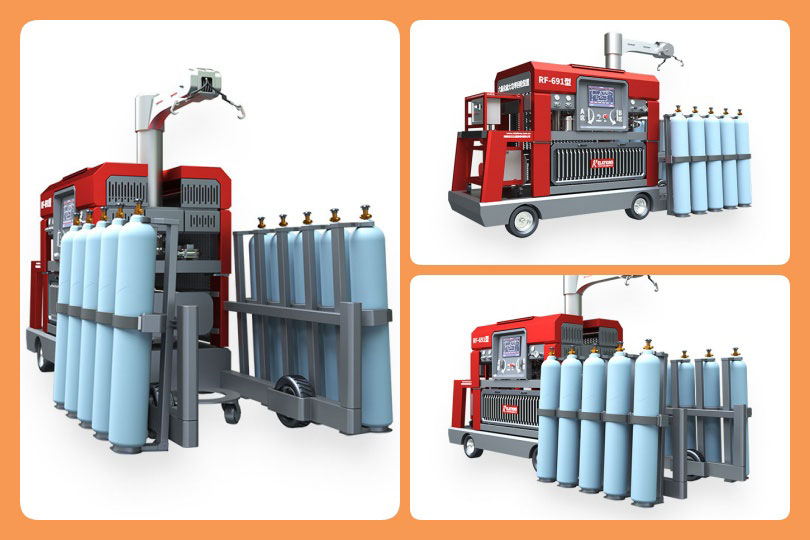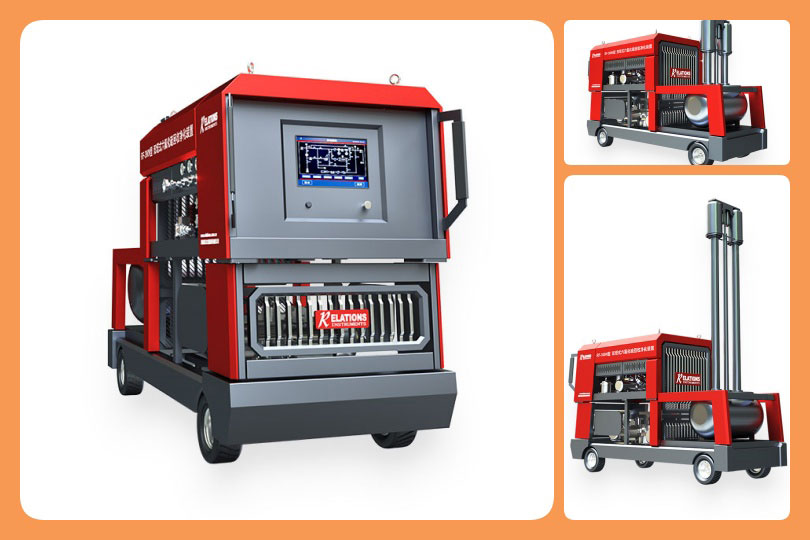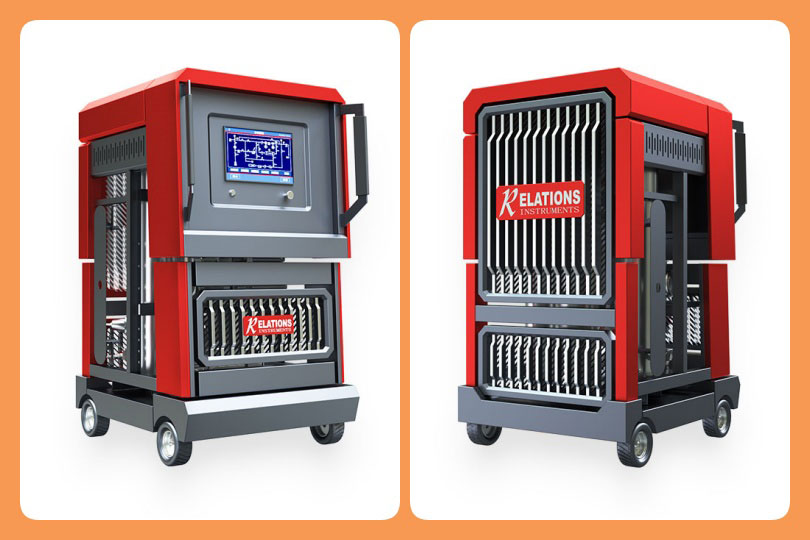
What is the Best Cost-Effective SF6 Leak Detection for 1500V Solar Inverters
Date
2026-05-06
[email protected]
Website
www.sf6gasdetector.com
Get Solutions And Quotes
Contact Factory
What is the Best Cost-Effective SF6 Leak Detection for 1500V Solar Inverters
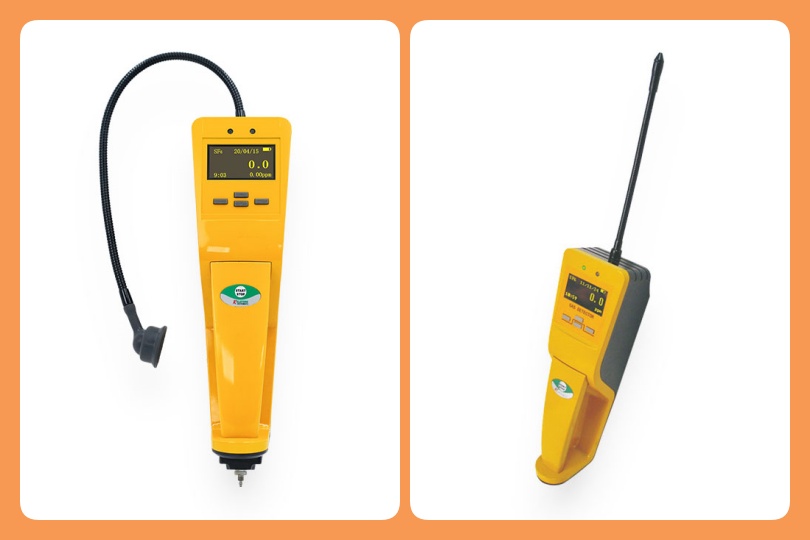
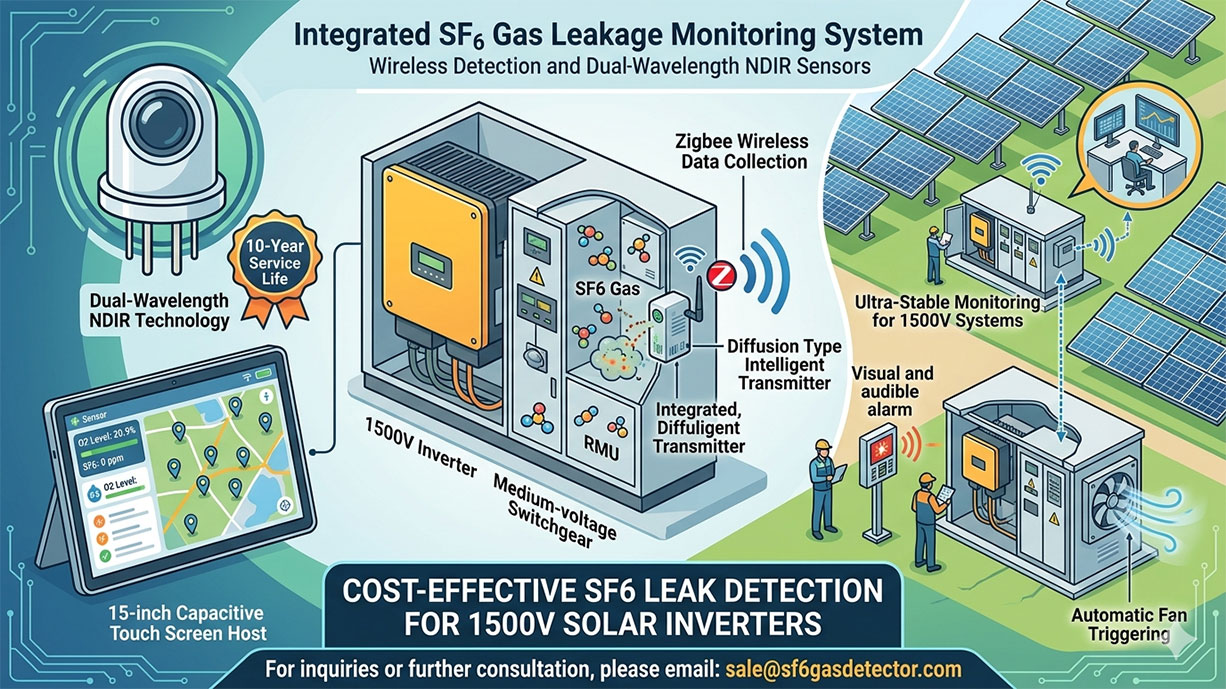
The best cost-effective SF6 leak detection for 1500V solar inverters is an integrated monitoring system utilizing NDIR (Non-Dispersive Infrared) technology coupled with Zigbee wireless connectivity. This solution provides the highest ROI by combining a 10-year sensor lifespan with significantly lower installation costs compared to traditional wired systems. By choosing a system that monitors both SF6 concentrations and oxygen levels, solar plant operators can ensure 1500V DC system reliability, environmental compliance, and personnel safety without the high overhead of frequent sensor replacements.
Why 1500V Solar Inverters Require Dedicated SF6 Monitoring
As utility-scale PV plants migrate toward 1500V DC architectures, the power density within inverter containers and medium-voltage skid stations has increased. To manage this high voltage in compact spaces, switchgear and Ring Main Units (RMUs) rely heavily on Sulfur Hexafluoride (SF6) for its superior insulation properties.
However, maintaining cost-effective SF6 leak detection for 1500V solar inverters is critical because even a minor leak can lead to internal arcing, equipment downtime, and heavy environmental fines under global F-gas regulations.
Core Advantages of NDIR-Based SF6 Monitoring
To achieve true cost-effective SF6 leak detection for 1500V solar inverters, the technology used must be durable. Our system offers:
-
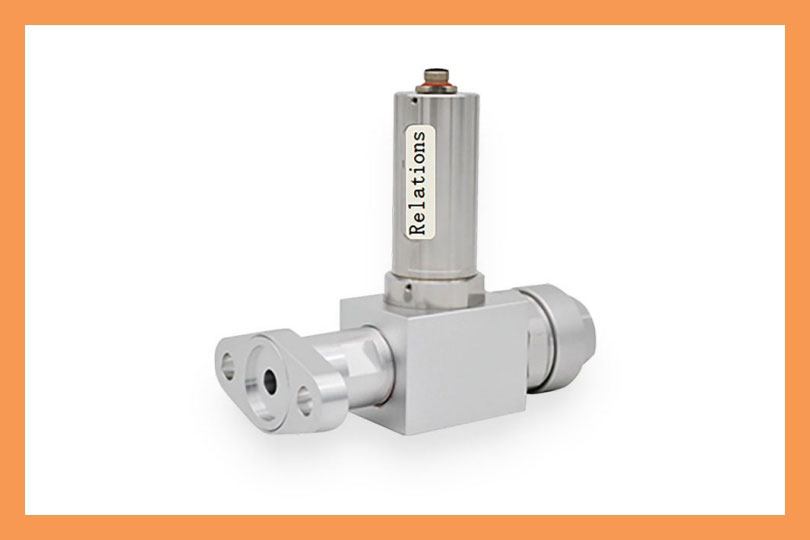
Long-Term Stability: Using dual-wavelength NDIR technology ensures the sensors do not drift, providing accurate data for over a decade.
-
Reduced Installation Capex: Utilizing Zigbee wireless SF6 sensors eliminates the need for expensive RS485 cabling across large solar farm layouts.
-
Safety Compliance: Simultaneous monitoring of oxygen (O2) depletion ensures that maintenance teams are protected from the asphyxiation risks associated with SF6 leaks in confined inverter rooms.
Technical Specifications for Utility-Scale Applications
| Feature | Industrial Grade Specification |
| Main Keyword Focus | Cost-effective SF6 leak detection for 1500V solar inverters |
| Detection Principle | Infrared NDIR (Dual-wavelength) |
| Long-tail Coverage | Wireless SF6 monitoring for utility-scale PV |
| SF6 Range | 0 to 1500 ppm (Resolution: 1ppm) |
| Operating Temp | -40°C to +70°C (Ideal for desert solar sites) |
| Data Interface | RS485 / Zigbee / 4-20mA |
Comprehensive Usage Scenarios and Applications
Beyond standard monitoring, this system is optimized for several specialized solar environments:
-
Remote Solar Substation Maintenance: Automated alerts reduce the need for manual on-site inspections.
-
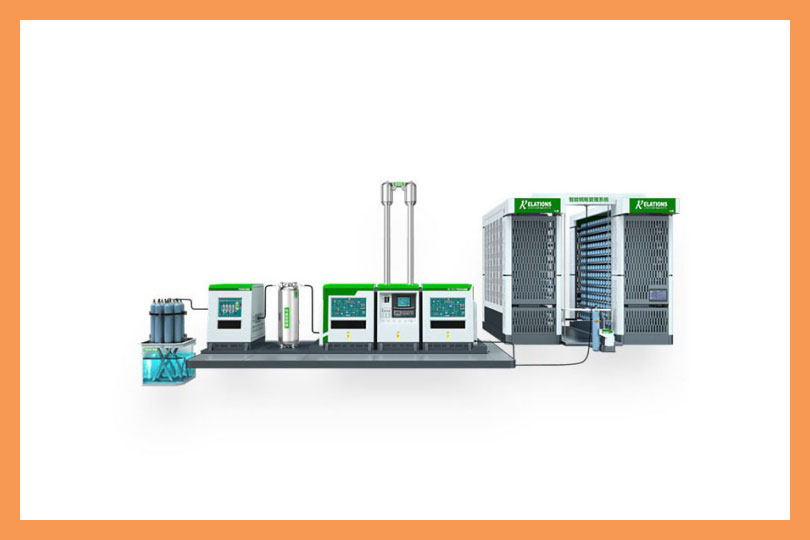
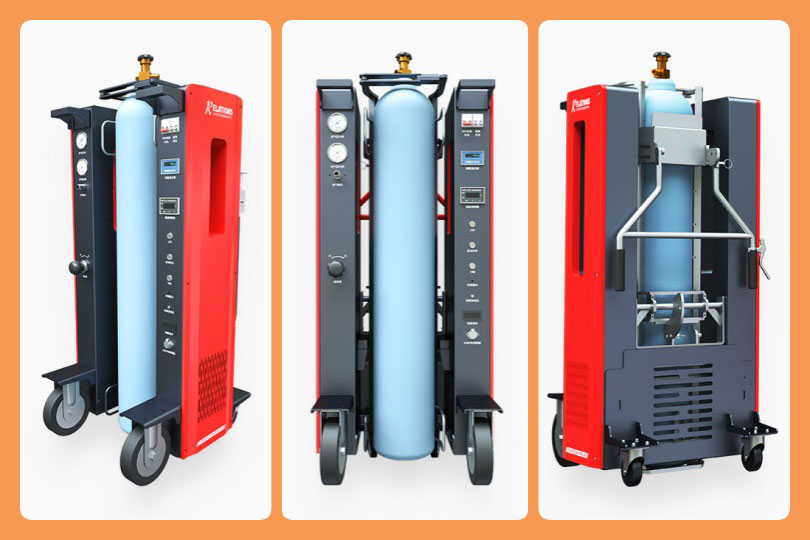
Emission-Free Gas Handling: Integrated with recovery systems to support “zero-emission” green energy goals.
-
HVDC Transformer Protection: Providing SF6 gas density monitoring for solar switchgear to prevent insulation failure.
Purchasing Guide: Optimizing Your Investment
When evaluating cost-effective SF6 leak detection for 1500V solar inverters, prioritize the “Total Cost of Ownership” over the initial purchase price. Systems using electrochemical sensors may be cheaper upfront but often require replacement every 2 years. Our NDIR solution offers a low-maintenance SF6 detection path that pays for itself through reduced calibration requirements and extreme longevity.
For a detailed project quotation or to discuss your specific site layout, please
Frequently Asked Questions (FAQ)
Q: Is wireless SF6 detection reliable for 1500V solar sites?
A: Yes, our Zigbee-based wireless SF6 leak detectors are designed with industrial-grade anti-interference protocols, ensuring stable data transmission even in high-EMC environments like 1500V inverter stations.
Q: How does this system help with environmental audits?
A: By providing continuous data logging, the system helps plant managers document leak-free operations, which is essential for modern ESG reporting and carbon footprint tracking.
Q: Can this detect leaks in 1500V DC string inverters?
A: While most string inverters are sealed units, the medium-voltage switchgear they connect to frequently uses SF6. Our system is the ideal SF6 safety solution for solar energy storage and inverters.
For professional technical support regarding cost-effective SF6 leak detection for 1500V solar inverters, don’t hesitate to reach out. Our team provides customized layouts for global utility projects.
Contact Information:
-
Technical Support:
[email protected]