Como descartar com segurança o gás SF6 contaminado ou decomposto
Data
28/07/2026
[email protected]
Site
www.sf6gasdetector.com
Obtenha soluções e orçamentos.
Contacte a fábrica
Como descartar com segurança o gás SF6 contaminado ou decomposto
O hexafluoreto de enxofre (SF6) é amplamente utilizado como gás isolante e extintor de arco em equipamentos elétricos de alta tensão, incluindo subestações isoladas a gás (GIS), disjuntores, transformadores e linhas de transmissão isoladas a gás. No entanto, quando exposto a arcos elétricos, umidade, entrada de ar ou condições de envelhecimento do equipamento, o SF6 pode se contaminar ou se decompor, formando subprodutos tóxicos e corrosivos. Saber como descartar com segurança o gás SF6 contaminado ou decomposto é essencial para proteger o pessoal, manter a confiabilidade dos equipamentos e cumprir as normas internacionais de segurança ambiental e industrial.
O SF6 também é um potente gás de efeito estufa com um altíssimo potencial de aquecimento global, portanto, a ventilação inadequada não é aceitável segundo as normas ambientais atuais. O manuseio seguro requer um processo controlado que inclui testes de gás, recuperação, filtragem, armazenamento temporário, tratamento, reciclagem ou destruição autorizada.
Por que o gás SF6 contaminado ou decomposto requer manuseio especial?
O SF6 puro é quimicamente estável, não inflamável e não tóxico em condições normais. O risco aumenta quando o gás se decompõe por descarga elétrica ou se mistura com contaminantes como ar, vapor de água, vapor de óleo ou partículas sólidas. Em equipamentos de alta tensão, falhas internas e operações de chaveamento podem produzir subprodutos perigosos.
Os produtos comuns da decomposição do SF6 podem incluir fluoretos de enxofre, fluoreto de tionila, fluoreto de sulfurila, fluoreto de hidrogênio e fluoretos metálicos. Alguns desses compostos são tóxicos, ácidos e corrosivos, especialmente na presença de umidade. Eles podem danificar componentes internos de equipamentos e representar riscos de inalação ou contato com a pele para o pessoal de manutenção.
Por esse motivo, o processo de descarte seguro do gás SF6 contaminado ou decomposto deve seguir as melhores práticas reconhecidas, incluindo as normas da IEC, as regulamentações ambientais locais, os controles de exposição ocupacional e os procedimentos de manutenção do fabricante.
Principais vantagens de um processo profissional de descarte de gás SF6
Um processo padronizado de descarte de gás SF6 oferece múltiplos benefícios operacionais e ambientais para concessionárias de serviços públicos, subestações, sistemas ferroviários, usinas de energia e instalações industriais.
Conformidade Ambiental
A recuperação e o tratamento do SF6 previnem a liberação direta na atmosfera e contribuem para o cumprimento de regulamentações ambientais, como as normas da UE sobre gases fluorados, os requisitos de relatórios de gases de efeito estufa da EPA e os programas regionais de redução de emissões.
Segurança do pessoal
A utilização de equipamentos de recuperação selados, analisadores de gases, sistemas de filtragem e procedimentos de proteção reduz a exposição dos trabalhadores a subprodutos tóxicos da decomposição.
Proteção de Equipamentos
Uma análise precisa do gás ajuda a determinar se ele pode ser purificado e reutilizado ou se deve ser enviado para destruição. Isso evita que gás contaminado retorne a instalações sensíveis de alta tensão.
Otimização de custos
Sempre que tecnicamente possível, a regeneração e a reciclagem do SF6 podem reduzir o custo de aquisição de novo gás, ao mesmo tempo que diminuem as despesas com o descarte de resíduos.
Documentação rastreável
O descarte profissional inclui rotulagem, registros de qualidade do gás, rastreamento de cilindros, documentos de transferência de resíduos e certificados de tratamento final, que são essenciais para auditorias e inspeções de conformidade.
Parâmetros-chave para avaliação do gás SF6 contaminado
Antes do descarte ou reciclagem, o gás SF6 deve ser testado com instrumentos calibrados. Os seguintes parâmetros são comumente avaliados durante a inspeção no local e o manuseio do gás.
| Parâmetro | Propósito típico | Indicação de risco |
|---|---|---|
| Pureza do SF6 | Determina a concentração de gás utilizável | A baixa pureza pode indicar contaminação do ar ou de outros gases. |
| Teor de umidade | Mede o nível de vapor de água | A alta umidade acelera a corrosão e a formação de subprodutos. |
| concentração de SO2 | Indica decomposição por arco voltaico | Níveis elevados de SO2 sugerem descarga interna ou atividade de falha. |
| Acidez relacionada ao HF | Detecta compostos ácidos corrosivos | A alta acidez exige manuseio de segurança rigoroso. |
| Conteúdo de ar | Identifica vazamentos ou enchimento inadequado. | O excesso de ar reduz o desempenho do isolamento. |
| Conteúdo de CF4 | Indica decomposição elétrica a longo prazo | Níveis elevados podem afetar a qualidade do gás. |
| Contaminação por partículas | Verifica resíduos sólidos ou fluoretos metálicos. | Pode indicar deterioração interna do equipamento. |
| Pressão e temperatura do gás | Garante a recuperação e o armazenamento seguros. | Valores anormais podem afetar a precisão do manuseio. |
Esses parâmetros ajudam a determinar se o gás SF6 contaminado pode ser filtrado, regenerado, reutilizado ou transportado para uma instalação de tratamento autorizada.
Método passo a passo para o descarte seguro de gás SF6 contaminado ou decomposto.
1. Realize uma avaliação de riscos antes do manuseio de gás.
Antes de abrir qualquer equipamento preenchido com SF6, os técnicos devem revisar o histórico de manutenção, os registros de falhas, as tendências de pressão do gás e os resultados de testes de gás anteriores. Se houver suspeita de arco voltaico interno ou falha, o gás deve ser tratado como decomposto e perigoso até que se prove o contrário.
As áreas de trabalho devem ser ventiladas, placas de advertência devem ser afixadas e somente pessoal treinado deve realizar a operação. Os operadores devem usar equipamentos de proteção individual adequados, incluindo luvas resistentes a produtos químicos, proteção ocular, vestuário de proteção e proteção respiratória, quando a avaliação de riscos assim o exigir.
2. Teste o gás com equipamento de análise de SF6 calibrado
A análise de gás deve ser realizada antes da recuperação, sempre que possível. Um analisador de gás SF6 profissional pode medir pureza, umidade, SO2 e outros indicadores importantes. Esses dados auxiliam na tomada de decisões seguras e previnem a contaminação cruzada dos cilindros de recuperação ou dos carrinhos de gás.
Instalações que necessitem de suporte especializado podem solicitar uma consulta técnica gratuita entrando em contato com [email protected] Para orientações sobre testes de gás SF6, planejamento de recuperação e classificação de gases contaminados.
3. Recuperar o gás utilizando um sistema de circuito fechado
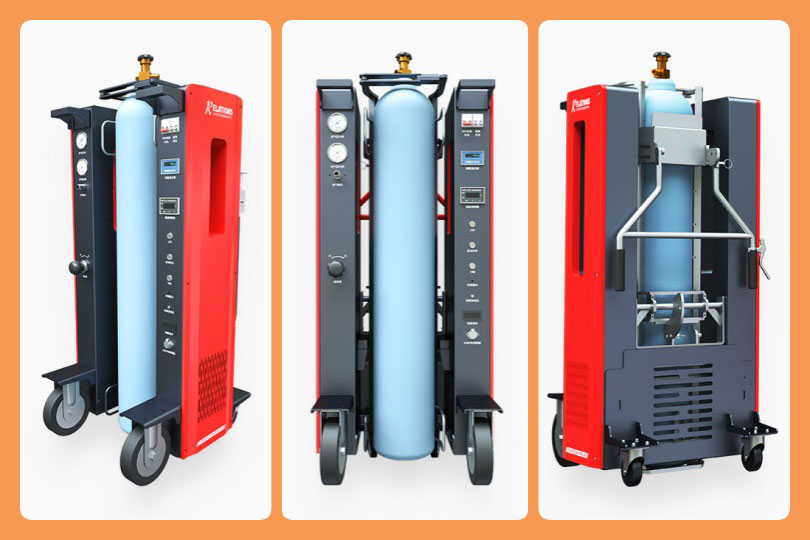
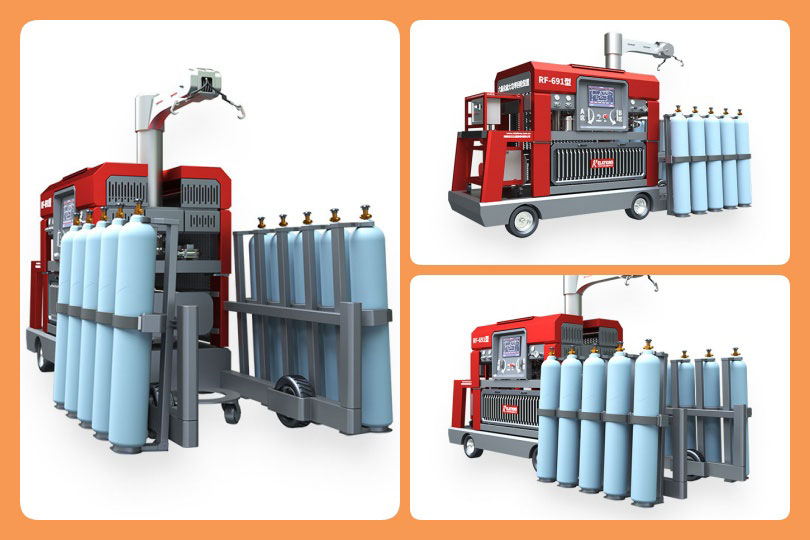
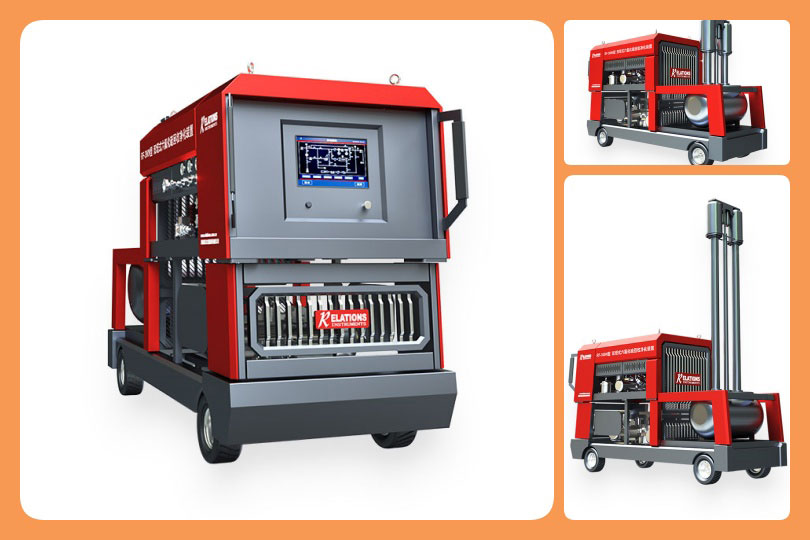
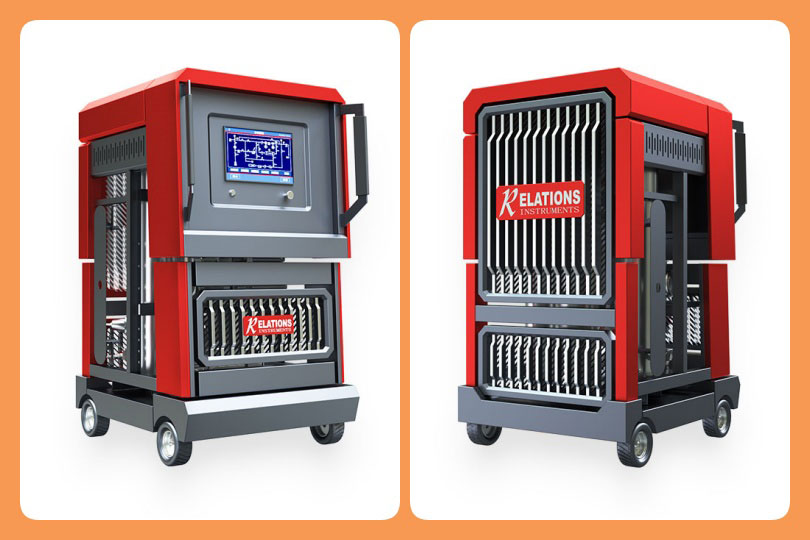
O gás SF6 contaminado ou decomposto nunca deve ser liberado na atmosfera. Ele deve ser recuperado utilizando um carrinho ou unidade de recuperação de gás SF6 de circuito fechado, projetado para equipamentos elétricos de alta tensão.
O sistema de recuperação deve incluir capacidade de vácuo, compressão isenta de óleo (quando aplicável), filtragem de partículas, remoção de umidade e mangueiras de transferência seguras com conexões compatíveis. Todas as conexões devem ser verificadas quanto a vazamentos antes e durante a operação.
4. Separe o gás reutilizável do gás residual.
Após a recuperação, o gás deve ser armazenado em cilindros ou tanques aprovados. Com base nos resultados dos testes, o gás pode ser classificado como:
- Reutilizável após filtração e secagem.
- Recuperável por meio de purificação avançada
- Resíduos não recicláveis que necessitam de destruição.
- Gás contaminado perigoso que requer transporte e tratamento especiais.
Essa classificação deve seguir as normas locais aplicáveis e os critérios de aceitação das instalações de reciclagem ou destruição de gás.
5. Neutralizar e gerenciar resíduos de decomposição
Quando ocorre a decomposição do SF6, resíduos sólidos e pulverulentos podem permanecer dentro dos compartimentos dos equipamentos de manobra. Esses resíduos podem conter compostos ácidos e tóxicos. Devem ser coletados utilizando métodos industriais aprovados, e não dispersos no ar com gás comprimido.
Os agentes neutralizantes, os recipientes de resíduos selados e as ferramentas de limpeza compatíveis devem ser utilizados de acordo com as instruções do fabricante do equipamento e as recomendações da ficha de dados de segurança. Os resíduos devem ser etiquetados e transferidos para empresas licenciadas para o manuseio de resíduos perigosos, quando necessário.
6. Transporte de cilindros de gás de acordo com os regulamentos.
O SF6 contaminado recuperado deve ser armazenado e transportado em cilindros certificados e adequados para o serviço de gases comprimidos. Os cilindros devem ser claramente etiquetados, mantidos na posição vertical, protegidos do calor e acompanhados de documentação que descreva a condição do gás e a classificação de risco.
O transporte deve cumprir as normas aplicáveis relativas a mercadorias perigosas, que podem incluir ADR, DOT, IMDG ou outros requisitos nacionais e regionais, dependendo da localização e da rota de transporte.
7. Recicle, recupere ou destrua o gás.
Se a qualidade do gás puder ser restaurada, o SF6 pode ser regenerado utilizando sistemas de purificação que removem umidade, ar, acidez, partículas e produtos de decomposição. O SF6 recuperado deve atender a padrões de qualidade definidos antes de ser reutilizado em equipamentos elétricos.
Caso o gás não possa ser recuperado, ele deverá ser enviado a uma instalação autorizada para destruição segura, geralmente por meio de tratamento térmico em alta temperatura ou outras tecnologias aprovadas capazes de lidar com compostos fluorados e subprodutos ácidos.
Equipamentos recomendados para operações seguras de descarte de SF6
A seleção do equipamento correto é essencial ao planejar o descarte seguro de gás SF6 contaminado ou decomposto. As seguintes categorias de produtos são comumente utilizadas por equipes de manutenção e prestadores de serviços.
| Tipo de equipamento | Função principal | Principais fatores de seleção |
|---|---|---|
| analisador de gás SF6 | Mede os indicadores de pureza, umidade, SO2 e decomposição. | Precisão, alcance do sensor, suporte para calibração, portabilidade |
| Unidade de recuperação de SF6 | Extrai gás de equipamentos para cilindros de armazenamento. | Velocidade de recuperação, nível de vácuo final, capacidade de filtragem |
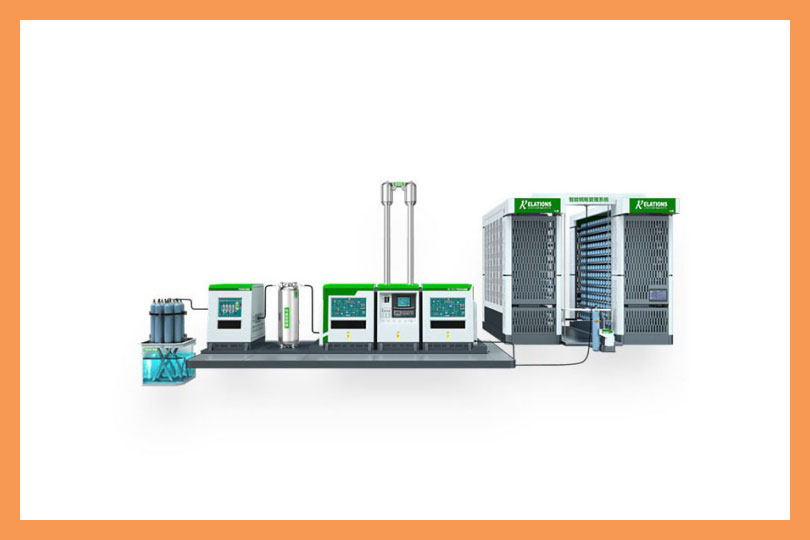
| Sistema de purificação de gás | Remove contaminantes do SF6 recuperável | Remoção de umidade, filtração ácida, filtração de partículas |
| Sistema de bomba de vácuo | Esvazia o equipamento antes de reabastecê-lo. | Vácuo máximo, gerenciamento de óleo, compatibilidade |
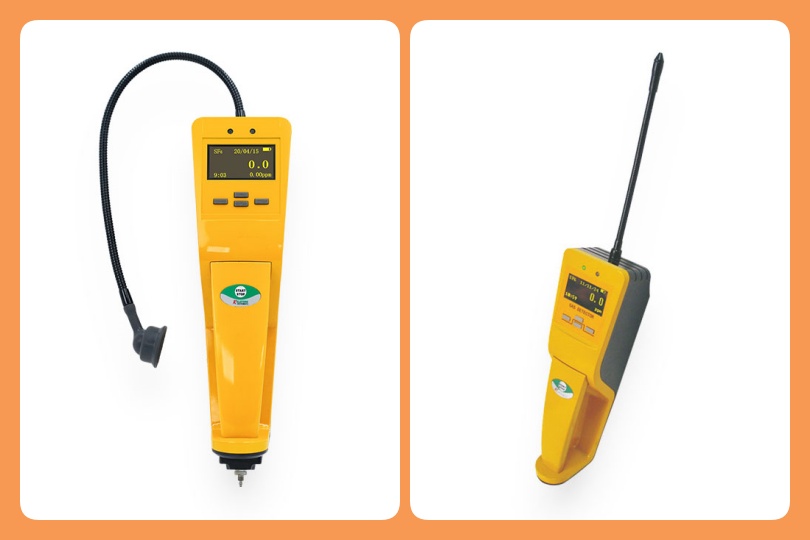
| detector de vazamentos | Identifica pontos de vazamento de SF6 | Sensibilidade, tempo de resposta, usabilidade em campo |
| Cilindros de armazenamento | Armazena gás contaminado ou purificado recuperado | Certificação, classificação de pressão, compatibilidade de válvulas |
| EPIs e kits de segurança | Protege os funcionários contra subprodutos perigosos. | Resistência química, proteção respiratória, controle de derramamentos |
Para soluções personalizadas de descarte e recuperação de SF6 no local, o suporte de engenharia está disponível através de [email protected], incluindo a seleção de equipamentos e recomendações de processos para subestações, usinas de energia e instalações industriais.
Principais cenários de aplicação
Manutenção de subestações de alta tensão
Serviços públicos frequentemente Recuperar SF6 durante inspeção GIS programada, revisão do disjuntor ou reparo de vazamentos. Se forem detectados indicadores de decomposição, o gás deve ser tratado como contaminado e processado por meio de procedimentos seguros de recuperação e tratamento.
Resposta a falhas internas ou falhas de arco
Após uma falha elétrica grave, o SF6 pode conter altas concentrações de subprodutos tóxicos. As equipes de manutenção de emergência devem priorizar a ventilação, a análise de gases, a recuperação em circuito fechado e o gerenciamento de resíduos.
Desativação de equipamentos
Quando equipamentos antigos isolados com SF6 são desativados, todo o gás restante deve ser recuperado, analisado, documentado e reutilizado ou destruído. Isso evita emissões descontroladas e garante a conformidade com os procedimentos de desativação de ativos.
Programas de Gestão da Qualidade do Gás
Grandes empresas operadoras costumam implementar monitoramento rotineiro de gases para reduzir emissões, prolongar a vida útil dos equipamentos e garantir que o SF6 contaminado seja identificado antes que cause falhas operacionais.
Guia de Compra de Equipamentos para Descarte e Teste de Gás SF6
Ao adquirir equipamentos para o descarte seguro de gás SF6 contaminado ou decomposto, os compradores devem avaliar tanto o desempenho técnico quanto o suporte de serviço a longo prazo.
Precisão e faixa de medição
Escolha analisadores capazes de detectar produtos de decomposição em baixos níveis e medir a umidade com precisão em todas as condições operacionais relevantes.
Conformidade com os padrões da indústria
Os equipamentos devem ser compatíveis com práticas alinhadas às normas IEC 60480 para o manuseio de SF6 usado, IEC 60376 para a qualidade do SF6 novo e aos requisitos aplicáveis de segurança elétrica e ambientais.
Capacidade de recuperação em circuito fechado
Os sistemas de recuperação devem minimizar as emissões durante a conexão, extração, filtragem e transferência do cilindro.
Portabilidade e durabilidade em campo
O trabalho em subestações frequentemente exige equipamentos compactos, robustos e fáceis de operar, adequados para ambientes externos.
Calibração e suporte pós-venda
Calibração confiável, peças de reposição, treinamento técnico e suporte de documentação são essenciais para a confiabilidade das medições a longo prazo.
Personalização de acordo com as condições do local
Diferentes instalações podem exigir carrinhos móveis de recuperação, monitoramento fixo de gás, purificação de alta capacidade ou gerenciamento especializado de cilindros. Para orientação personalizada de um engenheiro, entre em contato. [email protected] Para discutir os requisitos específicos do projeto.
Perguntas frequentes
O gás SF6 contaminado pode ser reutilizado?
Sim, alguns gases SF6 contaminados podem ser reutilizados após purificação e testes adequados. No entanto, gases com excesso de produtos de decomposição, alta acidez ou contaminação severa podem exigir destruição por uma instalação autorizada.
É legal liberar gás SF6 durante a manutenção?
Na maioria dos mercados regulamentados, a liberação intencional de SF6 é proibida ou fortemente restrita, pois o SF6 é um gás de efeito estufa de alto impacto. A recuperação em circuito fechado é a prática aceita pela indústria.
Qual é o maior risco de segurança associado à decomposição do SF6?
Os principais riscos são os subprodutos tóxicos e corrosivos da decomposição, especialmente na presença de umidade. Esses compostos podem causar danos ao pessoal e aos equipamentos se não forem devidamente controlados.
Como posso saber se o SF6 está decomposto?
É necessária a análise de gases. Níveis elevados de SO2, umidade, acidez ou composição gasosa incomum podem indicar decomposição ou contaminação.
Quem deve manusear o gás SF6 decomposto?
Somente pessoal treinado, utilizando sistemas adequados de recuperação de SF6, analisadores de gás, EPIs e procedimentos de segurança documentados, deve manusear o SF6 decomposto.
Considerações finais
Para o descarte seguro de gás SF6 contaminado ou decomposto, as organizações devem combinar análises precisas de gás, recuperação em circuito fechado, filtragem adequada, armazenamento em conformidade com as normas e reciclagem ou destruição autorizadas. Uma abordagem profissional reduz o impacto ambiental, protege os trabalhadores, preserva a confiabilidade dos equipamentos elétricos e garante a conformidade com as regulamentações. Para concessionárias de serviços públicos e operadores industriais, investir nos equipamentos certos de detecção, recuperação e purificação de SF6 não é apenas uma exigência de segurança, mas também uma estratégia prática de gestão de ativos a longo prazo.