ช่วงเวลาการบำรุงรักษาที่แนะนำสำหรับเบรกเกอร์วงจร SF6: หลีกเลี่ยงการละเลยการบำรุงรักษา
วันที่
28 กรกฎาคม 2026
อีเมล
[email protected]
เว็บไซต์
www.sf6gasdetector.com
รับคำแนะนำและใบเสนอราคา
ติดต่อโรงงาน
ช่วงเวลาการบำรุงรักษาที่แนะนำสำหรับเบรกเกอร์วงจร SF6: หลีกเลี่ยงการละเลยการบำรุงรักษา
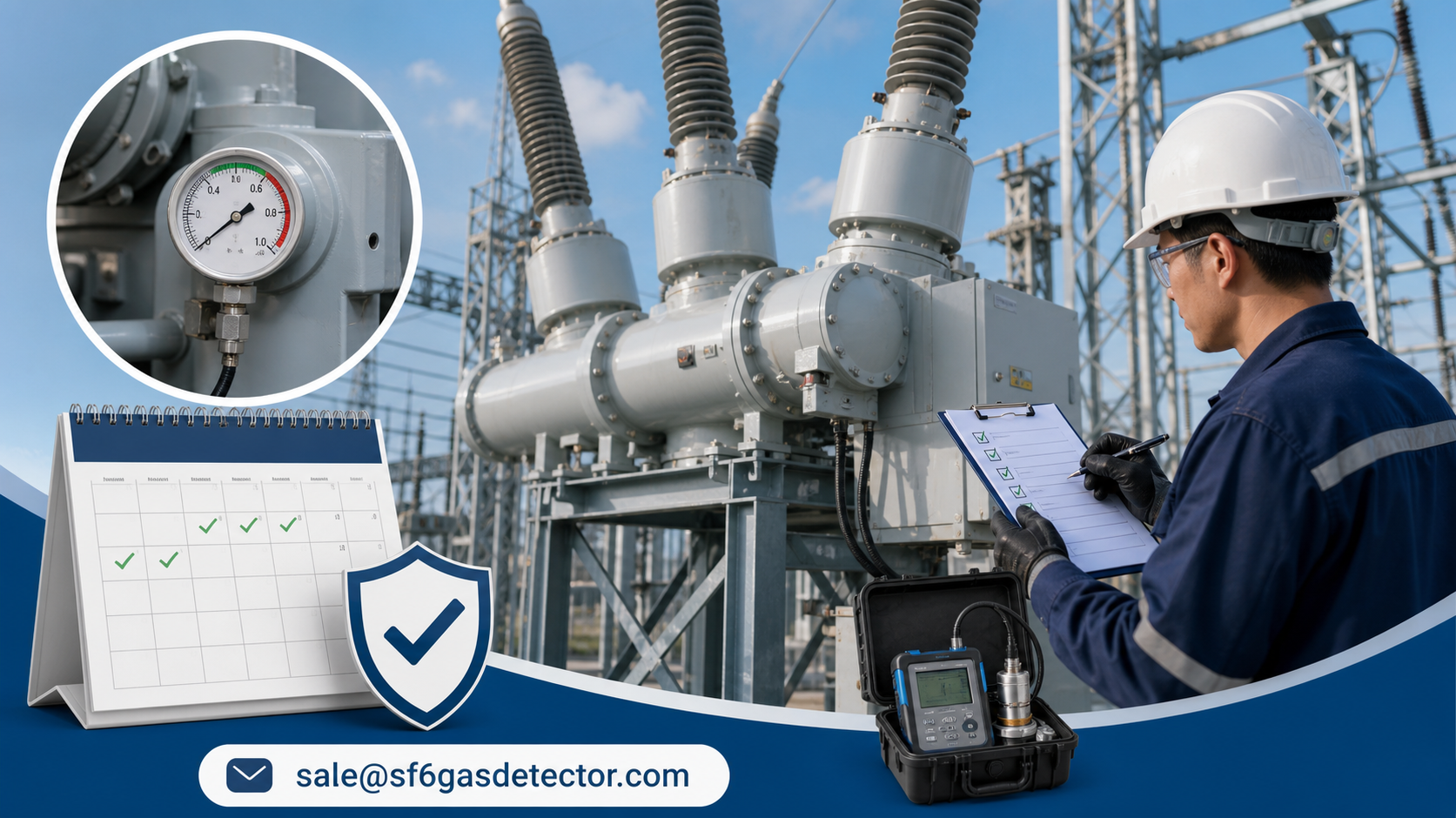
เบรกเกอร์วงจร SF6 เป็นอุปกรณ์สำคัญในระบบไฟฟ้าแรงดันปานกลางและแรงดันสูง ทำหน้าที่ตัดกระแสไฟฟ้าลัดวงจรได้อย่างน่าเชื่อถือในสถานีไฟฟ้าย่อย โรงไฟฟ้า โรงงานอุตสาหกรรม ระบบราง และเครือข่ายส่งไฟฟ้า ระยะเวลาการบำรุงรักษาที่แนะนำสำหรับเบรกเกอร์วงจร SF6 ขึ้นอยู่กับระดับแรงดันของอุปกรณ์ สภาพแวดล้อมการทำงาน ความถี่ในการสวิตช์ คำแนะนำของผู้ผลิต สภาพของก๊าซ และข้อกำหนดทางกฎหมาย ในการใช้งานทางอุตสาหกรรมส่วนใหญ่ ควรทำการตรวจสอบอย่างเป็นระบบเป็นประจำทุกปี โดยปกติแล้วจะมีการบำรุงรักษาอย่างละเอียดมากขึ้นทุก 3 ถึง 5 ปี หรือเร็วกว่านั้นหากตรวจพบสัญญาณเตือน ค่าก๊าซผิดปกติ การรั่วไหล หรือจำนวนการทำงานสูง
แผนการบำรุงรักษาเบรกเกอร์วงจร SF6 ที่ออกแบบมาอย่างดีจะช่วยเพิ่มความน่าเชื่อถือในการปฏิบัติงาน ลดการหยุดทำงานโดยไม่คาดคิด ยืดอายุการใช้งานของอุปกรณ์ และสนับสนุนการปฏิบัติตามมาตรฐานด้านสิ่งแวดล้อมและความปลอดภัยที่เกี่ยวข้องกับการจัดการก๊าซซัลเฟอร์เฮกซาฟลูออไรด์
เหตุใดช่วงเวลาการบำรุงรักษาจึงมีความสำคัญสำหรับเบรกเกอร์วงจร SF6
ก๊าซ SF6 มีคุณสมบัติเป็นฉนวนไฟฟ้าที่ดีเยี่ยมและดับประกายไฟได้ดี แต่ประสิทธิภาพการทำงานขึ้นอยู่กับความบริสุทธิ์ของก๊าซ ความดัน ปริมาณความชื้น และสภาพทางกลของเบรกเกอร์ เมื่อเวลาผ่านไป ชิ้นส่วนซีลอาจเสื่อมสภาพ กลไกการทำงานอาจต้องการการหล่อลื่นหรือการปรับแต่ง และคุณภาพของก๊าซอาจเสื่อมลงเนื่องจากการปนเปื้อนหรือผลิตภัณฑ์จากการสลายตัวหลังจากการสลับการทำงาน
การปฏิบัติตามช่วงเวลาการบำรุงรักษาที่แนะนำสำหรับเบรกเกอร์วงจร SF6 ช่วยให้ผู้ปฏิบัติงานสามารถตรวจพบสัญญาณเริ่มต้นของการรั่วไหล การแทรกซึมของความชื้น การสึกหรอของหน้าสัมผัส และการเสื่อมสภาพทางกล ก่อนที่จะลุกลามกลายเป็นความเสียหายร้ายแรง สิ่งนี้มีความสำคัญอย่างยิ่งสำหรับหน่วยงานสาธารณูปโภคและผู้ใช้ในภาคอุตสาหกรรม เนื่องจากความเสียหายของเบรกเกอร์อาจนำไปสู่การหยุดการผลิต ความไม่เสถียรของระบบไฟฟ้า ความเสี่ยงด้านความปลอดภัย และการซ่อมแซมฉุกเฉินที่มีค่าใช้จ่ายสูง
ช่วงเวลาการบำรุงรักษาที่แนะนำโดยทั่วไปสำหรับเบรกเกอร์วงจร SF6
รอบการบำรุงรักษาที่แน่นอนควรปฏิบัติตามคู่มือของผู้ผลิตอุปกรณ์ดั้งเดิมและการประเมินความเสี่ยงเฉพาะพื้นที่เสมอ อย่างไรก็ตาม ตารางต่อไปนี้เป็นข้อมูลอ้างอิงเชิงปฏิบัติที่ใช้ในสภาพแวดล้อมทางอุตสาหกรรมและสาธารณูปโภคหลายแห่ง
| ประเภทบริการ | ช่วงเวลาที่แนะนำ | วัตถุประสงค์ทั่วไป |
|---|---|---|
| การตรวจสอบด้วยสายตา | รายเดือนถึงรายไตรมาส | ตรวจสอบสภาพทางกายภาพ ตัวบ่งชี้แรงดันแก๊ส การกัดกร่อน เสียงผิดปกติ และการสัมผัสกับสิ่งแวดล้อม |
| การตรวจสอบการทำงานและการใช้งาน | ทุกปี | ตรวจสอบการทำงานของกลไก วงจรตัด/ต่อวงจร สัญญาณเตือน ตัวนับ และระบบเสริมต่างๆ |
| การทดสอบคุณภาพก๊าซ SF6 | ทุกๆ 1 ถึง 3 ปี | วัดความบริสุทธิ์ ความชื้น ผลิตภัณฑ์จากการสลายตัว และความดันก๊าซ |
| การตรวจสอบการตรวจจับการรั่วไหล | ปีละครั้งหรือหลังเติมแก๊ส | ตรวจสอบการรั่วไหลของหน้าแปลน วาล์ว ปะเก็น และช่องต่างๆ |
| การบำรุงรักษาเชิงป้องกันโดยละเอียด | ทุกๆ 3 ถึง 5 ปี | ตรวจสอบกลไก หน้าสัมผัส ซีล ตัวตรวจสอบความหนาแน่น และระบบควบคุม |
| การปรับปรุงครั้งใหญ่ | ทุกๆ 10 ถึง 15 ปี หรือตามที่ผู้ผลิตกำหนด | เปลี่ยนชิ้นส่วนที่เสื่อมสภาพ ปรับปรุงกลไก ตรวจสอบสภาพของตัวตัดวงจร |
| การตรวจสอบหลังเกิดเหตุ | ทันทีหลังจากเกิดการขัดข้องครั้งใหญ่ | ตรวจสอบการสึกหรอของหน้าสัมผัส สภาพของก๊าซ ความดัน และประสิทธิภาพของเบรกเกอร์ |
สำหรับเบรกเกอร์ที่ใช้งานหนัก สภาพแวดล้อมที่รุนแรง สถานีไฟฟ้าชายฝั่ง สถานที่ทำเหมือง โรงงานเคมี หรืออุปกรณ์ที่มีการสลับการทำงานบ่อยครั้ง ควรลดช่วงเวลาการบำรุงรักษาลง สำหรับเบรกเกอร์ที่ใช้งานเบาซึ่งออกแบบมาให้ใช้งานได้ตลอดอายุการใช้งาน การบำรุงรักษาอาจไม่บ่อยนัก แต่การตรวจสอบก๊าซและการตรวจสอบการทำงานยังคงมีความสำคัญ
งานสำคัญที่ต้องดำเนินการระหว่างการเข้าตรวจบริการเบรกเกอร์วงจร SF6 แต่ละครั้ง
การตรวจสอบและซ่อมบำรุงเบรกเกอร์วงจร SF6 อย่างครบถ้วน ควรครอบคลุมการตรวจสอบด้านไฟฟ้า กลไก ระบบแก๊ส และความปลอดภัย ขอบเขตการตรวจสอบควรบันทึกไว้ในรายการตรวจสอบ และดำเนินการโดยช่างเทคนิคที่ได้รับการฝึกอบรมโดยใช้เครื่องมือที่ได้รับการสอบเทียบแล้ว
การตรวจสอบด้วยสายตาจากภายนอก
ขั้นตอนแรกคือการตรวจสอบเบรกเกอร์และบริเวณโดยรอบอย่างละเอียดถี่ถ้วน ช่างเทคนิคควรตรวจสอบร่องรอยการกัดกร่อน สลักเกลียวหลวม การรั่วไหลของน้ำมันหรือจาระบีจากกลไก ฉนวนเสียหาย บูชแตก การต่อสายดินไม่ดี และสิ่งสกปรกบนพื้นผิวภายนอก
ควรตรวจสอบป้ายชื่อ ป้ายเตือน เครื่องหมายช่องเก็บแก๊ส และตัวนับการทำงานด้วย อุปกรณ์กลางแจ้งควรได้รับการตรวจสอบเพื่อหาการรั่วซึมของน้ำ ความเสียหายจากรังสียูวี รังนก การกำจัดพืชพรรณ และการปิดผนึกของตัวเครื่อง
การตรวจสอบความดันและความหนาแน่นของก๊าซ SF6
เบรกเกอร์วงจร SF6 อาศัยความหนาแน่นของก๊าซที่ถูกต้องเพื่อรักษาความเป็นฉนวนและความสามารถในการตัดวงจร ในทุกการเข้าตรวจสอบตามกำหนด ควรตรวจสอบตัวบ่งชี้ความดันหรือความหนาแน่นของก๊าซเทียบกับค่าที่ชดเชยด้วยอุณหภูมิ ควรทดสอบสัญญาณเตือนการตรวจสอบความหนาแน่นและฟังก์ชันการล็อกเอาต์ตามขั้นตอนของสถานที่ปฏิบัติงาน
แรงดันแก๊สต่ำอาจบ่งชี้ถึงการรั่วไหลหรือการเติมที่ไม่ถูกต้อง ผู้ปฏิบัติงานไม่ควรเติมแก๊ส SF6 ซ้ำโดยไม่ตรวจสอบสาเหตุที่แท้จริง การเติมแก๊สซ้ำๆ จะเพิ่มความเสี่ยงต่อสิ่งแวดล้อมและอาจเป็นการละเมิดกฎระเบียบการจัดการแก๊ส
การทดสอบคุณภาพก๊าซ SF6
การทดสอบคุณภาพก๊าซเป็นหนึ่งในงานที่สำคัญที่สุดในโปรแกรมการบำรุงรักษาเบรกเกอร์วงจร SF6 ระดับมืออาชีพ การทดสอบโดยทั่วไปจะรวมถึงปริมาณความชื้น ความบริสุทธิ์ของ SF6 และการวิเคราะห์ผลิตภัณฑ์จากการสลายตัว คุณภาพก๊าซที่ไม่ดีสามารถลดความแข็งแรงของฉนวนและเร่งการกัดกร่อนภายในได้
| พารามิเตอร์ | จุดเน้นการตรวจสอบทั่วไป | เหตุใดจึงสำคัญ |
|---|---|---|
| ความบริสุทธิ์ของ SF6 | เปอร์เซ็นต์ของ SF6 ในส่วนผสมของก๊าซ | ยืนยันประสิทธิภาพการเป็นฉนวนและระดับการปนเปื้อน |
| ปริมาณความชื้น | ค่าจุดน้ำค้างหรือค่า ppmv | ป้องกันการควบแน่น ความเสี่ยงจากการเกิดประกายไฟ และการกัดกร่อนภายใน |
| ก๊าซ SO2 หรือก๊าซจากการสลายตัว | ผลพลอยได้จากการเกิดประกายไฟหรือความร้อนสูงเกินไป | บ่งชี้ถึงความเครียดทางไฟฟ้าภายในหรือการเสื่อมสภาพของก๊าซ |
| ความดัน/ความหนาแน่นของแก๊ส | ค่าชดเชยอุณหภูมิ | ช่วยให้มั่นใจได้ถึงความสามารถในการตัดและแยกกระแสไฟฟ้าอย่างเหมาะสม |
| อัตราการรั่วไหล | เปอร์เซ็นต์การขาดทุนต่อปี | สนับสนุนความน่าเชื่อถือและการปฏิบัติตามข้อกำหนดด้านสิ่งแวดล้อม |
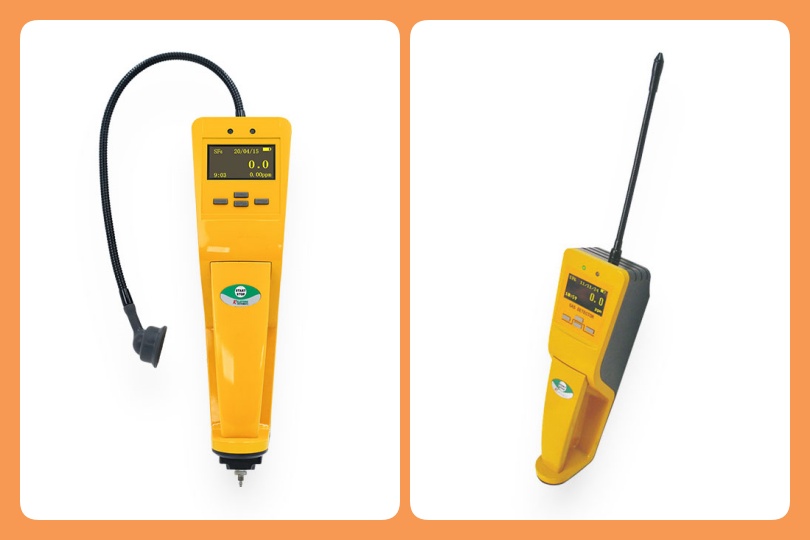
ควรทำการทดสอบก๊าซอย่างมืออาชีพโดยใช้เครื่องวิเคราะห์ก๊าซ SF6 เครื่องวัดความชื้น และเครื่องตรวจจับการรั่วไหลที่เหมาะสม ซึ่งออกแบบมาสำหรับการบำรุงรักษาอุปกรณ์ไฟฟ้าแรงสูง สำหรับสถานที่ที่ต้องการคำแนะนำทางเทคนิคเกี่ยวกับเครื่องมือทดสอบก๊าซหรือแผนการตรวจสอบที่กำหนดเอง สามารถขอรับการสนับสนุนด้านวิศวกรรมได้ [email protected].
การตรวจสอบระบบตรวจจับและปิดผนึกรอยรั่ว
SF6 เป็นก๊าซเรือนกระจกที่มีฟลูออรีนเป็นองค์ประกอบ ดังนั้นการป้องกันการรั่วไหลจึงมีความสำคัญทั้งในด้านการปฏิบัติงานและด้านสิ่งแวดล้อม ควรตรวจสอบการรั่วไหลบริเวณวาล์ว จุดเชื่อมต่อเครื่องวัดความหนาแน่น หน้าแปลน ช่องเติม ปะเก็น รอยเชื่อม และช่องเก็บก๊าซ
Technicians may use portable SF6 leak detectors, infrared imaging devices, or gas sniffing instruments depending on site requirements. Any detected leakage should be documented, repaired, and retested. Maintenance records should include leak location, estimated leakage rate, corrective action, and final verification result.
Mechanical Operating Mechanism Check
The operating mechanism is essential for fast and reliable breaker operation. During service, technicians should inspect springs, hydraulic systems, pneumatic systems, linkages, bearings, dampers, charging motors, latches, and mechanical interlocks.
Lubrication should be applied only where specified by the manufacturer. Excessive or incorrect grease can attract dust, restrict movement, or affect low-temperature performance. Timing tests should be performed when required to confirm opening time, closing time, pole simultaneity, and contact travel characteristics.
Electrical Control and Protection Circuit Testing
SF6 circuit breakers are integrated with protection relays, control circuits, trip coils, close coils, auxiliary switches, heaters, anti-pumping circuits, and interlocking systems. Annual service should include continuity checks, insulation resistance testing where applicable, functional trip/close tests, alarm verification, and auxiliary contact inspection.
Control cabinet heaters and thermostats should be checked to prevent condensation. Wiring terminals should be tight, clean, and correctly labeled. Any abnormal coil current, delayed operation, or alarm malfunction should be investigated immediately.
Contact Wear and Interrupter Assessment
Contact condition depends on the number and severity of switching operations. Breakers that interrupt high fault currents may require post-fault inspection even if the normal maintenance interval has not been reached. Contact wear can be assessed through operation counters, dynamic resistance measurement, timing analysis, and manufacturer-specific diagnostic methods.
For some sealed interrupter designs, internal contact inspection may not be practical without major overhaul. In such cases, condition-based diagnostics become especially valuable.
Core Advantages of a Structured SF6 Breaker Maintenance Program
A professional maintenance strategy provides measurable benefits for asset owners and operators.
| Advantage | Practical Benefit |
|---|---|
| Improved reliability | Reduces unexpected breaker failure and outage risk |
| Longer equipment life | Prevents premature wear and insulation deterioration |
| Better safety | Ensures trip/close functions operate correctly during faults |
| Environmental compliance | Reduces SF6 emissions and supports greenhouse gas reporting |
| Lower lifecycle cost | Detects defects early before major repairs are needed |
| Data-driven decisions | Supports condition-based maintenance and asset planning |
By combining routine inspections with gas quality testing and leak detection, operators can move from reactive repair to predictive maintenance.
Application Scenarios Requiring Shorter Service Intervals
Not all SF6 circuit breakers operate under the same conditions. The recommended service interval for SF6 circuit breakers should be reduced in the following cases:
High-Frequency Switching Applications
Capacitor bank switching, reactor switching, industrial furnace systems, and renewable energy grid connections may require more frequent operating mechanism and contact condition checks due to increased mechanical and electrical stress.
Harsh Outdoor or Coastal Environments
Salt fog, humidity, dust, chemical vapor, and temperature cycling can accelerate corrosion and sealing degradation. Outdoor substations in coastal or desert regions should include more frequent visual inspections and leak detection.
Critical Infrastructure and Continuous Production Facilities
Data centers, petrochemical plants, steel mills, airports, hospitals, and transmission substations often adopt more conservative maintenance cycles because downtime has high economic or safety impact.
For customized on-site SF6 circuit breaker service planning, users can contact application engineers at [email protected] for practical recommendations based on voltage level, breaker type, and operating environment.
Purchasing Guide: Instruments Needed for SF6 Breaker Maintenance
Reliable maintenance depends on the right testing tools. When selecting SF6 service instruments, buyers should consider accuracy, response time, portability, calibration support, data logging, and compatibility with international gas handling practices.
Recommended Equipment for Service Teams
| Instrument | Main Function | Key Selection Criteria |
|---|---|---|
| SF6 leak detector | Finds small gas leaks | Sensitivity, response speed, portability, alarm display |
| SF6 gas analyzer | Measures purity, moisture, decomposition gases | Multi-parameter testing, accuracy, data storage |
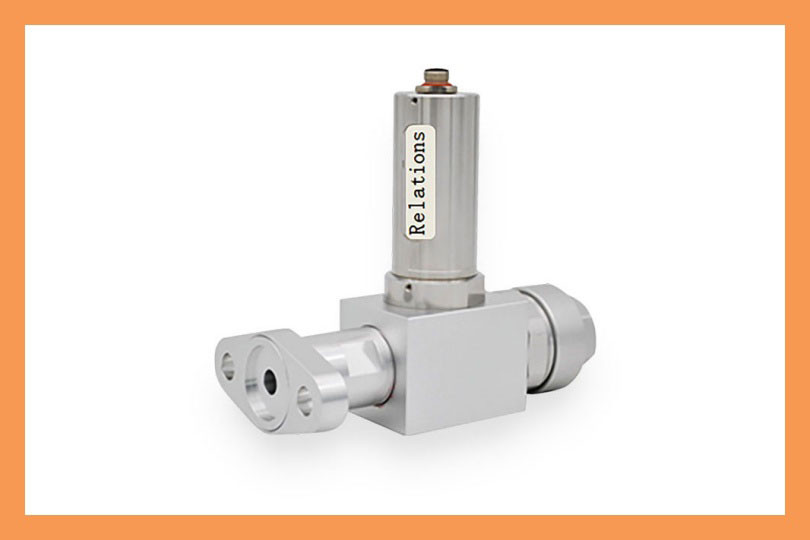
| Density monitor tester | Verifies alarms and lockout settings | Pressure range, adapter compatibility |
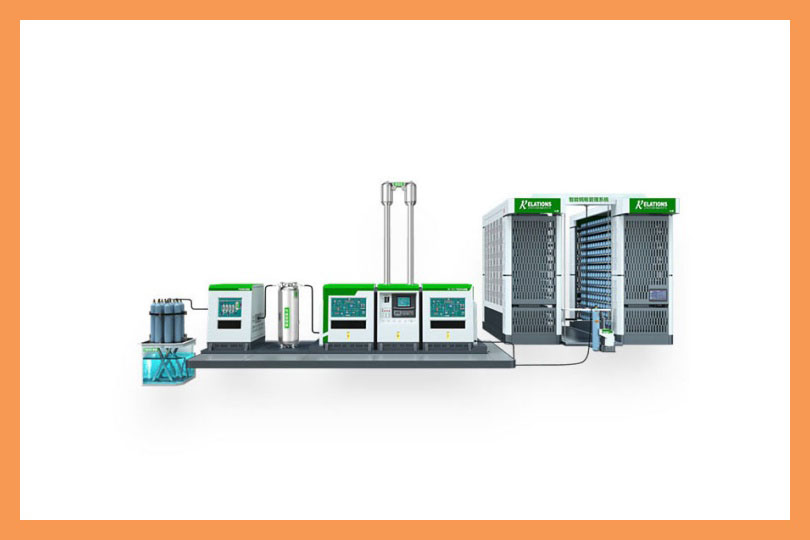
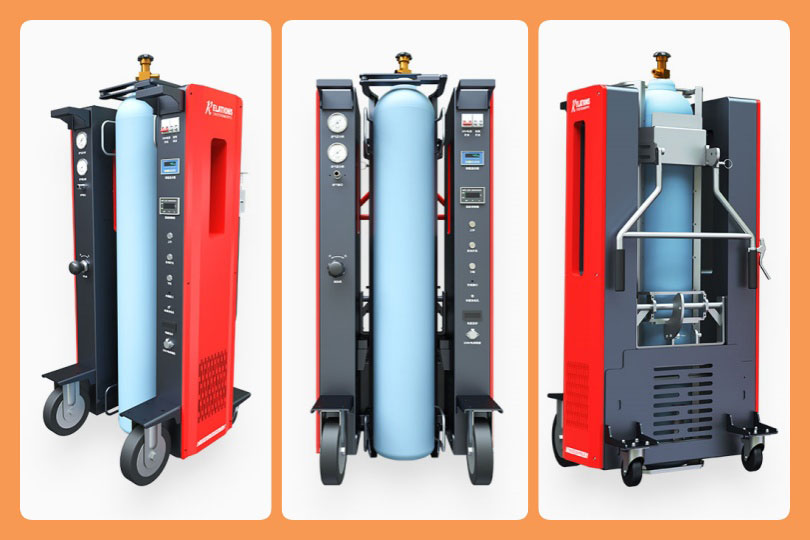
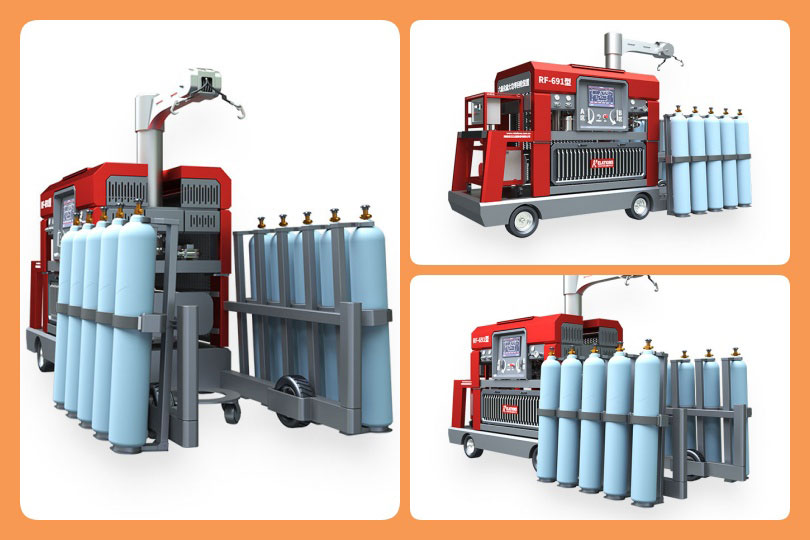
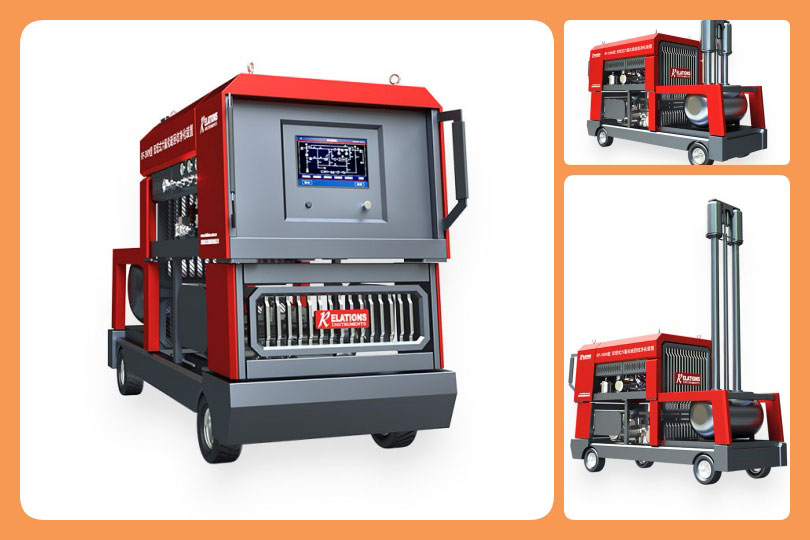
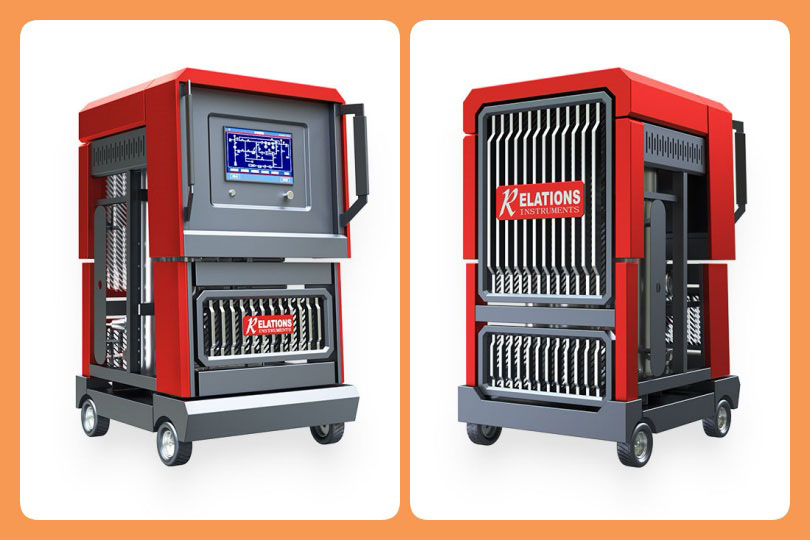
| Gas recovery unit | Recovers and refills SF6 safely | Recovery efficiency, filtration, vacuum capability |
| Circuit breaker analyzer | Measures timing, travel, coil current | Multi-channel testing, software reporting |
| Dew point meter | Measures moisture content | Low-range accuracy, stable readings |
Buyers should also confirm that equipment supports safe SF6 handling procedures, minimizes gas release during testing, and provides traceable calibration documentation. One-on-one engineer guidance for selecting SF6 gas detection and analysis equipment is available via [email protected].
Compliance and Safety Considerations
SF6 maintenance should be performed by qualified personnel following electrical safety rules, lockout/tagout procedures, gas handling requirements, and manufacturer instructions. Before any service work, the breaker must be isolated, grounded where required, and verified safe according to applicable site procedures.
Internationally recognized practices emphasize minimizing SF6 emissions, recovering gas instead of venting, using certified gas handling equipment, and maintaining accurate records of gas inventory, leakage, recovery, and disposal. Personnel should also be aware that SF6 decomposition products may be toxic or corrosive after arcing, requiring proper protective equipment and filtering procedures.
Frequently Asked Questions About SF6 Circuit Breaker Service Intervals
What is the recommended service interval for SF6 circuit breakers?
For most installations, visual inspections are recommended monthly to quarterly, functional checks annually, gas quality testing every 1 to 3 years, and detailed preventive maintenance every 3 to 5 years. The final interval should follow OEM guidance and site operating conditions.
Should SF6 gas be replaced during every service visit?
No. SF6 gas should not be replaced unnecessarily. If gas purity, moisture, and decomposition levels are within acceptable limits, recovery or replacement may not be required. If gas quality is poor, it should be recovered, filtered, reclaimed, or replaced using approved procedures.
How often should SF6 leak detection be performed?
Leak detection is commonly performed annually, after gas filling, after repair work, or whenever gas pressure drops unexpectedly. Critical installations may require more frequent checks.
What are signs that an SF6 breaker needs immediate inspection?
Immediate inspection is recommended if there is a gas density alarm, lockout signal, abnormal operating sound, failed trip/close operation, moisture alarm, visible corrosion, control circuit fault, or recent high-current fault interruption.
Can maintenance intervals be extended for low-operation breakers?
In some cases, yes. Condition-based maintenance may allow optimized intervals for low-duty breakers, but routine gas monitoring, leak checks, and functional testing should still be maintained to ensure safety and compliance.
Conclusion
The recommended service interval for SF6 circuit breakers is not a single fixed number but a structured maintenance strategy based on OEM requirements, operating duty, gas condition, environmental exposure, and asset criticality. As a practical rule, operators should conduct regular visual inspections, annual functional checks, periodic SF6 gas quality and leak testing, and detailed preventive maintenance every 3 to 5 years. By including gas analysis, leak detection, mechanism inspection, electrical testing, and proper documentation in every service plan, utilities and industrial facilities can improve reliability, reduce emissions, and extend the safe operating life of SF6 circuit breakers.