Need Help: Providing Innovative and Sustainable Solutions.
Office Hours: 08:30am-6:00pm

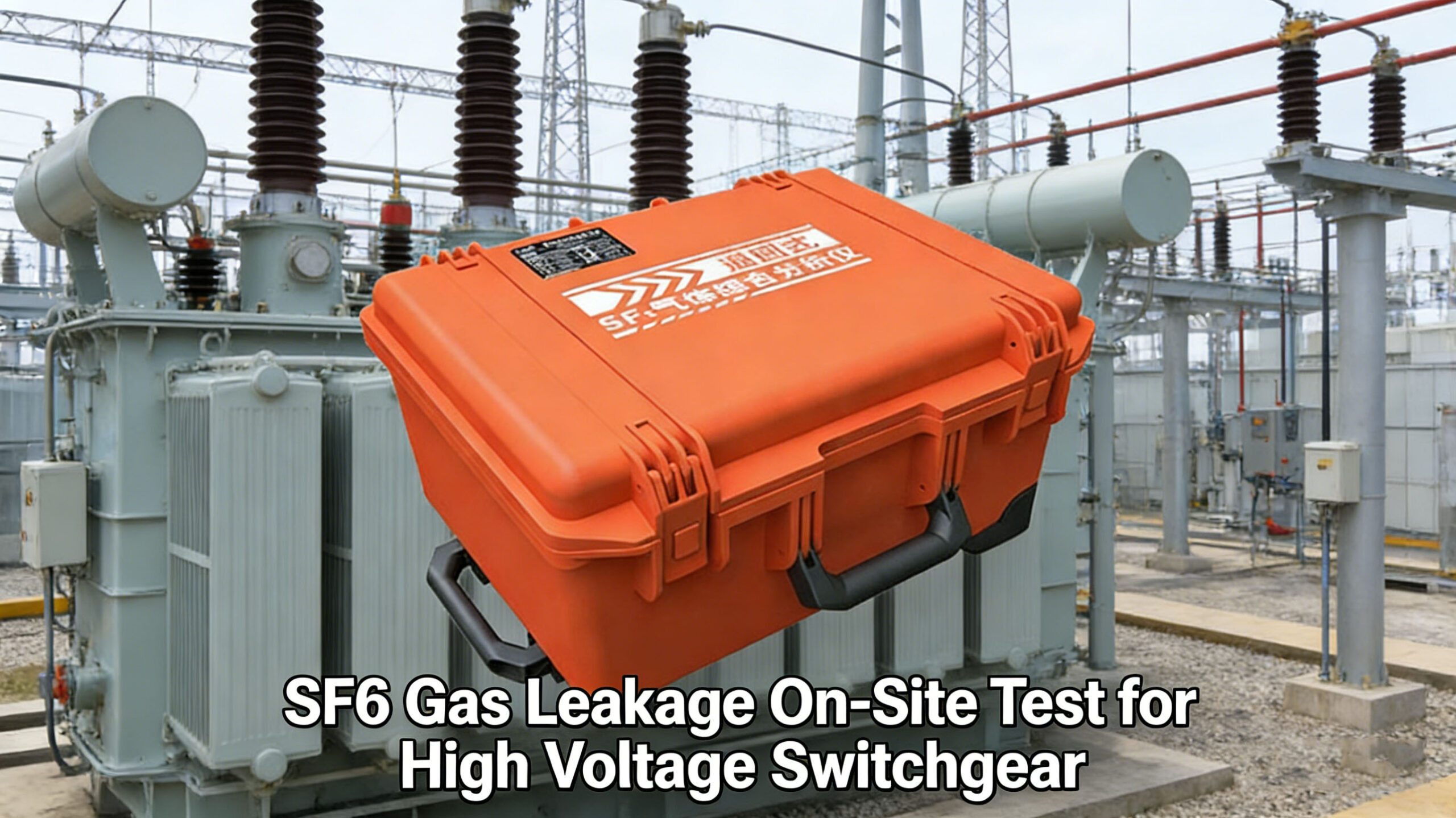
SF6 Gas Leakage On-Site Test for High Voltage Switchgear: Ensuring Safety and Compliance
Date
2026-01-29
[email protected]
Website
www.sf6gasdetector.com
Get Solutions And Quotes
SF6 Gas Leakage On-Site Test for High Voltage Switchgear: Ensuring Safety and Compliance
Sulfur hexafluoride (SF₆) is irreplaceable in high voltage switchgear (HVSG) for its exceptional insulation and arc-quenching properties. However, as a greenhouse gas with a global warming potential 23,500 times that of CO₂, even minor leaks threaten the environment and equipment reliability. This makes SF6 gas leakage on-site test for high voltage switchgear critical for power utilities. With tightening regulations and advancing technology, mastering on-site testing protocols is no longer optional—it’s imperative.
The Regulatory Imperative for Rigorous Testing
Global and regional regulations mandate strict SF₆ leak control. California’s CARB regulation, updated in 2022, phases out SF₆-insulated equipment by 2025 and enforces mass-based emission limits. New York’s 2024 Part 495 rule requires a 1% systemwide leak rate (3-year rolling average) starting 2030. Internationally, IEC 60068-2-17 specifies leakage detection procedures, while IEEE C37.122 mandates on-site leakage tests for gas-insulated switchgear (GIS) post-assembly. Non-compliance risks fines and reputational damage, making on-site testing a regulatory cornerstone.
Limitations of Traditional Detection Methods
Historic approaches fail modern demands. Soap bubble tests, once common, only detect large leaks (>1×10⁻⁶ Pa·m³/s) and are labor-intensive. Ultrasonic detectors suffer from background noise interference, while single-filter infrared cameras yield false positives due to environmental noise. Even semiconductor sensors have short lifespans and struggle with low-concentration leaks. These gaps necessitate advanced tools for SF6 gas leakage on-site test for high voltage switchgear.
Advanced On-Site Testing: Technology and Protocols
Modern testing integrates multi-parameter analysis and zero-emission design. The ideal SF6 analyzer, like the model specified, combines three core capabilities:
1. Comprehensive Parameter Detection
Leakage correlates with degraded gas quality. Key metrics include:
- Purity: Measured via thermal conductivity (0-100% range, ±0.5% error) to identify air ingress.
- Moisture: Laser-based sensors (±1℃ accuracy, ≤30s response) detect hydrolysis-causing humidity, critical per IEEE C37.122.3 limits (≤500 ppmv in service).
- Decomposition Byproducts: Electrochemical sensors quantify SO₂, H₂S (0-100 μL/L, ±0.5 μL/L error) and CO (0-500 μL/L), indicating arcing or overheating.
2. Zero-Emission Operation
Regulations prioritize emission reduction. The SF6 gas analyzer’s recovery system (≤0.8 MPa pressure) recycles gas to external cylinders or back to the switchgear, achieving zero loss—aligning with California’s phaseout goals. This eliminates the 10-20% gas waste of traditional testing.
3. Streamlined Workflow
On-site efficiency is enhanced by:
- One-click automation: Locks data in ≤60s, reducing human error.
- Expert diagnostics: Compares results to IEC 60480 or user-defined standards instantly.
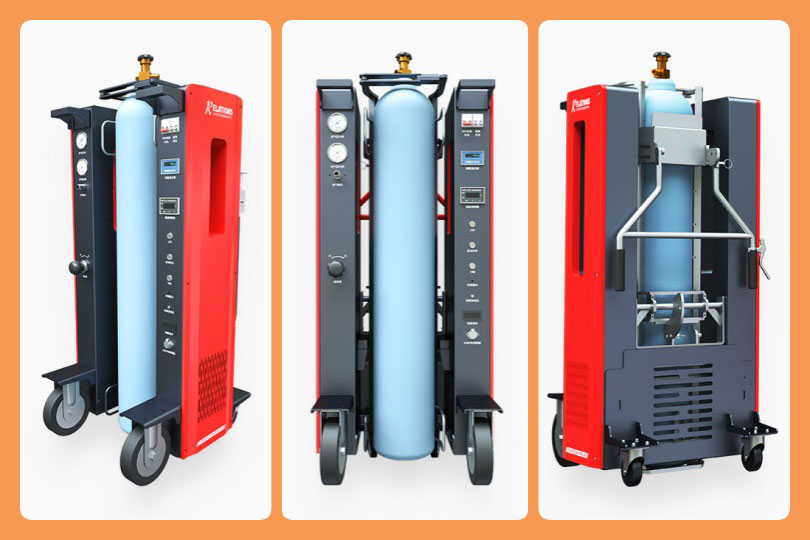
- Portability: design with wheels enables access to substation hard-to-reach areas.
Best Practices for On-Site Testing
- Pre-Test Preparation: Verify SF6 gas analyzer calibration (per NEMA US 80020-2022) and purge sampling lines to avoid contamination.
- Targeted Sampling: Focus on flanges, welds, and valves—common leak points in GIS.
- Data Validation: Cross-reference with thermographic imaging (e.g., TC706 camera) for non-contact leak localization.
- Post-Test Action: Export 10,000+ stored records via USB for compliance reporting; reclaim gas if purity .
Conclusion
SF6 gas leakage on-site test for high voltage switchgear is a linchpin of modern power infrastructure management. It balances operational reliability—preventing equipment failure from moisture or byproducts—with environmental stewardship. Advanced SF6 gas analyzers, offering multi-parameter accuracy, zero emissions, and portability, not only meet stringent regulations but also reduce long-term costs. As SF6 phaseouts accelerate globally, investing in such testing technology ensures utilities stay compliant, sustainable, and resilient.
Realize The Recycling Of Sf6 Gas