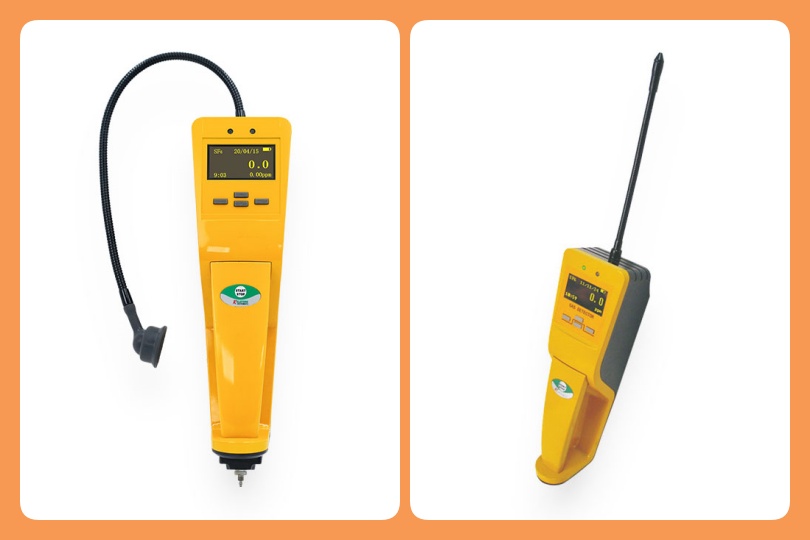
Quantitative SF6 Analyzer for SF6 Decomposition Product Detection
Date
2026-02-02
[email protected]
Website
www.sf6gasdetector.com
Get Solutions And Quotes
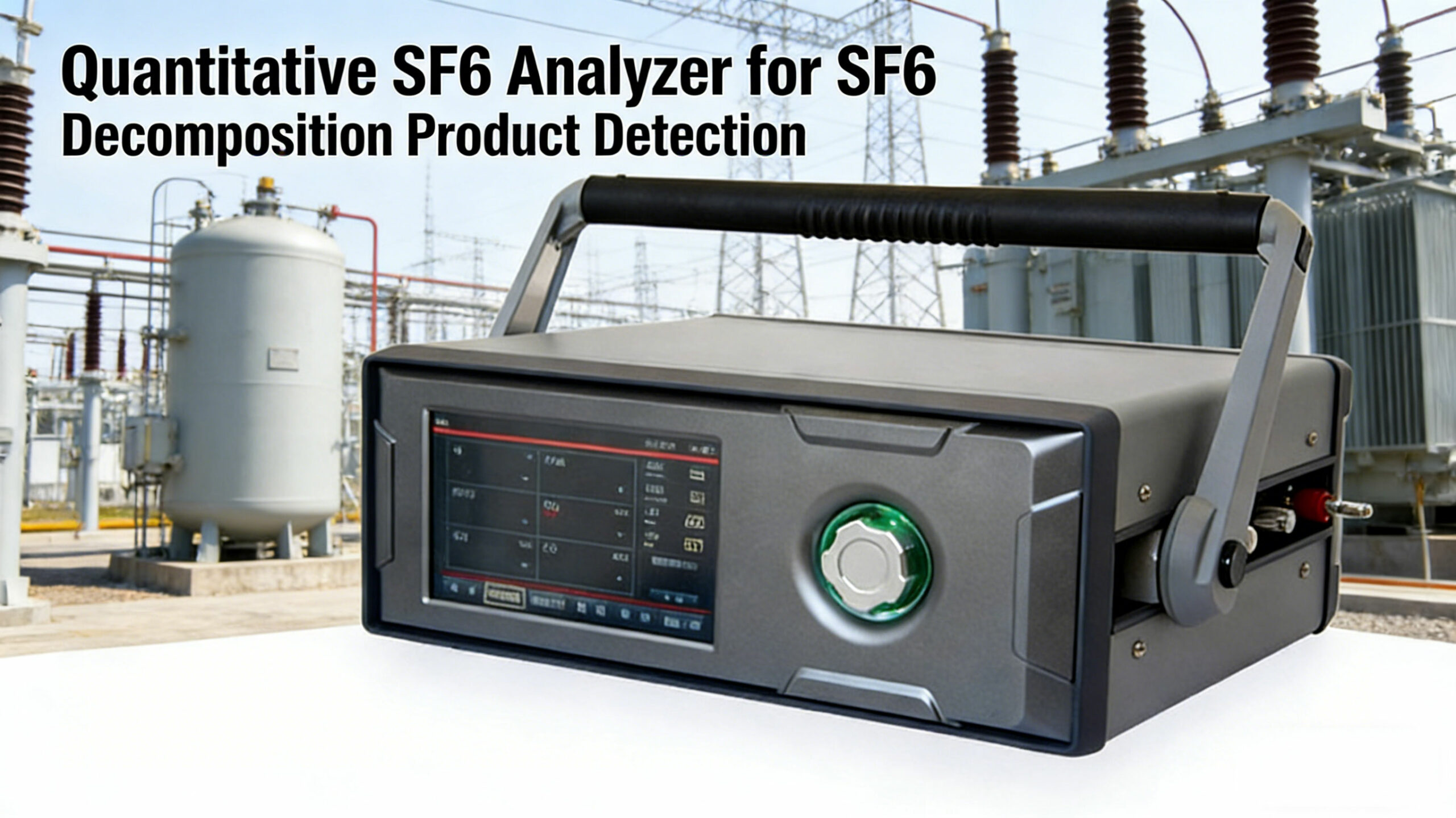
Quantitative SF6 Analyzer for SF6 Decomposition Product Detection
In the high-stakes environment of power transmission and distribution, the chemical integrity of Sulfur Hexafluoride (SF6) gas is the primary line of defense against catastrophic equipment failure. As global grids become more complex, the need for advanced diagnostic tools has shifted from simple moisture checks to comprehensive chemical profiling.
The quantitative SF6 analyzer for SF6 decomposition product detection has emerged as the definitive instrument for modern substation maintenance. By providing real-time, high-precision measurements of SF6 purity, humidity, and critical decomposition byproducts, this technology allows utilities to move from reactive repairs to predictive asset management.
1. Why Decomposition Product Detection is Critical
While pure SF6 is a chemically stable and exceptional insulator, it is susceptible to degradation under the stress of high-voltage operations. When partial discharges, spark discharges, or overheating occur within Gas-Insulated Switchgear (GIS) or circuit breakers, the SF6 molecule breaks down. These fragments react with trace moisture and oxygen to form hazardous byproducts.
The Chemical Fingerprints of Internal Faults:
-
Sulfur Dioxide (SO2): Often the primary indicator of arc discharge or spark discharge.
-
Hydrogen Sulfide (H2S): A sign of severe discharge involving moisture and metallic components.
-
Carbon Monoxide (CO): Indicates the overheating or degradation of organic insulating materials.
A specialized quantitative SF6 analyzer for SF6 decomposition product detection is essential because these gases are highly corrosive and toxic. Identifying them early prevents the etching of internal spacers and insulators, which could otherwise lead to a total dielectric breakdown.
2. Advanced Technical Features for Professional Field Use
Modern field work requires an instrument that bridges the gap between laboratory accuracy and rugged portability. Our latest quantitative SF6 gas analyzer is designed specifically for these rigorous demands.
A. Intelligent ID Identification and Data Handshaking One of the logistical hurdles in substation maintenance is ensuring that measurement data is correctly attributed to the specific equipment tested. This analyzer features an automatic ID identification function. By streamlining the entry of equipment data, it ensures that every ppm of SO2 or H2S recorded is digitally linked to the correct asset, eliminating manual logging errors and facilitating long-term trend analysis.
B. Automated Flow and Pressure Management Sensor accuracy in gas analysis is highly dependent on flow stability. This unit incorporates automatic flow regulation, where the system adjusts internal valves to maintain a constant sample flow regardless of cylinder pressure. Coupled with inlet pressure monitoring, the device alerts the operator to abnormal pressure conditions, safeguarding the sensitive electrochemical sensors and ensuring the validity of every reading.
C. Self-Diagnostic Standard Comparison The analyzer is pre-programmed with international and national (State Grid/Southern Grid) standards. It doesn’t just display numbers; it provides an automatic diagnosis of the results. If SO2 levels exceed safety thresholds, the device immediately prompts the operator with the recommended adjustment measures or maintenance protocols, making it a powerful decision-support tool in the field.
3. Comprehensive Technical Specifications
The efficacy of a quantitative SF6 analyzer for SF6 decomposition product detection lies in its multi-sensor integration. This instrument utilizes three distinct sensing principles to provide a holistic view of gas health.
SF6 Purity
-
Detection Principle: Thermal Conductivity
-
Range: 0 to 100% (Volume Ratio)
-
Maximum Error: ±0.5%
Humidity (Dew Point)
-
Detection Principle: Resistive-Capacitive
-
Range: -60 to +20 degrees Celsius
-
Maximum Error: ±2 degrees Celsius
Sulfur Dioxide (SO2)
-
Detection Principle: Electrochemical
-
Range: 0 to 100 microliters per liter
-
Maximum Error: 0.5 microliters per liter (for range 0-10); 5% (for range 10-100)
Hydrogen Sulfide (H2S)
-
Detection Principle: Electrochemical
-
Range: 0 to 100 microliters per liter
-
Maximum Error: 0.5 microliters per liter (for range 0-10); 5% (for range 10-100)
Carbon Monoxide (CO)
-
Detection Principle: Electrochemical
-
Range: 0 to 500 microliters per liter
-
Maximum Error: ±2 microliters per liter (for range 0-50); ±4% (for range 50-500)
4. Operational Efficiency: Data Export and Cloud Integration
In the modern Smart Grid era, data that stays on a handheld device is underutilized. Our SF6 analyzer is built for the Big Data ecosystem.
-
One-Click Data Export: Technicians can export data using standardized templates (State Grid or Southern Grid formats) with a single touch. This significantly reduces the administrative time required for report generation.
-
Customized Data Upload: For larger utilities, the device can be customized to upload data directly to centralized servers or cloud platforms. This allows headquarters-based engineers to perform Big Data analysis across an entire fleet of switchgear, identifying systemic issues before they manifest as failures.
-
Automatic Measurement Mode: To conserve gas and time, the analyzer can operate in an automatic mode. Once it detects that the gas readings have reached a stable equilibrium, it triggers an alarm to notify the technician and automatically concludes the test.
5. Industrial Applications: Beyond the Power Plant
While the primary use case for the quantitative SF6 analyzer for SF6 decomposition product detection is within the electrical power sector, its high precision makes it indispensable across several industries:
-
Railway Traction Stations: Ensuring the reliability of SF6-insulated equipment in high-vibration and high-frequency switching environments.
-
Petrochemical Facilities: Protecting critical electrical infrastructure in environments where corrosive external gases make internal SF6 purity even more vital.
-
Equipment Manufacturing: Serving as the final quality control check during the production and filling of new GIS units.
Conclusion: The Future of SF6 Diagnostics
Maintaining a high-voltage grid is a balance of safety, cost, and reliability. The quantitative SF6 analyzer for SF6 decomposition product detection is the tool that enables this balance. By providing rapid, laboratory-grade measurements of purity, humidity, and chemical decomposition, it removes the guesswork from substation maintenance.
As environmental regulations regarding SF6 emissions tighten, the ability to accurately diagnose equipment health without unnecessary gas handling or venting becomes a competitive advantage. This analyzer ensures that your assets are protected, your staff is safe, and your operations remain compliant with global best practices.