GIS Gas Recovery and Handling Unit for GIS Maintenance in Electricity and Metallurgy Industry
Date
2026-02-09
[email protected]
Website
www.sf6gasdetector.com
Get Solutions And Quotes
GIS Gas Recovery and Handling Unit for GIS Maintenance in Electricity and Metallurgy Industry
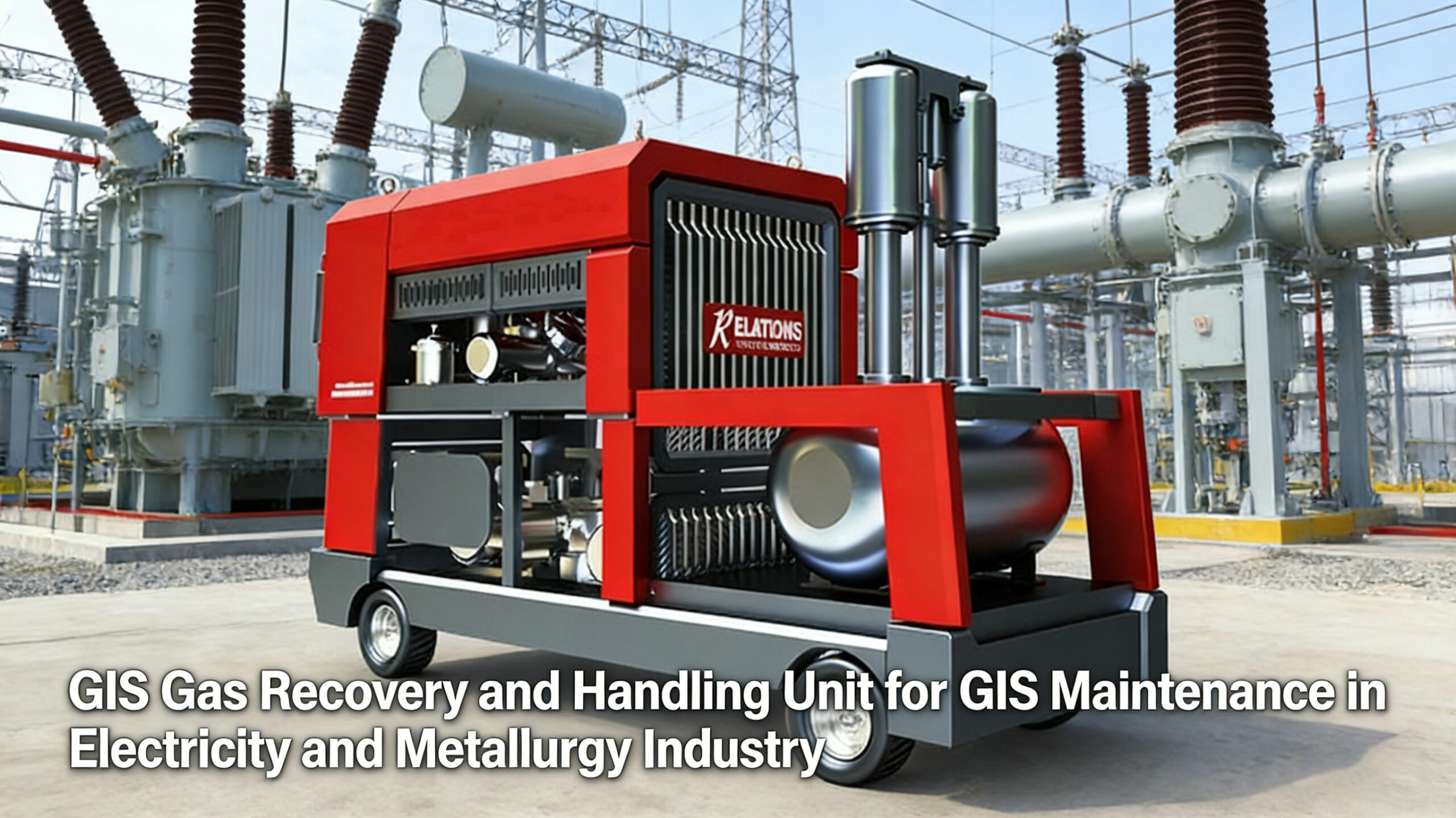
In the modern industrial landscape, the stability of high-voltage power systems is the lifeblood of production. For the Electricity and Metallurgy industry, where power continuity and equipment reliability are non-negotiable, the management of Sulfur Hexafluoride (SF6) gas has become a critical operational pillar. As Gas-Insulated Switchgear (GIS) becomes the standard for high-voltage distribution, the demand for a high-performance GIS gas recovery and handling unit for GIS maintenance in Electricity and Metallurgy industry has reached an all-time high.
The Industrial Challenge: Why SF6 Management Matters
The Electricity industry relies on SF6 for its superior arc-quenching and insulation properties, allowing for compact substation designs in urban and rural grids. In the Metallurgy industry, where massive amounts of power are required for smelting and refining processes, GIS systems provide the robust protection needed against electrical faults.
However, SF6 is a potent greenhouse gas. Beyond environmental concerns, degraded SF6 gas—containing moisture, acidic decomposition products, and solid particles—can cause internal corrosion and dielectric failure. This makes professional recovery and purification not just a matter of compliance, but a necessity for asset longevity.
Intelligent GIS Gas Recovery: Engineering Excellence
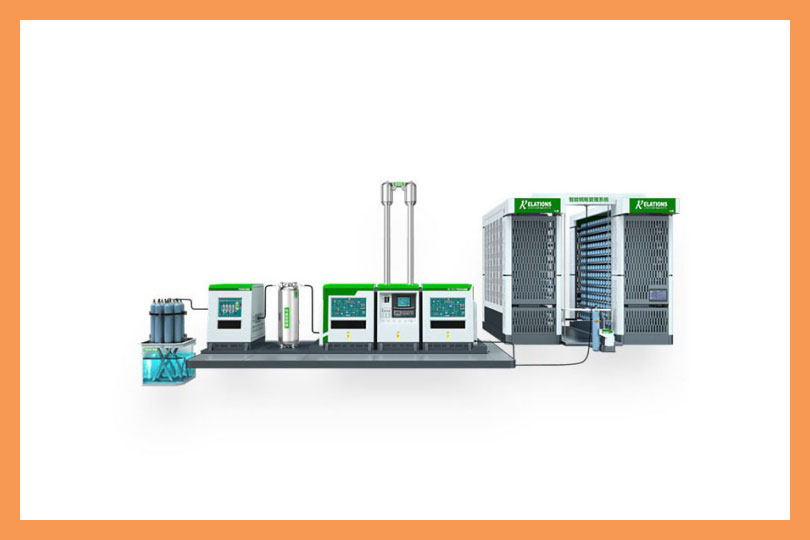
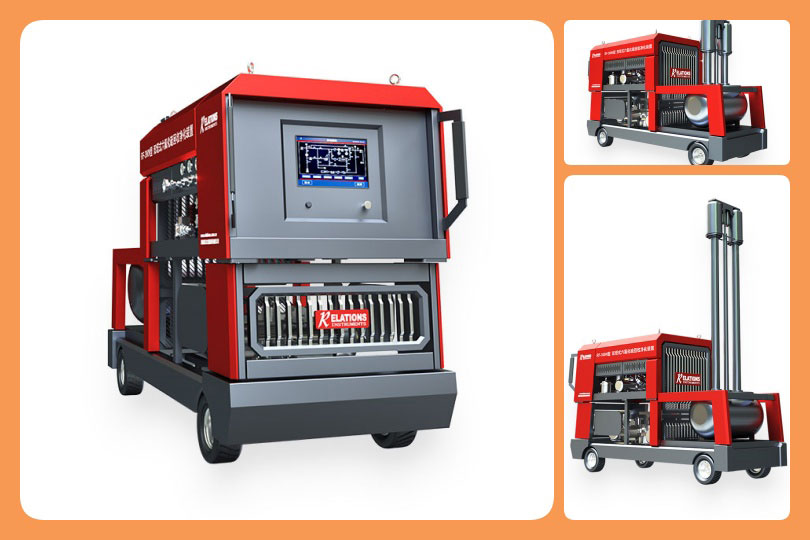
A professional GIS gas recovery and handling unit for GIS maintenance in Electricity and Metallurgy industry is no longer just a pump and a tank; it is an intelligent, PLC-controlled system designed to handle the entire lifecycle of the gas.
-
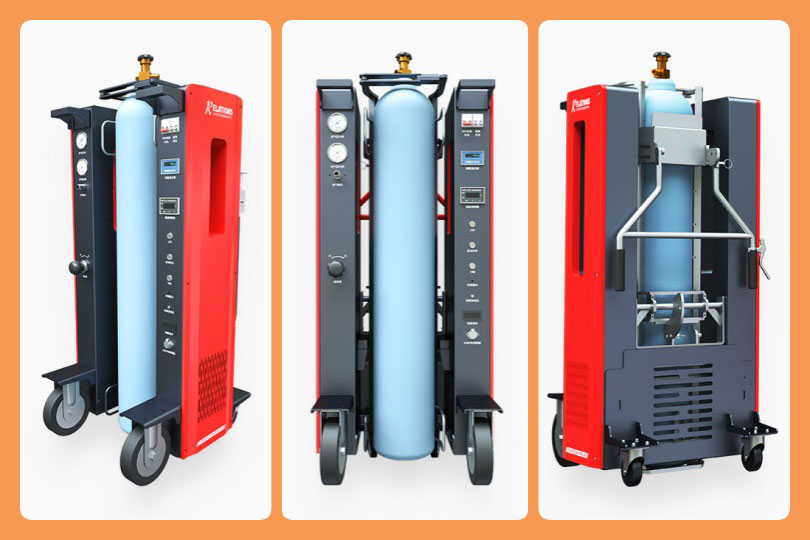
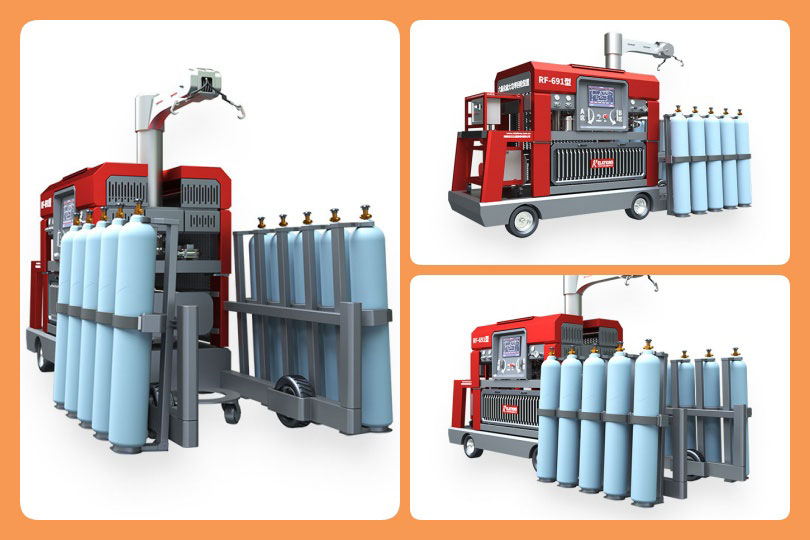
Multi-Functional Integration The latest generation of recovery units integrates several critical functions into a single mobile platform:
-
Vacuuming: High-speed evacuation of air and moisture from GIS chambers.
-
Gas Recovery: Rapid extraction of gas into internal storage tanks or external cylinders.
-
Purification and Regeneration: Removing moisture and SF6 byproducts to restore gas quality to GB/T 12022 standards.
-
Re-filling and Bottling: Precise pressure-controlled refilling or high-speed liquid bottling.
-
PLC-Driven Intelligence The heart of a modern unit is its industrial control system. Using a centralized touchscreen interface, operators can monitor real-time vacuum levels, tank pressures, and purification status. This level of automation reduces the risk of human error—a vital feature in the high-stakes environment of a metallurgical plant or a power utility.
Technical Superiority: Meeting Rigorous Standards
When performing GIS maintenance in Electricity and Metallurgy industry, the technical specifications of the SF6 gas recovery unit dictate the speed and safety of the maintenance window.
High-Performance Compression and Vacuuming
-
Oil-Free Water-Cooled Compressor: With a capacity of 38 cubic meters per hour and a final output pressure of 50 bar, it ensures rapid gas movement without risk of oil contamination.
-
Double Vacuum System: A dedicated 64 cubic meters per hour vacuum pump achieves a limit vacuum of 0.1 mbar, ensuring the switchgear is bone-dry before refilling.
-
Negative Pressure Recovery: This feature allows the unit to extract nearly every molecule of SF6 from the GIS, maximizing recovery rates and minimizing atmospheric release.
Advanced Purification Technology The inclusion of a lifting distillation tower and deep purification tanks (up to 300L) allows the unit to filter out moisture, decomposition products, and particles smaller than 1 micrometer. This ensures that the gas put back into the switchgear is as clean as virgin gas, significantly extending the time between maintenance cycles.
Key Features for the Metallurgy and Power Sectors
In the heavy industrial sectors of Electricity and Metallurgy, equipment must be both powerful and user-friendly.
-
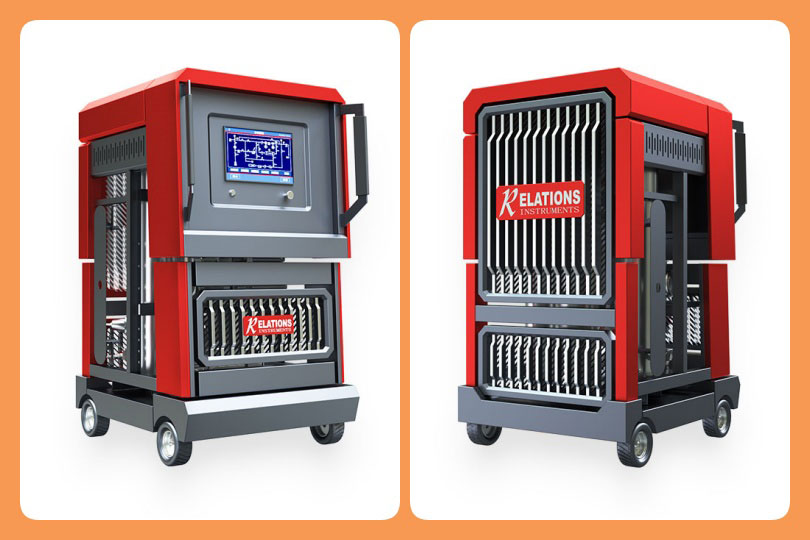
Modular Design: Compact structure allows for easy transport within cramped industrial facilities.
-
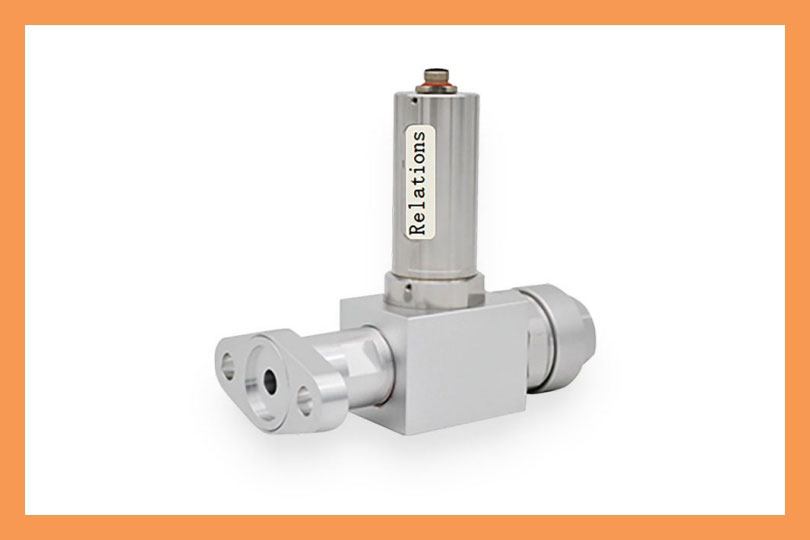
Anti-Oil Return Valve: Protects the GIS from vacuum pump oil contamination, a common failure point in older units.
-
Liquid Bottling: Can fill a 50 kg SF6 cylinder in just 5 to 8 minutes, ideal for large-scale outages.
-
Integrated Vaporizer: A 1.5 kW heating system ensures high refilling efficiency even in colder climates or high-flow scenarios.
-
Optional Embedded Testing: Ability to monitor purity, humidity, and SO2 levels in real-time during the recovery process.
Operational Best Practices for GIS Maintenance
Implementing a GIS gas recovery and handling unit for GIS maintenance in Electricity and Metallurgy industry requires a structured approach to ensure maximum safety and efficiency.
Step 1: Deep Vacuuming and Real-Time Monitoring Before refilling, the switchgear must be evacuated to remove air and moisture. The PLC system displays the vacuum curve in real-time, allowing engineers to verify the integrity of the seals before introducing the expensive SF6 gas.
Step 2: Purification through Distillation Unlike simple filtration units, a system with a distillation tower can separate SF6 from other non-condensable gases (like air or nitrogen). This is particularly important for older GIS units where slight air ingress may have occurred over years of operation.
Step 3: Precise Re-filling and Pressure Adjustment Using the unit’s pressure regulation output (typically 1 to 10 bar), maintenance teams can precisely hit the nameplate pressure requirements of the GIS. This prevents over-pressurization and ensures the density of the gas is optimal for arc-quenching.
Economic and Environmental Impact
The transition to high-performance recovery units provides a clear Return on Investment (ROI) for industrial facilities:
-
Reduced Commodity Costs: By purifying and reusing SF6, companies reduce the need to purchase expensive new gas.
-
Minimized Downtime: Faster recovery and refilling cycles mean shorter maintenance outages for critical metallurgical production lines.
-
Regulatory Compliance: Adhering to standards like DL/T 662 ensures that the facility meets national and international environmental mandates, avoiding heavy fines.
-
Asset Protection: Clean gas prevents the formation of corrosive hydrofluoric acid, protecting the silver-plated contacts and insulators inside the GIS.
Conclusion: The Future of Industrial Gas Management
As the Electricity and Metallurgy industry continues to modernize, the tools used to maintain its core infrastructure must keep pace. A high-quality GIS gas recovery and handling unit is no longer a luxury—it is the foundation of a sustainable, reliable, and efficient high-voltage operation.
By investing in intelligent, PLC-controlled recovery systems that offer deep purification and negative pressure recovery, industrial leaders can ensure their GIS assets remain in peak condition for decades to come, while simultaneously meeting their corporate responsibility to the environment.