Sub-micron Filtration for SF6 Recovery in Zero-emission Substation Maintenance
Date
2026-03-23
[email protected]
Website
www.sf6gasdetector.com
Get Solutions And Quotes
Sub-micron Filtration for SF6 Recovery in Zero-emission Substation Maintenance
The modern power grid is undergoing a dual transformation: an unprecedented expansion to meet electrification demands and a rigorous shift toward environmental decarbonization. At the center of this transition is Sulfur Hexafluoride (SF6), an inorganic, colorless, and odorless gas that has been the industry standard for electrical insulation and arc quenching in high-voltage switchgear for decades.
However, with a Global Warming Potential (GWP) approximately 23,500 times that of CO2, the management of SF6 has moved from a routine maintenance task to a critical environmental mandate. The concept of the “Zero-emission Substation” is no longer a theoretical goal but a regulatory necessity. To achieve this, advanced recovery systems—specifically those utilizing sub-micron filtration for SF6 recovery—have become the technological cornerstone of sustainable utility operations.
The Critical Role of SF6 in Modern Infrastructure
SF6 is prized for its exceptional dielectric strength and thermal stability. In Gas-Insulated Switchgear (GIS), it allows for compact substation designs, which are essential in urban environments where space is at a premium. Despite these benefits, the lifecycle management of the gas presents significant challenges. During circuit breaker operations, the high-energy electric arc causes a small portion of the SF6 to decompose into toxic and corrosive byproducts, such as sulfur tetrafluoride (SF4) and thionyl fluoride (SOF2).
Without high-precision recovery and purification, these contaminants degrade the equipment and pose risks to personnel. This is where the integration of sub-micron filtration for SF6 recovery in zero-emission substation maintenance transforms the process from simple containment to high-purity circularity.
Precision Engineering: The Mechanics of Sub-micron Filtration
The “Zero-emission” protocol dictates that no gas should escape into the atmosphere during maintenance, and the recovered gas must be restored to a quality that meets or exceeds GB/T 12022 or IEC 60480 standards. The technical bottleneck in this process has traditionally been the removal of microscopic solid particles and decomposed acidic impurities.
1. Eliminating Solid Particulates
In high-voltage environments, solid particles—even those invisible to the naked eye—can distort the electric field, leading to partial discharge and eventual equipment failure. Our latest intelligent SF6 recovery units utilize specialized filters capable of capturing particles with a diameter of < 1μm.
2. Chemical Neutralization and Moisture Control
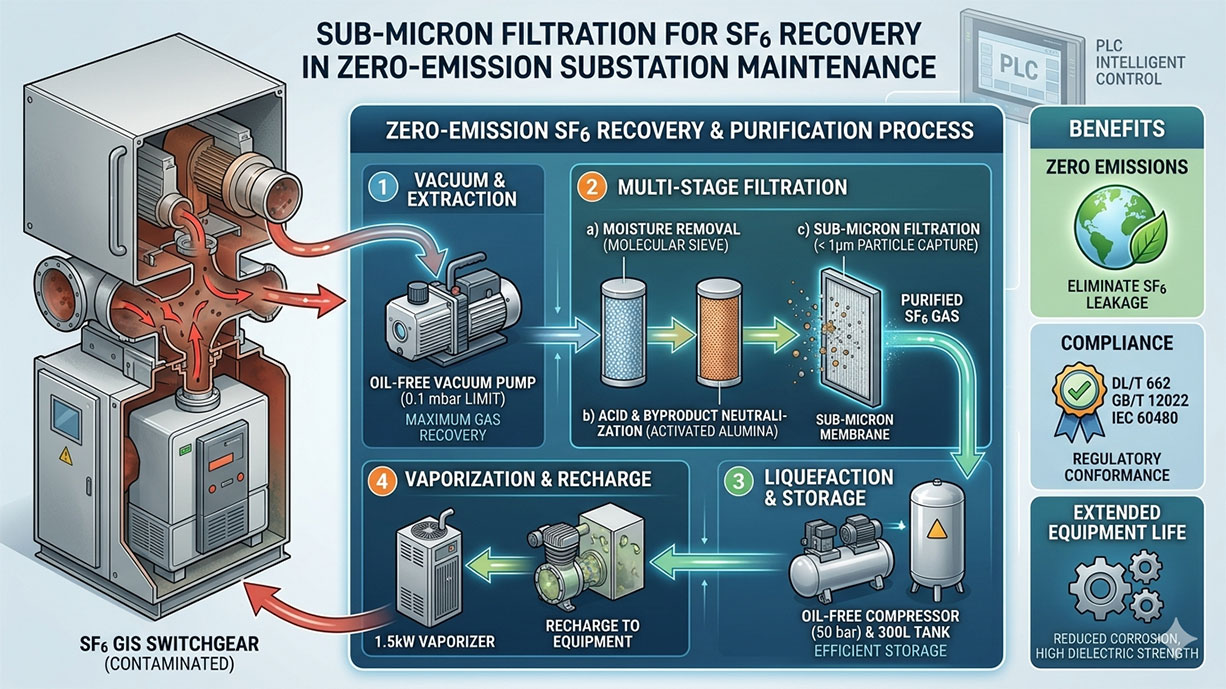
Sub-micron filtration is rarely a standalone process; it is part of a multi-stage purification string. By passing the gas through molecular sieves and activated alumina combined with sub-micron membrane filters, the system removes:
-
Moisture (H2O): Preventing the formation of hydrofluoric acid.
-
Decomposition Products: Neutralizing SO2 and other reactive gaseous byproducts.
-
Oil Mists: Utilizing oil-free water-cooled compressors (38 m3/h) and vacuum pumps with anti-return valves to ensure zero hydrocarbon contamination.
Intelligent Control: The Heart of the Recovery Unit
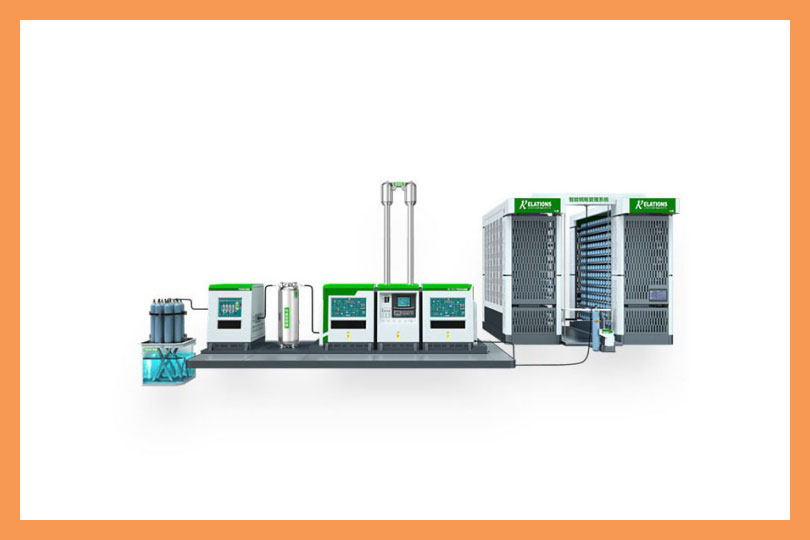
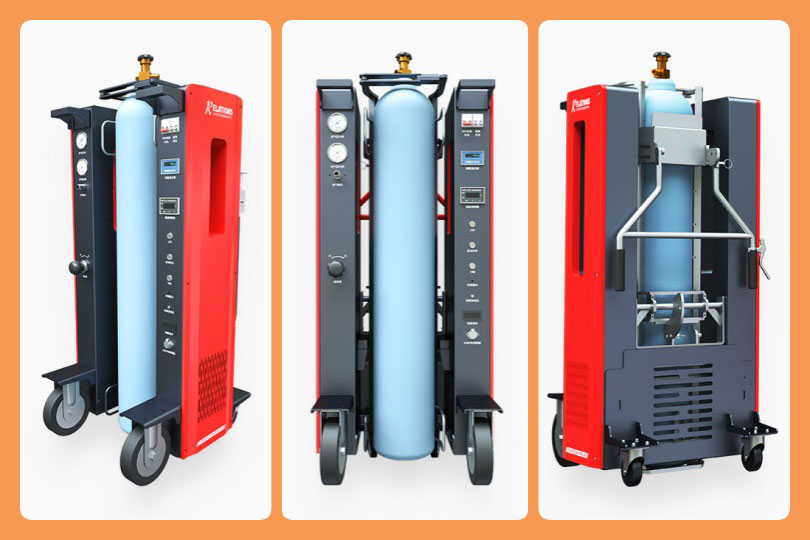
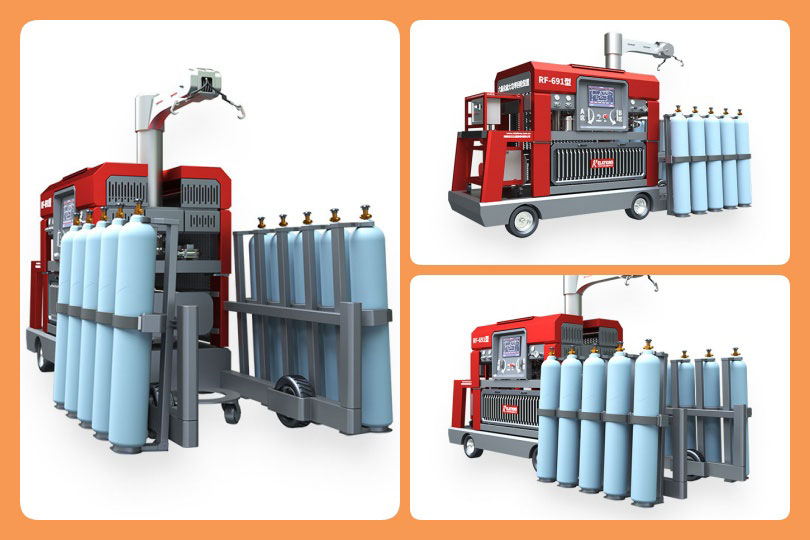
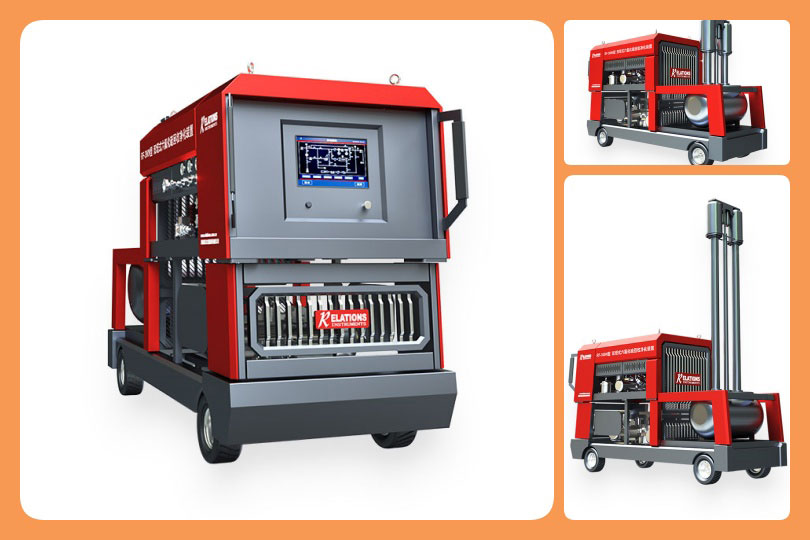
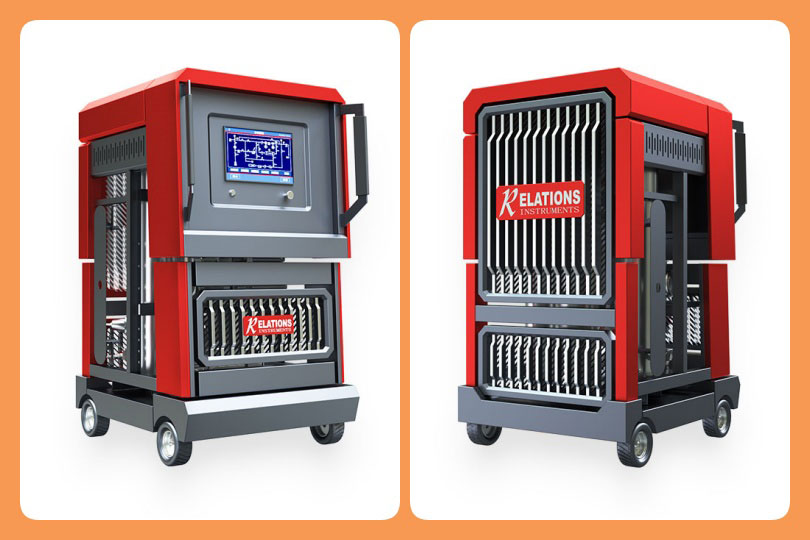
Achieving zero emissions requires more than just high-quality filters; it requires a closed-loop system governed by precision logic. Our newly developed PLC-controlled intelligent SF6 recovery device represents the pinnacle of this integration.
Multi-functional Synthesis
The device merges vacuuming, recovery, purification, storage, and recharging into a single modular unit. By utilizing an PLC industrial control system with a touchscreen interface, operators can monitor real-time vacuum levels (down to 0.1 mbar) and pressure changes, ensuring that no gas pockets are left behind in the GIS during the evacuation phase.
Advanced Distillation and Liquefaction
One of the standout features of this system is the lifting rectification tower. Unlike standard recovery units, this device employs deep purification through a rectification process that allows for the separation of SF6 from non-condensable gases (like air or nitrogen that may have leaked into the system).
Technical Insight: The system can fill a 40L cylinder with 50kg of liquid SF6 in just 5 to 8 minutes, significantly reducing the downtime of the substation during critical maintenance windows.
Why Sub-micron Filtration is the Key to “Zero-emission”
The term “Zero-emission” is often misused. In a rigorous engineering context, it refers to a Closed-Loop Life Cycle.
-
Negative Pressure Recovery: The recovery unit features a negative pressure recovery function, ensuring that the switchgear is emptied to the lowest possible threshold, maximizing the volume of gas saved.
-
High-Pressure Liquefaction: With an output pressure of 50 bar and an oil-free booster (5 m3/h), the gas is stored in a liquid state, reducing the storage footprint and making transportation safer.
-
Vaporization Output: When it is time to refill the equipment, a 1.5kW vaporizer ensures the gas is returned to the switchgear in a stable, consistent gaseous state, preventing thermal shock to the internal components.
Industry Applications: Power, Petrochemical, and Beyond
While the primary application for sub-micron filtration for SF6 recovery in zero-emission substation maintenance is the power industry (specifically DL/T 662 standard compliance), its utility extends to:
-
Metallurgy: Managing specialized gas-insulated furnaces.
-
Petrochemicals: Maintaining high-voltage power distribution in hazardous environments where equipment reliability is non-negotiable.
-
Manufacturing: Testing and commissioning of new SF6-filled components.
Technical Specifications at a Glance
For engineers and procurement specialists, the performance of the recovery unit is defined by its core metrics:
| Parameter | Specification |
| Filtration Particle Size | < 1μm (Sub-micron) |
| Vacuum Pump Capacity | 64 m3/h (Limit vacuum 0.1 mbar) |
| Oil-free Compressor | 38 m3/h (Output 50 bar) |
| Purification Tank | 300L Stainless Steel |
| Regulated Output | 1~10 bar (Adjustable) |
| Refilling Speed | 50kg / 5-8 min |
The Economic and Environmental ROI
Investing in high-grade recovery technology with sub-micron filtration provides a clear Return on Investment (ROI) through three avenues:
1. Reduced Gas Procurement Costs
SF6 gas is expensive. By purifying and reusing gas to a “like-new” state, utilities can reduce their purchase of virgin SF6 by up to 95%.
2. Regulatory Compliance and Carbon Credits
As carbon taxes and environmental regulations tighten globally, the ability to prove a zero-emission maintenance record is a significant financial asset. Sub-micron filtration ensures that the gas remains within the legal purity limits for reuse, avoiding the high costs of hazardous waste disposal.
3. Extended Equipment Life
Clean gas means less internal corrosion and fewer insulation failures. By removing sub-micron particles and acidic byproducts, the lifespan of the GIS is extended, deferring multi-million dollar capital expenditures.
Conclusion: Pioneering a Greener Grid
The future of high-voltage power distribution is inextricably linked to our ability to manage SF6 responsibly. Utilizing sub-micron filtration for SF6 recovery in zero-emission substation maintenance is not merely a technical upgrade; it is a commitment to environmental stewardship.
By integrating PLC intelligence, oil-free compression, and deep rectification, our SF6 recovery and purification unit provides a comprehensive solution for modern utilities. It ensures that the “Zero-emission” goal is achievable, measurable, and repeatable.