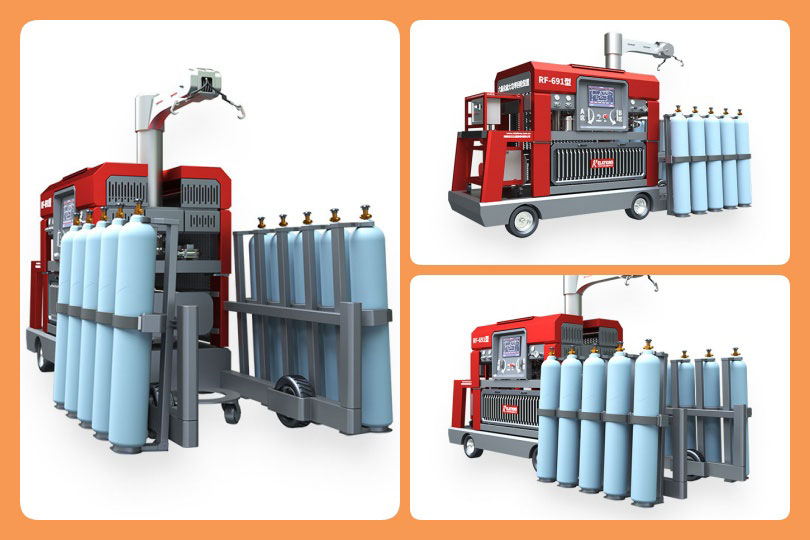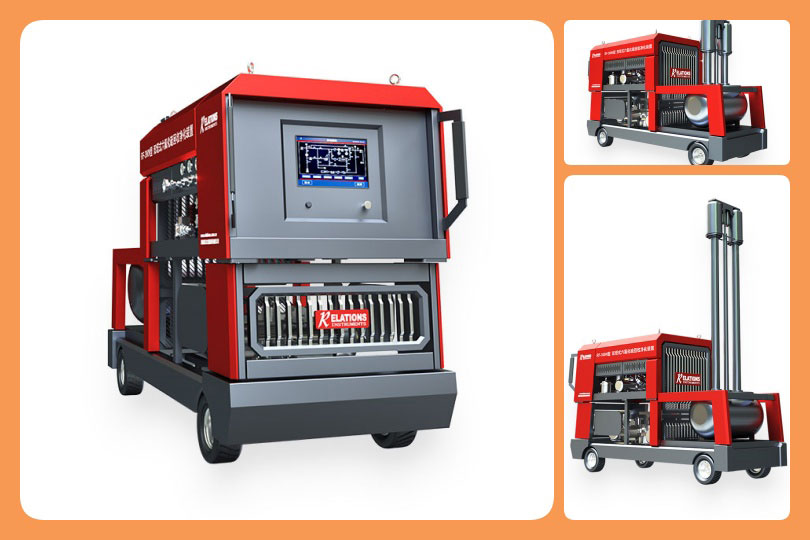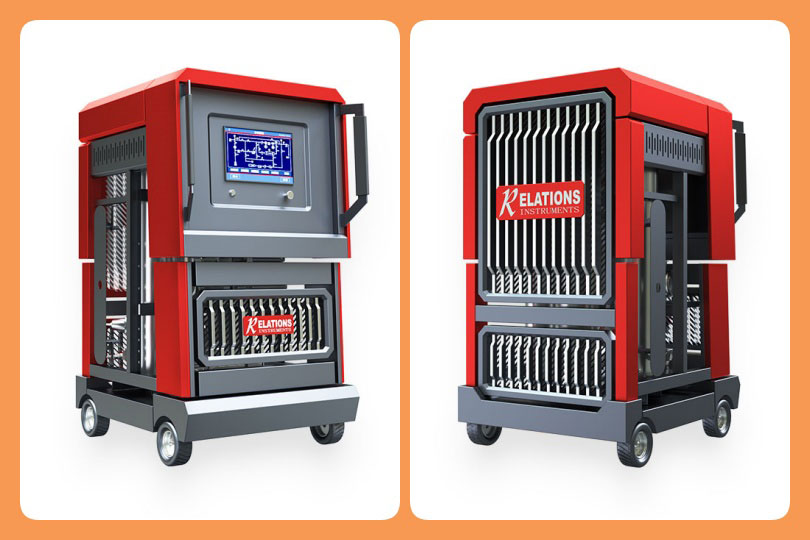
What Safety Features Should I Look For in an SF6 Recovery Unit?
Date
2026-03-23
[email protected]
Website
www.sf6gasdetector.com
Get Solutions And Quotes
What Safety Features Should I Look For in an SF6 Recovery Unit?
Sulfur Hexafluoride (SF6) remains the industry standard for insulation and arc quenching in high-voltage switchgear and gas-insulated lines (GIL) due to its exceptional dielectric strength. However, its environmental impact as a potent greenhouse gas—with a global warming potential (GWP) approximately 23,500 times that of CO2—makes its containment a critical priority.
For utility managers and field engineers, selecting the right SF6 gas recovery unit is not just about performance; it is about risk mitigation. When evaluating equipment for 72.5kV to 500kV applications, the question arises: What safety features should I look for in an SF6 recovery unit?
This guide explores the essential safety and technical benchmarks that define a professional-grade recovery system.
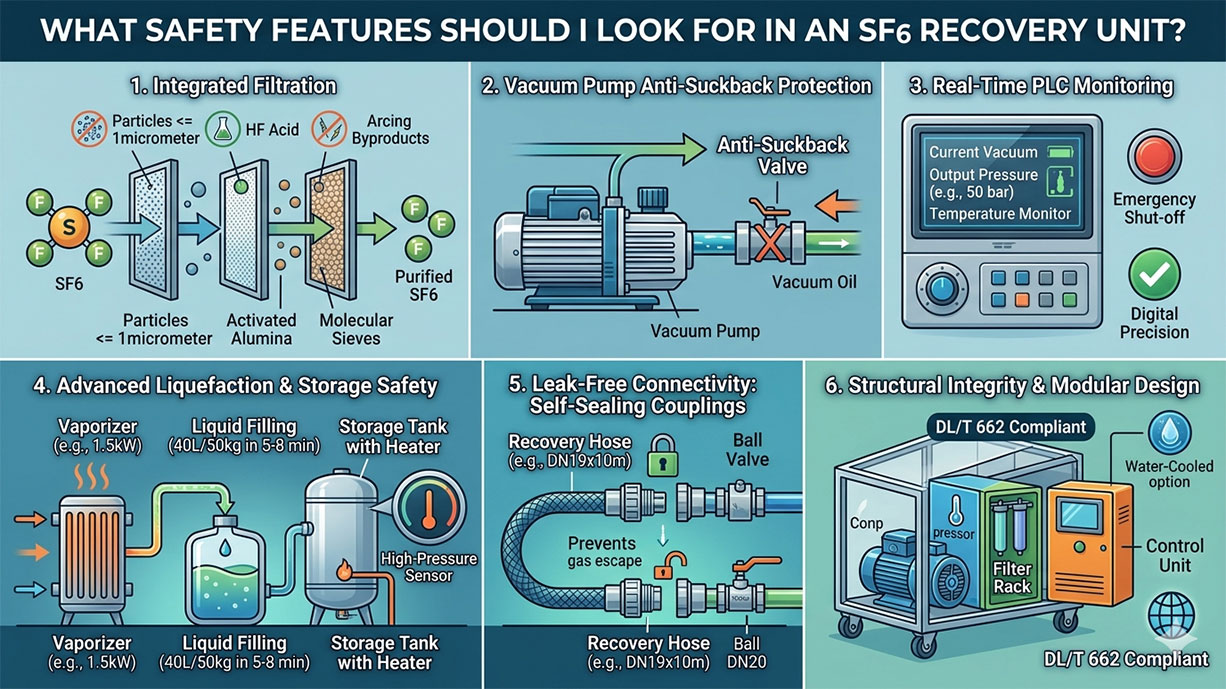
1. Integrated Filtration and Purification Systems
The primary hazard during SF6 maintenance isn’t just the gas itself, but its toxic byproducts. When arcing occurs within a circuit breaker, SF6 decomposes into hazardous substances like SOF2 and SO2F2.
A robust recovery unit must feature a multi-stage filtration system.
-
Moisture Removal: High humidity can lead to the formation of hydrofluoric acid (HF) within the gas.
-
Particle Filtration: The unit should be capable of filtering solid decomposition products down to less than or equal to 1 micrometer.
-
Chemical Neutralization: Activated alumina or molecular sieves are essential to capture acidic byproducts, protecting both the operator and the internal components of the SF6 gas recovery unit.
2. Vacuum Pump Anti-Suckback Protection
One of the most common causes of equipment failure and gas contamination is oil migration. When a vacuum pump stops unexpectedly (due to power failure or manual shutdown), there is a risk of vacuum oil being sucked back into the gas compartment or the recovery hoses.
When asking what safety features you should look for, a mechanical or electromagnetic anti-suckback valve (often referred to as a “Oil return prevention valve” in technical specs) is non-negotiable. This feature ensures that the vacuum remains sealed and the SF6 gas stream remains pure, preventing costly decontamination procedures.
3. Real-Time PLC Monitoring and Digital Precision
In high-pressure gas handling, “guessing” is a safety violation. Modern units, such as those meeting DL/T 662 standards, utilize Programmable Logic Controllers (PLC).
Why PLC Integration Matters:
-
Real-time Vacuum Display: Monitoring the change in vacuum degree during evacuation helps detect leaks in the system before gas is introduced.
-
Automated Pressure Control: The ability to set “Output Final Pressure” (e.g., 50 bar) ensures that storage tanks or cylinders are not over-pressurized.
-
Emergency Shutt-offs: PLC systems can trigger an immediate system halt if temperatures or pressures exceed safe operating parameters.
4. Advanced Liquefaction and Storage Safety
Efficiency in gas recovery often involves converting SF6 into a liquid state for dense storage. This process requires precise thermal and pressure management.
The Role of the Vaporizer and Cooling System
A high-quality SF6 gas recovery unit includes a dedicated Vaporizer (e.g., 1.5kW) and a cooling system. Whether the unit uses air-cooling or water-cooled oil-free compressors, the goal is to manage the heat of compression.
-
Liquid Filling Safety: If you are performing liquid filling (capable of filling a 40L cylinder with 50kg of SF6 in 5–8 minutes), the unit must have high-pressure sensors to prevent cylinder overfill, which is a significant explosion risk.
-
Heating Systems: Independent tank heating systems ensure that during “Recharging,” the gas is returned to the switchgear at the correct temperature and pressure, preventing liquefaction inside the electrical equipment.
5. Leak-Free Connectivity: Self-Sealing Couplings
Human error during hose connection is a leading cause of SF6 emissions. A professional SF6 gas recovery unit should utilize DN20 or DN8 self-sealing couplings. These valves ensure that gas cannot escape from the hose or the equipment even if the connection is severed under pressure.
Pro Tip: Look for units that provide reinforced recovery hoses (e.g., DN19 x 10m) with dedicated ball valves and cylinder connectors to provide a secondary layer of isolation.
6. Structural Integrity and Modular Design
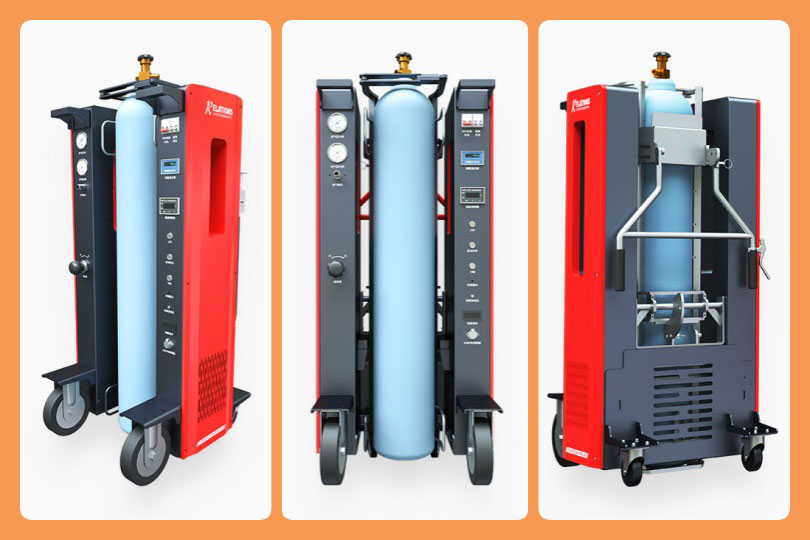
The physical environment of a substation can be harsh. A semi-enclosed protective structure offers the best balance between component protection and ventilation.
-
Modular Construction: This allows for easier maintenance. If one component (like the compressor) requires service, it can be accessed without dismantling the entire fluid path, reducing the risk of introducing leaks during repairs.
-
Mobility vs. Stability: Given the dimensions of industrial units (approx. 1490mm x 1070mm x 2030mm), heavy-duty casters with locking mechanisms are essential safety features for field stability.
7. Compliance with National and International Standards
Safety is often dictated by regulatory compliance. In the power industry, equipment should strictly adhere to standards such as DL/T 662 (for China-based or international projects following similar technical benchmarks). Compliance ensures that the materials used are compatible with the corrosive nature of SF6 decomposition products and that the pressure vessels are rated for the high densities required for storage.
Technical Summary Table for Safety Evaluation
| Feature | Requirement for High Safety | Benefit |
| Compressor Type | Oil-free, Water-cooled | Prevents gas contamination and overheating |
| Filtration | Particle size 1 micrometer or less | Removes hazardous arcing byproducts |
| Vacuum Protection | Anti-suckback valve | Prevents oil contamination of the gas path |
| Output Control | 1-10 bar (Adjustable) | Prevents over-pressurizing switchgear |
| Recovery Efficiency | Negative pressure recovery | Maximizes gas capture, reducing environmental leakage |
Conclusion: Making an Informed Decision
When determining what safety features you should look for in an SF6 gas recovery unit, prioritize the synergy between hardware (compressors, filters) and software (PLC monitoring). A unit that combines high-flow recovery (15 cubic meters per hour) with meticulous filtration and automated safety valves not only protects the environment but also safeguards your most valuable assets: your personnel and your electrical grid.
Investing in a unit that handles the entire lifecycle—from evacuation and purification to high-speed liquid filling—ensures that SF6 remains a controlled asset rather than a liability.