How to Reduce SF6 Leakage in Aging Circuit Breakers | SF6 Detector
Date
2026-04-29
[email protected]
Website
www.sf6gasdetector.com
Get Solutions And Quotes
How to Reduce SF6 Leakage in Aging Circuit Breakers | SF6 Detector
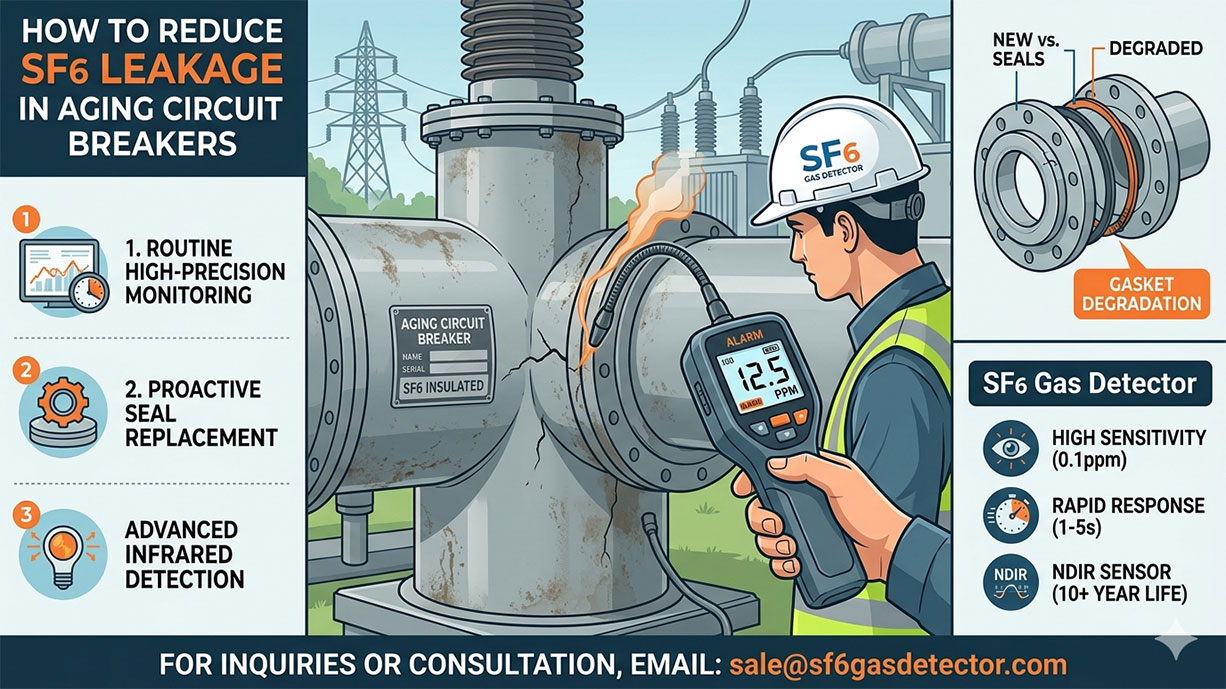
To reduce SF6 leakage in aging circuit breakers, you must implement a strategy of routine high-precision monitoring, proactive seal replacement, and the use of advanced infrared detection technology. By identifying microscopic leaks at flange interfaces and valves using a high-sensitivity SF6 gas detector, maintenance teams can repair equipment before gas density drops below critical levels, ensuring both operational safety and environmental compliance.
Understanding the Challenge of Aging SF6 Infrastructure
As high-voltage assets reach the end of their design life, the risk of gas escape increases significantly. Learning how to reduce SF6 leakage in aging circuit breakers is not just an operational necessity; it is an environmental mandate. SF6 has a global warming potential 23,500 times higher than CO2, making the management of SF6 gas leak detection in power substations a top priority for utility providers.
1. Implement High-Precision SF6 Gas Leak Detection
The most effective way to manage leakage is to catch it early. Traditional methods like pressure gauges only tell you a leak has occurred after a significant amount of gas is gone.
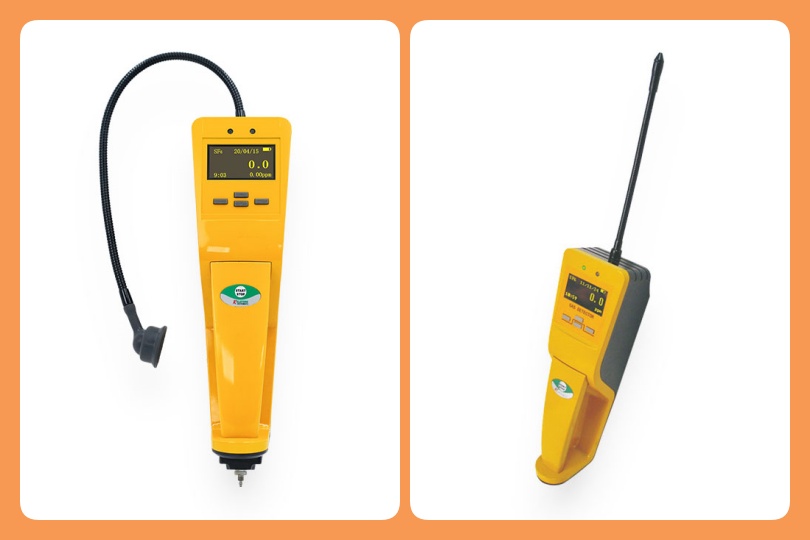
Using a professional SF6 gas detector (such as the PGAS-32) allows for:
-
Pinpointing Micro-Leaks: Detect leakage rates as low as 0.1ppm at gaskets and bushings.
-
Non-Invasive Testing: Inspect equipment while it remains energized to maintain grid stability.
-
Quantitative Analysis: Measure the exact concentration of leaks to prioritize which aging units need immediate repair.
2. Proactive Maintenance of Sealing Systems
To effectively reduce SF6 leakage in aging circuit breakers, maintenance cycles must focus on the degradation of materials. Over 20-30 years, O-rings and gaskets become brittle.
-
Seal Upgrades: When performing overhauls, replace standard seals with high-performance fluorocarbon elastomers that offer better resistance to temperature fluctuations.
-
Flange Resurfacing: For aging units, ensure flange surfaces are cleaned and treated for corrosion to prevent “pathways” for gas escape.
3. Targeted Technical Specifications for Leak Prevention
When selecting tools to reduce SF6 leakage in aging circuit breakers, technical parameters matter. The PGAS-32 Infrared SF6 Leak Detector is engineered specifically for these scenarios:
-
Sensor Type: NDIR (Non-Dispersive Infrared) for 10+ years of service life.
-
Sensitivity: 0.01g/y (grams per year) to meet strict annual leakage rate regulations (less than 1%).
-
Response Time: 1-5 seconds, allowing for rapid scanning of large switchgear lineups.
4. Expanding Your Maintenance Toolkit
To further optimize your substation’s health, consider these related strategies:
-
SF6 gas density monitoring: Use online monitors for real-time data.
-
Portable SF6 leak detectors for outdoor use: Ensure your tools have wind-compensation or pump-suction features.
-
Handheld infrared SF6 gas analyzers: Ideal for rapid site surveys and safety inspections.
Summary: A Proactive Path to Zero Leaks
Reducing leakage in older equipment requires a transition from “reactive” to “predictive” maintenance. By combining high-quality sealing components with the industry’s most sensitive SF6 gas detector, utilities can extend the life of their aging assets while protecting the environment.
Expert Consultation & Inquiries
If you are looking for professional equipment to help reduce SF6 leakage in aging circuit breakers or need a customized leak detection solution for your facility, our technical team is ready to assist.
For price lists, technical data sheets, or a free consultation, please contact us: Email:
Frequently Asked Questions (FAQ)
What is the maximum allowable SF6 leakage rate? For most international standards (IEC/IEEE), the annual leakage rate for high-voltage equipment should not exceed 0.5% to 1% per year.
How does a portable SF6 gas detector improve efficiency? A handheld SF6 gas detector allows technicians to scan dozens of potential leak points (valves, manometers, and flanges) in minutes, providing instant PPM (parts per million) feedback.
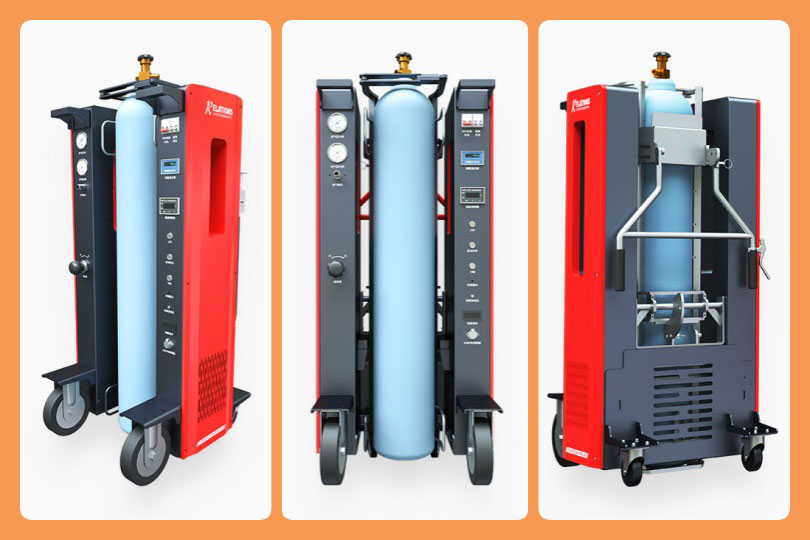
Can aging circuit breakers be “leak-proofed”? While no equipment is 100% leak-proof forever, routine detection and the use of high-quality recovery and filling devices can reduce emissions to near-zero levels.